In a perfect indoor gardening world, you wouldn’t need to stake a non-climbing plant. Its branches would be thick and solid, perfectly capable of holding the plant up, even when it’s loaded down with leaves, flowers, and fruit. In reality, though, houseplants are prone to weak growth. Their stems often stretch for the light source, and the abnormally long distance between each leaf node means that they’re less rigid than plants growing outdoors under brighter conditions.
Also, believe it nor not, moving in the wind actually strengthens the stems of plants that grow in the garden. Indoor plants rarely feel any wind at all and consequently, don’t develop stems as strong as they normally would.
Prune Before You Stake


Pruning and pinching are alternatives to staking. If you prune a plant carefully, removing weak and excessively long stems, the plant likely won’t require staking. When a stem starts to bend over, decide whether the plant wouldn’t be more attractive without that weak branch and, if so, prune it off rather than stake it.
Avoid Fertilizing When Light is Low
It’s best to avoid fertilizing houseplants when the days are short (late October through late February or early March) in the Northern Hemisphere. This tends to stimulate etiolation: long, wispy stems that may well need staking.
The Famous Quarter Turn

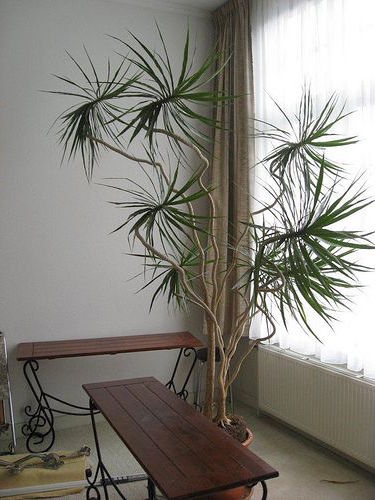
Everyone has heard that you should give a windowsill plant a weekly quarter turn (always in the same direction) so that it will receive light from all directions… but not so many people actually do it. If you carry this out, though, you’ll find your plant much more symmetrical and less in need of staking.
Making Staking Less Visible
OK, so you’ve tried your best and your houseplant does need staking. If so, try to make the stake as unobtrusive as possible because there’s nothing pretty about a plant wearing a splint. Try the following suggestions:
- Insert stakes near the center of the plant, hidden among the leaves and branches.
- Always use a stake that will be at least slightly shorter than the plant itself.
- Consider using the plant itself as a support. You can do this by attaching a weak branch to a stronger neighbor.
- If you need to stake several branches, use individual stakes for each branch. A web of string and ties wrapped around a single stake and tied to several branches adds up to one messy eyesore.
- Avoid brightly colored stakes. Dead branches brought in from the garden, green-tinted bamboo, olive-green plant stakes, and so on, work like camouflage. Or, wrap a colored stake in green florist tape.
-
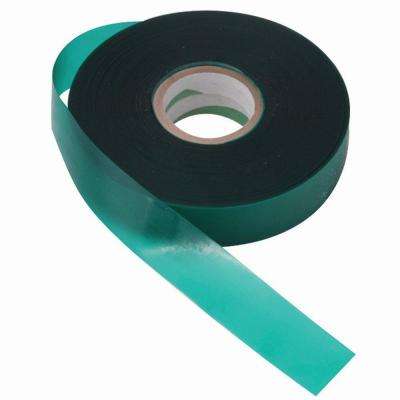
Green staking tape is fairly discrete. Avoid highly visible fasteners. Green twist ties, green or natural-colored raffia, garden twine, and soft plastic plant ties in off-green shades make good choices.
- Try to re-create the plant’s natural growth pattern when you attach the branches to stakes. Avoid bunching stems together or cramming flower heads up against each other.
- Surround weak-stemmed plants with solid neighbors. If they can lean just a bit, they’ll likely stay standing.