


By Larry Hodgson
When scientists first started studying how minerals affected plant growth back in the 1940s and 1950s, they discovered that the presence of phosphorus (P) in the soil was necessary to stimulate root development after a plant was divided or transplanted. In no time, fertilizer suppliers began offering fertilizer extra rich in phosphorus to stimulate rooting, selling their product under names like starter fertilizer, plant starter, transplant fertilizer, root booster and booster fertilizer.
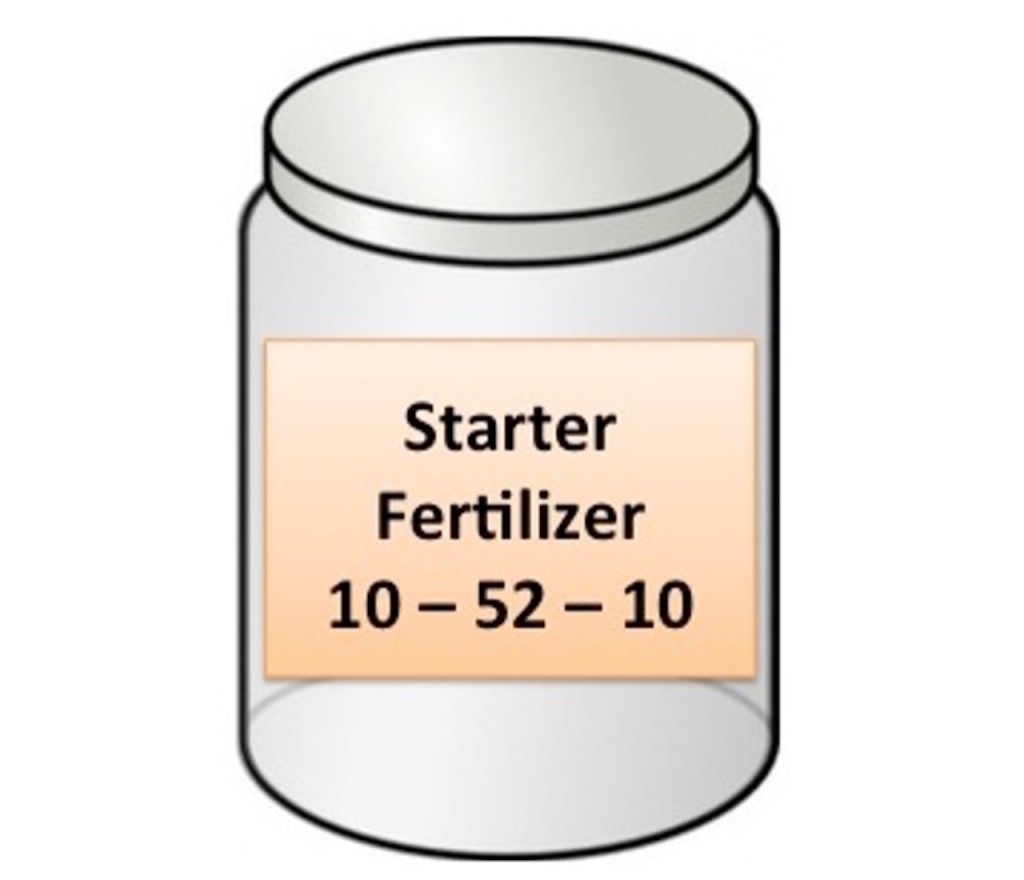
Since big numbers impress consumers, most chose to offer a 10-52-10 formulation. Yes, that’s 52 % phosphorus!
However further studies showed that large quantities of phosphorus were not necessary for rooting. Yes, the soil must contain a small amount of phosphorus in order to stimulate rooting… but that’s also true of any other nutrient. If the soil totally lacks nitrogen, zinc or iron, that too will hamper rooting. In fact, plants actually root poorly in soils excessively rich in phosphorus.
After the “High Phosphorus” Bubble Burst
Do you think that fertilizer suppliers immediately withdrew their starter fertilizers from the market once they were proven useless? Of course not! They continue to sell and promote 10-52-10 and other high-phosphorous starter fertilizers to this day, even though they are fully aware they are useless or even harmful.
You’re far more likely to kill plant roots with 10-52-10 fertilizer than to stimulate their growth. In fact, modern studies show there is generally no need to add phosphorus to stimulate rooting in many home garden situations, since phosphorus is generally abundant in flowerbeds, lawns, and vegetable gardens. If any element necessary for rooting is lacking, it’s far more likely to be nitrogen than phosphorus.
How to Gently Stimulate Root Growth
Of course, no harm comes from adding compost or fertilizer that is fairly low in phosphorus at planting time. An all-purpose organic fertilizer like 4-4-4 or 5-3-2 would be quite adequate. But there is no need to use 10-52-10!
If you do want to stimulate good rooting, try adding mycorrhizal fungi to the soil if you suspect they are lacking. They make excellent root stimulators! But adding fertilizer extra rich in phosphorus (over 14%) is more likely to delay rooting than to encourage it!
In addition, the widespread use of phosphorus-rich fertilizers is a major cause of water pollution. Since no plant can possibly absorb 52% phosphorus if the product is applied as directed, where else is the excess expected to go if not into the environment?
Disposing of Starter Fertilizer
What to do with the starter fertilizer you have on hand?
Dumping it in the trash is not the solution: depending on how trash is handled locally, that could result in even worse pollution. The environmentally friendly thing to do is to continue to use your starter fertilizer, but to dilute it. At a quarter of the recommended dose or less, it becomes the equivalent of an all-purpose fertilizer you could legitimately and safely use on flowerbeds, lawns, houseplants, etc.
Article originally published on May 18, 2006.