


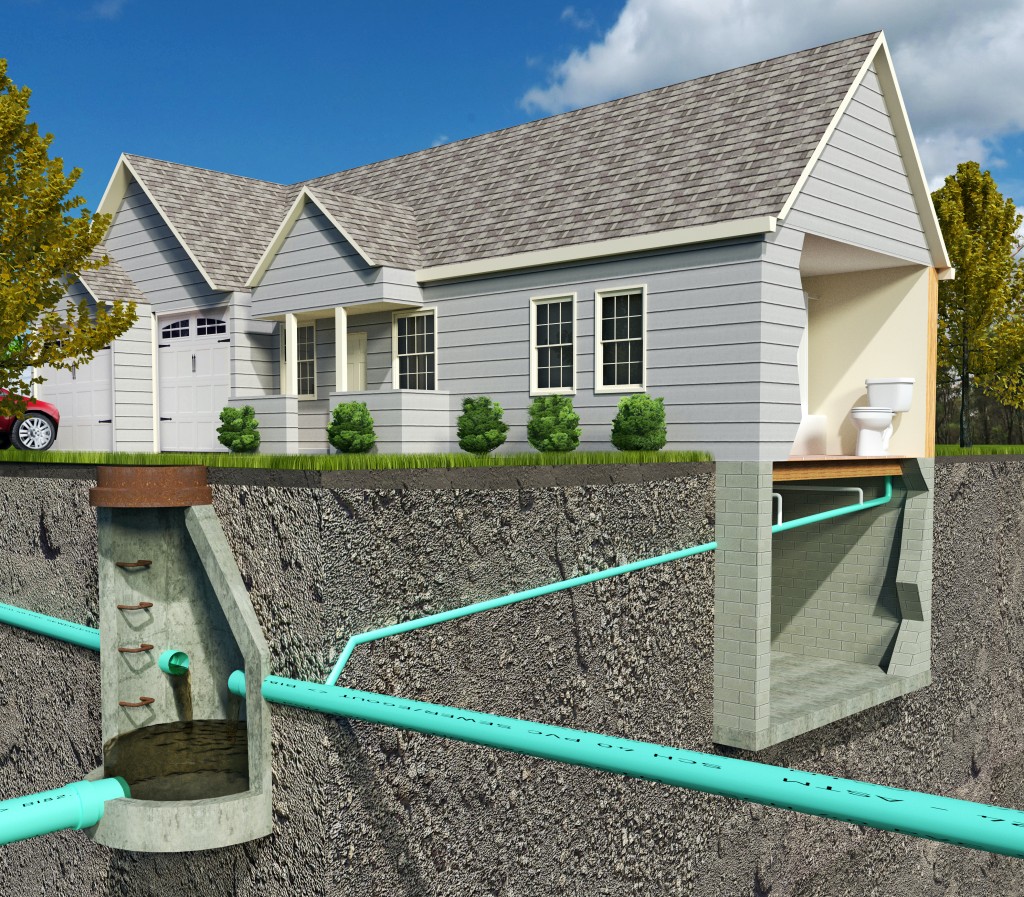
Your sewer system may be out of sight, but it shouldn’t be out of mind! Ill.: auntspray, depositphotos
By Claire Zimmerman
Is it time to do landscaping work in your backyard? Whether you are restructuring or converting untouched space into a wonderful garden, you need to avoid potential plumbing issues. They could ruin the poolside, patio, and other structures you put a lot of effort and resources into building. Check out this useful guide regarding the plumbing problems to consider when making landscaping adjustments!
Common Plumbing Issues in the Garden
You imagined the garden of your dreams, and it’s time to turn it into reality. If you want everything to function properly, you need to be aware of potential plumbing issues. These are the problems you should pay close attention to when undertaking a landscaping project.
Sewer Leaks
Root growth is a common issue behind these leaks. If the root puts pressure or breaks through the pipes, it can be a huge problem. Apart from damage, this also leads to bad odors and compromises indoor air quality. Therefore, this could be a health risk, especially to household members with respiratory issues. If a leak happens, it may require a plumbing repair service to fix, but it is possible that you can avoid getting to that stage if you can pre-empt the issues. A smart way of avoiding this issue could be installing concrete or PVC pipes instead of clay units.
Initial Damage

If you want to avoid issues, it’s essential to assess the condition of your sewer system. These are the problems you might face:
- Rust. It’s almost impossible to avoid issues with rust over time. That’s why regular check-ups of your sewer systems are necessary.
- Corrosion. Pipes corrode because of environmental factors and substances they are carrying. Many factors will affect how soon you’ll start noticing corrosion on your pipes.
- Digging. If you conducted digging and hit the pipes, you could have inflicted damage on them.
- Poor installation. Inadequate installation can lead to problems or cause issues sooner rather than later. That’s why all setups should be handled by professionals.
- Earthquakes, floods, erosion, etc. Natural disasters, as well as erosion and similar processes, could damage your sewer system. If a major flood or earthquake occurs in your area, make sure to check the pipe condition.
Pipes and Tree Roots
If you want to make a backyard beautiful, you’ll add a lot of trees and plants. They are crucial elements for beautifying the garden. But water goes through the pipes on your property. If your pipe has some initial damage and starts to leak, plants and trees will expand their roots toward it since the water attracts them. That’s how the underground parts of trees might cause problems to the sewer system.
Types of Trees and Roots That Could Cause Plumbing Damage
Most plants have the potential to be a plumbing risk with their roots, but pay special attention to these:

- Willows (Salix spp.). Shrub willows are not usuallly a problem, but tall species form huge trees with very long roots and they require a lot of nutrients and moisture. The soil rarely has enough, which is why it presents a plumbing risk.
- Poplars (Populus spp.). This option is great if you want natural shade in your backyard. Poplar roots are close to the surface, so avoid positioning them close to your home. Another thing to note is that poplar roots can spread more than twice as far as the tree is high.
- Magnolias (Magnolia spp.). They smell wonderful and there are more than 80 varieties of them, which makes magnolias a great choice for a garden. Its roots don’t go deep, which can be a risk for the sewer system.
- Birches (Betula spp.). Beautiful as birches may be, their roots can be invasive. They can spread twice as far as the tree is high, so make sure you have a large area available for them.
- Oaks (Quercus spp.).. Oaks are slow growers, but once they mature, they have a large root system. They form an initial taproot that reaches deep into the soil, but then the other roots grow laterally. They can stretch up to 100 yards (90 m) from the tree over time.
- Citrus (Citrus spp.). Everyone in mild climates loves eating oranges or lemons right from their yard. Citrus trees are great, but they require a lot of sunlight, moisture, and nutrients. They also have long roots that can cause issues to pipes.
Masonry Damage
Some types of masonry hold water. Trees find that attractive, which is why you should be careful when planting them close to foundations and paving close to them. As tree roots move toward water, they can lead to buckles and cracks. Not only does it look bad, but it can cause structural problems.
The solution is a wise design that ensures there’s a minimum risk of trees getting in touch with masonry. For example, you could install a root barrier. The latter will keep masonry safe from roof damage.
Common Mistakes While Landscaping and How to Avoid Them
Landscaping is a fun activity for most homeowners. And while it’s exciting to plan your yard, you should consider the plumbing setup. Here are the common mistakes people usually make during these projects!
Distances for Safe Planting
The general rule is that you need a minimum of ten feet (3 m) between a tree or shrub and the sewer line. If you want to put a large tree in your backyard, it’s smart to position it at least 100 feet (30 m) from your sewer. Damage might not happen immediately, but the tree roots grow and expand occasionally. It might be wise to consult a pro since the recommended distance can vary depending on different factors.
Covering the Access Points

Access points provide a simple way of repairing and maintaining your sewer. Most home sewers will have a cleanout pipe, which is the access point for the system. This device should be close to your property, and it’s usually visible since it sticks out from the ground.
You shouldn’t cover the cleanout with trees, plants, or other elements. The same applies to the septic tank’s top. It’s wise to ensure you can see it, and you need quick access if an urgent issue occurs. So, identify your system’s access points and make sure not to cover them.
Getting Professional Help When Needed
Most problems arise from the fact you improvised when working around the yard. You should know where crucial elements of your sewer system are, especially if you plan on making considerable landscaping adjustments.
You shouldn’t hesitate to get in touch with a professional if you need assistance with your outdoor plumbing. Licensed experts can identify critical access points and advise you when designing a landscaping project. That way, you know everything will go smoothly, and you’ll minimize the risk of possible issues!
About the Author
Claire Zimmerman is a content marketing specialist working with Allstate Service Group. Having almost 9 years of experience in home improvement, Claire is keen on sharing her knowledge on home design and renovation with others, especially HVAC (heating, ventilation and air conditioning), air filtration and water damage issues. Claire’s articles are informative and entertaining, written both for homeowners and experienced contractors.