


Photo: chiarazeni, depositphotos
By Ryan Pell
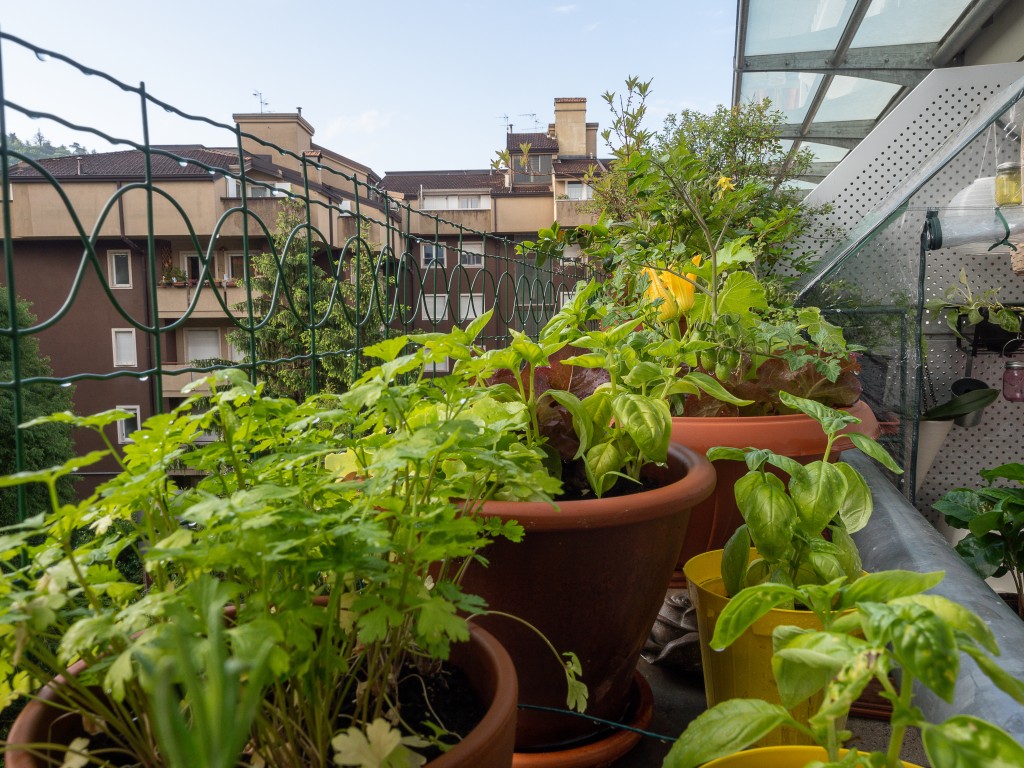
You might know city people who grow fruits and vegetables (primarily vegetables) at home. What these people do is a part of a bigger concept called urban farming—cultivating and growing food in urban areas.
Scientists predict that the role of urban gardening will increase each year, fueled by the growing needs of the global population and the imminent impact of climate change. According to Wired, urban farms could produce over 189 metric tons of food each year, which is about 10% of the global output.
In this article, we won’t encourage you to start growing that much food, but rather show you how you can become an urban farmer by regrowing your kitchen scraps.
Interested?
Let’s dive in.
1. Prepare the Space and Tools for the Plants
Gardening is a serious commitment, and you need to be ready for it. After all, you will have quite a few plants on your hands, and they need your close attention, especially at the vegetative and bud stages when they are the most vulnerable.
So, the first thing you need to ask yourself—do you have time for your home gardening? This activity resembles learning French a bit—with a foreign language, you need to be consistent, single out enough time in a day to improve your skills, and be persistent. And, if you occasionally make mistakes (especially in the beginning), you can’t give up.
If you are ready for the commitment, start purchasing all the necessary tools needed for urban farming in a house or a condo. Your toolkit should include:
- Pots
- A hand trowel*
- A hoe*
- Secateurs
- A spade*
- A rake*
- Gardening gloves
- A watering can
*Tools needed if you’ll be gardening outdoors.
If possible, you can replace some of these tools with something you already have at home. For instance, pots aren’t necessary if you have suitable sturdy plastic containers. However, make sure they allow good drainage. You can also use a plastic bottle with a hole pierced in the cap instead of a watering can.
2. Green Onions

Now, let’s take a look at a few plants you can actually regrow from kitchen scraps. We’ll start with the easiest one—green onions.
The quickest way to grow green onions is to simply place an actual onion in a small plastic container with a bit of water and wait until it starts sprouting. You can also pierce the onion with toothpicks to hold it above the water in a glass, with its root end touching the water. It will eventually start growing more roots, and then sprouts will appear as well, but the onion itself won’t rot as long as it’s just touching the water.
The coolest thing about growing green onions is that news sprouts will keep regrowing even after you harvest the previous ones.
You can also grow other vegetables from stubs. For instance, you can put a lettuce stub in a glass so it soaks in water or in a pot with soil and regrow it. Same goes for celery, cabbage, leeks, and carrot tops. You can find more information on this method in our article.
3. Tomatoes

Tomatoes are a bit more challenging to grow at home. They need more space and tend to grow tall and leafy, depending on the kind. However, there are a few ways you can plant tomatoes from kitchen scraps.
Much like many tropical fruits we’ve talked about earlier, tomatoes grow from seeds. So, if you want to plant them, you need to collect the seeds first. When you do, clean and dry them a little bit, and then put on a damp cloth so they can start sprouting. At this point, you can gently set them in damp soil and put them somewhere warm.
A simpler way is to put a round slice of tomato on the damp soil and wait until you see tiny sprouts on the surface.
If your tomato sprouts are big enough, you have some space outdoors and it’s summer, you can replant them and let them grow in full sun. To plant your tomatoes outside, dig a trench and fill the half with homemade compost. Next, carefully dig out your tomato sprout with its roots, place it in the trench, and cover it with soil leaving only the leaves showing. Finish by watering the plant generously.
4. Herbs

Growing herbs at home will give you year-round access to them. It’s always nice to have fresh basil to put on your freshly baked pizza.
Propagating herbs is actually very easy—for most varieties, all you need is to insert a cutting about 3 inches (7.5 cm) long into a pot of moist growing mix. Some people prefer starting them a tall glass with water. If so, when roots start appearing, you can plant your herbs in a pot.
Remember: herbs are usually quite demanding. You’ll need enough sunlight for them to flourish indoors. Besides, you can really only grow herbs indoors for short periods. So, if you need basil or parsley at all times, consider growing them outdoors.
5. Garlic

If you have old, shrivelling cloves of garlic, don’t throw them away just yet—you can reuse them and get fresh new ones.
Here’s how you regrow garlic at home:
- Take a garlic clove but don’t peel the skin off.
- Place it in a shallow container with a bit of water, so that it only touches the root part of the clove.
- Find a sunny spot in your house and put the container with garlic there.
- Change water every couple of days.
- When the garlic starts sprouting, replant it into soil. You’ll need a deep container and plant only one clove in a pot.
It normally takes garlic up to 9 months to fully grow, the best time is between April and November. When the leaves turn yellow, it’s your clue that the plant is ready to be harvested.
Growing Plants at Home Is Easy!
Even if you have no experience with urban farming, you’ll catch up pretty quickly. Just make sure you start small and improve your skills as you learn how to tend to your small in-house garden.
Regrowing plants from kitchen scraps is also a step to becoming more environmentally conscious. This way, you produce less waste. If you want to learn more about your role in saving our planet’s climate, our blog has tons of helpful insights.