


By Cora Brown
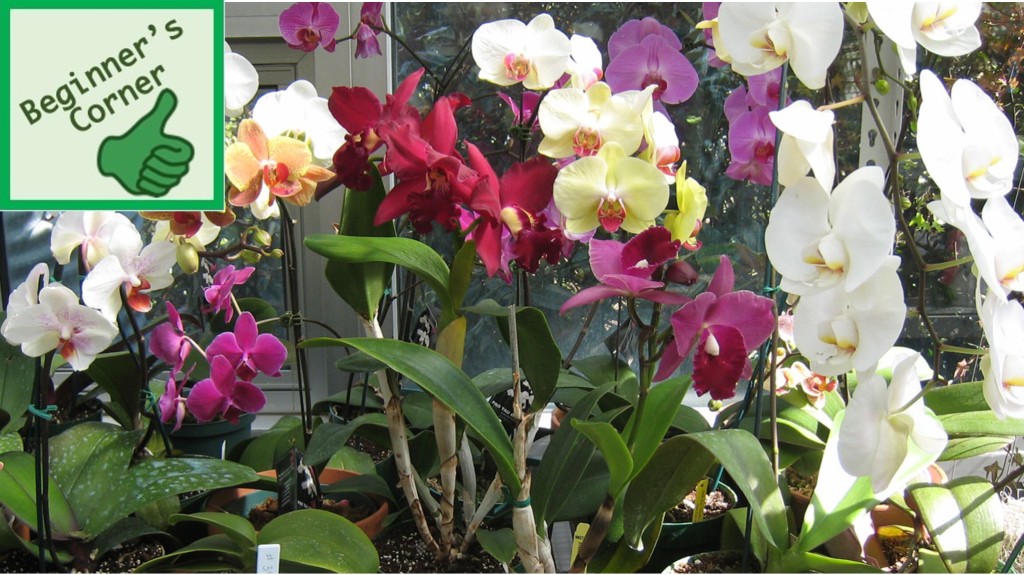
Most horticulturists and plant enthusiasts believe that plants are sentient beings; they can feel, think, and respond to their surroundings. This is the reason why it’s so easy to establish connections and share personalities with them. And one of the best plants to connect with is an orchid.
Orchids are popularly known as the “pearls of the horticultural world.” They’re one of the most well-loved families of flowering plants, adored for their long-lasting beauty and blooms. Today, there are more than 30,000 tropical and subtropical orchid varieties.
In addition, each type of orchid needs unique growing requirements to survive and thrive. The most common species of orchid grown in homes are epiphytic orchids. This means they grow on tree trunks and branches in the wild, not in soil. Therefore, they absorb nutrients and moisture present in their surroundings in order to grow.

On top of that, orchids aren’t difficult to grow and care for, and they can provide a long-lasting bloom for up to six months. If you don’t know where to start, here’s a simple guide that’ll help you grow the most floriferous and healthiest orchids.
If you’d like to have orchids to liven and freshen up your home, visit your local flower boutiques or visit online flower delivery sites.
What Is the Best Container for Your Orchids?
Containers are one of the most important things to consider when growing houseplants, including orchids. Naturally, orchids, particularly tropical ones, prefer to cling to tree branches where their roots are exposed to air. That’s why it’s highly important to consider the container you’ll use for orchid planting.

Preferably, you should look for pots that have plenty of holes for proper root ventilation. You can buy orchid-specific containers or use traditional planters instead. Make sure to insert your orchids in hole-filled plastic before placing them inside conventional cachepots.
Do Orchids Need Soil for Growth?
Some orchids may require soil for growth, while others may not. For example, epiphytic or tropical orchids don’t generally use soil to grow. They prefer to thrive in the open air rather than in a soil-rich environment.
However, it doesn’t mean that you should only expose your orchids to the air. They still need an environment similar to their natural habitat to grow. You may use orchid-specific potting mixes, which are more like a bark mix than soil.
Never use an all-purpose soil mix because it contains extremely tiny soil particles that hold water, suffocating the roots of your orchids.
Is It Okay to Repot Your Orchids?
Orchid repotting is an essential practice when growing orchids. Even the highest quality potting mix will break down into smaller particles over time, reducing the supply of air your orchids need to grow. Eventually, orchids will suffocate and die.
Therefore, you should repot your orchids into a new potting mix at least once every year or two. Also, it’s relatively easy to do, contrary to some misconceptions you probably heard before. Here’s how:

- Remove the orchid from its container and carefully pull out the previous mix from its delicate and intricate root system.
- Check its roots and make sure they’re green, plump, and healthy-looking. Cut out those that are brown, dried, and twisted.
- Choose a pot filled with holes for proper ventilation, as discussed above.
- Place your orchid in the pot, filling in around the roots with fresh high-quality orchid potting mix, ensuring that every root gets its share.
- Water the freshly repotted orchid regularly and let it drain thoroughly.
How Often Should You Water Your Orchids?
Like any other houseplants, water is crucial for growing and caring for your orchids. As a rule of thumb, orchids should be watered thoroughly from only once per week to every 10 to 14 days to prevent rot setting into their roots.
Here are some helpful tips you may follow when watering your orchids:
- Before watering your orchids, check if the potting mix is dry by placing your fingers underneath.
- If the coarse bark feels moist, don’t water them yet; if it feels dry and flaky, do water.
- Use slightly warm water to mimic their natural habitat.
- Let the water flow out of your orchid’s pot. Eliminate standing water if there’s any.
- Don’t pour water on your orchids’ leaves and flowers. And make sure they’re dry after watering. This will help you prevent rotting setting into the leaves and also potential pest attacks.
- Reduce watering during the winter.
How Much Light Do Orchids Need to Thrive?

Light requirements depend on the species of orchids you’re growing. However, most orchids don’t need intense direct sunlight to grow. It’d be better to keep them in a slightly shady area away from the brightest sunlight to prevent them from getting burnt.
However, it’s worth noting that many orchids still require some sunlight to grow and thrive. The best thing to do is note the genus name of each one of your orchids and search for the light and temperature requirements it requires for best growth.
Final Words
Orchids are the wonders of the plant world, and they deserve to be enjoyed for their amazing and intricate beauty. If you’re interested in growing one, this guide can help you.
When growing an orchid, keep the following things in mind. These include the container you’ll use, the amount of water to give, the amount of light to provide, the kind of potting mix to use, and how to repot your orchids. These tips will help you grow your orchids to bloom beautifully while preventing minor issues.
About the Author
Cora Brown is a horticultural specialist. She conducts seminars and writes blogs on plant-related matters. Cora also enjoys teaching her kids how to care for plants in their garden.