

I love fall because the gardens are beautiful and you can enjoy their beauty without lifting a finger. Wonderful, isn’t it?
No more pulling up weeds (if you haven’t pulled them before autumn, it’s a waste of time, you might as well learn to live with them). Also, no more watering. Evaporation decreases in the fall and the rains are usually more abundant. So plants essentially grow on their own. No more treatments against insects and diseases (as if I applied any anyway…). It works on its own, as it should. Gardening can be so easy for laidback gardeners!

What About the Great Fall Cleanup?
“Wait a second!”, a lot of gardeners will certainly say. What about the “great fall cleanup”? Well, I’ve done away with it, of course, with all the other useless gardening tasks that used to take up so much of my time.
I am always impressed by the incredible efforts that meticulous gardeners put into cutting all their perennials to the ground in the fall, picking up every little leaf that they find lying around, tearing out all the annuals, etc. And all for the so-called purpose of “preparing flowerbeds for winter”. What nonsense! The more you clean in the fall, the less the flowerbeds are ready to face the winter !

Clean, Clean, Clean
The only goal, basically, of the great fall cleanup is to “make flowerbeds cleaner”. Personally, I’d rather wait a few weeks for the snow to hide everything from view than do all that work for nothing. However, meticulous gardeners probably get some sense of usefulness from it. I even heard one of these gardeners say that he did this to help the plants! (Let’s take a break while I stop laughing.) No doubt fall cleaning is an excellent physical activity for people who have nothing else to do… but gardeners shouldn’t try to pretend that they are doing this to help the plants!
Harmful to Perennials
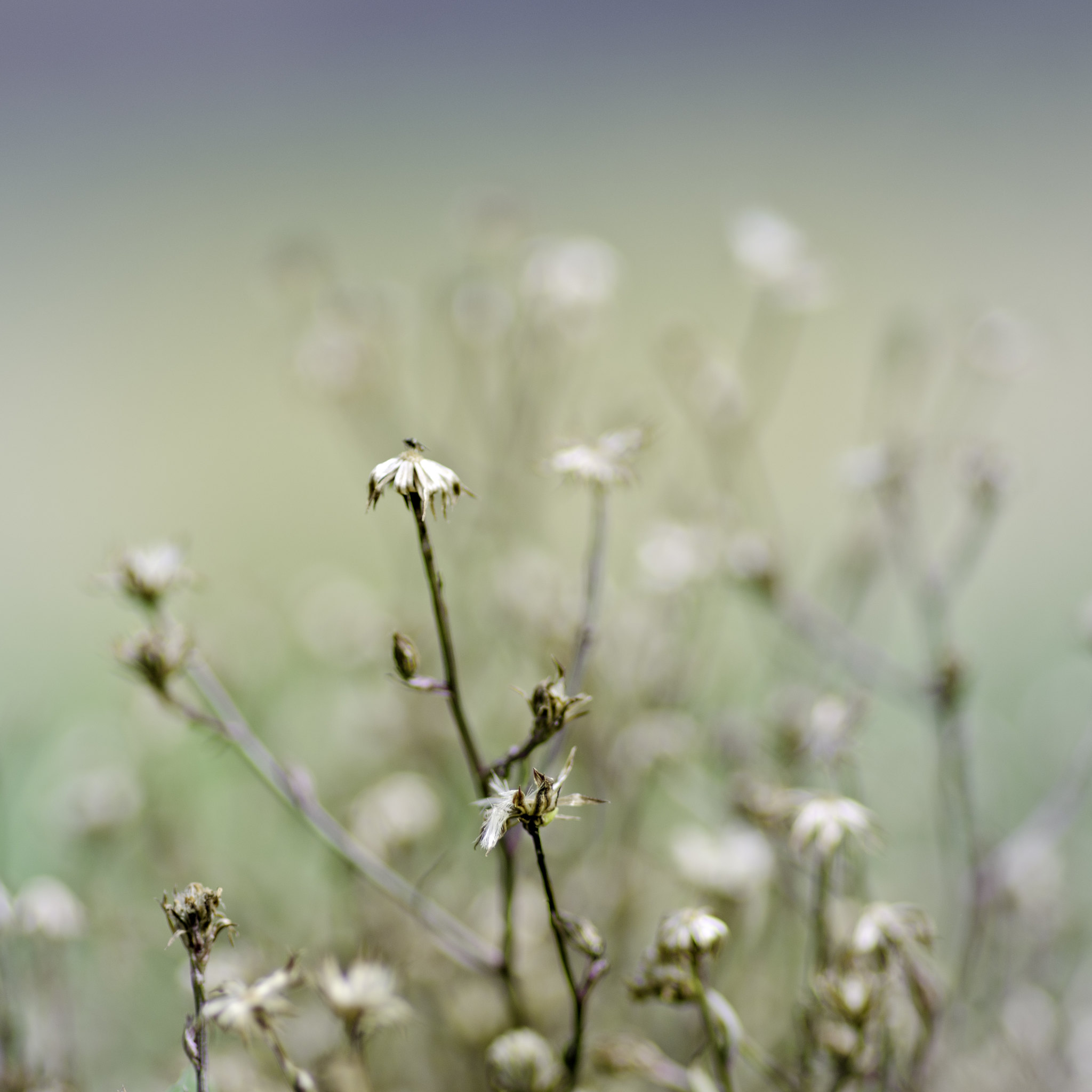
On the contrary, carrying out the great fall cleanup is harmful to perennials. Because nature has provided a perfect antidote against the extreme cold of winter in its survival strategy for these plants. Indeed, every year, the leaves of perennials turn brown and fold down to the ground in order to cover their crown and their roots with a natural mulch. The dead leaves and stems of perennials catch the dying leaves of the trees in order to better build their winter protection.
Natural Winter Protection
This way, when the cold, drying winds of winter blow, the delicate tissues are safe. Not only do they not have to suffer the effect of “wind chill”, but the average temperature, in winter, of the air surrounding the roots thus protected exceeds that of the ambient air. “Mother Nature’s mulch” not only protects against the cold, but also against the heaving caused by the alternating action of freezing and thawing. Beneath the clusters of their own leaves and those of other plants, perennials remain frozen and dormant until spring, not moving when abnormally warm temperatures from occasional winter thaws cause so much damage to unprotected plants.

Twice the Work
At least meticulous gardeners have noticed this problem. I know some who keep repeating to anyone who will listen that they lose half of their perennials every winter, as if it were the fault of the perennials that too much maintenance killed them. Jealous to see that their neighbors’ plants survive the winter better than their own (personally, I almost never lose any), they came up with an ingenious solution. After having meticulously cleaned their flowerbeds and thus having put the perennials in danger of death, they cover them with vast carpets of geotextile, thus replacing the natural winter protection with an artificial one. Twice the work for the same result? Only a meticulous gardener could have thought of that!
(Three times really! They have to remove their geotextile in the spring!)
Nature has taken millions of years to develop a system that works perfectly well! And meticulous gardeners think they can do better? I highly doubt it!

No Fall Cleanup, No Spring Cleanup
You probably won’t be surprised to learn that not only do I avoid the great fall cleanup, but I don’t do it in the spring any more either. It is true that when the snow melts, the sea of dead leaves mixed here and there with brown stems gives the garden a messy look, but I know very well that in just a few weeks the vegetation will have grown back and everything it will be hidden. In addition, whatever is left behind—brown foliage of perennials, dead leaves fallen from trees, stems and roots of annuals from the previous year , etc.—decomposes and enriches my soil.
So I do less work and get better results. Only a laidback gardener would have thought of that!