


I don’t normally buy gifts anymore. I stopped back when I was a young idealist with anti-capitalist ideas and long hair who, like Scooby-Doo, always emerged from a cloud of smoke. Urrr? If I ever give a gift, I insist on doing it when there is no birthday or holiday to celebrate, but only to please someone, without any obligation of convention.

In any case, I heard that godparents give gifts to their godchildren. I didn’t know about any of this, never having had a godfather or godmother myself. However, last year, I had the great pleasure of becoming the godfather of an adorable little girl. I take my role seriously, so I’m back in the gift-giving world until she’s old enough to go fishing with me (now that’s a real gift!) But until then, if I decide to give a gift, I’ll give it my way! The first gift I gave my goddaughter was a stuffed horse head (I’m a huge fan of the Godfather movie series, what can I say?)
You might be wondering where I’m going with all this?
For Christmas, my goddaughter received from me little wooden alphabet blocks. But, unlike the usual, the pictures on them were not animals or everyday objects that we usually use with young children to teach them vocabulary. They were flowers! No way my goddaughter will be indifferent to plants.
Plant Blindness
Plant blindness isn’t the inability to see plants, it’s a kind of indifference to plants. As far as I know, no one can see through leaves. Although plants are visible, they often go unnoticed or unappreciated. It’s also an ignorance of the role of plants in our daily lives or a belief in the inferiority of plants compared to animals.

Is It Really an Affliction?
Plant blindness has been a thing since the 1990s and studies have been conducted on the subject for the past 20 years. Although the phenomenon is not fully understood, there are several indications that it exists.
For example, it has already been established that humans can identify plants less well than they can animals. We also show less interest in plants than in animals and have less knowledge about them.

Multiple Causes: Biological and Cultural
It’s silly, but one of the reasons we’re indifferent to plants is because they’re green! When they are grouped together, rather than seeing individuals, we see a “wall of green.” Maybe they don’t want to be seen. It could be a survival strategy on their part. By blending in, humans avoid them. And you all know how destructive we can be. However, the bright colors of their flowers and fruits attract our attention. In these cases, we’re serving the plants, spreading their seeds with the wind, and the core of their fruits with our travels or our digestive system.
It doesn’t help that plants don’t move. As humans, we are instinctively inclined to follow movement. It’s a matter of survival. We shouldn’t forget that our brains have the innate ability to recognize faces, which plants don’t have. Perhaps we should make them wear masks? You can see that some of this indifference to plants is due to our biology, our eyes and our brain rather than a real lack of interest.
Another study shows that older people are less affected by botanical blindness, apparently because they do more nature-related activities. I’m not at all surprised given the amount of time we spend in front of our various screens.
Our increasingly urban lifestyle would also be a cause of this situation. Not only are we less and less in touch with nature, but we’ve also disconnected ourselves from food production, going instead through a network of farms, distributors and businesses to feed ourselves. This makes it difficult to observe the direct links between plants and our survival.

Consequences
You may wonder what difference this disregard for plants makes. In fact, plant blindness has real consequences.
For starters, most nature conservation efforts are directed at animals. The media will often produce content about protecting a natural area to save an endangered animal, but rarely will they do so for an endangered plant. There is also a decrease in biology courses in schools and a decrease in funding for plant sciences.
Yet, plants are the basis of our ecosystems and therefore of life on this planet. We must not forget the real benefits of nature in general and plants in particular, on human health and well-being.
Becoming Aware of the Botanical World
So what can we do about it? If you’re reading this blog, you’re probably already aware of the vital importance of plants.
The easiest way is to simply maintain contact with plants: get a few houseplants; learn their names and how they work; work in your garden, however small; identify weeds before eliminating them (or simply keeping them!); set up a vegetable garden, even in pots; get closer to plants; but above all, remind yourself of their vital importance for our food and the beauty that surrounds us.
When you take a walk in your neighborhood or in a park, take the time to observe the plants you find there. Try to distinguish some of them in the middle of the “green wall”. There are many books and apps to help you identify them.
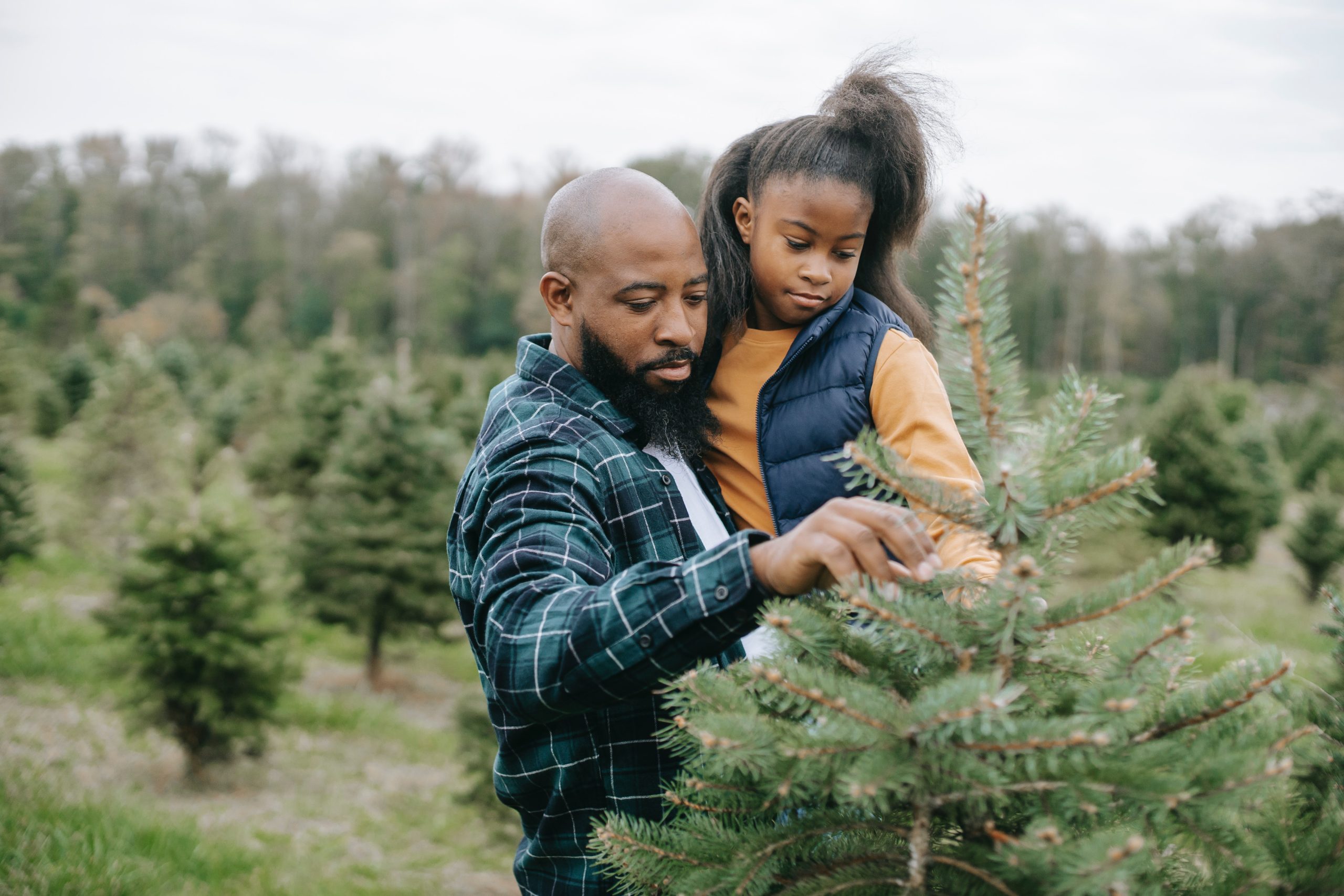
It’s crucial to do all this with children too. Studies have shown that children accompanied by adults who have hands-on experiences with plants will show more interest in vegetation and a better scientific understanding of flora as adults.
So, I started with alphabet blocks adorned with flower images. What am I going to get my goddaughter next? A Chia Pet? A children’s gardening tool kit? A fishing pole? So give me your suggestions for gifts that can help the children in your life become plant aware?