


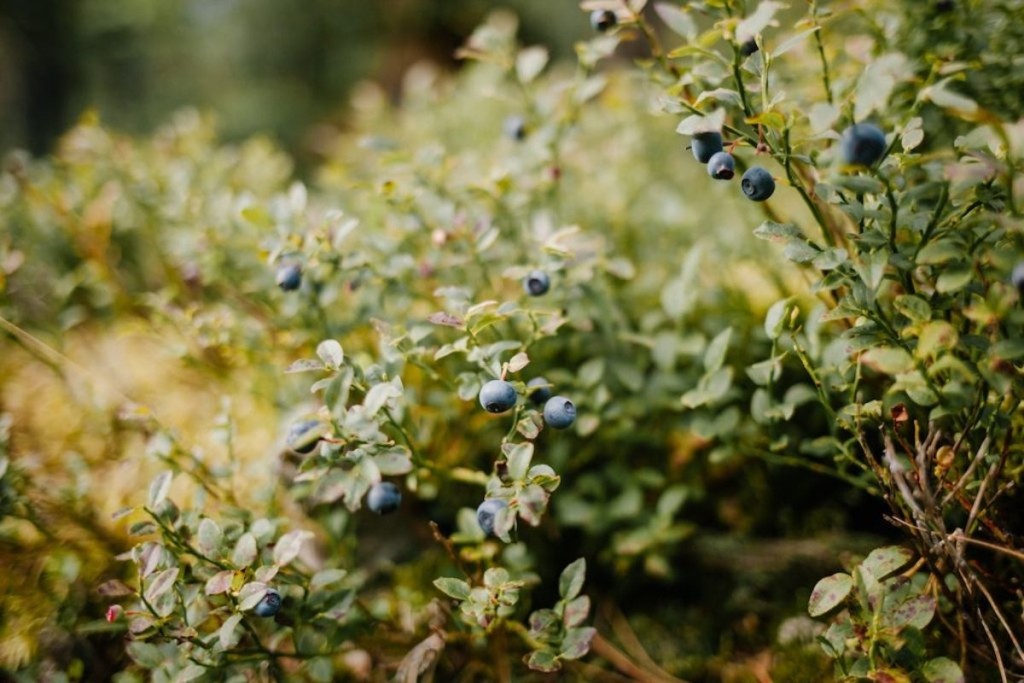
Our ancestors practiced it for generations and it’s only in the last hundred years that we seem to have almost lost it. And yet, nature could be much better off if its resources were more exploited. Today, we are talking about the ethics and ecology of wild harvesting!
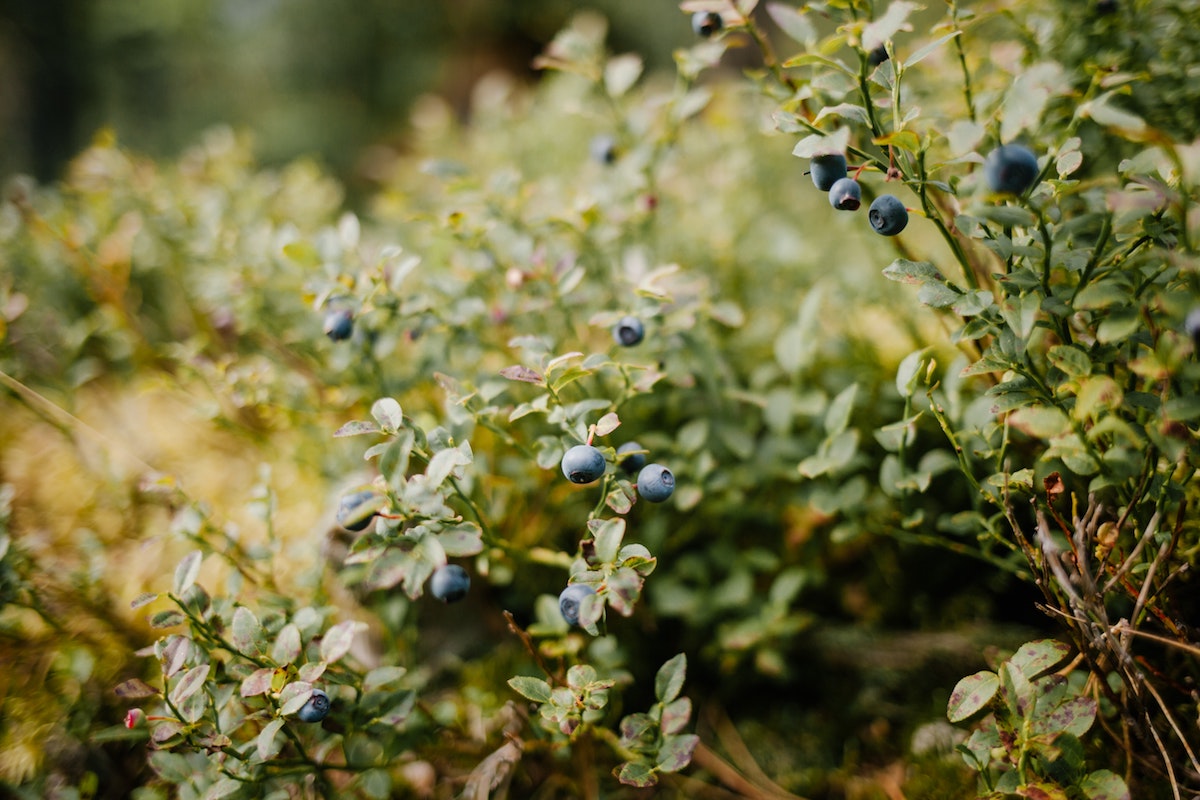
Put away your forks, put out the pyre: I’ll explain in this article why picking can be a good thing, but more importantly, how to do it right.
Why This Article on Responsible Harvesting?
First of all: I stand by everything I write, even if you don’t always agree. You have every right to your opinion and these differences are a wonderful richness that leads to interesting discussions. BUT! I also want to make sure my point is understood, and this is especially important when talking about wild harvesting. There have been some comments questioning the validity of my practices and… I cried for three days…

OK, no, that’s not true. But I certainly wouldn’t want negative ideas of “exploiting nature” or whatever to remain without further explanation.
(I’m still very reassured to see these comments, it means we have a very nature-friendly community!)
“Damage” to Nature
Yes, my articles In Mother Nature’s Garden get a lot of reactions, and yes, I mentioned that I was going to make my flowerbeds with wild plants picked up by myself…
But my pickings are so little compared to what I leave behind, and my flower beds represent a dozen shovelfuls in my own forest…
Things that animals could have done!
I want to show you things from two different angles.
First, Nature Is Very Strong and Autonomous.
It can regenerate itself very well. So, if a tree falls, if an animal digs holes, if a storm floods and tears everything away in its path, nature will recover. Disruptions of all kinds are part of its normal life cycle and are necessary.
Did you know that young trees produce more oxygen than hundred-year-old trees? Yes, yes, even though they are smaller and have fewer leaves. So if an old tree falls, it is actually allowing young shoots to get sunlight and grow.
Many plants need to be damaged by animals or weather to branch out.
The soil needs to be oxygenated, thanks to insects, small mammals, but also, why not, thanks to a bear that would have fun digging a huge hole by pulling out all the roots!
Seeds and fruits need to be dispersed. Sometimes thanks to the wind, but also thanks to animals that eat the fruits and defecate the seeds further away. Some seeds are even sticky and get lodged in the fur of animals, which they will clean further away.
Disturbances Are Quite Normal
All this to say that all kinds of disturbances are quite normal! A forest fire that seems to be the end of everything is in fact an opportunity for the rebirth of the forest.
Whether we like it or not, the presence of humans has changed nature a lot, even the one we say is protected. Predators are rarer, some species are in overabundance, some resources are over or under exploited. Think of your cedar tree being eaten by deer, or your garbage cans being raided by a raccoon before returning to its woodland. Unless you’re talking about a GIANT, untouched expanse, chances are the forest near you is not safe from our influence, even if you don’t go there.
That was my first point: nature is already “disturbed” for better or for worse.

We Are an Integral Part of Nature, Aren’t We?
My second point is that we humans are part of nature. We are an animal species, Homo sapiens sapiens, and whether we like it or not, we have our place in this environment. Are we a reckless enough species to destroy all our resources and cause our own extinction? I don’t want to start a philosophical debate, forget that last sentence!
My point here is that for thousands and thousands of years, man has cohabited and co-evolved with nature. All in a respectful (mostly) and sparing manner. It’s only been a few decades that we’ve been talking about the destruction of the environment, and yet, hunting, gathering, controlled fires and sprawl are not new! So can we maintain a balance between nature and the needs of Homo sapiens sapiens? History says: yes.
So I propose this reflection: between the big industry that dynamites the mountains to get metals, the transport of these materials, their exploitation and their polluting transformation, their over-packaging, their marketing, etc., the computer or the phone on which you are reading this article, all this has a really higher destructive potential than the few mushrooms you will pick.

Another thought (less extreme this time): if I pick fiddleheads responsibly, making sure I don’t damage the plants, am I less ecological than if I bought imported broccoli at the grocery store?
I prefer my natural resources to imports, monocultures and chemicals!
“Yes, but not everyone will be careful!”
I know.
I understand and share your concern.
But between five ignorant people picking wild raspberries, or four who are careful and one irresponsible rascal, I prefer the second option!
And who knows, one day, maybe the unaware will be fewer and fewer? One out of 10, one out of 100… Not so long ago, bringing our own bags to the grocery store was heresy and now we feel bad asking for one!
And then in the future, if we go back to our roots, maybe we will be more and more autonomous? We will import less and less? Ah, it’s nice to dream!

Responsible Foraging Tips
Without further ado, now that I’ve established that nature won’t suffer from some damage (even though it’s good for it), and that you won’t risk destroying the forest if you do your wild shopping the right way, here are a few quick tips on how to be a perfect gatherer!
1- Respect for Others and Your Health
- Do not pick just anywhere.
Public spaces, yes. Conservation spaces, no. Private land is yes, with the owner’s permission (they almost always say yes!).
- Do not poison yourself.
Eating an unknown mushroom is a big NO. Picking up dandelions in a chemically treated lawn is NO. Eating milkweed without a good boil or soak to remove the toxic latex is a NO.
Ask questions before picking and ask for help with identification if you need it. Wild picking groups are great on social media to provide help. To avoid poisoning yourself: identify well, select well and cook well.
- Your cell phone with you at ALL TIMES.
I don’t even go into my own forest without it: breaking an ankle and getting stuck in a hole in the middle of nowhere without a phone, I’ve done it once: I don’t recommend!
- Use your common sens.
Common Sense is your best bet for wilderness foraging! Don’t go out there in your sandals, you know…
2- Preserve the Environment
- Watch your step.
It would be a shame if, while being careful not to kill a wild garlic plant by taking only one leaf, you crush all those around you!
- Harvest only what you need.
Seriously, foraging is hard enough, don’t let what you’ve picked rot in your fridge! Can, dry or freeze the excess. Don’t pick huge quantities of something you’ve never tasted: trout lily is horrible and you’ll be really disappointed in the time and effort invested if it’s inedible.
And please, leave the flowers there! If you want to be cute and put a flower in your significant other’s hair like in the movies, grab a dandelion.
- Find out what species are protected in your area.
Maybe we don’t eat the trilliums, but if you are aware, you will be even more careful not to trample/pick them. Learn to recognize your nature and not just what gets eaten.
- Don’t leave anything behind.
If I see one of you leave a candy wrapper, I’ll… It’s 2023, I shouldn’t even have to put this item on my list…
- Use your GBS (encore).
Common Sense is your best bet for wilderness gathering! Petting a baby bear? Not a good idea!

3- Preserve the Plant/Tree/Individual
- You don’t pick up EVERYTHING on ONE plant.
Plants that have only a few leaves/flowers need to keep enough to keep them from dying. As a rule of thumb, on a young plant, only one-third is taken, and on a mature plant, up to half. Beebalm leaves need to be numerous enough for the plant to bloom, milkweed flower clusters need to be able to sustain nectarivorous insects, and wild garlic only has two leaves per plant to feed its bulb. Think about it!
- … Unless…
If we’re talking about invasive plants like stinging nettle or staghorn sumac, fruits like wild strawberries or Norway maple samaras, or mushrooms, treat yourself! The invasive plants will come back anyway. There will always be some fruit left, especially since they don’t all ripen on the same day. And the mushrooms, they are only the reproductive part of the individual and it does not hurt to have it removed.
- Cut, pluck and pick with care.
If you want a wild apple and pulling on it rips off the branch, that’s not ideal. Accidentally uprooting a milkweed is just wrong. Take a small pocket knife and proceed gently.
Mushrooms and the eternal debate: cut or tear? Honestly, it makes NO difference. Some studies say that pulling can hurt the individual and others say that cutting creates a pathway for disease. Personally, I pluck. Squirrels don’t have pocket knives, as far as I know, and they have been doing it for a long time!
- Be the stork!
Collecting seeds? Remember to throw a handful on the ground before you leave. Eating a pimbina berry? Spit the pit into the wood. Collecting cattail stalks? Leave the inedible leaves behind to make fertilizer. This is the only “waste” you are allowed to leave!
- Use your common sense (encore encore).
Common sense is your best bet for foraging! Cutting down a wild apple tree to make it easier to pick is just… inconsiderate!

I hope that this outline of responsible harvesting will enlighten you and make the “exploitation” of Mother Nature’s garden less dramatic. Don’t hesitate to give other good tips in the comments if I have forgotten any!
P.S. If you are a First Nations harvester, I would be very interested in hearing your opinion on the subject. Ancestral practices often benefit from being shared. Traditional burning, gathering, wild planting: write to me so we can discuss it!