


Question
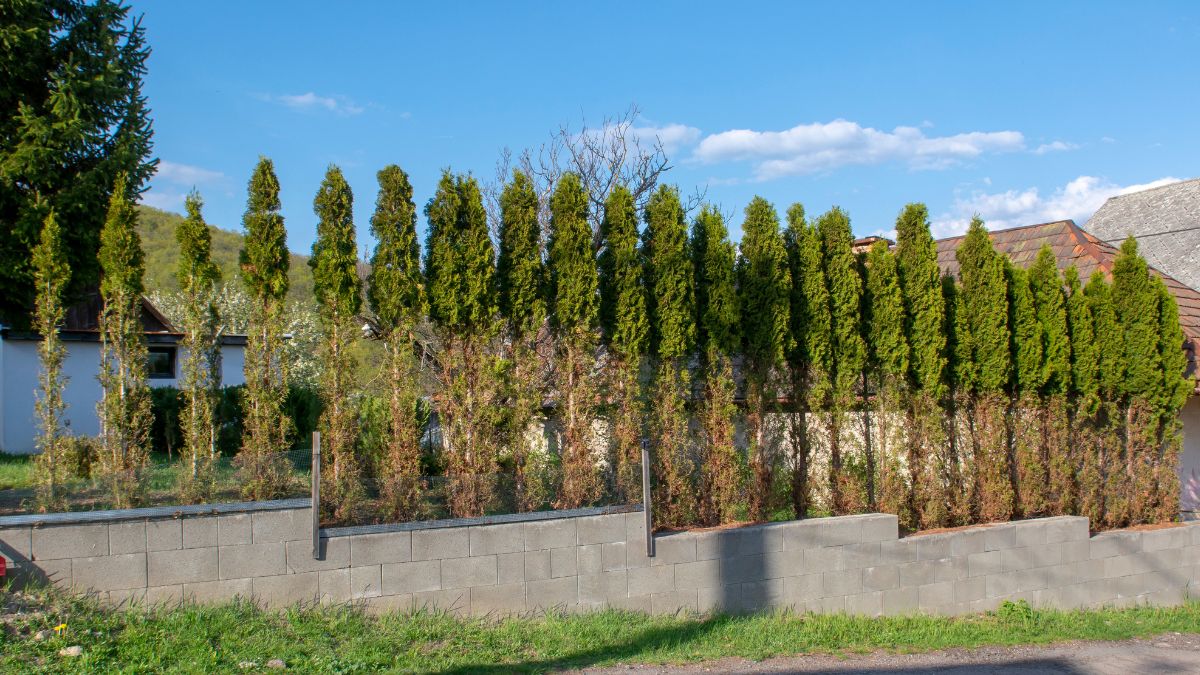
What can you recommend to a homeowner whose 40-year-old cedar hedge was eaten this winter by deer to a height of about 1.25 meters (4 feet)? Yew (Taxus) plants were also attacked.
Answer
It’s important to understand the nature of the problem. Thuja, commonly known as cedar despite its scientific name (Thuja occidentalis), cannot regenerate from old wood. This means that, unfortunately, your hedge is considered “unsalvageable” in the sense that areas denuded by the appetite of white-tailed deer will not regrow. These trees will continue to grow, but will now present a thinned base, with no hope of regaining their former splendor.
Conversely, yew has a much more robust capacity to regenerate after being “pruned” by the incursions of these animals. The latter, often referred to with a touch of bitter humor as the “new country rats”, have been introduced to many regions by human activity and the disappearance of their natural predators. This introduction has made the planting of cedars and many other plants virtually futile in areas where these herbivores prevail.

What Are Your Options?
When it comes to specific options for your hedge, there are two options. The first is to simply rip out the existing cedar hedge, although this option may seem radical and disappointing given its many years of service. The second, perhaps more attractive option, is to plant shrubs at the base of the existing hedge that can not only survive the deer’s appetite, but also mask the visual damage. Among the recommended species, potentilla (Potentilla fruticosa) and common boxwood (Buxus sempervirens) stand out as judicious choices, offering both resilience against deer and aesthetic appeal to restore the beauty of your cedar hedge.
Larry Hodgson published thousands of articles and 65 books over the course of his career, in both French and English. His son, Mathieu, has made it his mission to make his father’s writings accessible to the public. This text was originally published in Le Soleil on April 19, 2008.