


Question
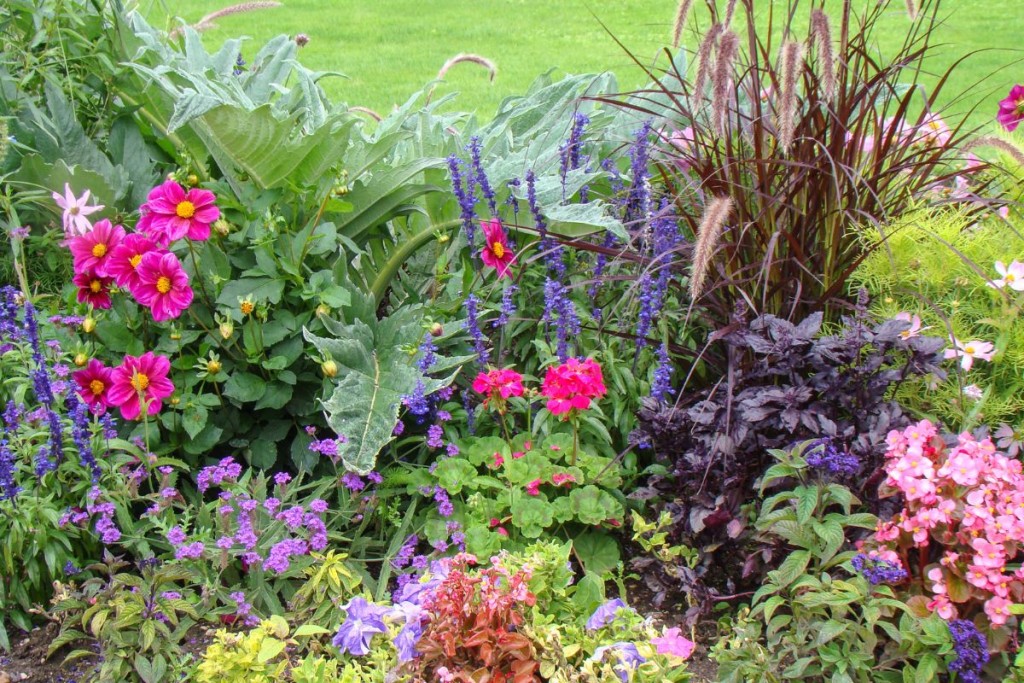
I don’t mind tidying up my flowerbed for winter, but last year the flowers lasted until the end of October and I didn’t have time to do it. I don’t want to get caught out again this year, but all the indications are that there will be as many flowering plants this year as last. I’ve thought about pulling out the plants that bloom so late and limiting myself to summer flowers, but I can’t decide. When can I clean up?

Answer
You don’t have to clean out a flowerbed in autumn: it’s downright harmful to the plants. I’m not sure where the idea comes from that you have to clean out all the plants in the fall, but it’s against nature. The dead stems and leaves of plants help protect them from winter… at least, if you don’t cut them off. Also, it’s in the dead leaves and stems of annuals and perennials that the predators that control insect pests overwinter. By tidying up in autumn, you’re on track to deliver your flowerbed to the “bugs” next year! If you’re going to clean up, do it in the spring, after the snow has melted… and then there’s much, much less to collect, as most of the “waste” will have decomposed over the winter, leaving you with just a few stems left standing that you can then cut back.

Leaving plants in place not only protects your perennials from the cold, but also provides a winter feast for the birds! Many birds like to peck at plant seeds in winter. What’s more, as the organic matter slowly decomposes, it naturally enriches your soil, improving its structure and ability to retain water. The result: more fertile soil, less work for you in spring, and a lawn in top shape without having to add as much compost or fertilizer!
Advantages of Not Tidying Up the Garden in Autumn:
- Natural protection: Dead stems and leaves protect plant roots from the cold.
- Habitat for beneficial insects: Some beneficial insects that control pests overwinter in dead matter.
- Favors pollination: Pollinating insects can also overwinter in dead stems.
- Food for birds: seeds left behind attract birds all winter long.
- Soil improvement: Decomposition enriches the soil with nutrients.
- Labor savings: Less spring cleaning.
- Reduced erosion: Plant debris protects the soil from erosion caused by rain and wind.
- Snow retention: Dead plants help retain snow, which acts as a natural insulating layer.
- Moisture conservation: Plant debris helps retain moisture in the soil.
- Weed reduction: Organic matter covers the soil and limits weed germination.
Larry Hodgson published thousands of articles and 65 books over the course of his career, in both French and English. His son, Mathieu, has made it his mission to make his father’s writings accessible to the public. This text was originally published in Le Soleil on September 18, 2005.