


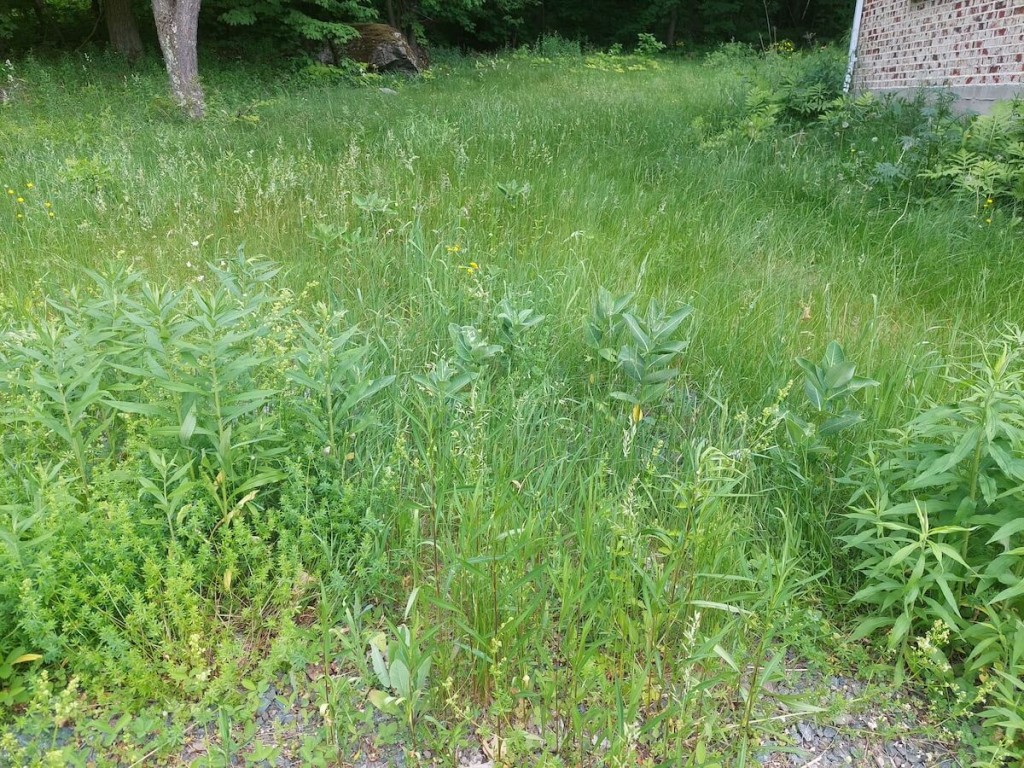
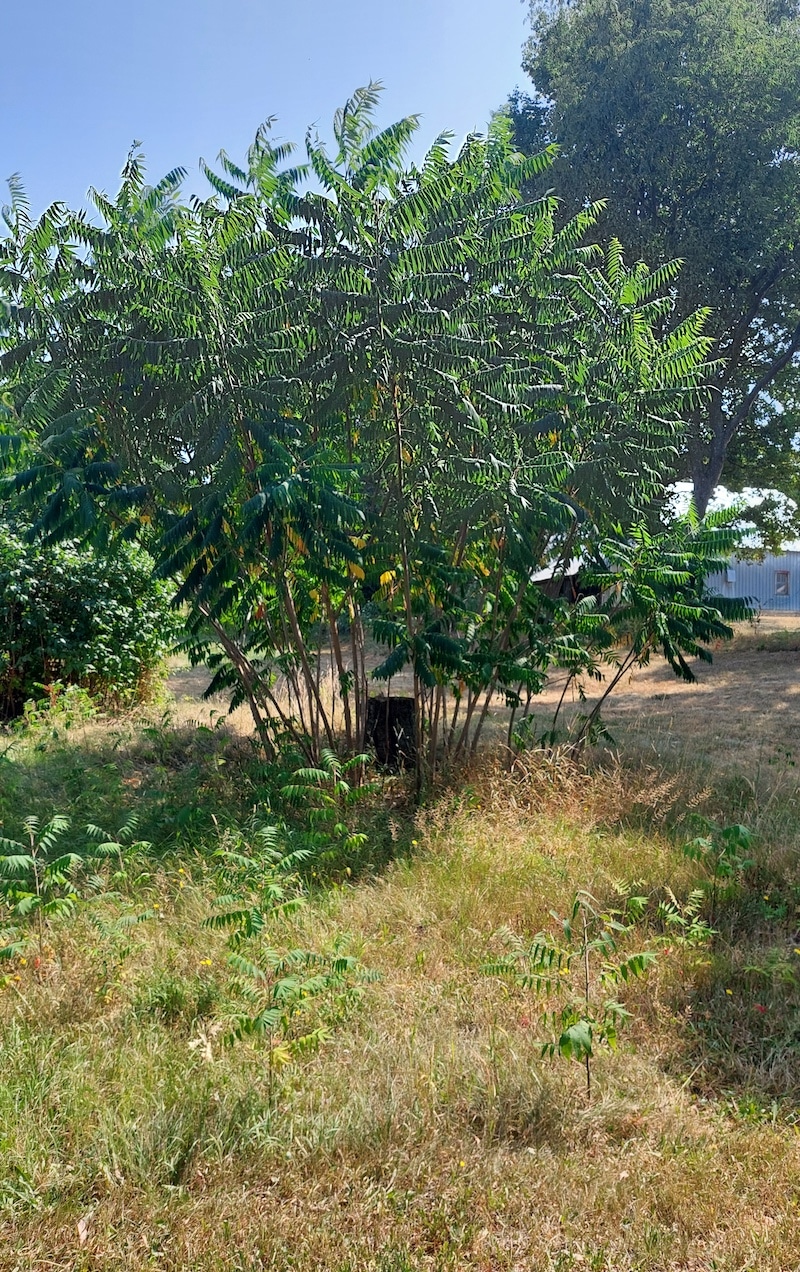
Two years ago, I cut down a diseased fir tree in my yard. This year, I have a grove of sumac in the same spot. I didn’t plant anything, I didn’t do anything. So how on earth did these plants know to grow there?
It turns out that I have a perfect example of something fascinating: ecological succession. Yes, plants do have an order of precedence, and it’s much more organized (and logical!) than you might think.
The Story of the Fir Tree That Turned to Vinegar
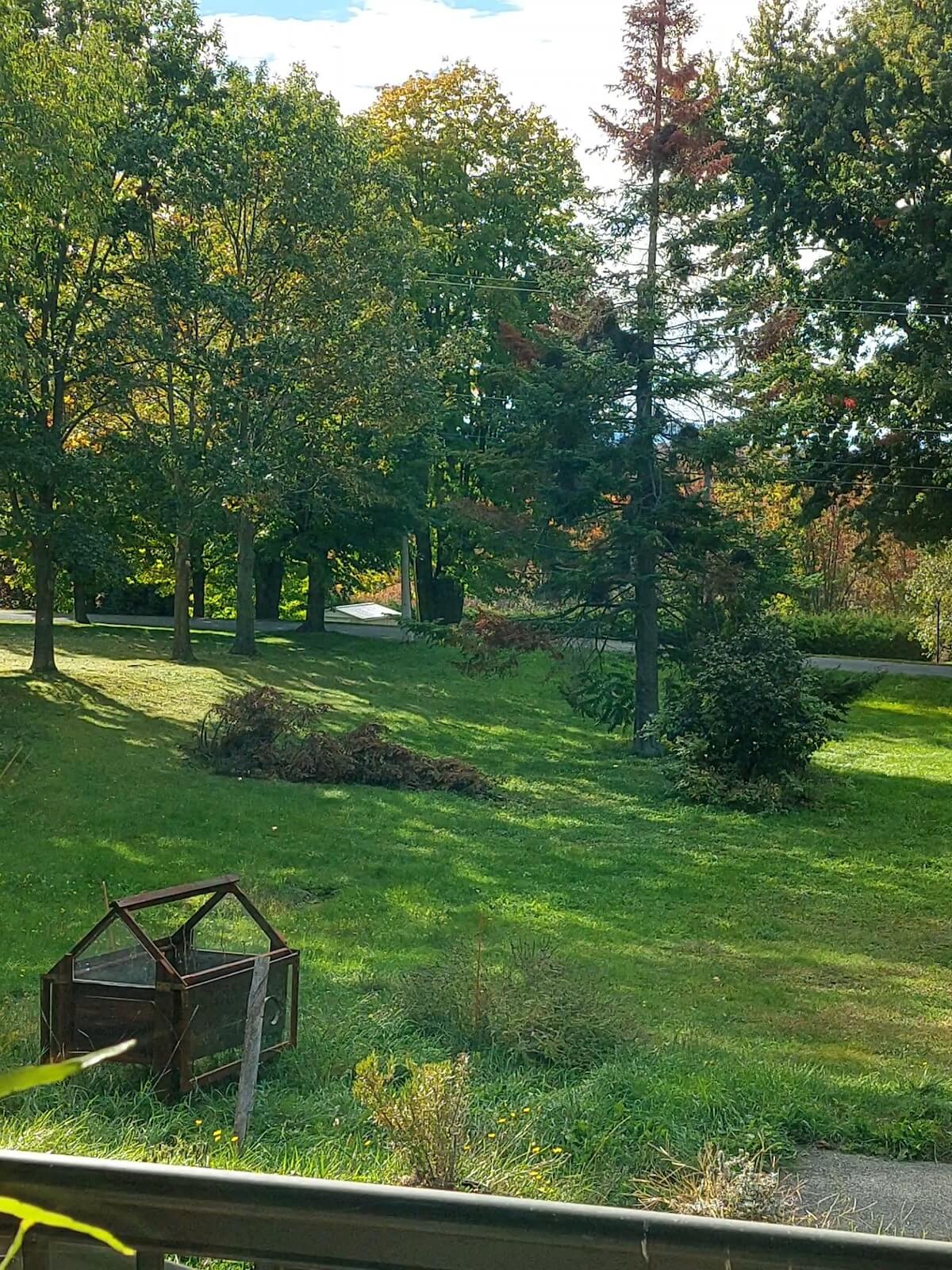
The most striking example is actually my old Christmas tree. That tree was kind of like the king of my yard—tall, majestic, but unfortunately sick and a little too close to the power lines for me to risk leaving it there. When it was cut down, it broke my heart. And then, of course, it left a big hole in my landscape…
But nature had other plans! The following year, all around the stump, BAM! A small grove of sumac trees had sprung up. Not just one or two plants—a real little forest!
We decided to let it all grow, our goal being to have a forest in front of our house. Around the sumacs, other plants began to sprout. Raspberry bushes, small perennials I had never seen before… That’s when I realized that something much more interesting was happening than all my attempts at planting trees!
Ecological Succession, or How a Forest Is Born
Basically, it’s a fancy word for the process by which nature “repairs” land that has been disturbed.
Here’s how it works: when land is left to its own devices (or when we stop trying to control everything), plants arrive in a specific order. It’s like a play where each actor knows when to come on stage.
The First Plants
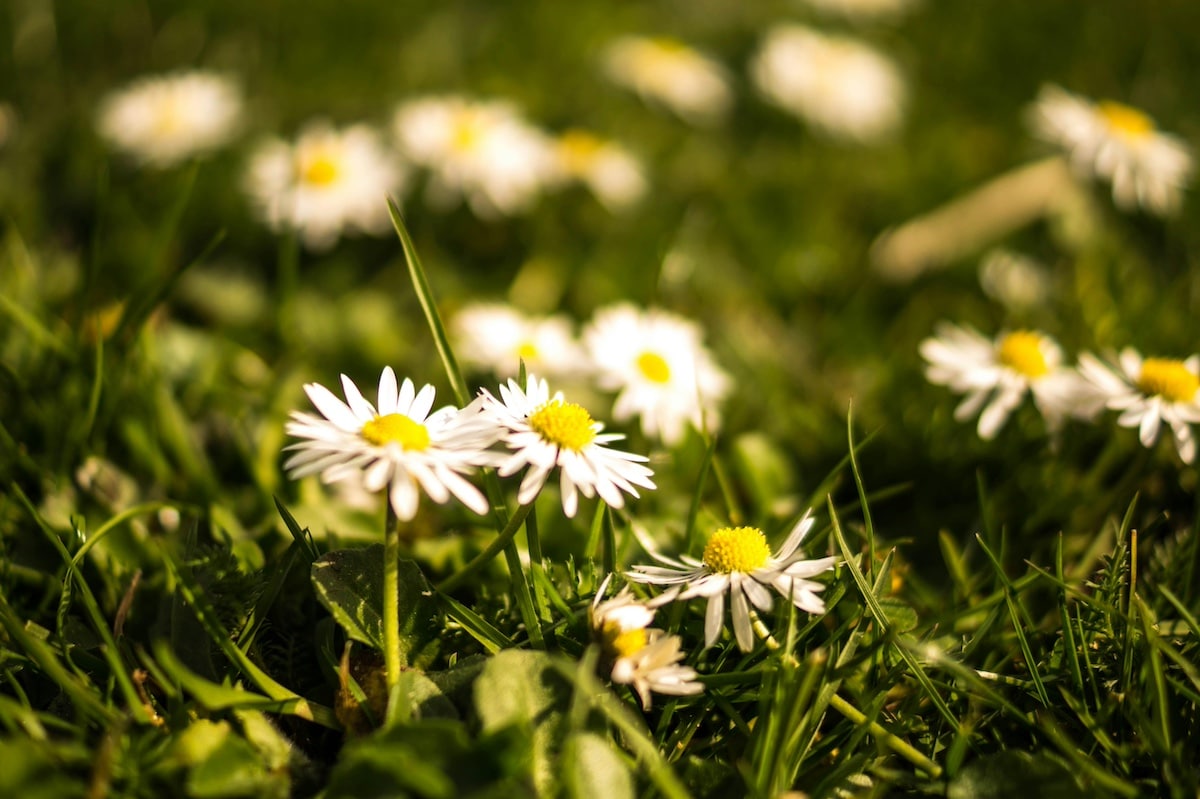
First come the “pioneer” plants—think dandelions, plantains, and clovers. These little herbaceous colonizers are the first to arrive because they have superpowers: they grow fast, produce tons of seeds, and don’t care about having perfect soil. They’re like backpackers who sleep on a rock that’s sort of flat—not picky!
Shrubs
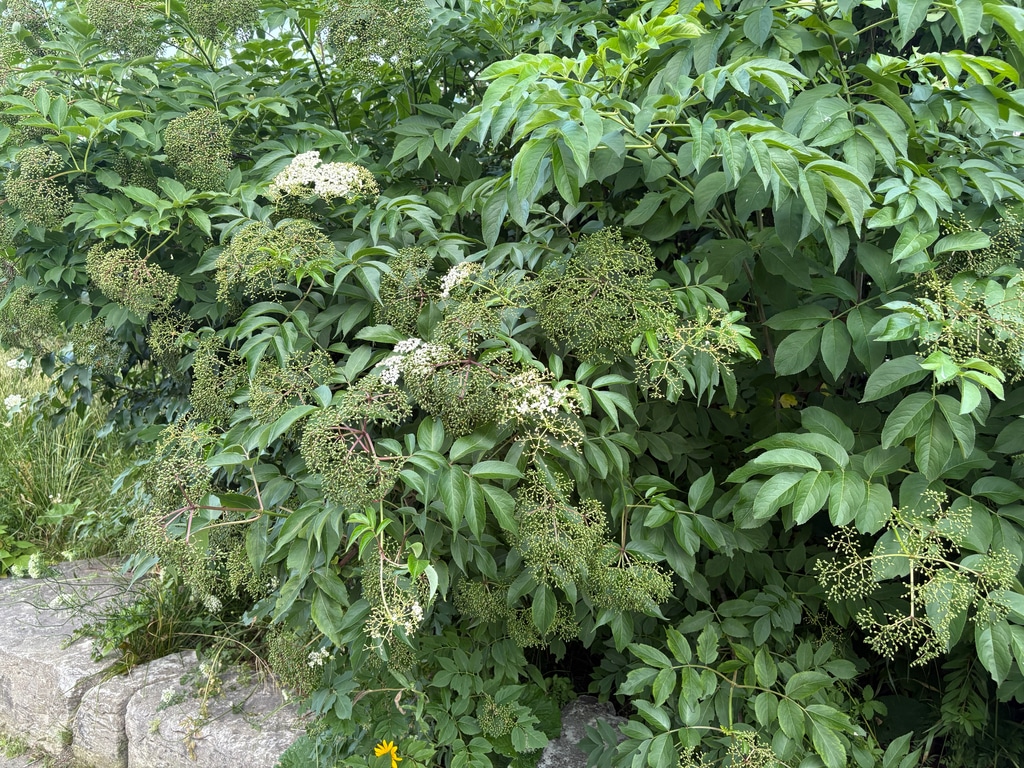
Next come the shrubs—my famous sumac, but also wild raspberry bushes, elderberries, maybe even an apple tree… These start to decorate the landscape a little more; they’re less subtle. They create shade, enrich the soil with their fallen leaves, and, in short, make the place more welcoming for plants that are a little more selective. They’re like campers with tents and air mattresses. It’s not exactly luxurious, but it’s enough to keep these plants happy.
Trees
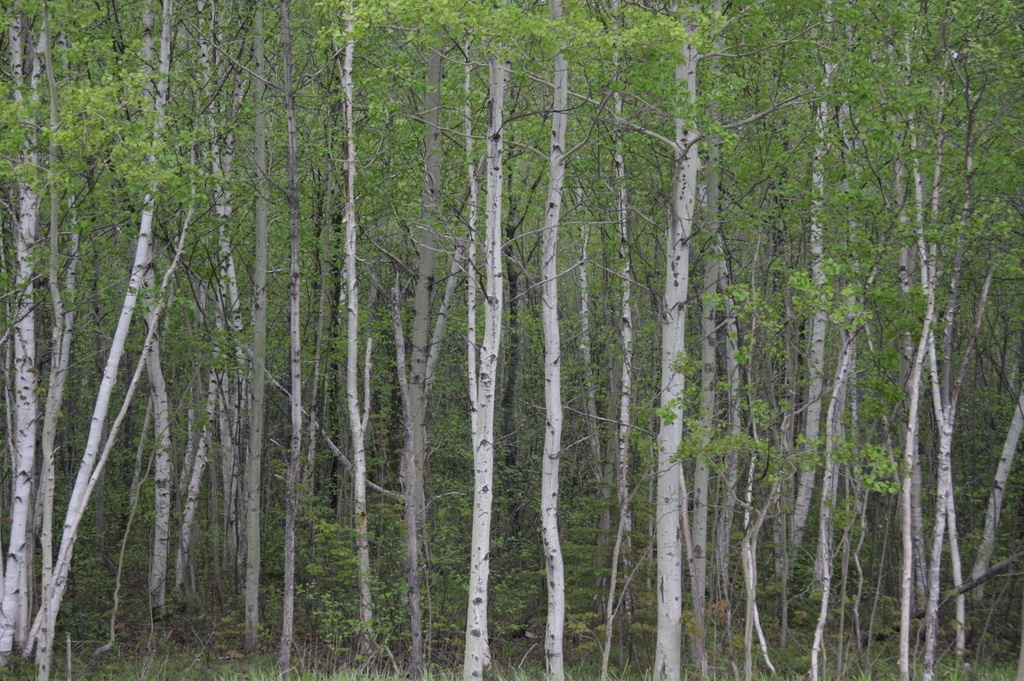
Finally, if you wait long enough (we’re talking decades here, not next season!), real trees will grow and create a “real” forest. Poplars, birches, maples, and spruces, depending on the region. These trees need good soil, adequate moisture, and lots of microorganisms… In short, we have campers in large trailers with full bathrooms and cozy beds.
And…
There’s even a category after that! Some trees and undergrowth plants won’t even hear the word “camping”—they want a five-star lodge or nothing! These old-growth forest plants with high needs and demands include beeches, hickories, wild garlic, trilliums, and more. I’ll probably be retired before I see them in my own garden!

Weeds at Work
Now let’s talk about my favorite little workers—those famous “weeds” that actually do an extraordinary job of preparing the ground for the plants that will follow in the succession queue.
Dandelion
Take dandelions (Taraxacum officinale agg.), for example—that little “pest” that everyone tries to get rid of. One plant can produce 2,000 seeds, and its roots can grow 25 centimeters (10 inches) deep. But it’s not just there to annoy gardeners! Those deep roots bring nutrients up from the subsoil and make them available at the surface when the plant dies. It’s like a mineral elevator for future plants.
Plantain
Plantain (Plantago spp.), the champion of difficult terrain, does even better. This plant, which grows in cracks in sidewalks, survives the most intense trampling while loosening the soil with its roots. It literally softens the ground so that other plants with more delicate roots can settle in after it.
Clover
And clover! It works with bacteria in its roots to produce its own nitrogen fertilizer. But the genius is that it leaves this nitrogen in the soil when it dies—a gift for the shrubs that come next…
And let’s not forget the bacteria and fungi that are “employed” for decomposition and will, in turn, remain active agents in this regenerating soil!
Okay, I know some of you are thinking, “Audrey and her lawn…” But that’s the beauty of succession—each plant works to prepare for the arrival of the next.
These first arrivals have the hardest job, but each plant will have its role to play during the forest’s years of development: refreshing the soil with its foliage, attracting animals with its fruit (manure isn’t just for tomatoes!), creating a retention net in the soil with its roots to give it good cohesion, etc.
Watching My Land Evolve: Pure Pleasure
Do you have any spots where it’s hard to grow anything? Let nature take its course: pioneer plants will take root and prepare the ground for you. After a season or two, these areas should have regenerated and show signs of life. Plus, you’ll be amazed at what magically appears!
Take my lone lilac in the middle of the lawn—every year, I give it a wider berth with the mower. “There are some pretty little shoots here, it would be a shame to mow them.” The result? My circle of nature around the lilac grows every year, and new plants mysteriously appear around it. Bonus point: a red raspberry bush attracts ALL the Japanese beetles, and since it’s far enough away from the garden, I’ve never had a problem with them. It’s a 100% effective trap plant… and completely unintentional!
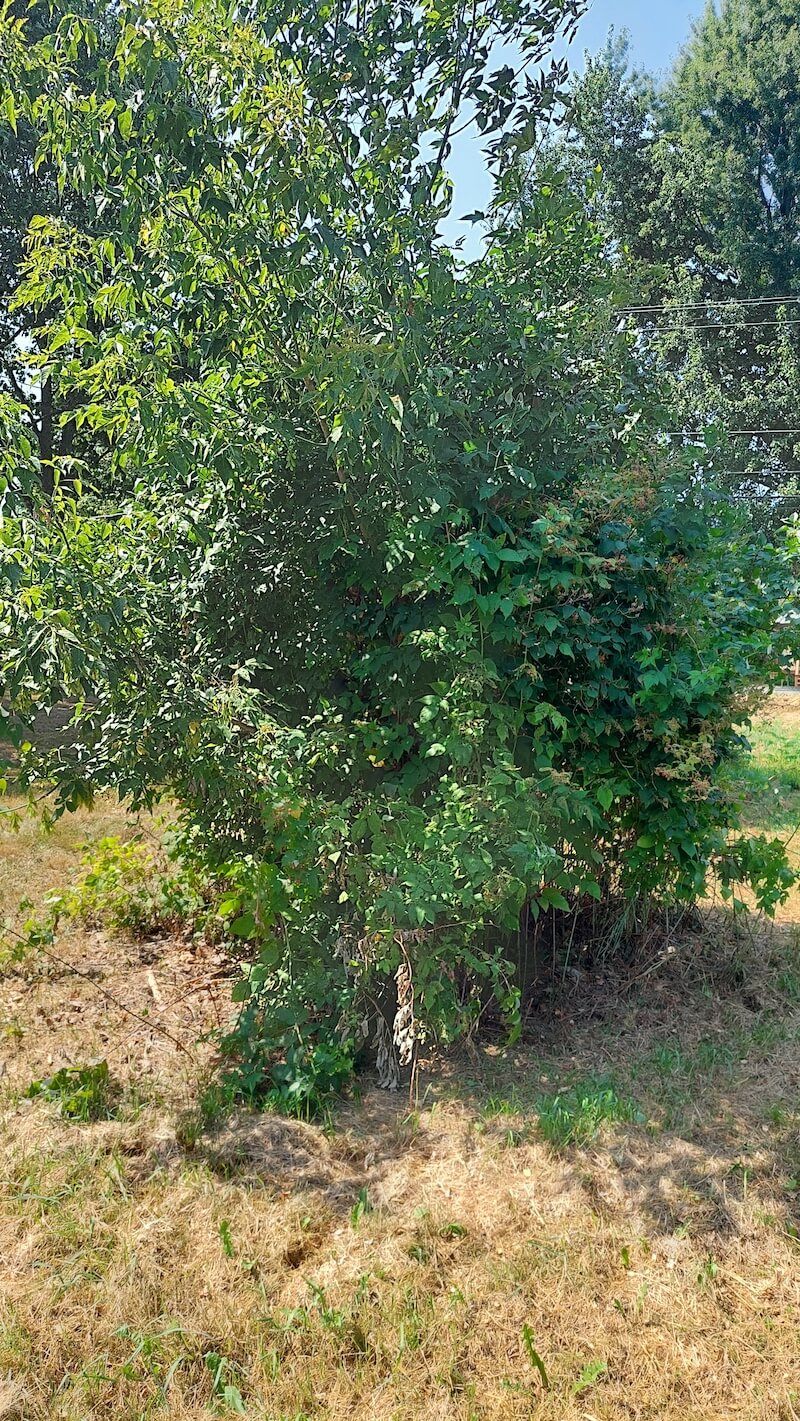
Have you ever looked at the edge of a forest? It’s the same thing: the trees at the edge of the grove are the least demanding, like poplars, then there’s a line of shrubs, then wilderness. Not only is there a succession in time, but also in space.
How to Collaborate With This Succession (Instead of Fighting Against It)
First, stop panicking when you see new plants sprouting up. The key is to observe first: is it a native plant that is part of the natural process, or is it an invasive exotic species? (Because yes, there is a difference!)
Second, it’s a good idea to create designated “succession zones.” These are areas where you consciously let nature do its work, and they don’t look like neglect. By leaving just one unmowed area, you can call it landscaping, and it goes over better with the neighbors.
Third, when I plant, I try to respect the natural stages. Instead of planting a maple tree in bare ground and expecting it to grow like it does in the catalog, I start by letting pioneer plants prepare the soil: it takes less energy and money than preparing it myself!

Well, I have to admit that the hardest part of all this is patience. Ecological succession takes time. A lot of time. We’re talking years, not seasons!
But on the other hand, once you accept that pace, it’s liberating. You no longer need to control everything or fight against nature. You can just observe, guide a little when necessary, and marvel at the scale of the whole process.
The Revelation of the Laidback Gardener
My natural succession areas are now among my favorites. They are constantly changing, attract incredible wildlife, and surprise me every season with new discoveries.
The next time you see a “weed” taking root in your lawn, ask yourself: is it really an enemy, or a collaborator you haven’t gotten to know yet? There are no weeds; only plants growing in the wrong place!
Tell me in the comments: have you ever observed this natural succession in your home? And most importantly, do you have any stories of “weeds” that turned out to be valuable allies?