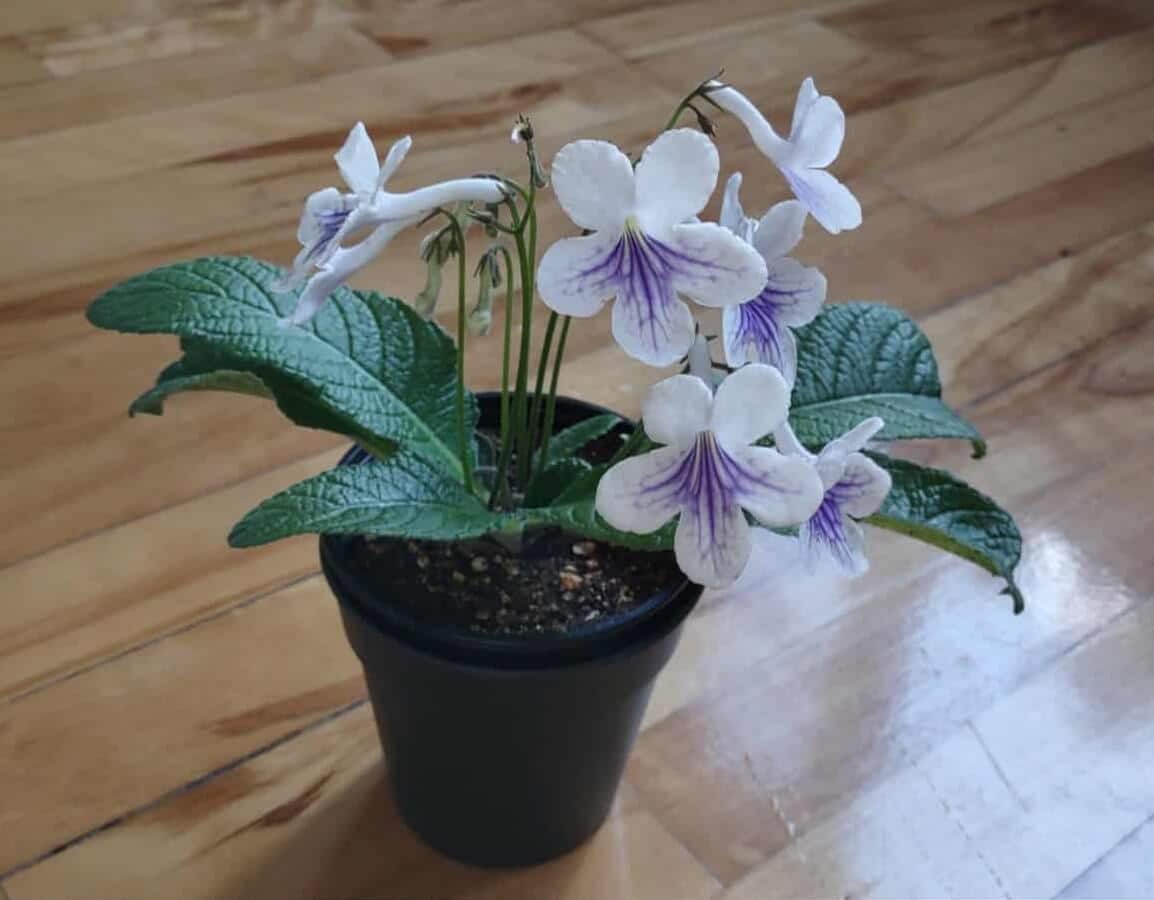
Like everything else, the world of indoor plants is subject to changing trends. Certain cultivars (and sometimes certain plants or even certain plant families) become must-haves, only to fall into oblivion. Such is the case with today’s plant, Streptocarpus, whose popularity I suspect dates back a few decades. Until recently, I had never seen it in garden centres locally. I admit that I snubbed the pretty Cape primrose for a long time, never giving it a second glance, even when popular Gesneriaceae exhibitions devoted a small table in the shade to it. However, in the spring of 2025, I decided to give it a chance… and my pretty S. ‘Ladyslippers Blue Ice’ quickly rose to the top 10 of my indoor plants, so much so that I almost decided to start a collection!
Origin
Streptocarpus grown indoors are complex hybrids of horticultural origin, derived from various South African species. Also known as Cape Primrose, this small plant from the Gesneriaceae family is the forgotten sister of African violets and shares many similarities with them, particularly in terms of shape and cultivation.
This resemblance is not insignificant: recent DNA studies on the famous African violets, formerly Saintpaulia ionantha, have shown that these household staples are not a separate species, but a subspecies of streptocarpus. Their new name reflects this: Streptocarpus ionanthus, subgenus Saintpaulia. For more information, read The African Violet Changes Its Name.
Obviously, today’s article will not deal with African violets (the subject would be far too broad with that of streptocarps!). We will “only” discuss the two other subgenera of streptocarps: Streptocarpus subgenus Streptocarpus and Streptocarpus subgenus Streptocarpella.
Apart from African violets and Cape violets, other plants in the Gesneriaceae family are also well suited to indoor cultivation. They are often recognized by their tubular flowers with five petals. The main ones are Aeschynanthus sp., Columnea sp., Nematanthus sp., Kohleria sp., Episcia sp., and Primulina sp.
Description
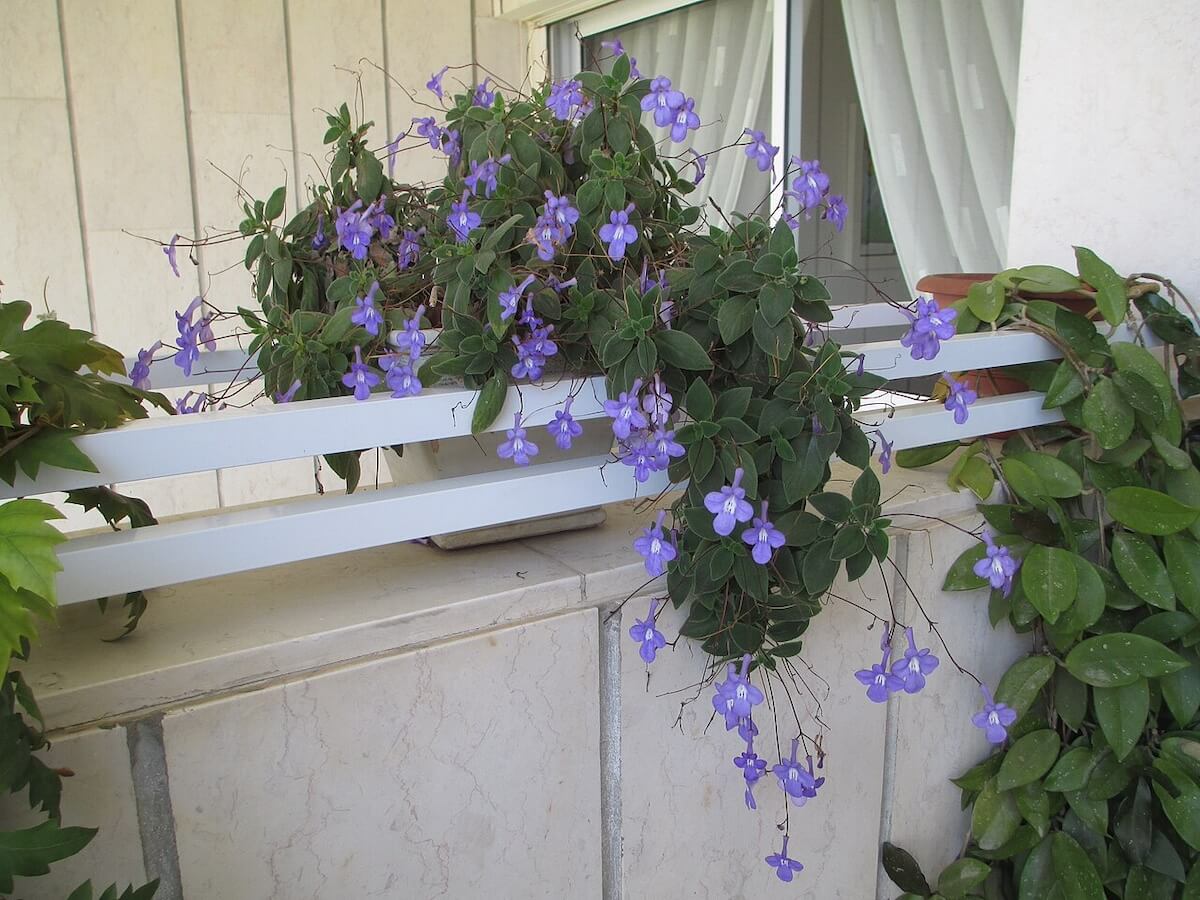
It is easy to distinguish Streptocarpus species of the Streptocarpus subgenus from those of the Streptocarpella subgenus. Only species of the Streptocarpella subgenus produce stems, which are usually arched but sometimes erect or drooping. These stems bear elliptical, downy, rather thick leaves that are medium to pale green in color. Abundantly adorned with flowers at the ends of slender peduncles, S. subgenus Streptocarpella is usually presented in hanging baskets, allowing its mauve or white flowers to be admired.
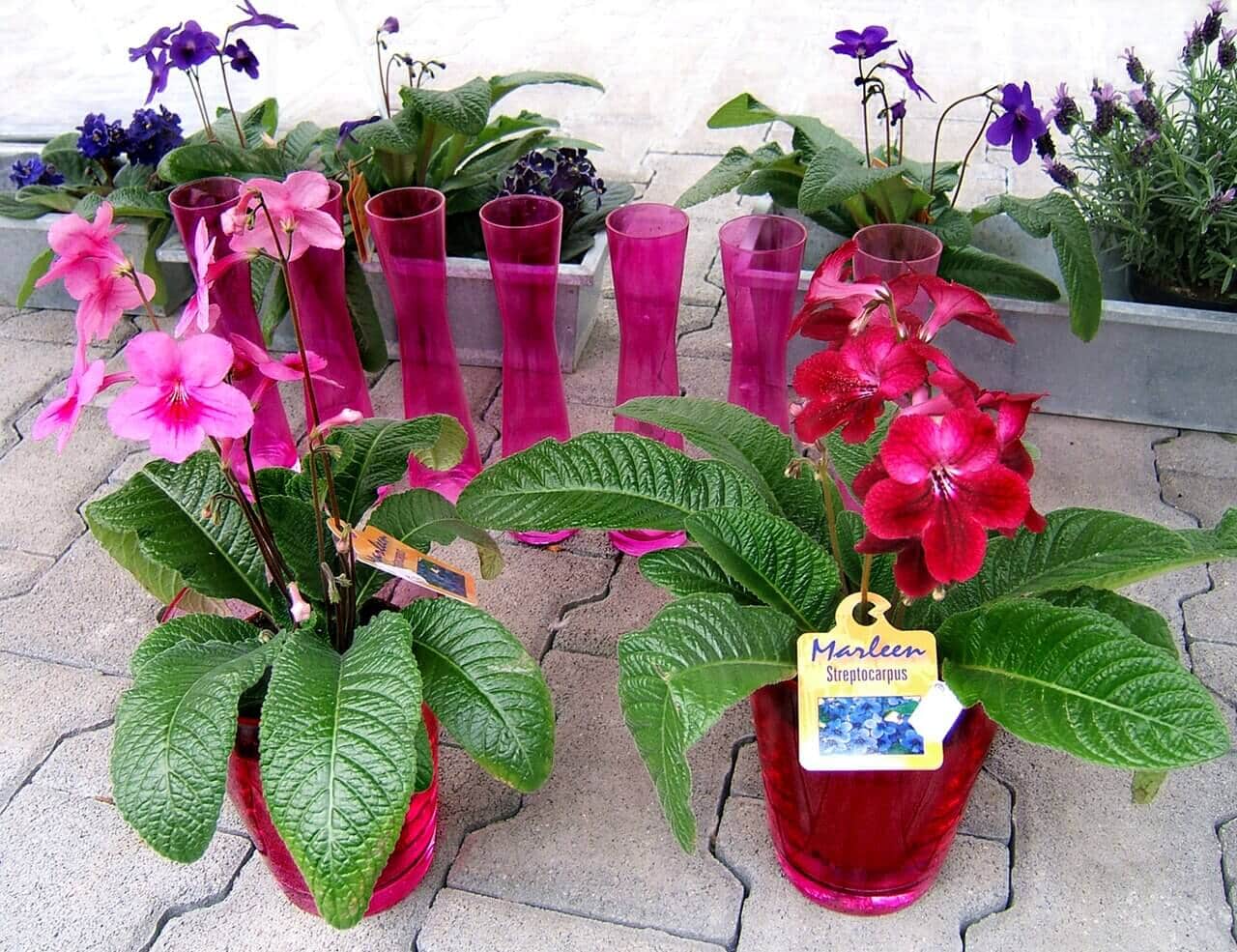
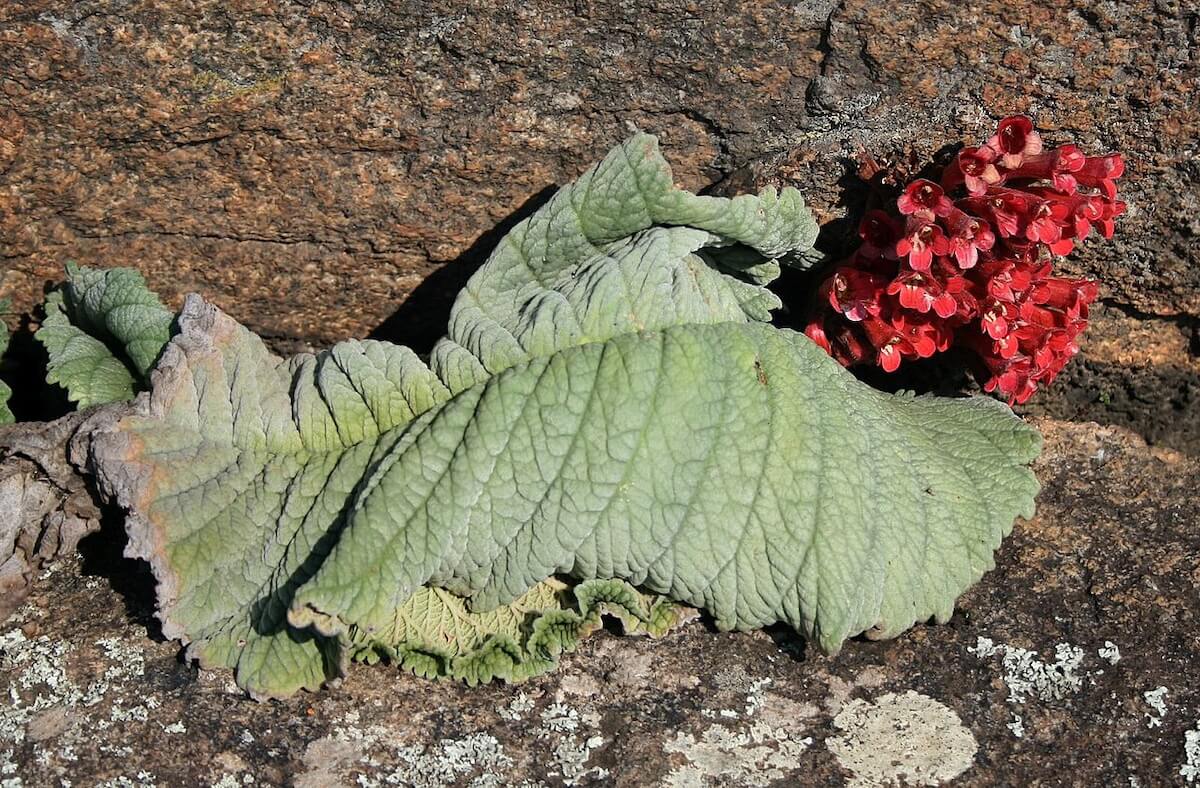
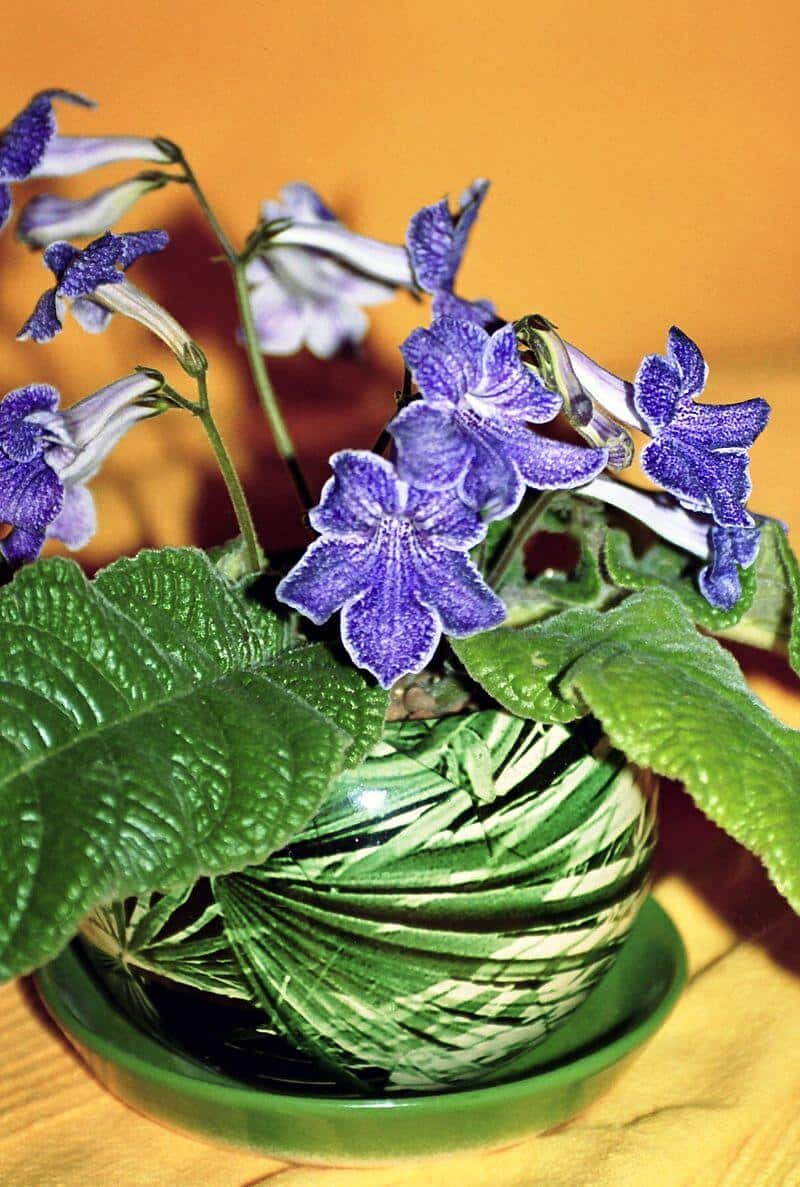
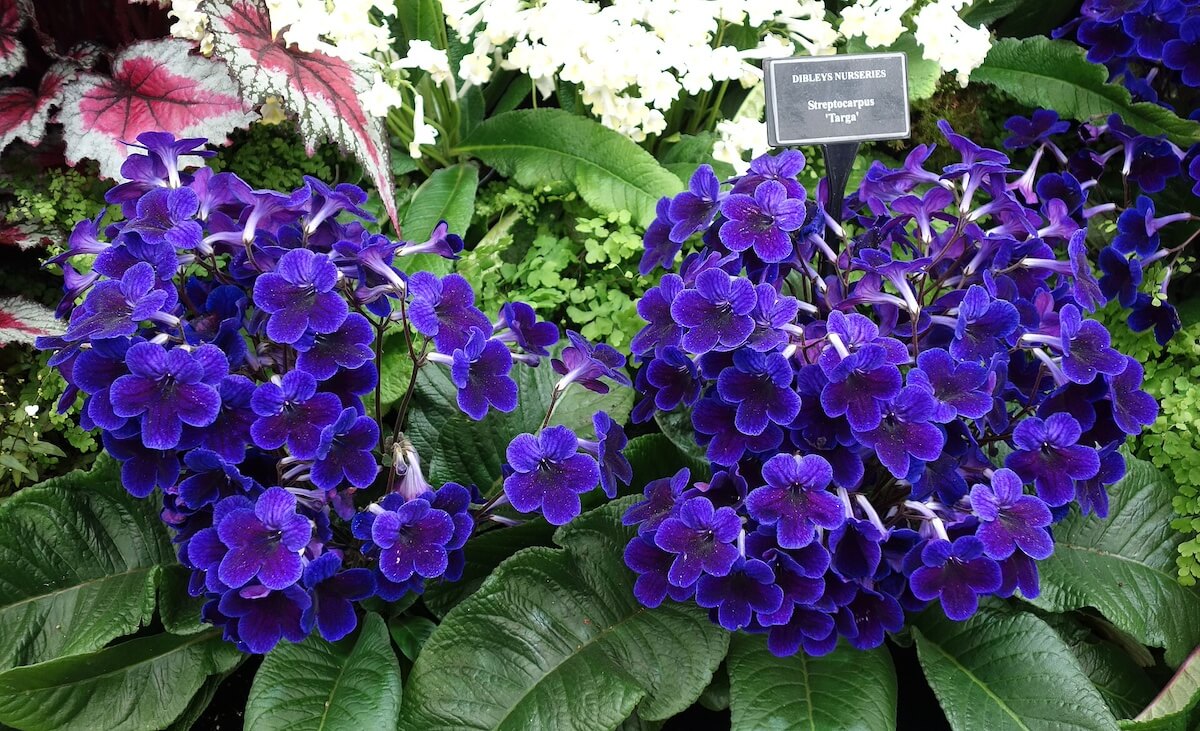
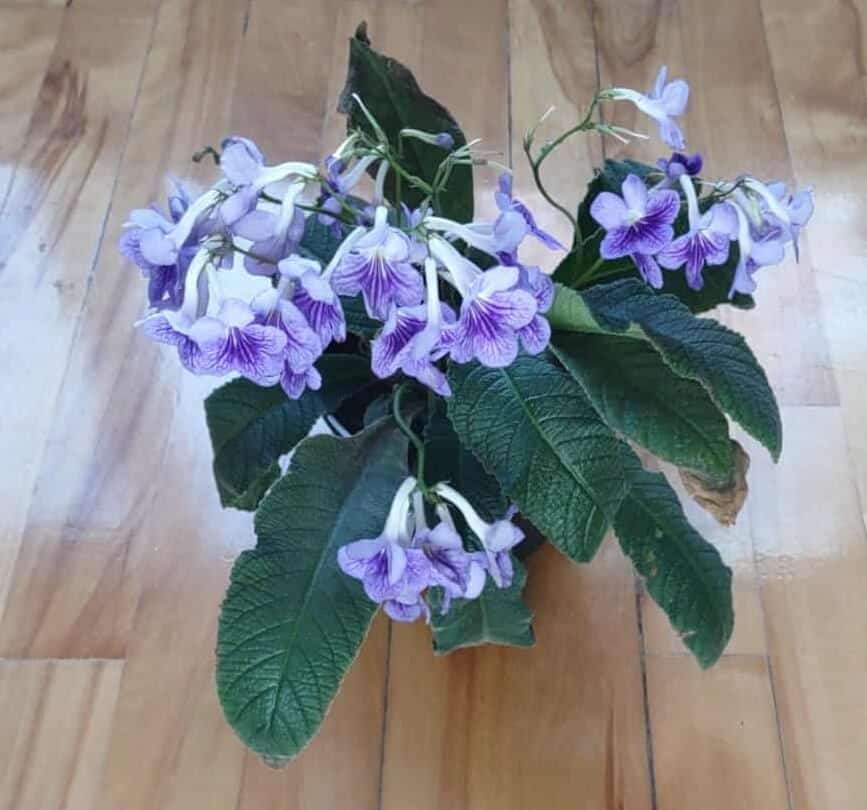
For its part, S. subgenus Streptocarpus is an acaulescent plant, meaning that it does not produce any stems. Its wavy, ribbon-like leaves emerge directly from the ground and arch gracefully. While some species produce only a single leaf throughout their entire life, most eventually form a rosette of leaves. The trumpet-shaped flowers appear at the end of a stem grouping together approximately one to five individuals, and come in a variety of colors: mauve, purple, red, pink, or white. It is obviously the flowers that are the main attraction of the plant, but fortunately, streptocarpus blooms particularly profusely.
Roots and Seeds
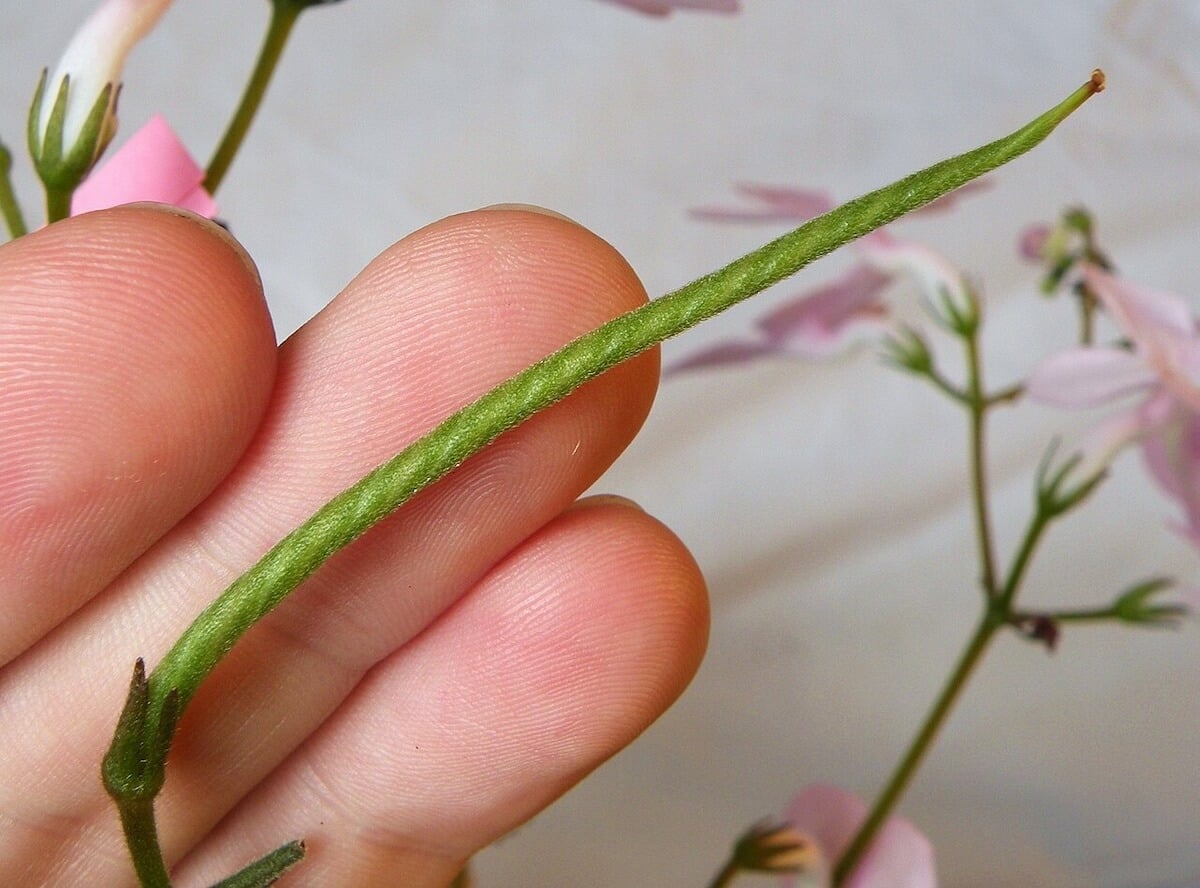
The root system of Streptocarpus, like that of many other Gesneriaceae, is not particularly well developed: in nature, the roots attach themselves to rocks or in crevices. Fragile, they form a small, dense mat. It is rare for streptocarps to produce seeds indoors. When they do appear, they are at the end of elongated capsules containing a few hundred tiny brown or green seeds. These seeds are viable and can be used to grow Streptocarpus.
Varieties
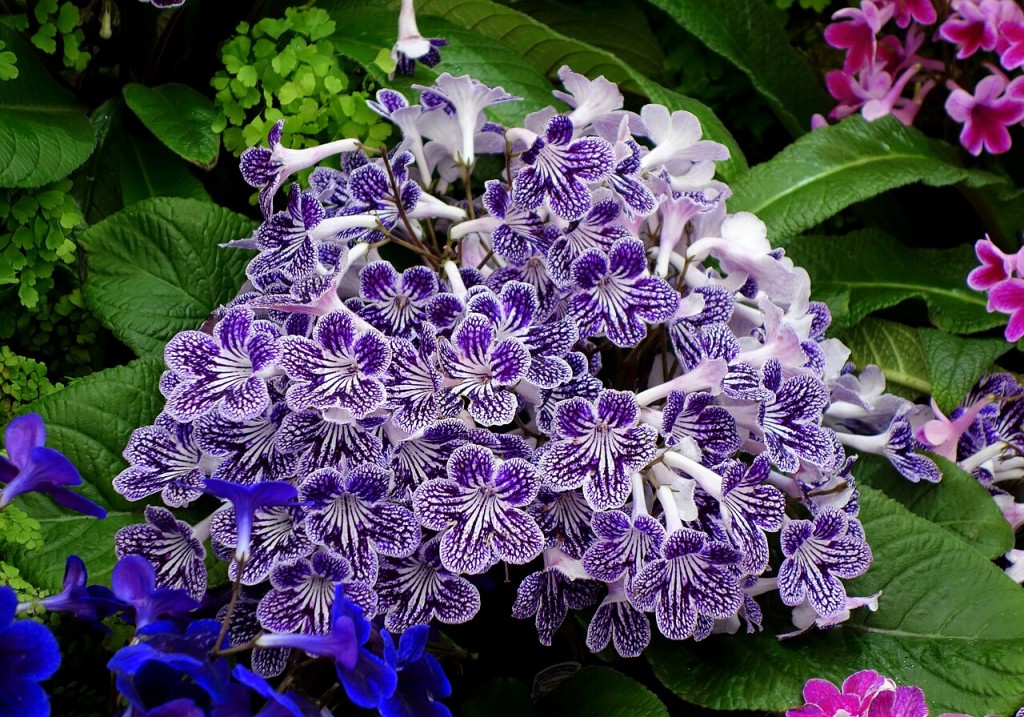
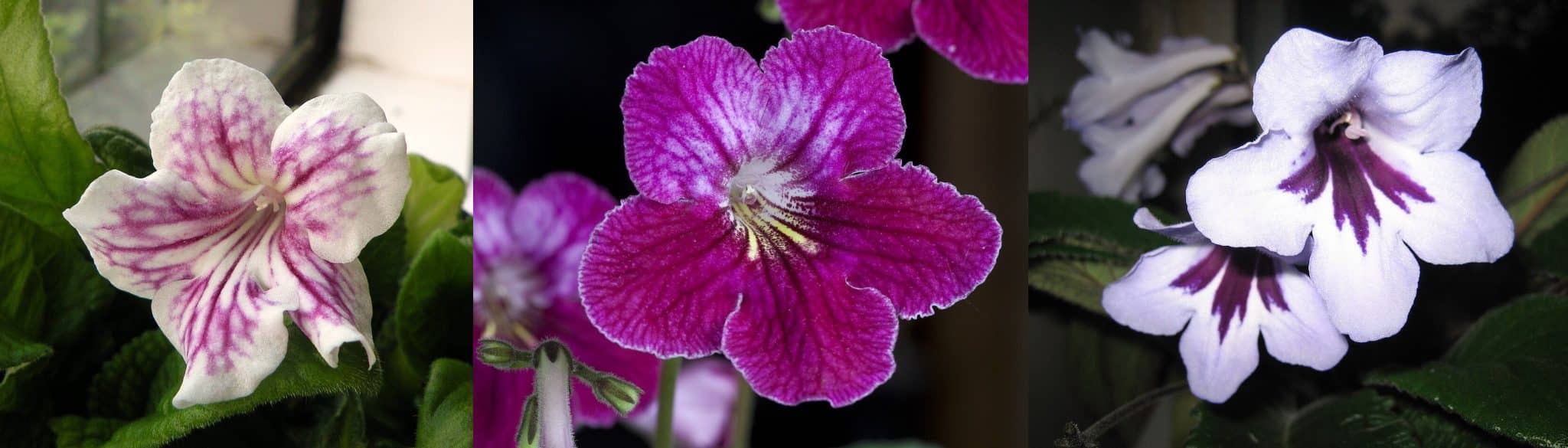
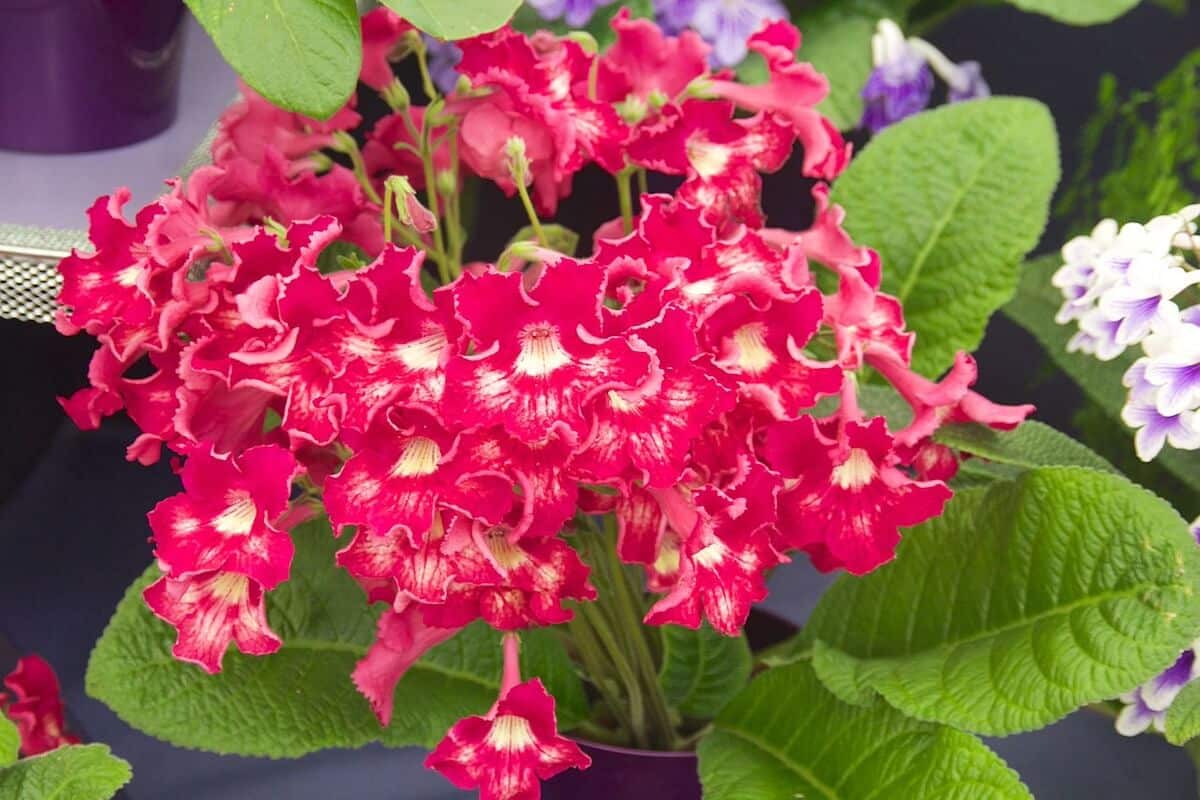
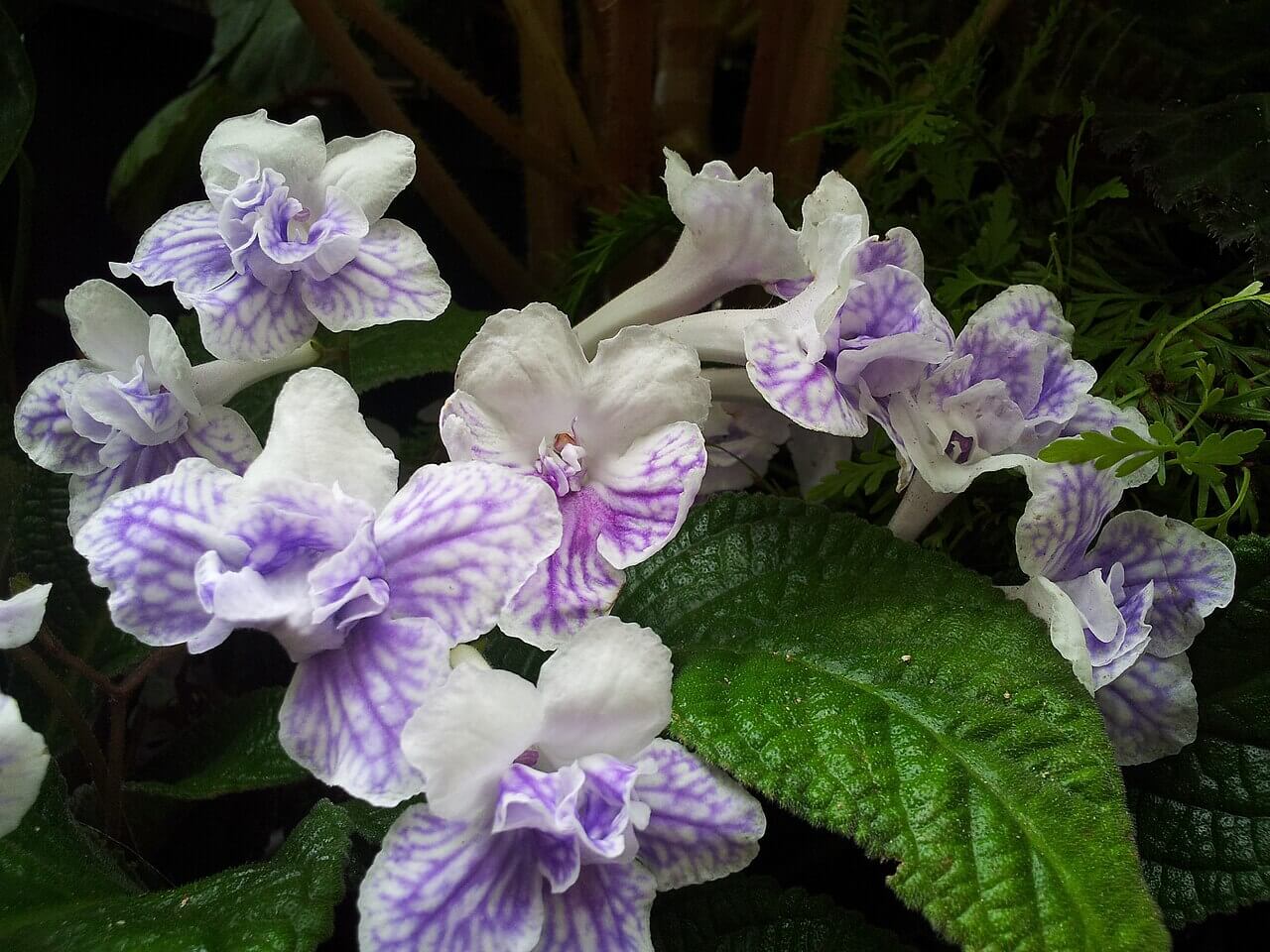
Most cultivated varieties are complex hybrids whose precise names and parentage have been lost over time, leaving room for some imagination. The Streptocarpus subgenus is very generous in terms of variation, so much so that there are flowers to suit almost every taste: single or two-colored, with a darker or paler eye, striped or plain… The five petals can also be hemmed or wavy, and the size of the flowers varies. As a general rule, the larger the flowers, the fewer there are, unlike plants with small flowers that can produce several flower stalks with up to five trumpets over the course of several days.
On the other hand, the foliage does not vary greatly and variegated species are rarely seen (although they do exist). This is quite normal: producing endless flowers costs the plant a lot of energy, and variegated foliage hinders photosynthesis. Variegated species are therefore always less floriferous, whereas it is the flowers that are the main interest in cultivating this species.
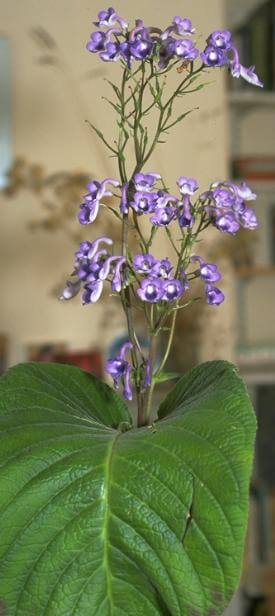
As for the Streptocarpella subgenus, it is mainly Streptocarpus saxorum, found as such in the wild, that is cultivated indoors. Its leaves are rather small and semi-succulent, and together with its drooping stems, they form a particularly dense cascade of vegetation. The plant produces abundant flower stalks topped with a single purple flower.
Hybrids
The other S. subgenus Streptocarpella are hybrids selected for their generous flowering or for attempting to get closer and closer to blue. Although none are truly blue at present, the names of the cultivars do not shy away from reflecting this goal: ‘Concord Blue’, ‘Blueberry Creme’, etc.
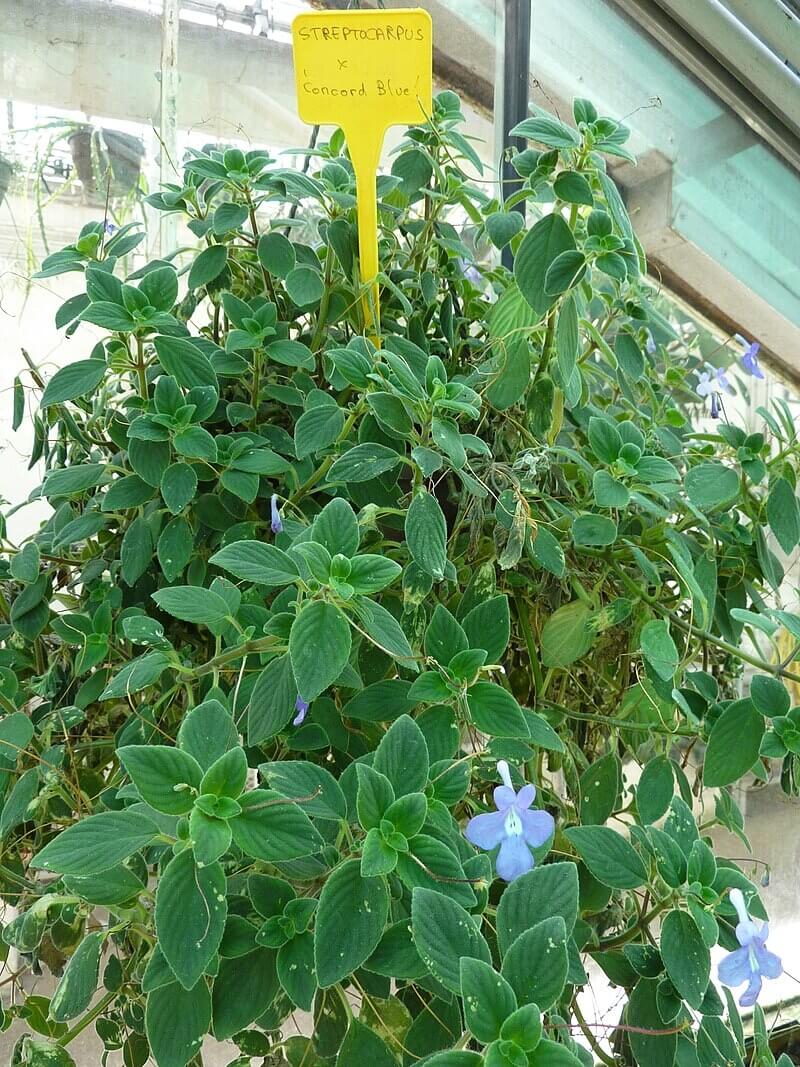
The same is true for the Streptocarpus subgenus: despite numerous attempts, even species such as ‘Ladyslippers Blue Ice’ or ‘Dale’s Baby Bluebirds’ tend to be more purple or mauve in color. Larry Hodgson would no doubt agree with me in contradicting horticultural books that suggest the existence of blue-flowered Streptocarpus.
Growing Tips


Light
While some people suggest keeping streptocarpus away from direct sunlight, this has not been my experience at all. It is best to keep it in maximum light, protecting the plant only from the scorching rays when the sun is at its summer zenith. The Streptocarpus subgenus tolerates bright light without direct rays better than Streptocarpella, which requires intense light at all times.

Watering
Watering Cape primroses is a little tricky. To prevent root rot, allow the soil to dry out slightly on the surface. However, streptocarpus plants do not tolerate drought well, and although they recover quickly when their leaves begin to fall, it is best to water them quickly and regularly.
Be careful not to let water run into the center of the rosette, as this can damage the plant: slow watering or watering by basin is preferable. Water splashing on the foliage can also leave spots which, while not harmful to the plant, are detrimental to its appearance.

Atmospheric Humidity
Streptocarpus tolerate the humidity found in our homes well, but they prefer a humid atmosphere. Dry air, especially in winter, can damage the foliage and cause the tips to dry out.

Soil and Potting
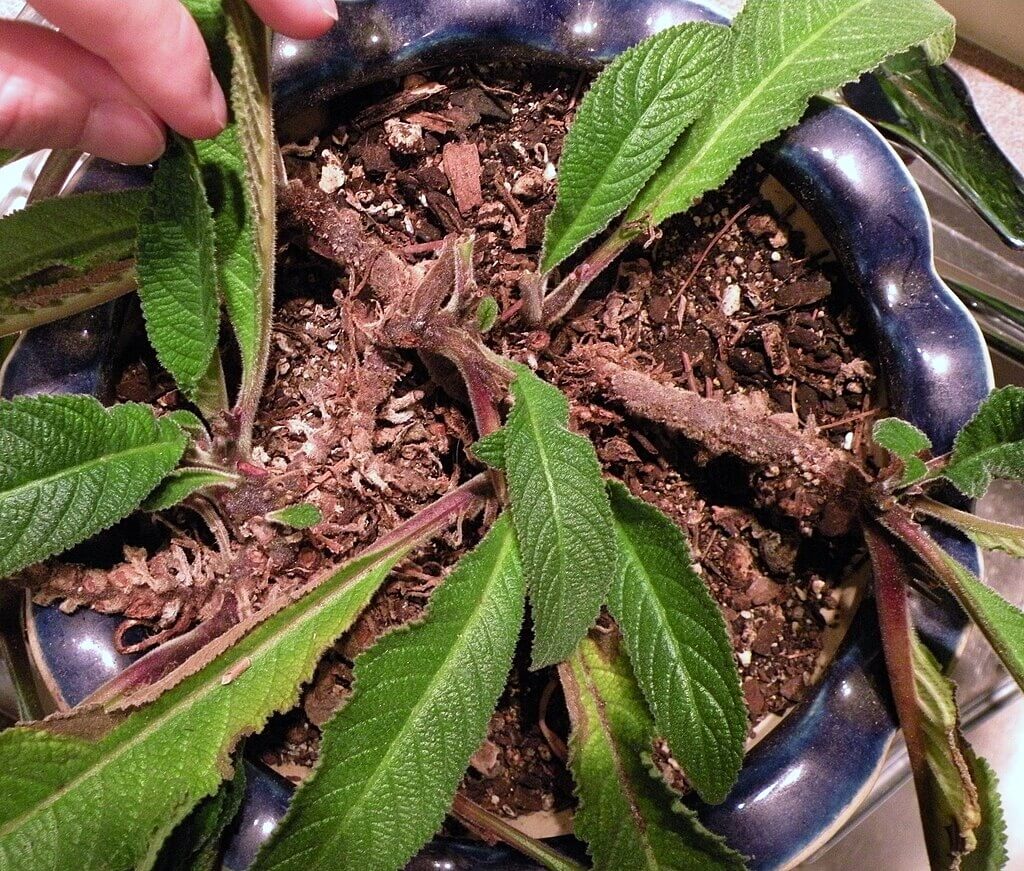
Unlike African violets, streptocarps do not need the special acidic potting mix designed for them. A traditional potting mix will do, especially if it is light enough to suit their delicate root system.
They grow best in confined spaces, and it is preferable to use containers that are wider than they are deep. As a general rule, however, streptocarpus never become very large plants (especially rosette varieties). Repotting is sometimes necessary for young plants, but rarely thereafter.
Colin’s Advice
Although it is not strictly necessary to use soil specially designed for African violets, it is still the soil I use for streptocarpus. Its lightness is perfect for its delicate root system. If you have bought a bag of potting soil for your single African violet (like me) and don’t know what to do with the rest, feel free to use it for its sister too.

Fertilizing
They can be fertilized at half the recommended dose during the growing season.

Temperature
Streptocarps are houseplants that prefer stable and consistent conditions! They are one of the few plants that do not necessarily want to be taken outside during the summer, as they prefer temperatures below 24°C (75°F). Temperatures must remain above 13°C (55°F), and the plants do not particularly benefit from a cooler rest period.
These distinctions do not apply to the Streptocarpella subgenus, which enjoys a summer in the sun and can tolerate hot temperatures, as well as temperatures as cold as 10°C (10°F), but it doesn’t like them either!.

Maintenance
All streptocarpus plants are undemanding. Stem plants require very traditional indoor plant care, i.e., frequent pruning to control their abundant growth and stimulate stem branching, which makes the plant more attractive.
This is not the case for rosette (or single-leaf) plants: they require no care to grow. On the contrary, the leaves are rather fragile and care must be taken not to handle them too roughly. However, I have noticed that because they flower so profusely, some maintenance is required: remove wilted flowers and cut the flower stems close to the ground (as they will no longer produce flowers).
Streptocarpus Delight
Maybe it’s just me, but I don’t find it unpleasant at all to remove wilted flowers, since it’s a sign that there were flowers in the first place. That would be like complaining on a full stomach! “My plant produces so many flowers for so many months that I always have to pick them. Whew, it’s so hard!” To tell the truth, every time I cut a finished flower stalk, I congratulate my little streptocarpus on a job well done.

Propagating
Once again, it is important to distinguish between the Streptocarpus and Streptocarpella subgenera. Stem plants, which ultimately behave very similarly to more traditional houseplants, are propagated simply by stem cuttings. These cuttings can be placed in water to observe root development or directly in potting soil to produce stronger cuttings.
As for rosette plants, they can be propagated by leaf cuttings or division (which is a little more complicated, but can be useful for plants that have become too large). Since their sister S. subgenus Saintpaulia can be propagated in all these ways, the various propagation methods are presented in the section of the same name in this article.

Problems
- Drooping leaves mean that the plant needs watering, unless the soil is very damp. Be careful to water soil that has become hydrophobic because it is too dry. As a general rule, streptocarpus should never be allowed to become so dry.
- If the leaves are drooping but the soil is moist, the plant may have been overwatered and the roots may have rotted. It is then time to take cuttings and cross your fingers. Watering in the center of the rosette can also lead to rot.
- Splashes of water that is too cold can cause leaf spots that are difficult to remove without damaging the plant. So focus on admiring the flowers rather than obsessing over a few spots on the leaves!
- The leaves of plants that have been thirsty may start to dry out. You can cut off the dead parts or repeat the advice above. It is almost inevitable that streptocarpus will develop small marks of dryness over time.
Insects
Almost all insects can bother streptocarpus: soil scale insects, mealybugs, or shield scale insects, thrips, and spider mites (the usual suspects), but also more exotic ones such as cyclamen moths, whiteflies, and aphids. Although streptocarpus are not particularly targeted compared to other plants, they are still not immune to harmful visitors, so keep your eyes peeled!

Toxicity
Cape primroses are not toxic to humans or pets.
Buying Tips
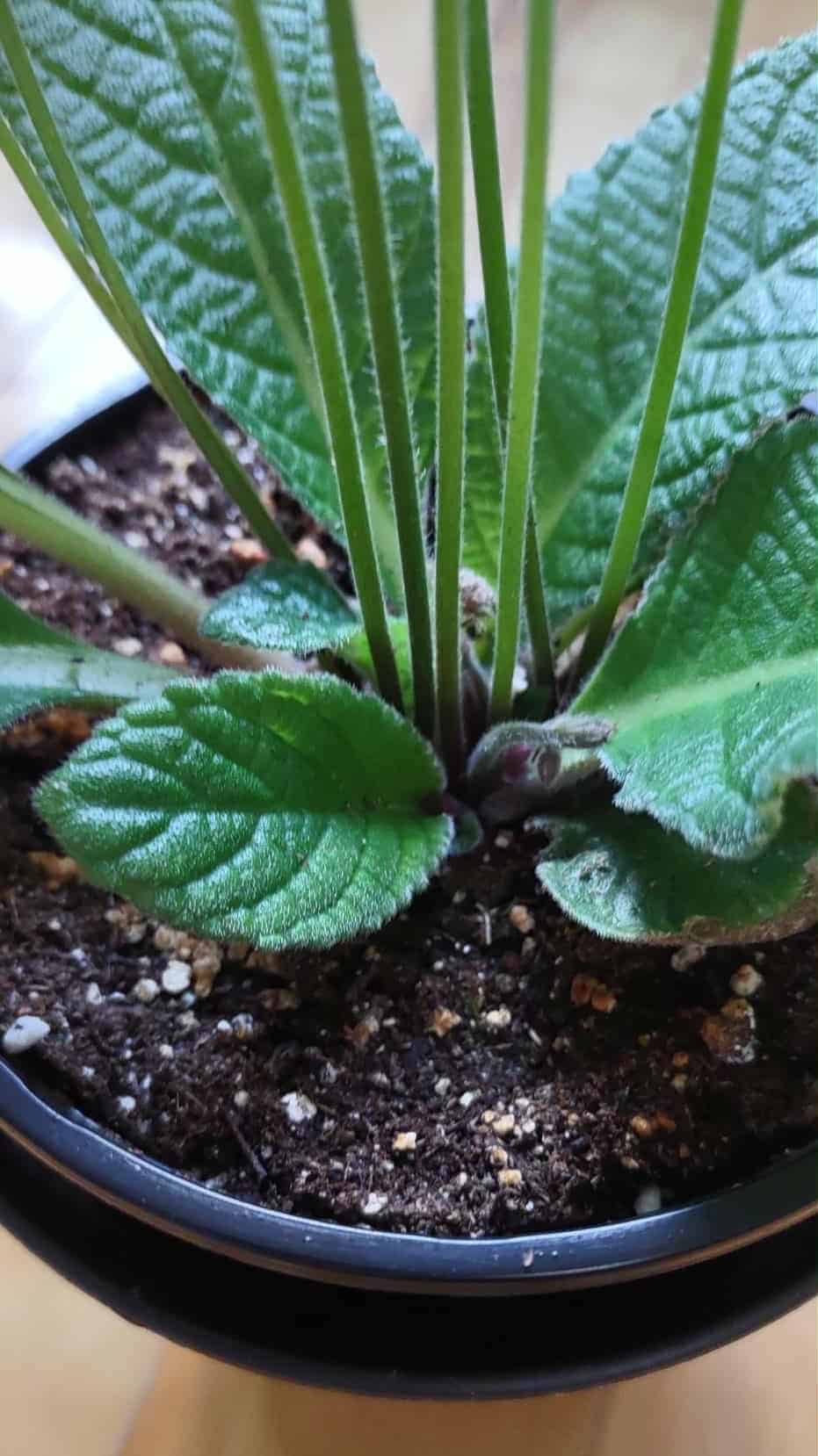
Unlike other flowering plants (orchids, Christmas cacti, azaleas), it is not necessary to choose a plant with most of its flowers still in bud: modern hybrids grown in good light often flower continuously or almost continuously. For rosette species, it is easy to observe the development of flower stalks in the center of the plant. The presence of flower stalks at various stages of development is a sign of a long flowering period. In healthy species, small emerging leaves should also be present, and old leaves should be bright green, without too many signs of dryness.
Conclusion
I cannot hide my love for Streptocarpus, particularly the Streptocarpus subgenus: it is a plant that I have found easy to grow, but oh so satisfying! While it only had a few flowers in the spring, it has continued to produce flower spike after flower spike since I acquired it. As I write this article, in the middle of fall, I count more than thirty open flowers! And the little rosette doesn’t seem ready to stop, as more peduncles emerge from the soil day after day. Quite simply, I was compelled to buy a second one this weekend as soon as I saw that there were other colors available…
It may not be dangerous for pets, but one thing is certain: streptocarpus is dangerous for your wallet.