


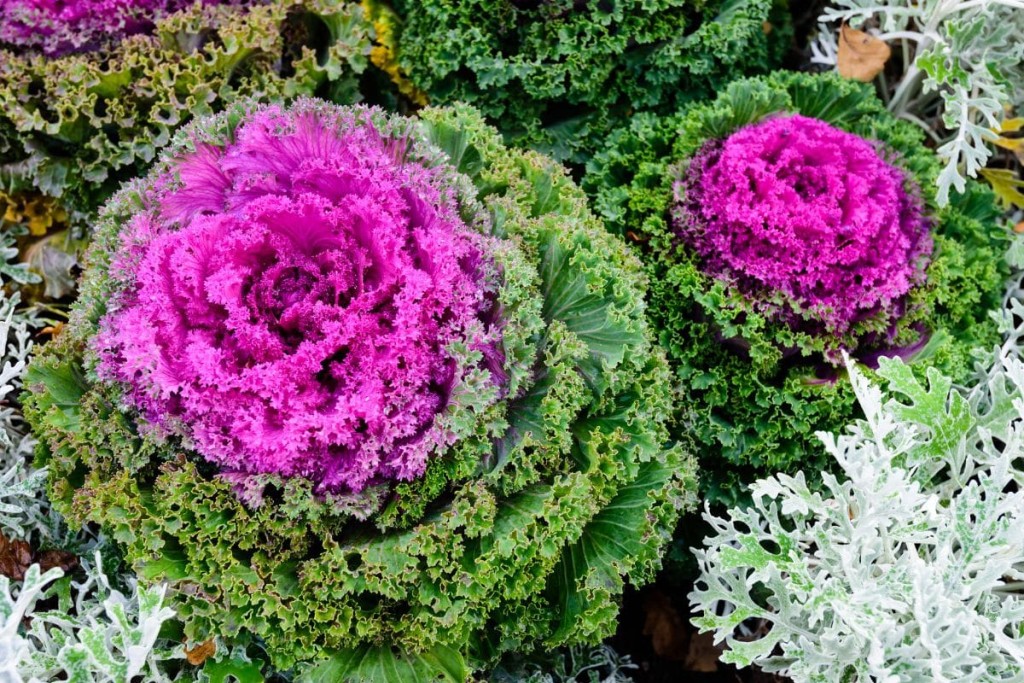
Edible Decorative Cabbages?
I would like to know if decorative cabbages are edible.

Answer
Tous les choux sont comestibles, même ceux cultivés surtout pour leur feuillage coloré.
Potted Wisteria
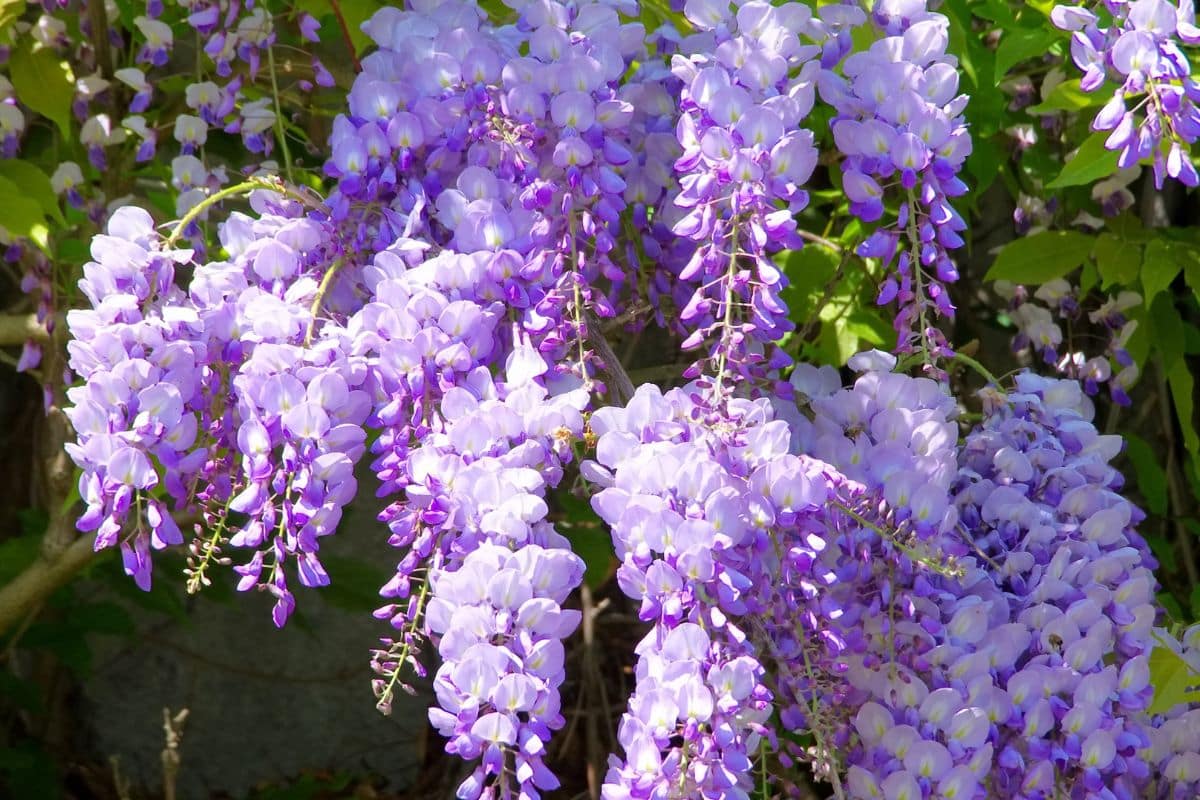
I grew a wisteria in a pot for the first time this summer. It bloomed beautifully all summer long. I brought it indoors for the winter and am wondering how to care for it.
Answer
Wisteria (Wisteria sp.) is a temperate climate plant and therefore needs a cold winter. Many gardeners grow it outdoors by mulching the soil around its base generously, but since your plant is in a pot, place it in a cold room, garage, or other barely heated location for at least 2 months. The temperature should be around freezing. No light or fertilizer is needed during this period, and water only to prevent the soil from drying out completely. If you have a cool, sunny spot in your home, you can take your wisteria out of winter storage in March and let it bloom indoors. Otherwise, leave it dormant until there is no longer any risk of frost, then return the plant outdoors.
You are lucky that your wisteria has bloomed so young! This sometimes happens, but be aware that most wisteria do not start blooming until they are 7 to 10 years old.
Overwintering Artichokes
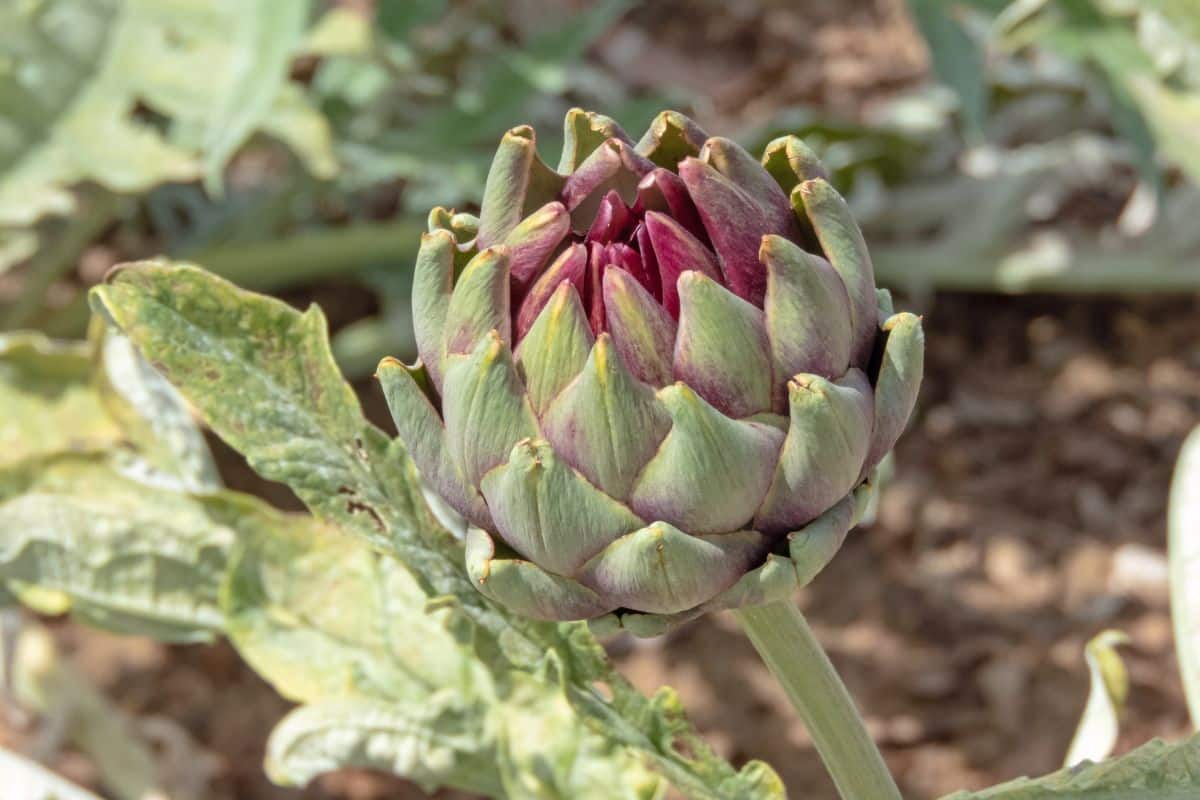
I have four artichokes in my vegetable garden and would like to preserve them. They have small plants growing at their base. Can I separate them and keep them dormant during the winter?
Answer
The artichoke (Cynara cardunculus var. scolymus) is a perennial vegetable… in warmer climates. In cold climates, it has difficulty surviving the winter. So, I offer you two options:
- Pot the young plants and keep them dormant in a cold room, garage, or other barely heated place. Water them just enough to prevent them from drying out completely. Transplant them to the vegetable garden in the spring. This is the safest method.
- Transplant the seedlings into the ground, water them lightly to compact the soil a little, and cover them with 30cm to 45cm (12 to 18 inches) of shredded dead leaves. A large pot placed upside down and held in place with a rock will help keep them from scattering. In the spring, remove the pot and most of the mulch… and let the plants grow. The risk, of course, is that the plants will freeze if the winter is particularly cold.
Larry Hodgson has published thousands of articles and 65 books during his career, in both French and English. His son, Mathieu, has made it his mission to make his father’s writings accessible to the public. This text was originally published in Le Soleil on October 30, 2010.