


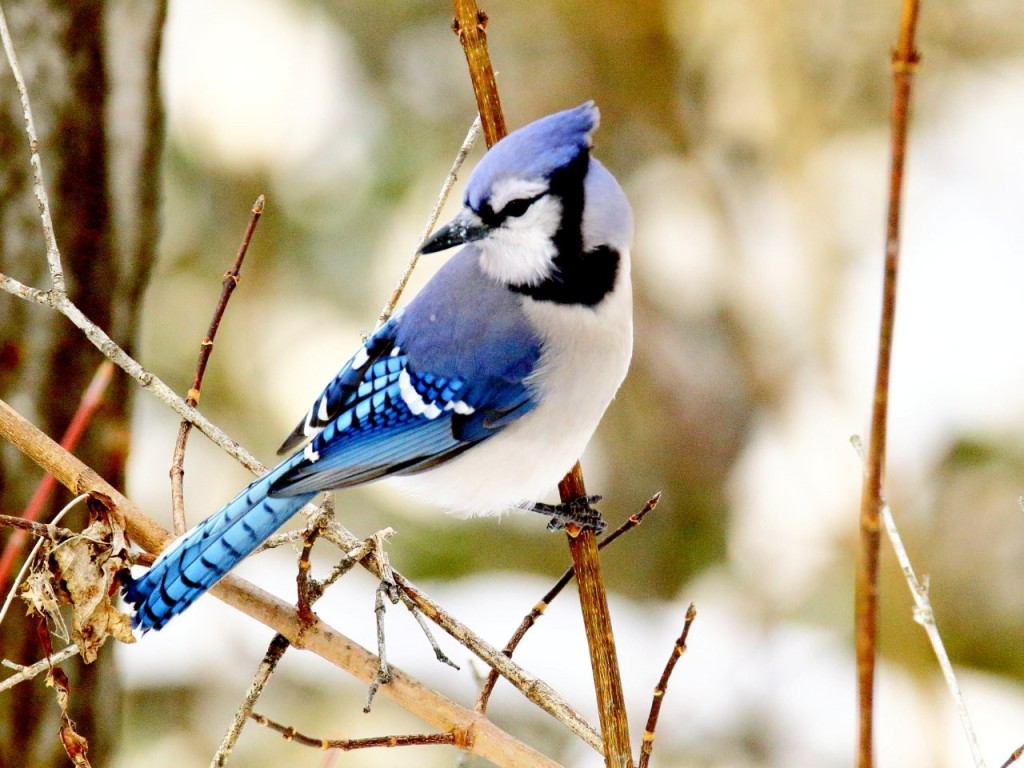
We all have a beautiful flower or tree in our hearts that we long for. There is increasing talk about biodiversity and its protection. Some choose to plant different plants, while others are more eager to attract birds. It all starts with seeds, or almost. Remember the shimmering colors of your favorite bird or its song. It’s a story, and it’s yours. Planting a bird garden means wanting to get closer to nature and to birds, which we hope will come to visit us more often.

Planting a bird garden
I worked as an educator for 16 years at the now defunct Quebec Zoo. I planned and prepared educational activities and lectures there. I had organized a lecture on bird feeders. I was counting on an elderly ornithologist. He gave a wonderful lecture, but on “birds of feeders” rather than “bird feeders” and their secrets. So I decided to prepare my own lectures. And then I had an idea. I spoke with the head gardener and asked him which seeds or fruits from the plants he had planted the birds fed on. He must have had some information on that… Well, no!
I began searching for this valuable information in books and journals in libraries. Strangely, it was the late 1990s, and I could find almost nothing on the subject in Quebec. Almost nothing, because some authors suggested that birds such as jays fed on seeds, but without specifying which ones. And which jays? I was on the right track, though… I kept digging. That’s when I got the idea to plant a “bird garden” on my small suburban lot in the Quebec City area, a living space that would be pleasing to my eye and those around me, and attract as many birds as possible. I searched through books, searched again and again. At that time, I only had seven species of birds visiting my home. These were the ones we don’t want, including the house sparrow and the European starling.

Attracting birds
I had to start somewhere. I focused my research on plants that might be favorites of our hummingbird, the ruby-throated hummingbird. In addition, a “bird garden” includes more than just plants. The birds in your yard are there for at least three reasons. They seek shelter from predators; trees serve this purpose. They seek food; you need fruit-bearing plants for some species and seed-bearing plants for others. They may want to nest in your yard; you need to vary the heights of your trees and shrubs.
Birds feed on 85% of the plants in nature. The remaining 15% is provided by seeds from feeders. So, to be satisfied, I needed a network of appropriate feeders and to plant the right vegetation. Some birds, such as warblers, would find their food, insects, in the plants.
A bird garden would not be complete without a place for birds to drink and bathe. I decided to help them by building a small pond. I see many birds there throughout the spring and into the fall. For the winter, I built a small heated pond.
A layout adapted to their needs
With these basic installations, I went from having 7 species visiting my yard to more than 45 species, all in just 7 years!
Can this setup be improved? Yes, birds, or at least some of them, may be looking for a place to nest. It seemed only natural to me to return to my childhood memories and want to welcome a pair or more of tree swallows. So I installed a nesting box for them and a few others of different sizes for other species of birds.

In just a few years, I have created a small green oasis that provides birds with food, water, and seed feeders. I also drew on my limited knowledge of plants that feed birds to embark on a “small” project: compiling all my information into fact sheets to produce an essential document for citizens, horticulturists, and others, to inform them of the possibilities.