


At the beginning of each year, the horticultural world buzzes with excitement as the winners of various awards for edible plants, annuals, perennials, and houseplants are announced. Even if these new products are not always available immediately or locally, they allow us to dream about what might be on our shelves in the coming years and sometimes even make special requests at our garden center.
Many organizations recognize excellence in horticulture, each celebrating unique qualities and contributions.
All-America Selections (AAS)

The AAS recognizes plants that have demonstrated superior performance in the garden during independent comparative trials conducted across North America. Varieties are evaluated blind, directly in real-world conditions. An AAS Winner designation indicates a clear improvement over comparable varieties, while the much rarer AAS Gold Medal is reserved for major breakthroughs offering a clear and measurable advantage.
Fleuroselect

Fleuroselect focuses on genuine novelty and innovation, particularly in terms of color, form, or use. Varieties are tested in several European countries. The Gold Medal award is given only to plants that are considered exceptional and truly novel.
National Garden Bureau – Green Thumb Awards

The Green Thumb Awards recognize plants that stand out for their appeal and potential, either through public vote (People’s Choice) or evaluation by a panel of experts (Professional’s Choice). These are not long-term comparative trials, but rather a recognition of interest and popularity.
Perennial Plant Association – Perennial of the Year

The Perennial of the Year® award recognizes a reliable, durable, and versatile perennial chosen by industry professionals. It is not an innovation award or a gold medal, but rather a strong recommendation based on consistency in the garden, longevity, and low maintenance, often backed by several years of observation.
My favorite awards
Personally, I often favor AAS winners, since they are tested across North America, including Canada, which generally results in selections that are better suited to Northern climates. The PPA Perennial of the Year is also very reliable, as the choices are based on performance observed over several years.
You will also notice that many new edible varieties are F1 hybrids. These plants often perform very well—in terms of vigor, yield, uniformity, and disease resistance—but their seeds do not retain their characteristics. I will therefore leave you to choose between open-pollinated plants and hybrids without judgment: both approaches have their place in the garden.
Here are the 2026 winners!
Edibles
BadaBing! Tomato F1 – AAS Regional Winner + NGB People’s Choice Award

Here is a tomato designed for difficult summers. ‘BadaBing!’ F1 focuses first and foremost on plant health, with resistance to septoria, early blight, and late blight—a trio rarely found in tomatoes for amateur gardeners. Despite its indeterminate growth habit, the plant remains surprisingly compact and manageable (90-100 cm, 35-39 inches), making it easy to grow in containers or small vegetable gardens. The bright red fruits arrive early, are resistant to cracking, and accumulate in large quantities. A reassuring tomato, designed to produce when others give up.
‘Treviso’ Basil – National AAS Winner + NGB Professional Choice
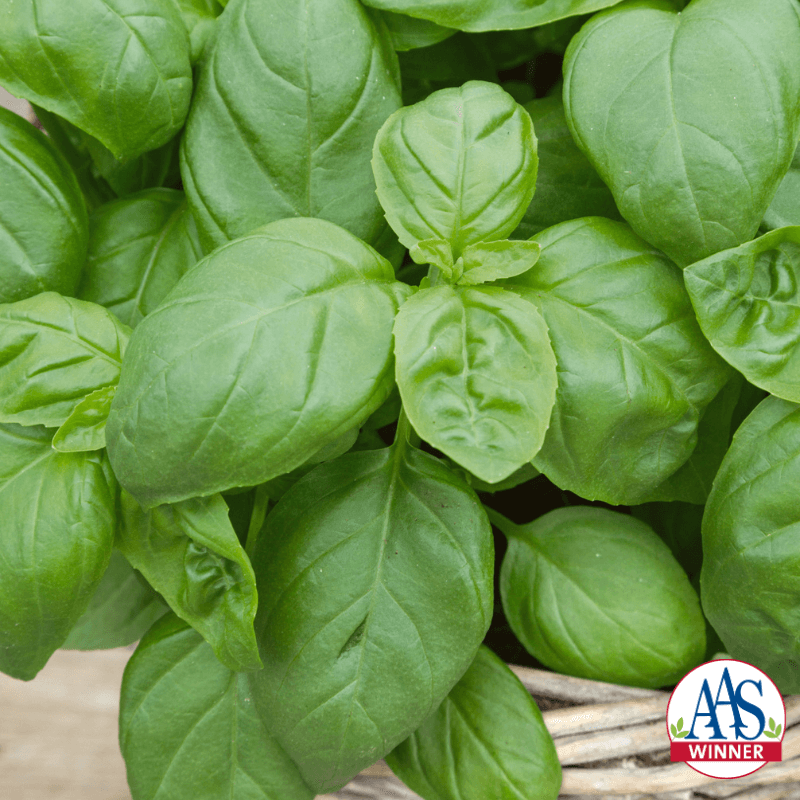
‘Treviso’ is ideal for those who are tired of basil plants that flower too quickly. Here, flowering is delayed, which significantly extends the harvesting period. The plant forms a compact, dense, and well-branched mass, ideal for growing in pots. The leaves retain their tenderness and flavor after cutting, brown little, and remain pleasant, even in the heat. Add good disease tolerance and surprising resistance to Japanese beetles, and you have a reliable basil that will last until the end of summer.
‘Majesty’ climbing bean – AAS regional winner

‘Majesty’ plays the robustness card. Its dense foliage withstands heat well and shows good recovery capacity after summer stress. The long, straight, purple pods are easy to spot and remain tender, without fiber or bitterness. Earlier than many purple beans, it is particularly well suited to vertical gardening, where it offers a regular and sustained harvest throughout the season.
Rubybor F1 kale – AAS Gold Medal
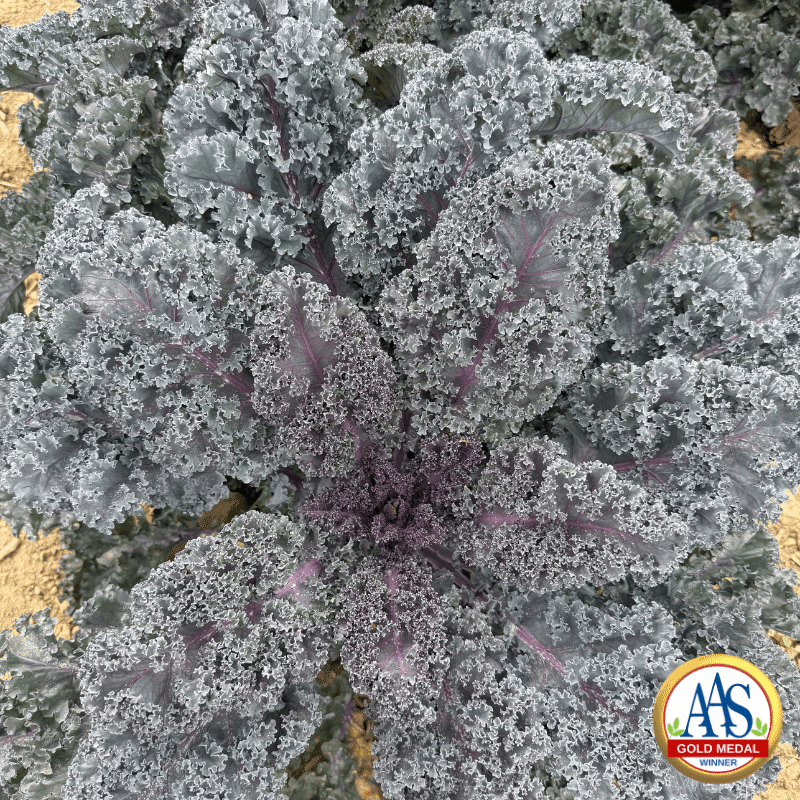
Few vegetables manage to be both decorative and highly productive: ‘Rubybor’ F1 achieves this without compromise. Its purple, almost black foliage remains impeccable even in hot weather, thanks to its compact growth habit and short internodes. In terms of harvest, it surprises with its high yield, with tender leaves that are not very bitter and are enjoyable both young and mature. A kale that deserves its place in the garden bed as much as on the plate.
‘Butter Lamp’ F1 Winter Squash – AAS Regional Winner
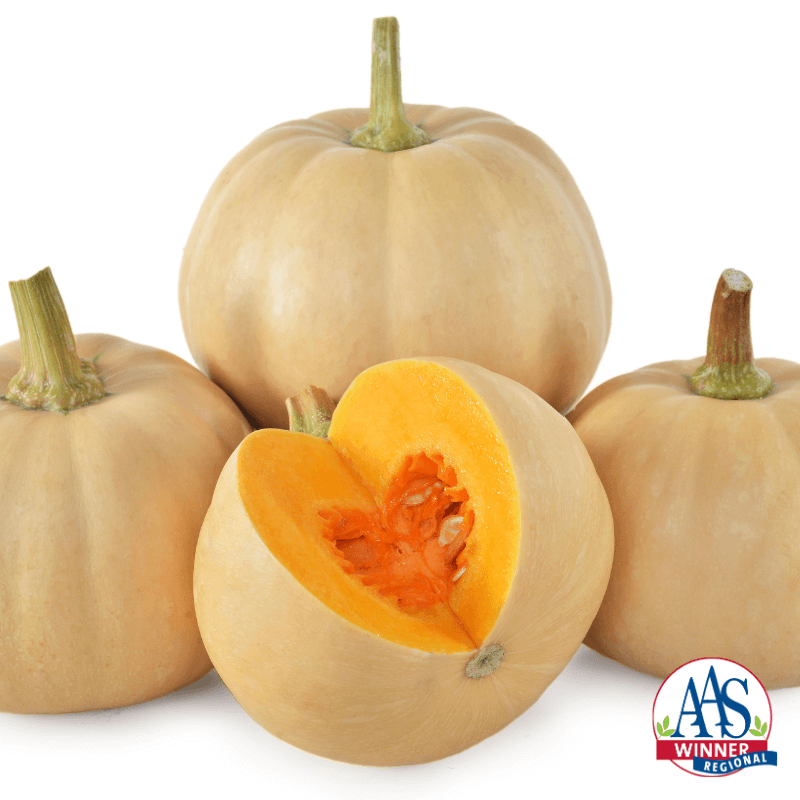
This squash first catches the eye with its unusual shape, which remains on the plant for a long time and facilitates gradual harvesting. Belonging to the butternut type, it is distinguished by its excellent storage capacity and smooth, sweet, buttery flesh. The plants show consistent vigor, good heat tolerance, and appreciable resistance to insects and diseases, resulting in regular and generous fruiting.
Annuals
Zinnia ‘Profusion Double White Improved’ – AAS Gold Medal

Their white flowers are often capricious, but this zinnia is an exception. ‘Profusion Double White Improved’ retains a crisp, bright white color, even in intense heat and on warm nights. The flowers are larger, bloom earlier, and, most importantly, continue to bloom uninterrupted until frost, without the need to remove wilted flowers. Its low, dense, and extremely uniform habit creates a veritable carpet of flowers that remains clean and consistent throughout the season.
Dianthus ‘Supra Cherry Picotee’ F1 – AAS National Winner

This dianthus first captivates with its dark cherry-colored center edged with pale pink, with delicately fringed petals. But its real strength is its consistency: the plant remains compact, leafy, and floriferous, even in hot or dry weather. Derived from an interspecific hybrid, it blooms continuously from spring until the first frost, without any special care.
‘Sunfinity Yellow-Red Bicolor’ Sunflower – NGB People’s Choice Award
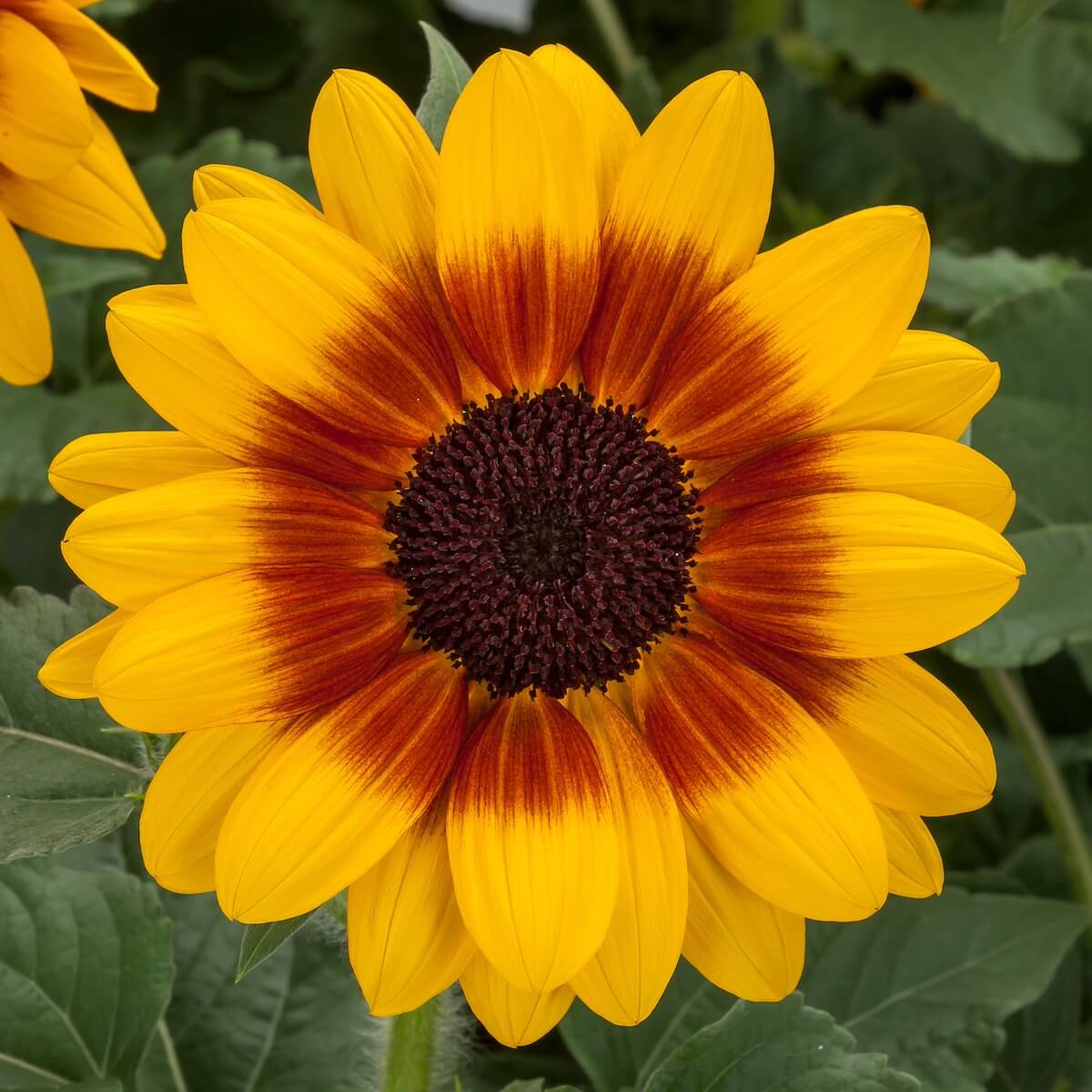
Unlike traditional sunflowers, which bloom only once, ‘Sunfinity Yellow-Red Bicolor’ blooms continuously for nearly three months. Its flowers combine warm yellow and burgundy red, a particularly effective combination at the end of the season. Tolerant of heat, it extends the presence of sunflowers in the garden well beyond the peak of summer, both in the ground and in large containers.
Dipladenia ‘Sun Parasol FiredUp Coral’ – NGB Professional Choice

Here, the innovation lies in the plant’s habit. ‘Sun Parasol FiredUp Coral’ grows upright without support, spontaneously forming a vertical focal point—something rare among dipladenias. The bright coral flowers, large and luminous, bloom continuously throughout the summer. Tolerant of heat and drought, this variety offers a spectacular effect without staking, pruning, or hassle.
Dahlia ‘Black Forest Ruby’ – Fleuroselect Gold Medal

This dahlia plays on contrast: deep red flowers and very dark, almost black foliage. Sown rather than planted as tubers, it is easier to integrate into the garden and blooms continuously until the first frosts. Its contemporary, strong, and graphic look makes it an excellent choice for those who want a striking visual impact without complexity.
Salvia ‘Estella Coral’ – Fleuroselect Gold Medal
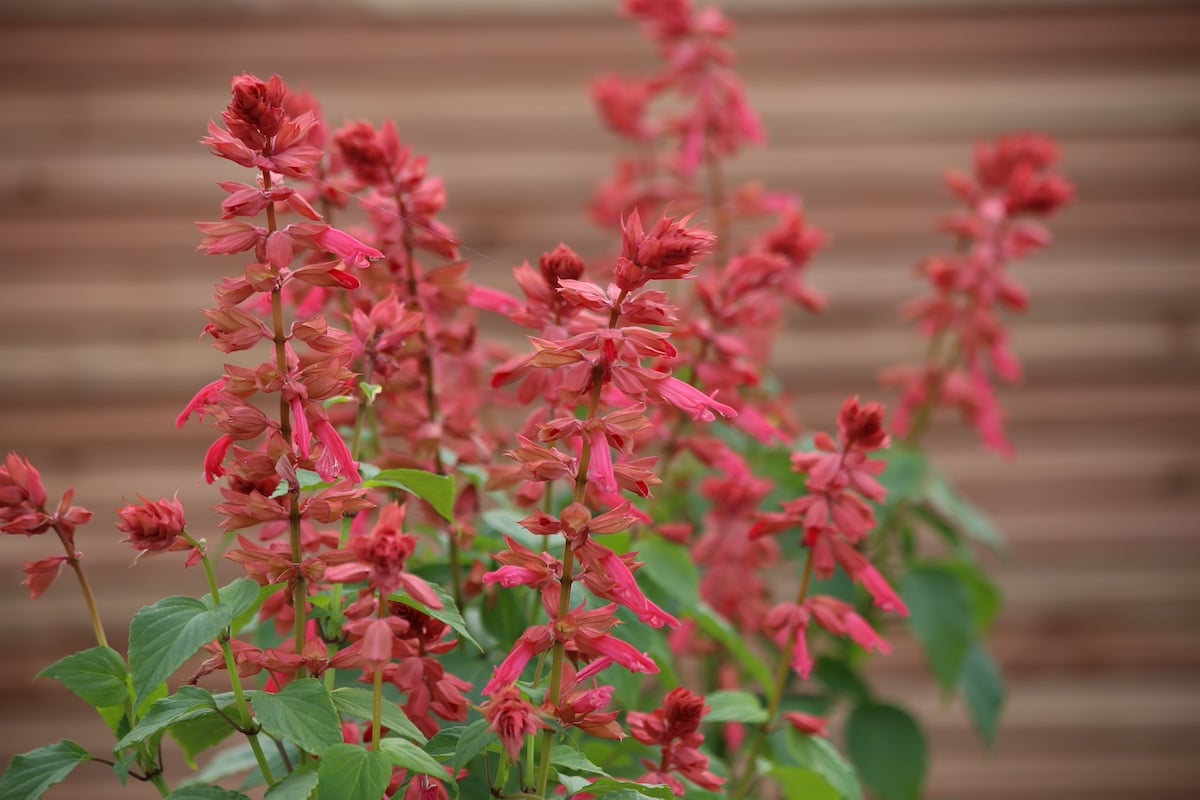
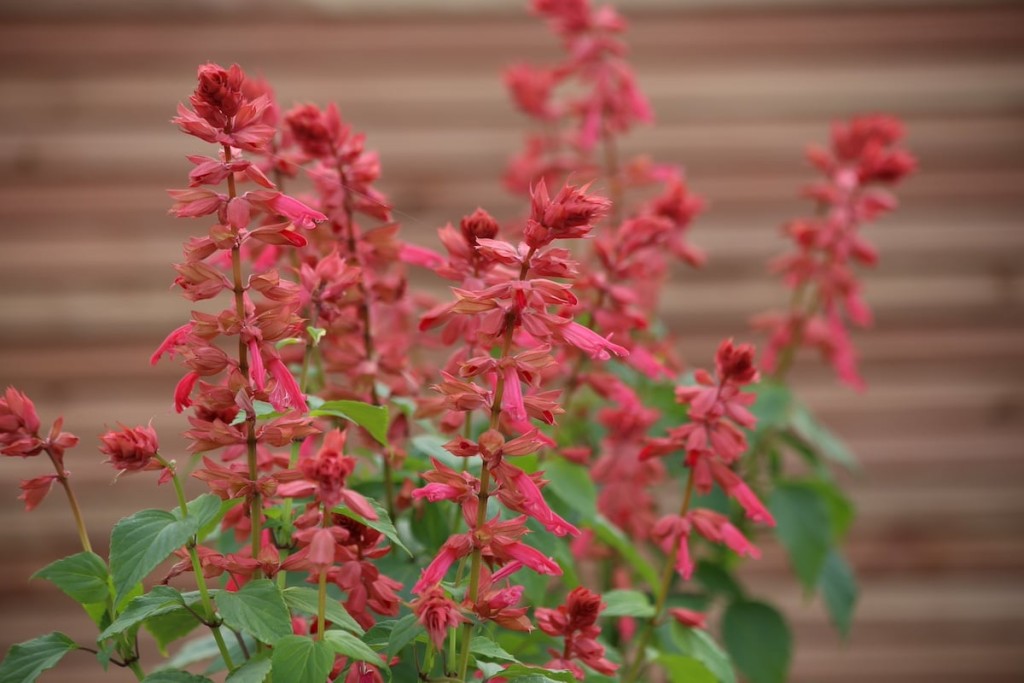
Estella Coral breaks with the rigid image of classic red sage. Its broad, supple habit creates a more naturalistic effect, while its pinkish coral color adds warmth without visual aggression. Earlier and more generous than traditional varieties, it attracts pollinators and beneficial insects all summer long, both in flower beds and in pots.
Perennials and ornamental grasses
Coreopsis ‘SunGlobe’ – AAS National Winner
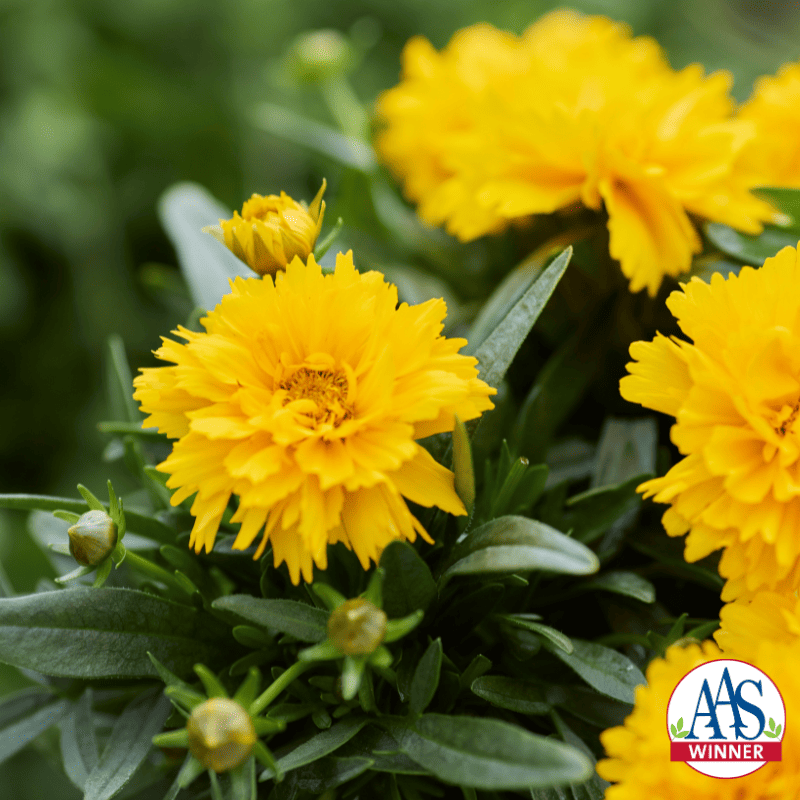
Coreopsis ‘SunGlobe’ stands out for its exceptionally abundant and continuous flowering, with semi-double golden yellow flowers that appear earlier than comparable varieties and return in successive waves until fall. Its great strength lies in its naturally compact, dense, and well-branched habit, which remains clean and balanced without drooping. It offers a lot of color for little effort, while attracting pollinators. A coreopsis designed for those who want maximum visual impact, for a long time, in a minimum of space.
Heliopsis ‘Sole Giatto’ – AAS National Winner

Heliopsis often has one drawback: it can become overbearing. ‘Sole Giatto’ corrects this with a compact version, but with the same “sunshine” effect: large yellow flowers, sturdy stems, and a long flowering period. It’s the kind of perennial that fills a sunny corner (or a large pot) without taking over the landscape. A welcome bonus: it is heat-resistant and attracts pollinators.
Sedum ‘Spectacular’ – Lauréat national AAS
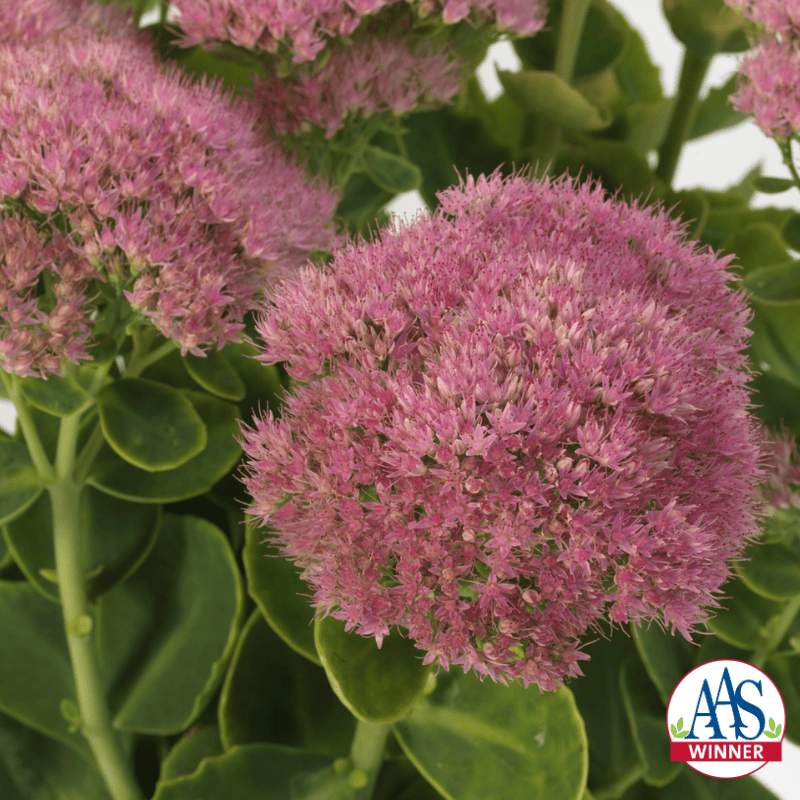
This stonecrop is interesting for one simple reason: it offers the same performance as sedums propagated by cuttings, but… in seed form. This means a uniform, dense clump that doesn’t collapse at the end of summer. The pale pink flowers bloom a little earlier than many similar varieties and provide that famous “architecture + nectar” effect that pollinators love in the fall. Perfect if you like sedums for their hardiness—but hate it when they collapse.
Festuca ‘Glow Sticks’ – NGB People’s Choice Award
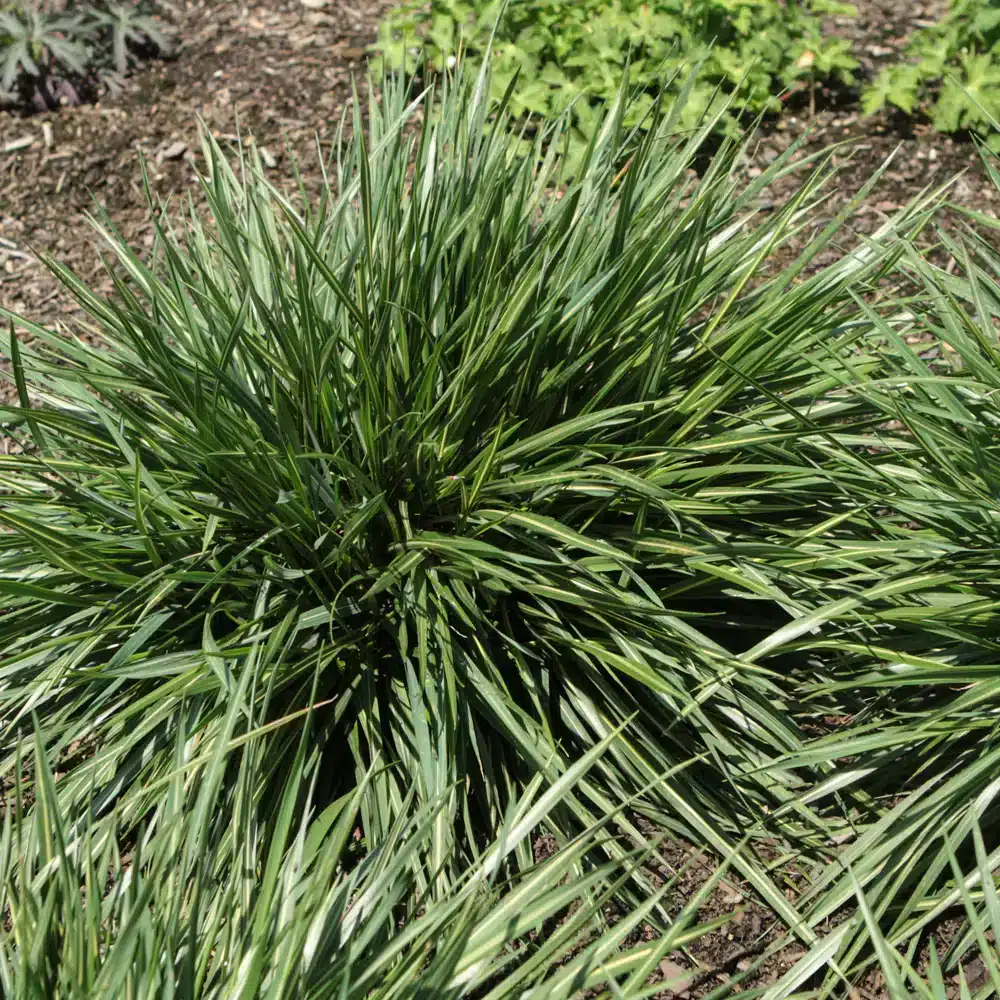
The bright yellow spikes of ‘Glow Sticks’ almost look like little neon lights in spring. Another pleasant surprise is its hardiness: deep roots, tolerance to heat and dry periods, and an ability to grow in both full sun and partial shade.
Andropogon ‘Blackhawks’ – PPA® Perennial of the Year

Andropogon ‘Blackhawks’ is a spectacular grass that focuses on dramatic colors rather than traditional flowering. More compact than most beards, it forms a neat vertical clump, with foliage that changes from dark green to almost black purple hues at the end of summer. In fall, the entire plant—leaves, stems, and spikes—takes on a deep, intense color that structures the garden until winter. Highly drought-resistant, with no major disease problems and no maintenance (except for late spring pruning), it is an ideal grass for naturalistic, native, or Laidback gardens, where it adds height, movement, and lasting presence.
Houseplants
Pothos ‘Yellow Sunrise’ – NGB People’s Choice Award
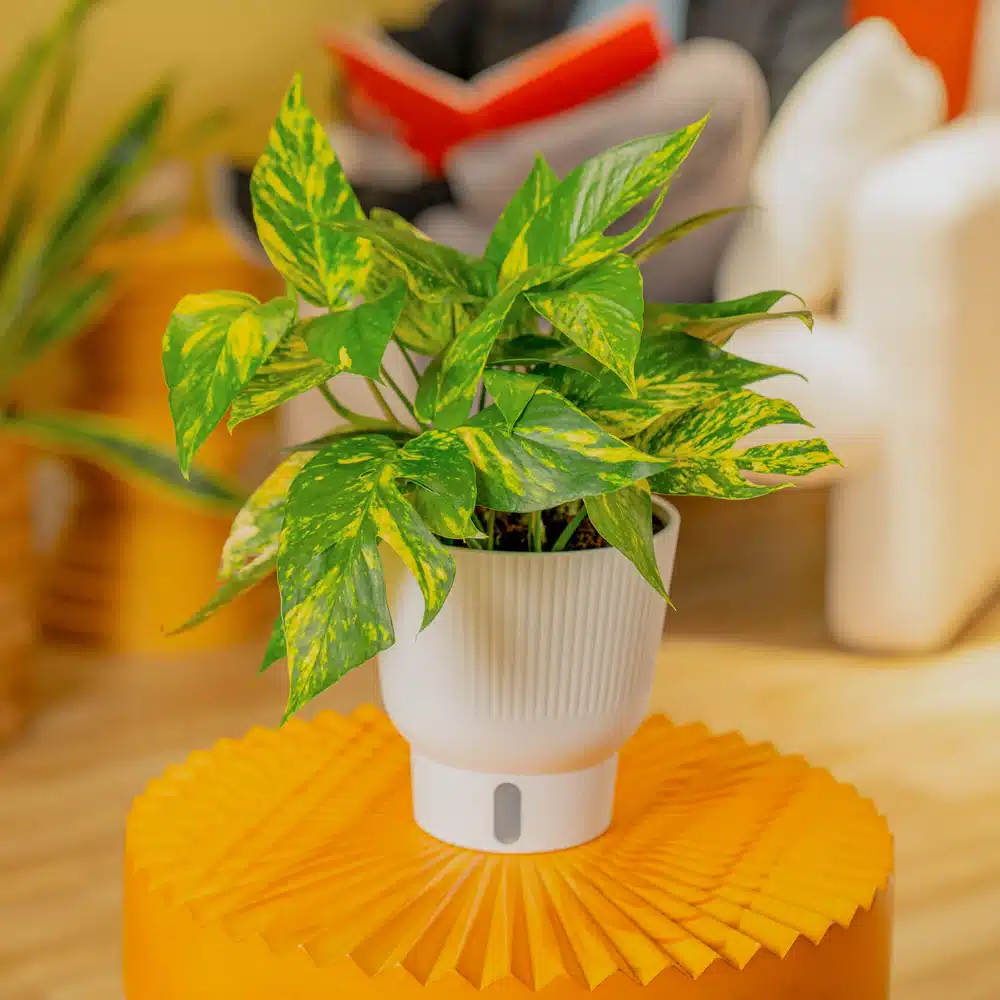
The ‘Yellow Sunrise’ pothos stands out for the spectacular evolution of its foliage: when young, it has dark green leaves splashed with golden yellow, but as it matures, these develop fenestrations reminiscent of those of monsteras, if the plant climbs on a moss stake and reaches an imposing size under very bright light. When hung in a traditional manner in a living room, it will retain its full leaves. This transformation gives it a much more graphic and mature look than traditional varieties. Despite its sophisticated appearance, it remains as easy to grow as an ordinary pothos, tolerating forgotten watering and variable conditions.
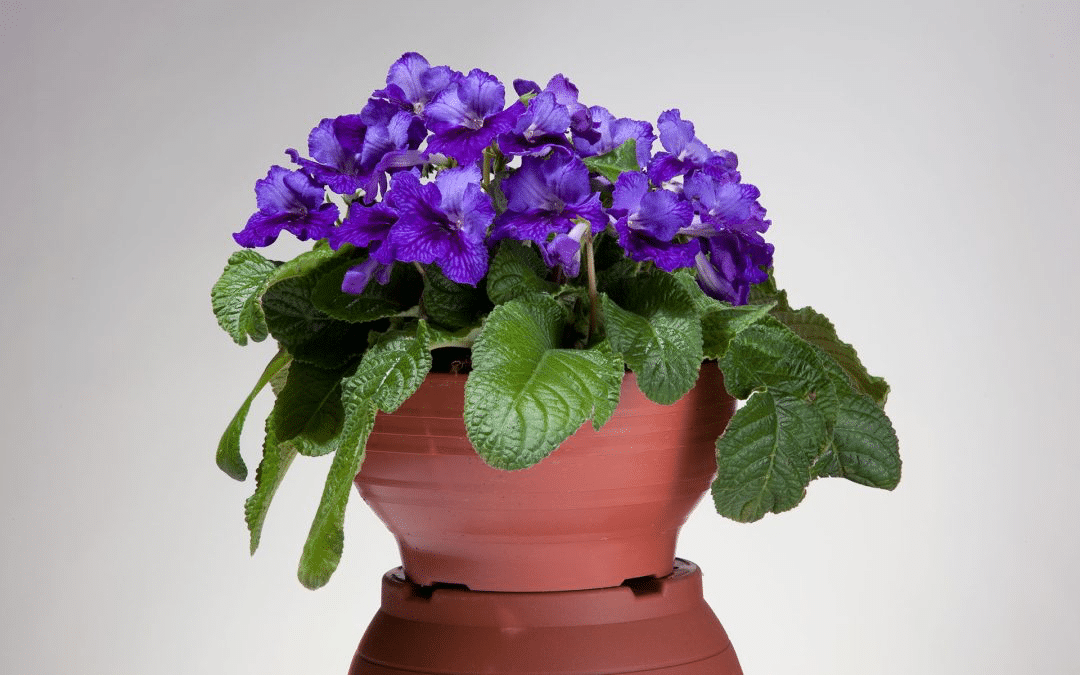
‘Lady Slippers Double Blue Vein’ Cape primrose
Streptocarpus ‘Lady Slippers Double Blue Vein’ marks an important new development in indoor plants: it is the first double-flowered Cape primrose to be commercially available. This variety is distinguished by its very regular flowering, which can continue almost all year round in the right conditions, which is unusual for this genus. It tolerates low light well, a significant advantage for a flowering houseplant. Compact and easy to care for, this streptocarpus is suitable for less bright spaces and for gardeners looking for a flowering plant that does not require complex care.