


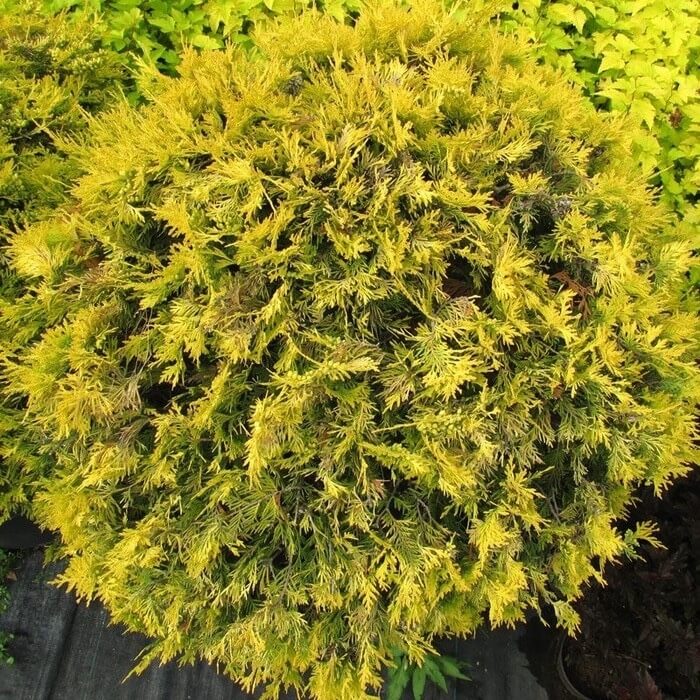
For a golden yellow “cedar”
What fertilizer should be used to maintain the beautiful golden yellow color of Golden Globe cedars?
Answer
None. Despite popular belief, thuja trees (“cedars”) do not usually need any fertilization. Golden thuja trees, in particular, turn green when “cedar fertilizer,” which is very rich in nitrogen, is applied. In addition, these overly concentrated fertilizers cause very unsightly browning in winter. For a bright yellow thuja, choose a location in full sun (it will turn green if shaded) in slightly moist soil and with no fertilization other than a good mulch that decomposes slowly.
This text was originally published in Le Soleil newspaper on July 12, 2008.
Fertilizer for indoor plants
What fertilizer do you recommend for my houseplants? Among other things, I have a croton.
Answer
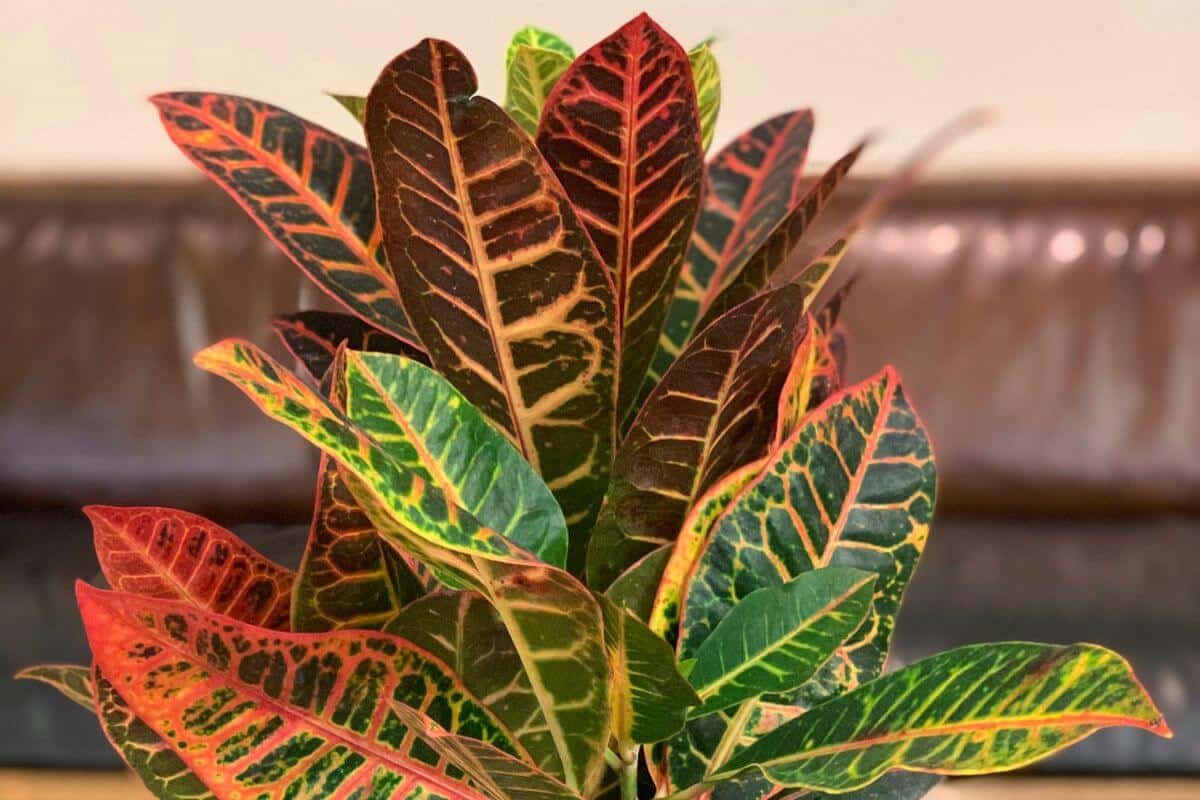
Houseplants, such as croton (Codiaeum variegatum pictum), cannot read labels. So any fertilizer will do, even lawn fertilizer or tomato fertilizer!
I suggest using whatever fertilizer you have on hand, regardless of the manufacturer’s intended use. When you run out, buy an all-purpose fertilizer. The name says it all: you can use it on all plants.
Remember that unless they are growing under artificial lighting, houseplants do not need fertilization between November and March, because the light is so weak during this period that they can only survive. In March, when the days start getting longer, you can resume fertilizing, applying one-quarter or one-eighth of the recommended dose.
This article was originally published in Le Soleil newspaper on December 19, 2009.
Fertilizing a large oak tree
Following an estimate for pruning a large oak tree, a company has offered me a fertilizing treatment for the tree at a cost of $200. The fertilization is proposed for the spring. Is this a recommended treatment?

Answer
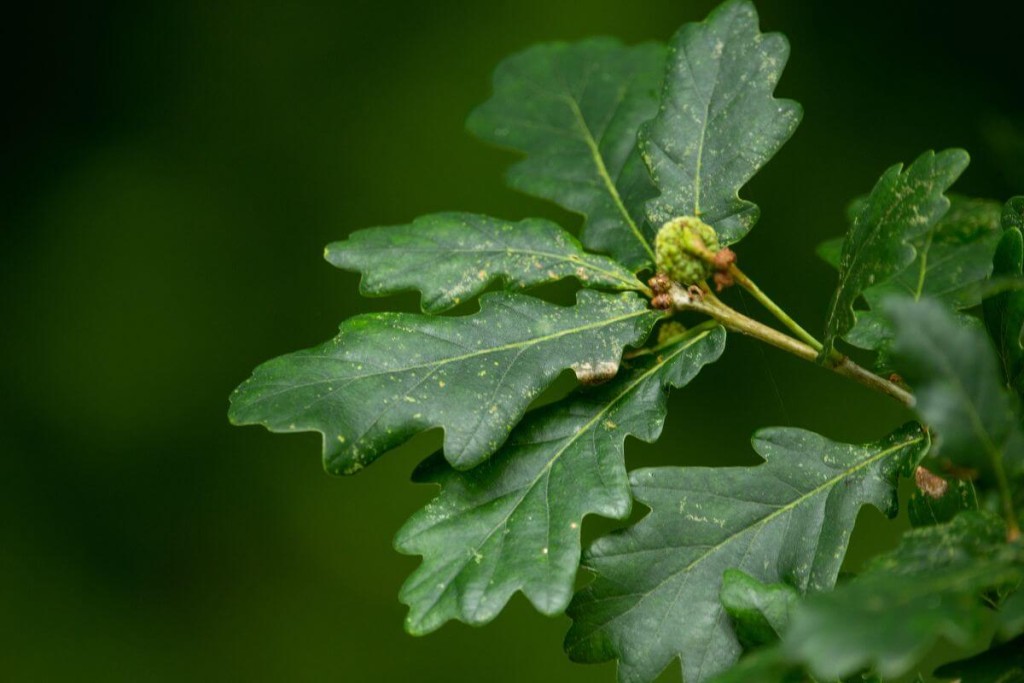
In nature, trees don’t usually need fertilizer because their own leaves fall to the ground in the fall and, as they decompose, nourish them. In our great wisdom as humans, we remove and even destroy this brown gold, leaving our trees starved. Of course, fertilizing a lawn or flower bed nearby helps compensate for the lack of leaves, as trees have very long roots and can draw minerals from elsewhere. However, I assume that the pruning team had reasons to believe that your oak tree needed additional fertilization. It’s up to you to decide whether to accept the company’s offer or fertilize it yourself.
This text was originally published in Le Soleil newspaper on January 5, 2013.