


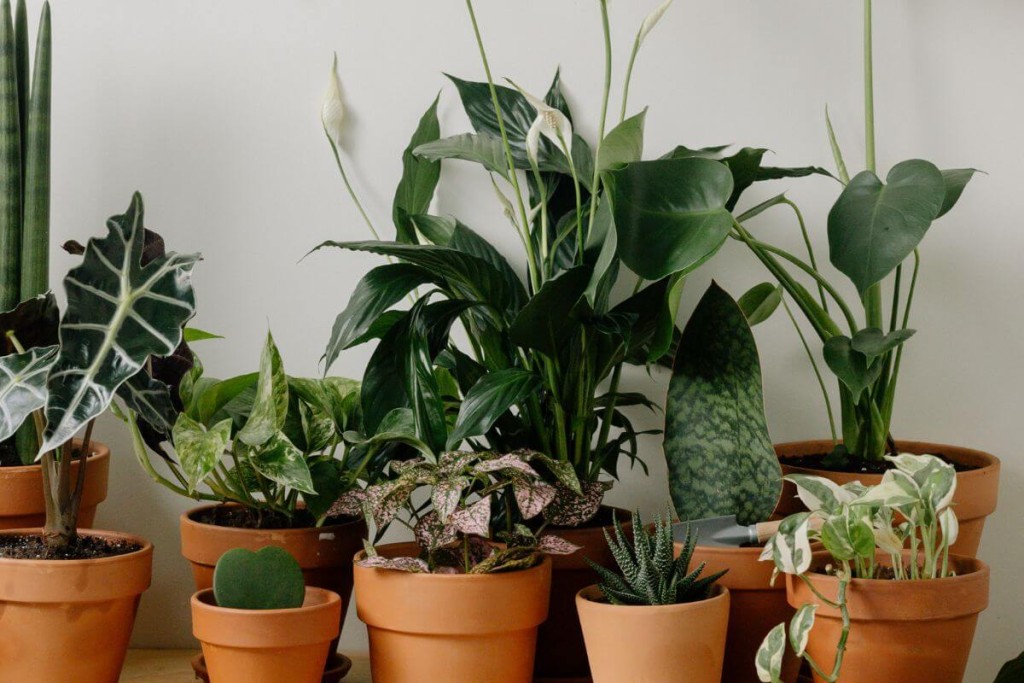
When we’re dealing with a pest infestation, our first instinct is certainly not to introduce insects into our plants.
Yet who is better suited than a predatory insect to hunt down pests right where they are?
Natural predators—insects, mites, or nematodes—are specifically selected to combat certain infestations. Whether they attack their prey directly or parasitize it, the result is the same: pests are effectively controlled, without chemicals.

A brief history
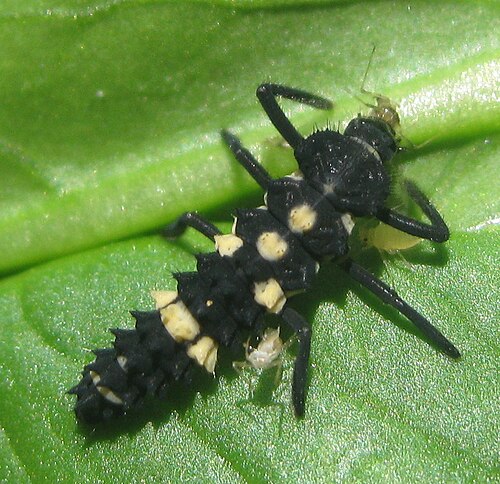
In Canada, the first uses of Encarsia formosa, a parasitoid wasp against whiteflies in greenhouses, date back to the 1940s. They were produced in Ontario, and even then, they were shipped by train all the way to Newfoundland. The advent of synthetic pesticides unfortunately slowed the growth of this promising industry.
Predators were replaced with DDT, which seemed like a miracle product at the time. It was easier to transport, acted faster, and, above all, was far more lethal than Encarsia.
When the effects of this pesticide on wildlife began to be noticed, its usefulness was called into question. The eggs of exposed birds had shells so thin that they cracked under the weight of the parents during incubation. As Rachel Carson so aptly put it in her book on the pesticide scandal, spring had become silent (Silent Spring, Plon, 1964 for the first French edition, reprinted numerous times).
Around the 1970s, insect pests frequently exposed to the same pesticides became resistant to them. They evolved so that these chemical molecules no longer affected them. This phenomenon is common among species that reproduce very rapidly. It only takes a few individuals resistant to the treatments for their offspring to be resistant as well.
Subsequently, there was a resurgence of interest in organic pest control, which very rarely leads to resistance.

The case of Asian ladybugs
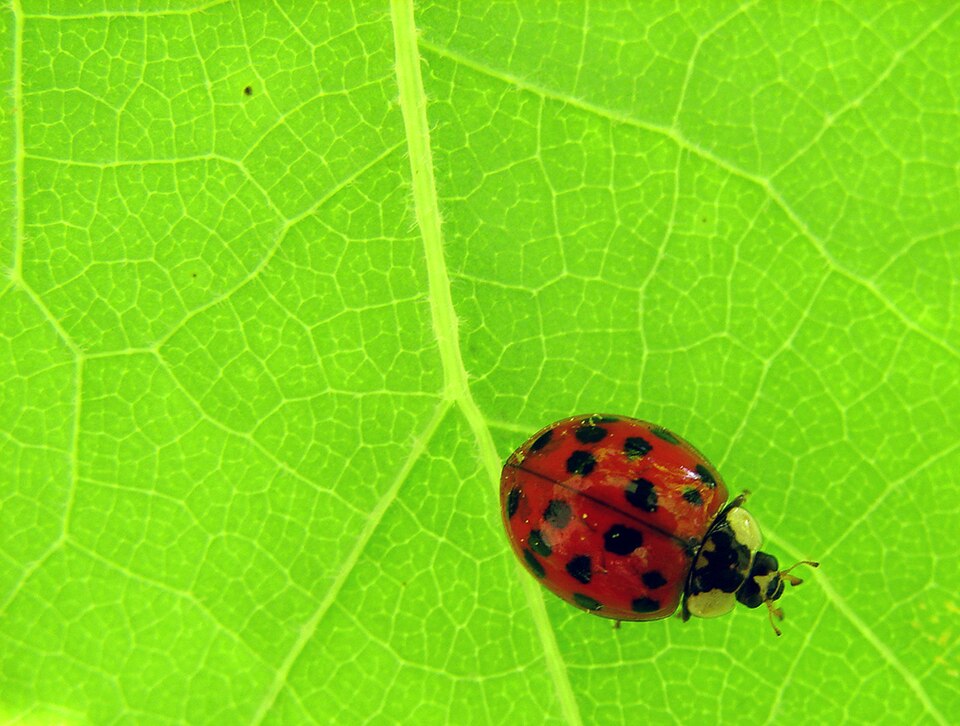
Starting in the early 20th century, but especially in the 1980s, Asian ladybugs began to be introduced to control aphids in fields across North America. Armored, smelly, and with very few effective predators, they have since made their way to gradually invade Canada… and our homes in the fall.
Once again, what seemed like a good idea has turned into an environmental problem.
I do not recommend using pesticides indoors to solve the ladybug problem. They’re new to the area and reproduce quickly, so I’m concerned they’ll easily develop resistance. The inside of our homes isn’t the place to test and experiment with pesticides anyway.
It’s better to seal the cracks where ladybugs enter and set traps for them inside the house. My personal trick is to leave a log on the ground near where I find a lot of them and let them hide there on their own. All I have to do is lift the log to catch several at once. Let’s take advantage of the fact that they gather together when they’re comfortable!
Organic pest control at home
Today, houseplants are a real passion, and infestations have become commonplace. While pesticides were once the go-to solution for controlling pests (which love to settle in indoor jungles), with significant restrictions on household pesticides, and growing empirical knowledge, plant lovers must find new solutions to combat these unwelcome guests.
Good news: biological pest control works very well indoors.
The problem?
For a long time, biological control methods were mainly developed for large commercial greenhouses, and the information was often difficult for the general public to access. Today, however, these approaches are increasingly adapted for residential use, allowing home gardeners to use natural predators to help control common plant pests.
How does it work?
For beginners, biological control can be a little intimidating. All sorts of insects, with Latin names each more complicated than the last, that you have to put in your home! It’s certainly cause for concern! Don’t worry, they’ve all been carefully selected and are very easy to introduce.
When you buy predators, they usually come in bulk or in bags. The ones in bulk need to be scattered, while those in bags should be hung up. Depending on the number of plants, a monthly introduction takes about 5–10 minutes. Once you know what to do, it’s pretty easy!
You choose the type of predator based on the situation: the target, the severity of the infestation, the location, and the conditions. In a greenhouse, you can opt for more voracious, more mobile predators. In a living room, you’d rather choose those that are discreet and invisible. There are as many combinations as there are situations…
I value a knowledge-based approach. Knowing your enemy well allows you to fight them directly, right where they are.

The best way to practice organic pest control indoors
As I can’t say this enough: prevention is better than cure!
You don’t need to have a problem to use natural predators.
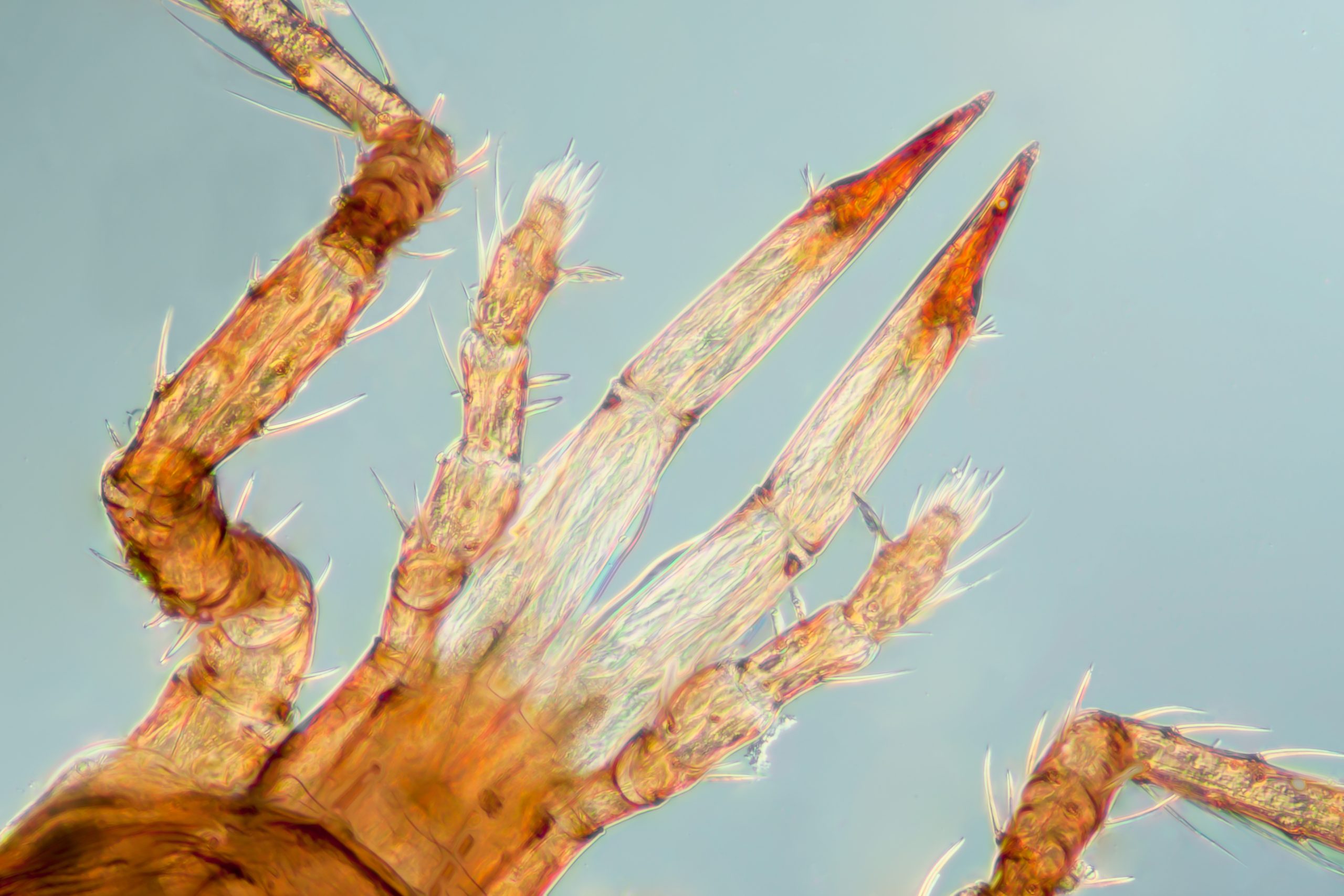
Hang small sachets among the leaves; they last 4 to 6 weeks. These little sachets contain a closed ecosystem: bran, bran weevils, and predatory mites, which reproduce and gradually emerge.
If beneficial insects are already present on your plants, pests are much less likely to settle there.
To protect the soil, just add a teaspoon of Stratiolaelaps, a soil mite naturally found in soil, and you’re all set. This highly valued ally stands guard by eating algae and debris, while waiting for thrips pupae, sciarid fly eggs, and larvae.
Effective screening can save you a lot of trouble. Setting up yellow sticky traps and using a magnifying glass is very helpful for capturing and identifying the flying insects that get stuck to them.
In summary
In greenhouses as well as at home, natural predators provide an effective, natural, and smart way to combat harmful insects.
They require a bit of organization: they are living creatures. You need to be ready to receive them and introduce them quickly.
But they are discreet, fascinating, and incredibly effective.
If you need to fight pests, they will be your best allies.
And if the world of insects intrigues you, stay tuned for my upcoming articles: I’ll introduce you to the most common pests in our gardens, their life cycles, and suitable solutions. Once you understand, everything becomes simpler.