Spring has arrived, and even though there’s still a lot of snow on the ground in many parts of southern Canada, most gardening enthusiasts are already eagerly looking forward to all the ways they’ll be beautifying their yards this year.
Since the lawn plays such an important role in North American landscaping, several companies have likely already sent you offers for fertilizer and pesticide application during the growing season, even before assessing your yard’s actual needs.
Cutting height
Fortunately, conscientious contractors are turning to best practices driven by environmental concerns. It’s clear that the most important factor isn’t fertilizer, but lawn care—and in particular, the cutting height, which should not be lower than 3 inches (8 cm). And of course, you shouldn’t mow during a heat wave.

For a long-lasting lawn, the quality of the underlying soil is very important, so you must prepare the soil properly before laying the sod! In principle, you should sow seeds or lay sod on 15 cm (5 1/2 inches) of topsoil. When you see what the sod rolls are laid on in new residential developments, it’s no surprise that the results are disappointing… and it will take years of effort to improve the soil in the long term.
My experience
Unfortunately, that’s exactly what I’ve noticed with the lawn surrounding the new house I moved into last year. My yard was leveled with excavated soil six years ago, and it’s very hard to dig a fork even a few centimeters deep! At the front, the previous owner had spread a few centimeters of topsoil on the surface and seeded it with the standard mix sold at all hardware stores: bluegrass, creeping red fescue, and ryegrass. As for the back of the house, I get the impression he simply let the “weeds” grow and then mowed them, which resulted in a very sparse “lawn,” especially since it’s more shaded.
I admit I didn’t feel like redoing my entire lawn last year, but instead I removed about 50% of it by planting a screen of trees and shrubs along the front and north sides. Also, even before moving in for good, I sowed white clover throughout the existing lawn starting in May. It rained a lot where I live in the spring of 2025, and by early July, I already had a bit of diversity taking root in my lawn. But starting in mid-July, a historic heat wave settled over southern Quebec and lasted until fall!
From then on, we had to let the blades of grass grow as long as possible to promote photosynthesis, so we hardly mowed the lawn for weeks. Yet we could still hear lawnmowers in the neighborhood, and there were even companies coming to apply fertilizers and pesticides in the middle of the drought. The logic: you paid for all these products, so you’ll get them, no matter what!
A beautiful lawn needs plenty of water!
The point is, no matter how many eco-friendly maintenance practices you follow, if there’s a water shortage for weeks on end, your lawn will turn yellow, go dormant, or maybe even die for good. Watering the lawn during a heat wave is unacceptable, and many cities rightly ban it. But even if you have a well, the community’s groundwater is also at risk, as many municipalities are discovering.
So what can you do to have a beautiful landscape? Let nature take its course and encourage it! For my part, I always rely on nature’s model, where monocultures don’t exist, so biodiversity is a key factor for me. On my new property, I noticed that the “weed lawn” behind my house was much greener than the one in front. There were all kinds of plants that grow wild in uncultivated areas and tolerate occasional mowing: dandelions, yarrow, clover, buttercups, plantains, wild strawberries, hawkweed, sorrel, chickweed, blackthorn, violets, etc.
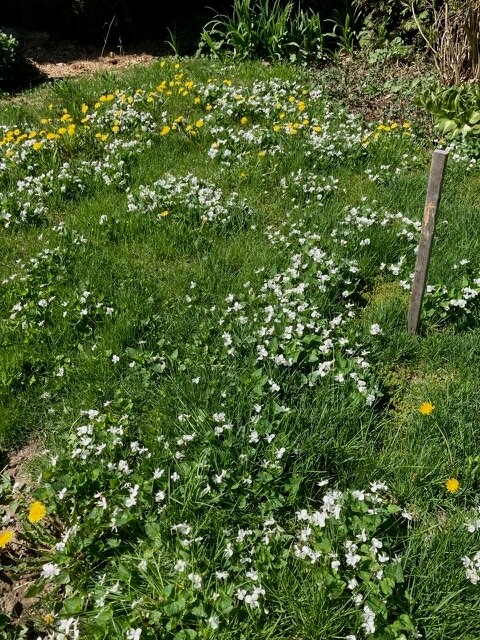
So next spring, I’m going to overseed my lawn with a low-maintenance, water-efficient seed mix, which contains white clover. Natural biodiversity will take hold effortlessly.
What about fertilizer?
When I lived in the countryside, I didn’t use any fertilizer on my lawn for over 20 years, and it always looked beautiful thanks to mowing it long and grass-cycling. There were no grubs or other pests either. That’s what I’ll continue to do on my new property, especially since applying fertilizer—even natural varieties—is prohibited in my town, which sits on the shore of one of Quebec’s most beautiful lakes.
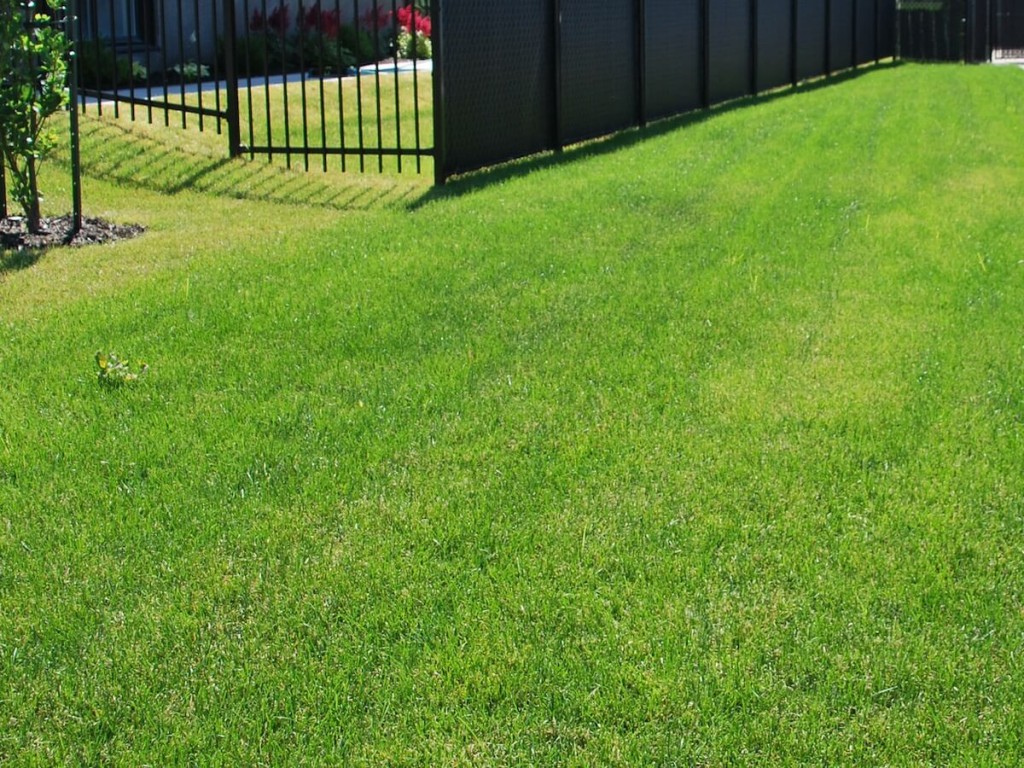
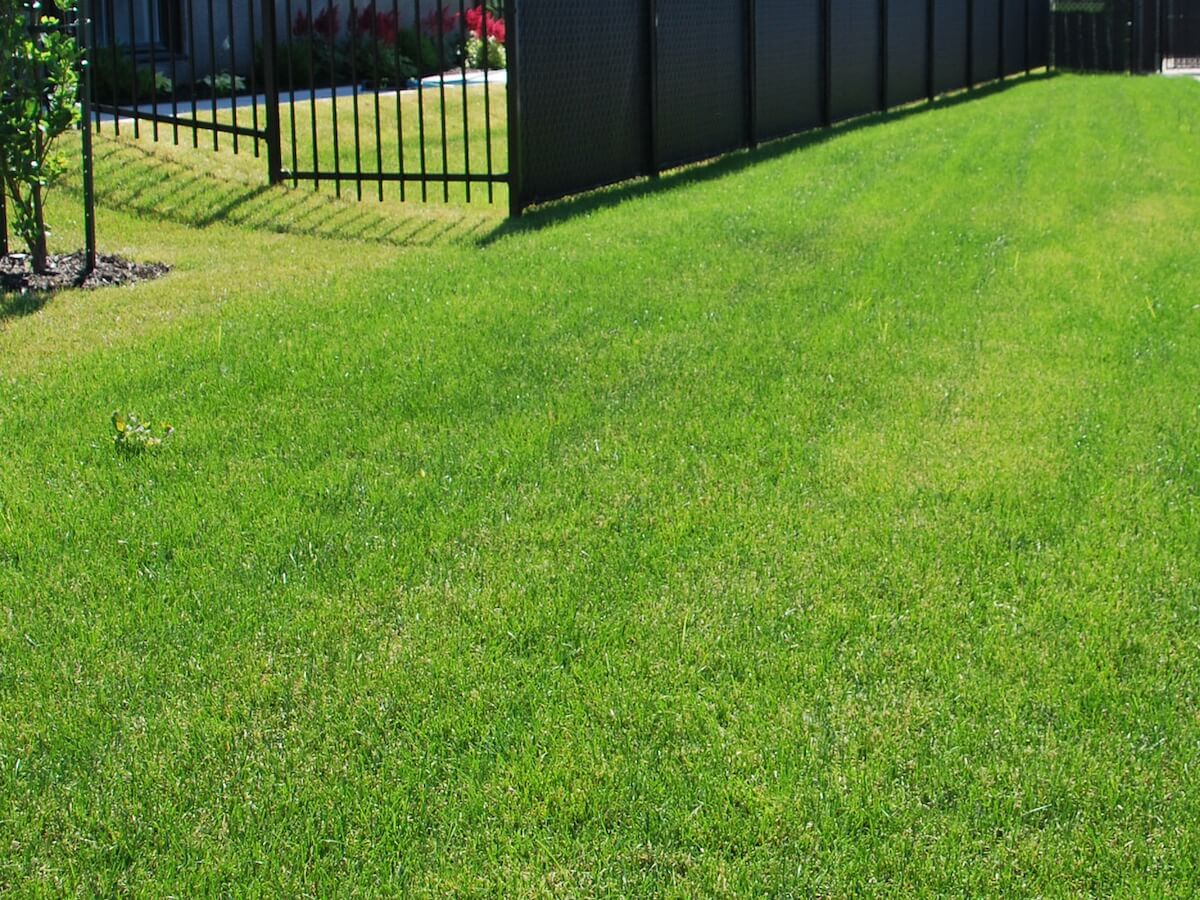
Unfortunately, this regulation isn’t enforced at all, because the municipal parks department has better things to do than play police. It’s obvious that fertilizers—and even pesticides—are being used, especially in condo complexes or rental housing areas where owners hire contractors to maintain the grounds. When you see a neon-green, uniform lawn in the spring with not a single dandelion… it’s clear that fertilizers and selective herbicides have been applied.
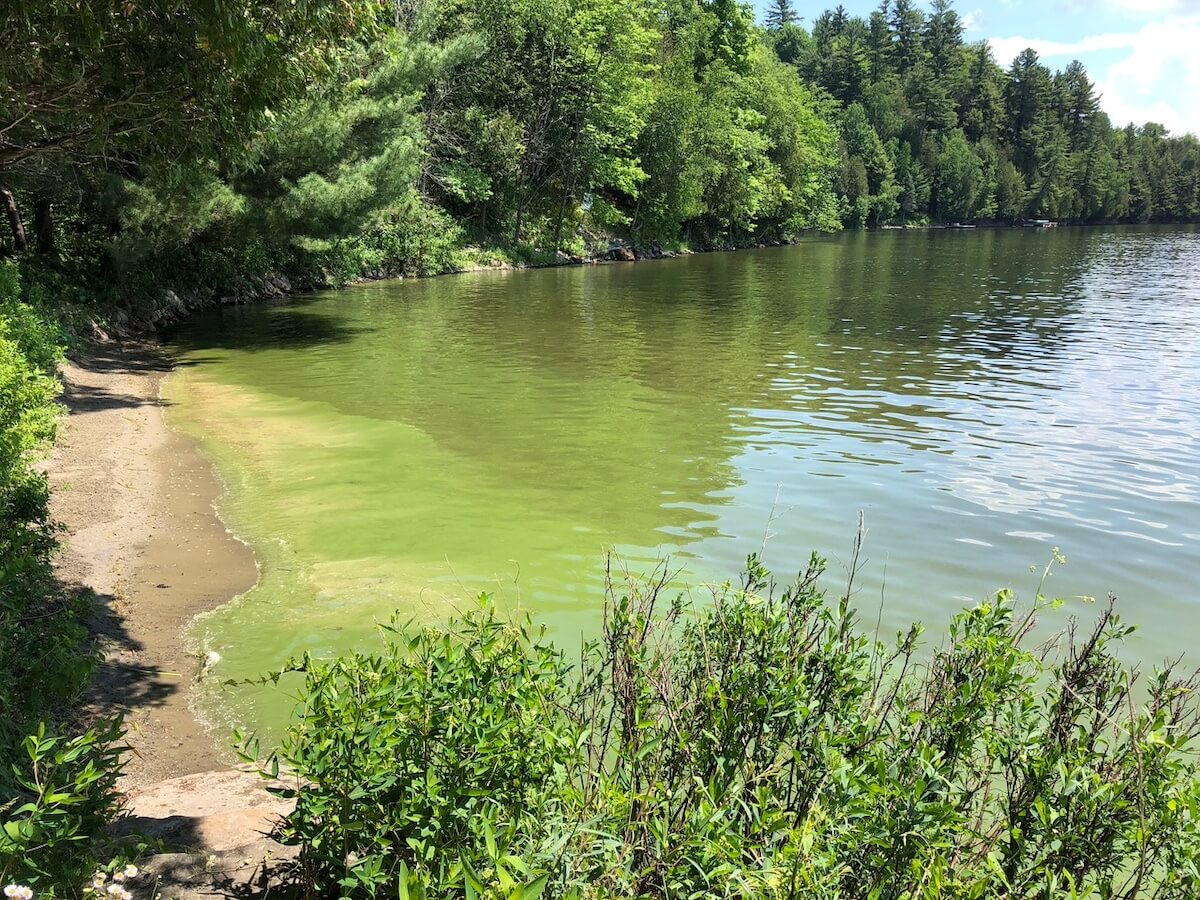
Unfortunately, much of this runoff flows into storm drains after heavy rain and eventually ends up in our lakes. Today, we are seeing a proliferation of aquatic plants and even blue-green algae in nearly all of Quebec’s lakes located in urban or resort areas, despite the expansion of riparian zones and increased monitoring of septic tanks.
Calling everyone!
So, if you see “perfect” lawns—free of dandelions—and your city or municipality has a bylaw prohibiting the use of fertilizers and pesticides on lawns, bring this up with your city council or municipal inspectors. It’s time to relaunch awareness campaigns on eco-friendly lawn care and step up enforcement.