


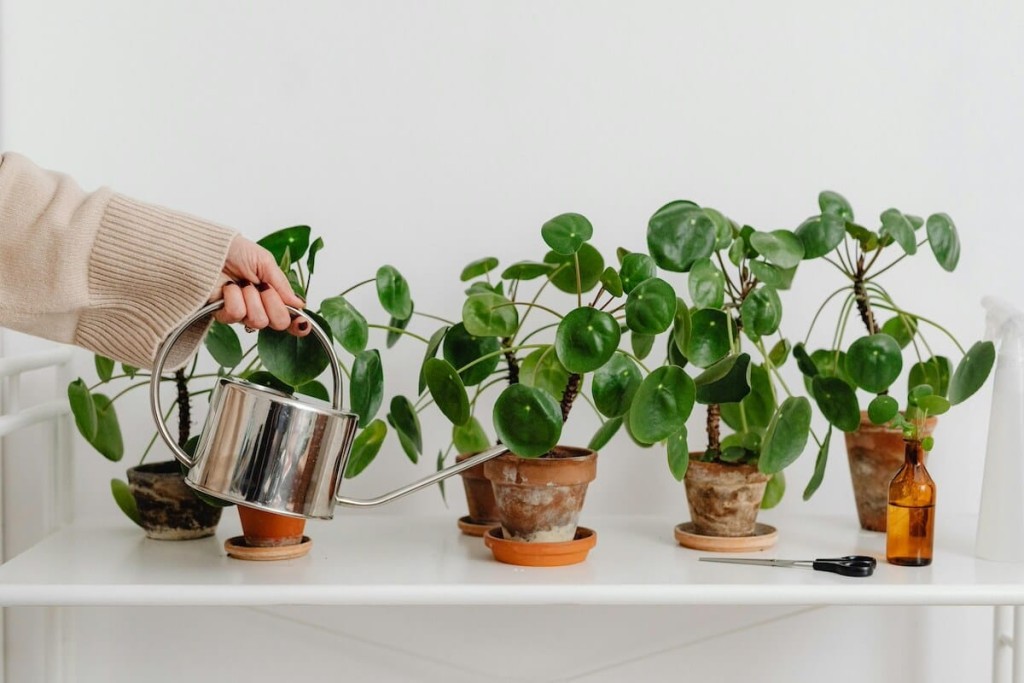
Friendship plant
I received a friendship plant from a cousin. Mine is 90 cm tall and produces a cluster of small pink flowers at the top. The baby plants fall into the soil in the pot and regrow on their own. I’ve seen a similar houseplant called the “Mexican Hat Plant.” Is it the same thing?
Answer
I have to admit: I was the one who introduced the “friendship plant” in 2003 on the TV show Salut Bonjour Weekend. I wanted to see how quickly a plant could spread through “word of mouth”—that is, not through commercial sales, but from person to person through friendly exchanges.
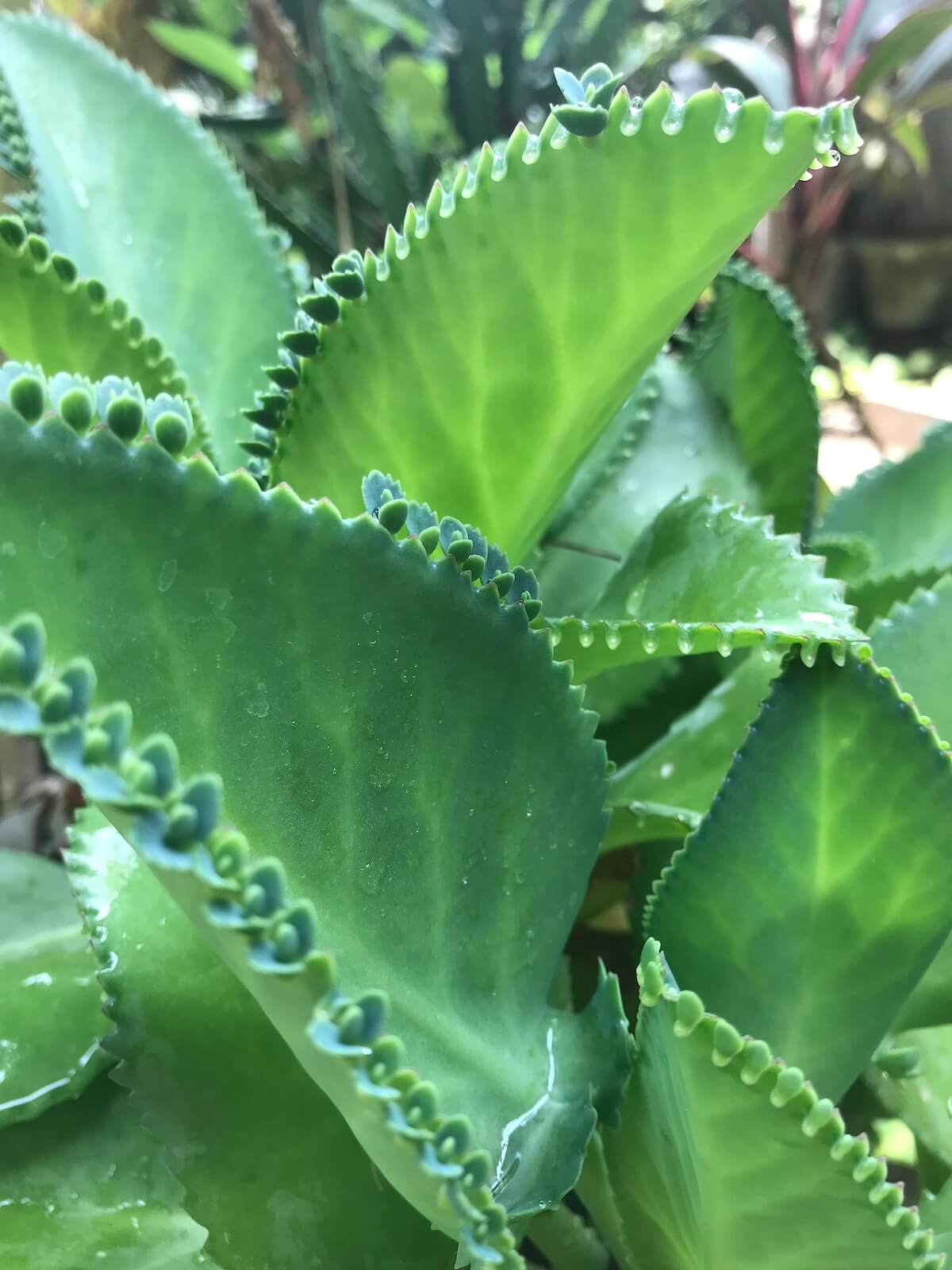
I had found the perfect plant in Kalanchoe ‘Big Momma’ (more correctly identified as K. laetivirens). Still quite rare in cultivation at the time—and I was among the first people in Canada to own one—it produced an incredible number of offshoots on its leaves, which made propagation very easy. And since it’s a succulent, it required only minimal care—mainly fairly bright light and protection from frost—so almost anyone, even a gardening novice, could grow it successfully.
The popular “friendship plant”
For three years, I gave away thousands of them at various conferences, and the friendship plant is now well established throughout Quebec, and even in English-speaking Canada, and more recently in the United States and Europe as well. I was even amused to see a letter published in a British Columbia gardening magazine in which a reader wrote to ask for information about the “Friendship Plant” and where the editor had responded correctly, using the proper botanical name, saying that he, in turn, had received the plant “from a friend in Quebec”! That just goes to show how far the plant has really spread.
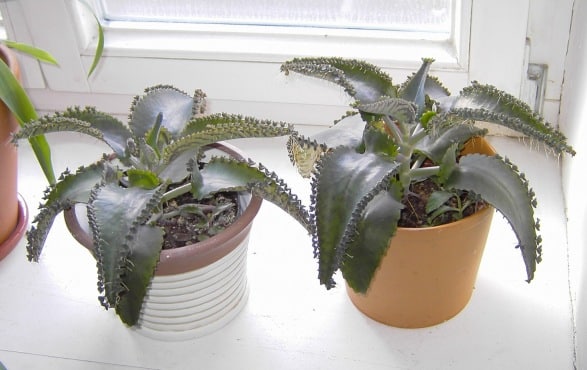
As for the “Mexican Hat Plant” you saw, it is K. daigremontiana, a related plant that also produces offshoots all around its leaves, but differs from the friendship plant in its triangular, rather than rounded, leaves and its dark green, glossy coloration on the upper surface of the leaves and pale green with red spots on the underside (K. laetivirens ‘Big Momma’ is chalky blue on top and unmarked on the underside).
This article was originally published in the newspaper Le Soleil on February 5, 2005.
Friendship Pilea
I received a plant as a gift from the family of a 92-year-old woman who had recently passed away. She had told me that this plant comes from the South and that she had already received a written account of its history from you. It was my last visit with my friend—an unforgettable encounter filled with emotion and tenderness. Apparently, this plant isn’t widely available in stores; it’s passed from one friend to another. Do you have any details about this plant? I would be very grateful. I’m attaching two photos of this little treasure.
Answer
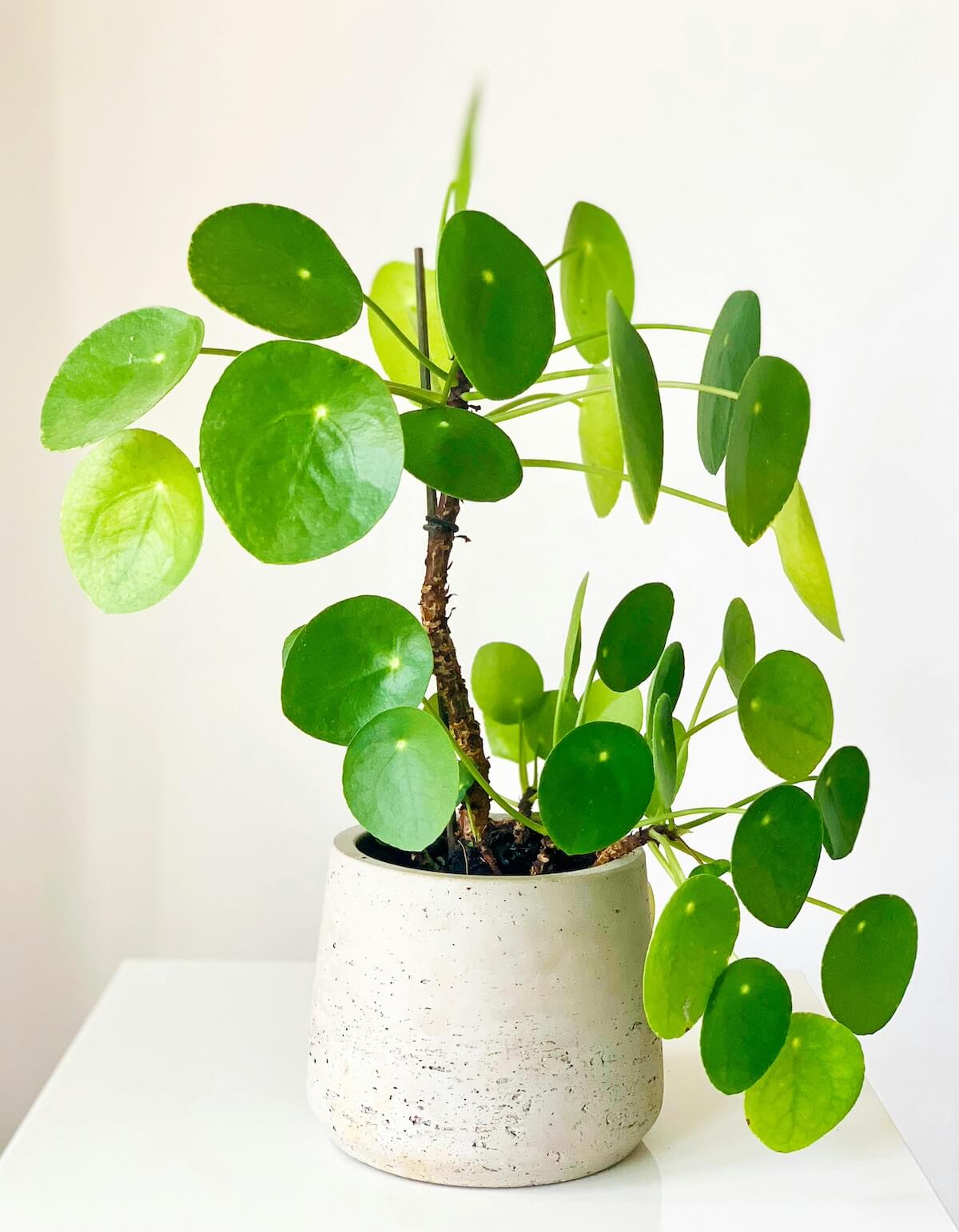
This is the peperomia-leaved pilea (Pilea peperomioides), a houseplant that used to be quite rare but is now more readily available. People usually received it through exchanges with other gardeners. Unlike most pileas, this one does not have small, thin, embossed, elliptical leaves with silver marbling, but rather large, dark green, smooth, fleshy leaves as round as a coin, hence one of its common names: Chinese money plant.
The history of the pilea
As for my writing on the subject, your friend may recall an article published in Le Soleil in April 1998. Here is a summary:
Discovered in Yunnan Province, in southern China, in 1907 by botanist George Forrest and subsequently officially described, the plant was quickly forgotten. In 1945, the species was rediscovered by the Norwegian missionary Agnar Espegren, also in Yunnan, where it was commonly grown in pots. It was wartime, and he had to flee the country in a hurry, but not without taking a cutting with him. He brought it back to Europe, where he distributed cuttings to friends. Thanks to these exchanges among plant enthusiasts, the peperomia-leaved pilea spread from Norway to the rest of Scandinavia, then to Germany, France, England, and beyond.
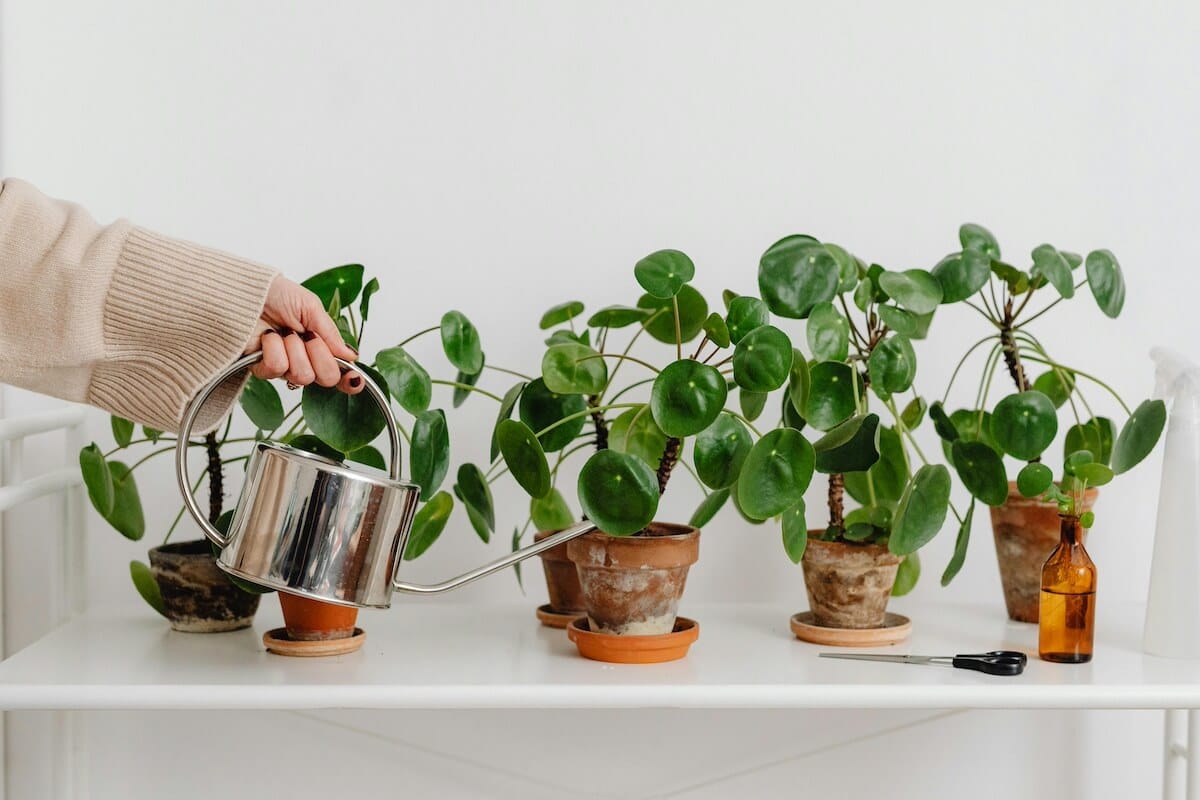
It began to appear in Canada in the 1980s. Curiously, during all that time, no one knew what it was. It was generally referred to as the “mystery plant.” It wasn’t until 1983 that the Royal Botanic Gardens, Kew, asked its researchers to investigate this unnamed plant that the garden had received from one of its members, and after nearly a year of research, they came across George Forrest’s description of the plant from nearly 70 years earlier. Their findings were published in Kew Magazine in 1984, and now this curious plant can be correctly identified.
This article was originally published in the newspaper Le Soleil.