
You watch them grow with pride, water them, and place them under your grow lights like family heirlooms. Your seedlings are thriving; everything is going well. But are you really giving them all the care they deserve? Because there are a few small steps—quick, free, and easy—that we often forget but that make a real difference.
Here are five reminders for you, so you can have the most beautiful, strongest, and best-prepared plants when it’s time to move them outside.
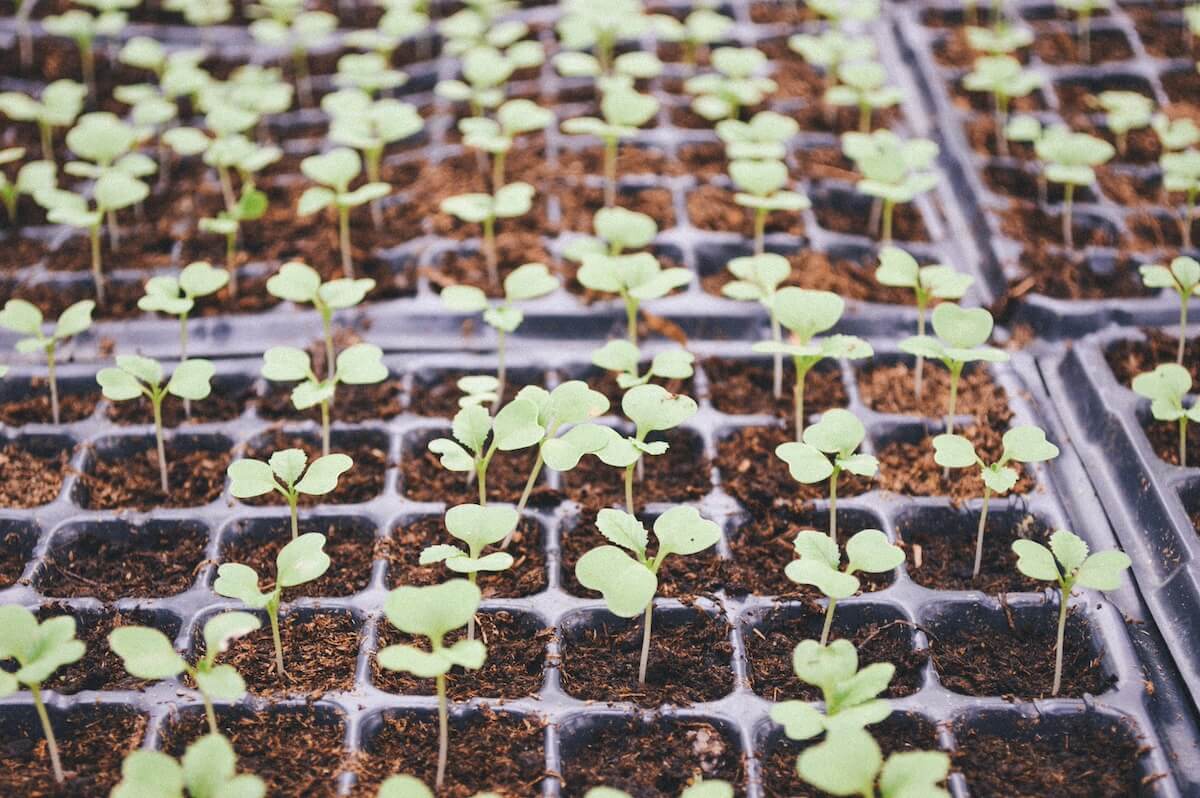
1. Shake your seedlings
It sounds strange when you put it that way, but it’s serious business: give your seedlings a gentle shake often. Run your hand lightly over them, give the tray a slight shake, or set up a small fan to blow a gentle breeze.
Here’s why: outdoors, the wind forces young plants to toughen up. Their stems thicken, their cells strengthen, and their roots anchor firmly. This phenomenon is called thigmomorphogenesis (yes, it’s a real word, and no, it’s not a disease). Indoors, sheltered from any drafts, your seedlings grow in such a calm environment that they develop long, fragile stems, completely unprepared for life in the open ground.
It takes ten seconds and can prevent a lot of disappointment when transplanting. Go on, give your seedling tray a big hug!
2. Pinch your basil
If you have basil seedlings under your grow lights, take a look at them: are they growing tall with a few pairs of well-spaced leaves? It’s time to pinch them back!
Pinching means removing the terminal bud—the little growth tip at the top—with your fingernails (or something else if you’re fancy, but I’m afraid to bring my scissors near such tiny plants. With my fingers, I can feel exactly where I’m cutting). It takes two seconds, it doesn’t hurt (neither you nor the plant, I promise), and it forces the plant to branch out. Do this at the end of each stem: two nice leaves, snip; two stems grow; two more nice leaves, snip! Now you have four stems! Instead of a single stem reaching for the ceiling, you get a bushy plant with multiple branches. More leaves, more basil in your pesto. What could be better?
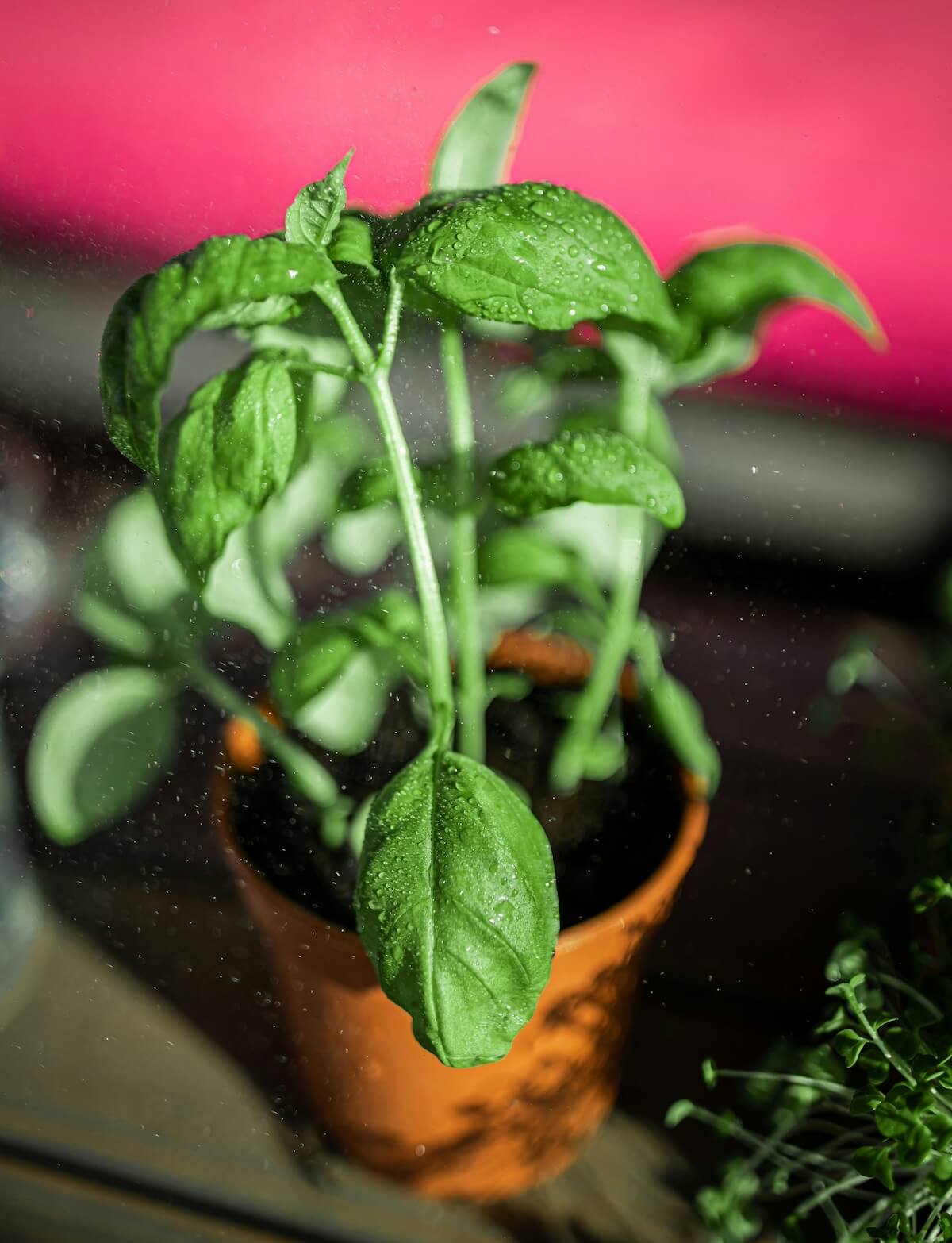
If you didn’t use the terminal bud and you have a stem tip with new leaves (as shown in the picture), feel free to cut the stem lower down, after the first true leaves. You’ll still get two new stems!
This also works with other leafy herbs like mint, sage, or lemon balm. This old gardening trick is less necessary with modern varieties bred to be naturally well-branched, but for classic basil, pinching remains very effective. I’ve even seen people pinch their first tomato stems to get a plant with two main stems!
3. Thin out ruthlessly (and without guilt)
I know, I know. You planted them close together because you weren’t sure all the seeds would sprout. And now you have five little tomato plants in the same pot, all so cute, and the thought of pulling out four of them breaks your heart. But you have to do it.
Overcrowded seedlings compete for light, water, and nutrients. They become spindly, weaken, and sometimes end up all dying. One strong plant is better than five weak ones. Thin them out by keeping the strongest one, and cut the others at ground level with small scissors—without pulling them out, so as not to disturb the roots of the plant you’re keeping. And don’t wait to see “which one will be the best.” The longer you wait, the more nutrients the four you’re sacrificing will have stolen from the soil!
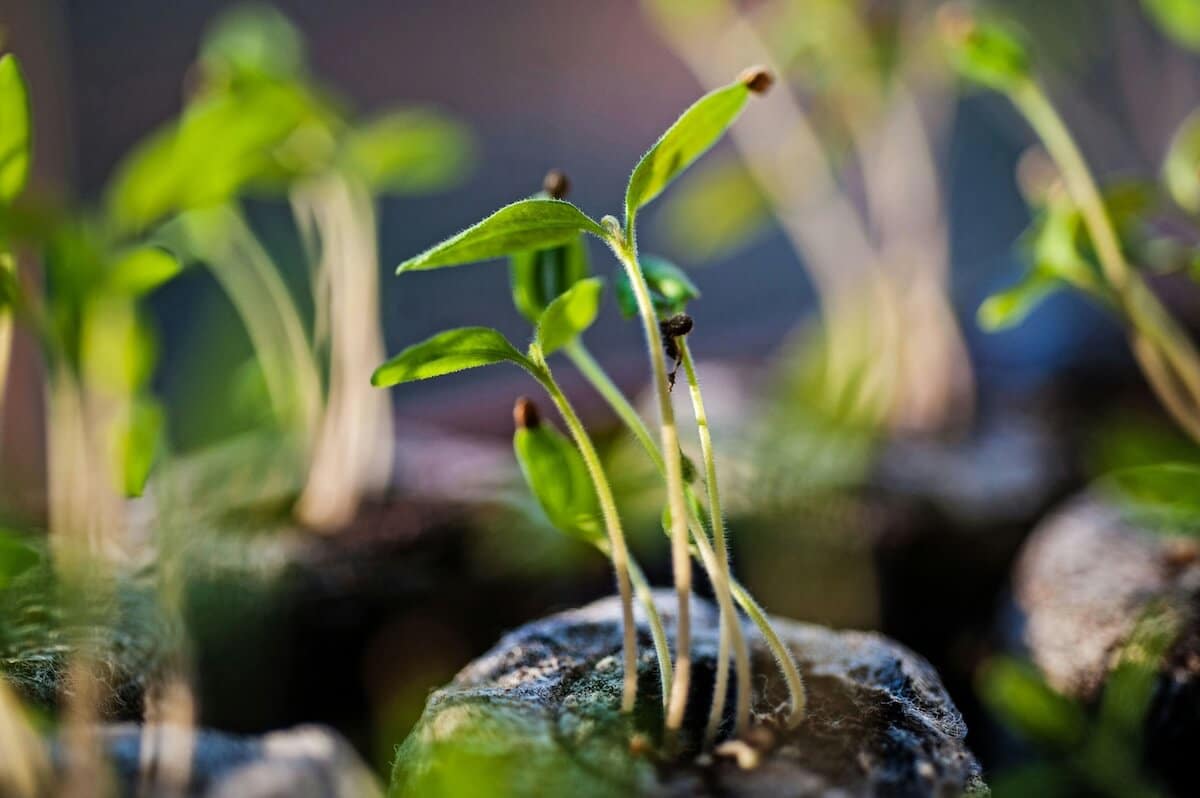
It’s emotionally tough. But it’s the right decision. Hang in there! Stay strong!
4. Remove the first flower from your pepper plants
Here’s a tip that many experienced gardeners follow, even though the scientific evidence is largely anecdotal: when a young chili or bell pepper plant produces its very first flower while it’s still small, you remove it.
The idea is that a plant that’s still tiny and trying to produce fruit will focus all its energy on that first fruit at the expense of its overall growth. By removing that first flower, you’re telling it, “Not yet—grow up a bit.” In Canada, with our short growing season, having a well-developed plant before flowering is crucial—it will have more branches, meaning more flowers, meaning more peppers in the fall… And not just one pepper in July and maybe a few more later on!
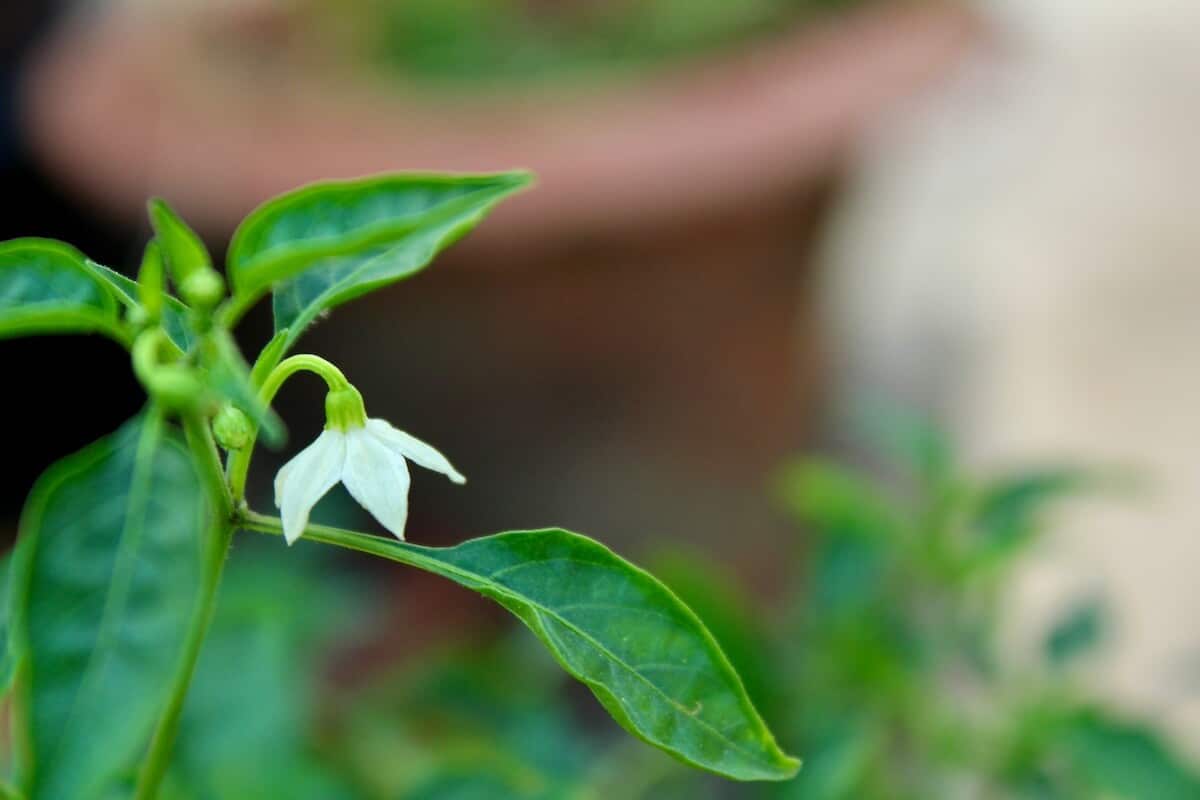
To be a good gardener, you have to be ruthless! The first spring flower in April? No way!
Turn your trays
You have a nice, well-set-up seedling tray, and your seedlings seem to be leaning slightly toward… a particular direction? That’s phototropism: plants grow toward the light (and it’s still not the name of a disease!). If your light source isn’t perfectly centered above them, they’ll gradually become lopsided.
The solution: rotate your trays 90 degrees every time you water, or about twice a week. It takes five seconds, and it results in straight, well-balanced seedlings that will be much easier to handle when transplanting.
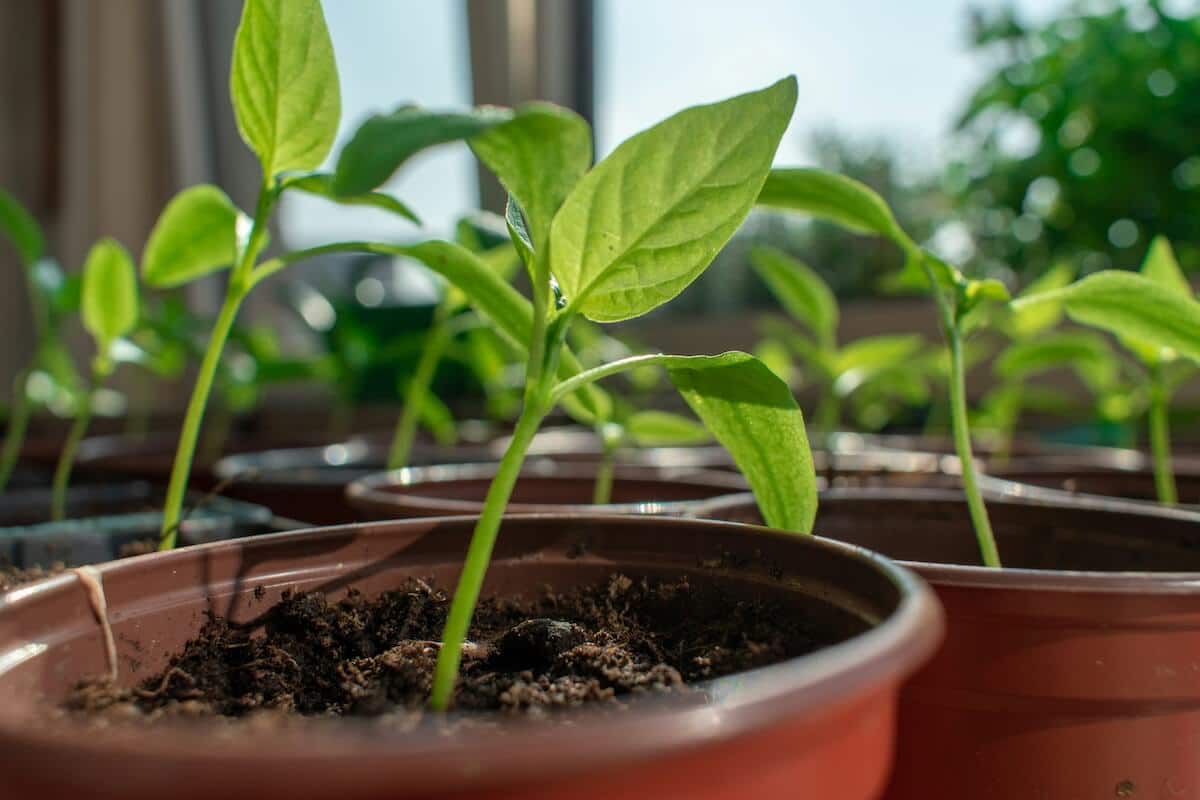
There you go! Five simple steps that aren’t exactly revolutionary, but are easy to forget when you have ten different types of plants under your grow lights and life gets busy. So, think of this article as a friendly reminder: watering is the bare minimum, but in just two extra minutes, you can do the most for your plants!
0 comments on “5 Quick Tips (That We Often Forget!) to Help Your Seedlings”