


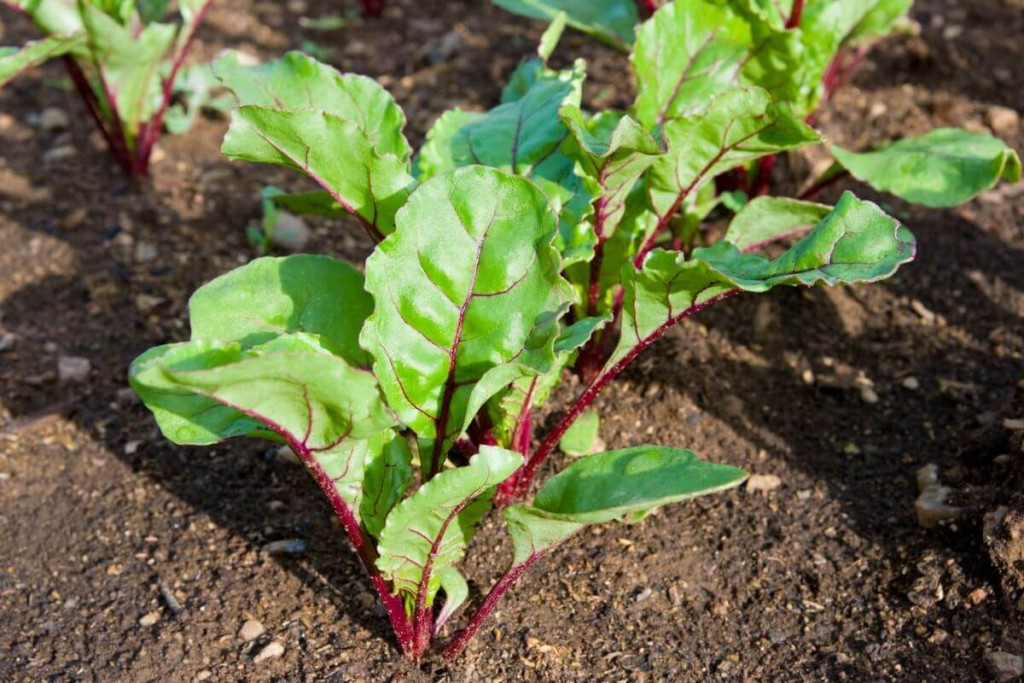
Why aren’t my beets getting bigger? They’re growing leaves, but the roots aren’t getting any bigger. I sometimes have the same problem with my radishes, too.
Answer
It’s hard to give a precise answer to this question, since I don’t know the conditions of your garden: soil type, sunlight exposure, pH, nutrient availability, fertilizers or soil amendments used… all of these factors can influence the ability of beets—and radishes—to grow their roots and, ultimately, your harvest.
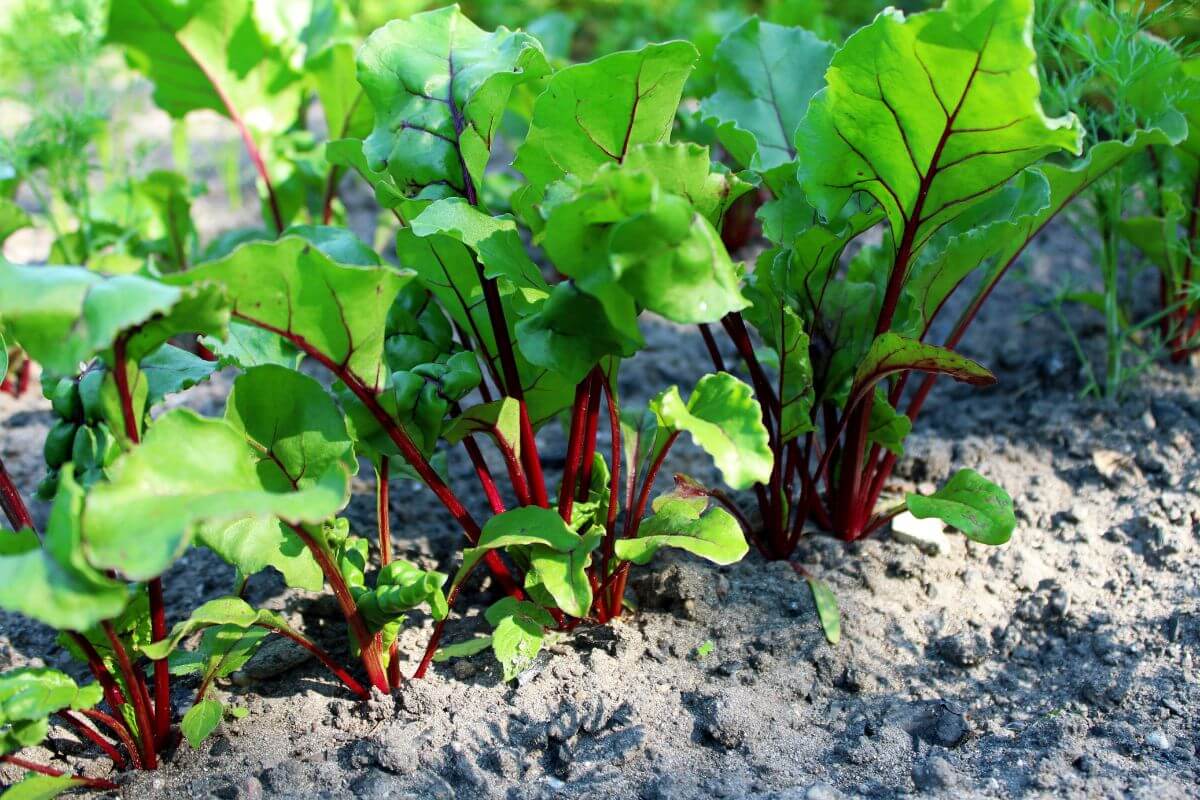
So I’m going to go over the most common causes of this problem, in the hope that one of them applies to your situation. I’ve listed them in order of importance: the most likely causes first, followed by the rarest ones at the end of the list.
Excess nitrogen
Nitrogen (N), whether it comes from the soil, compost, fertilizers, or any other source, promotes chlorophyll synthesis and stimulates vegetative growth—that is, the development of leaves and stems—sometimes at the expense of the crop we want to harvest.
Excess nitrogen is one of the main causes of poor harvests in root vegetables, such as beets. Rather than promoting the formation of large, round roots, excess nitrogen primarily stimulates leaf growth. Conversely, the formation of storage roots depends more on phosphorus (P) and potassium (K), two elements essential for the transfer and storage of energy within the plant. An imbalance favoring nitrogen therefore causes the plant to invest in foliage rather than in its underground reserves.
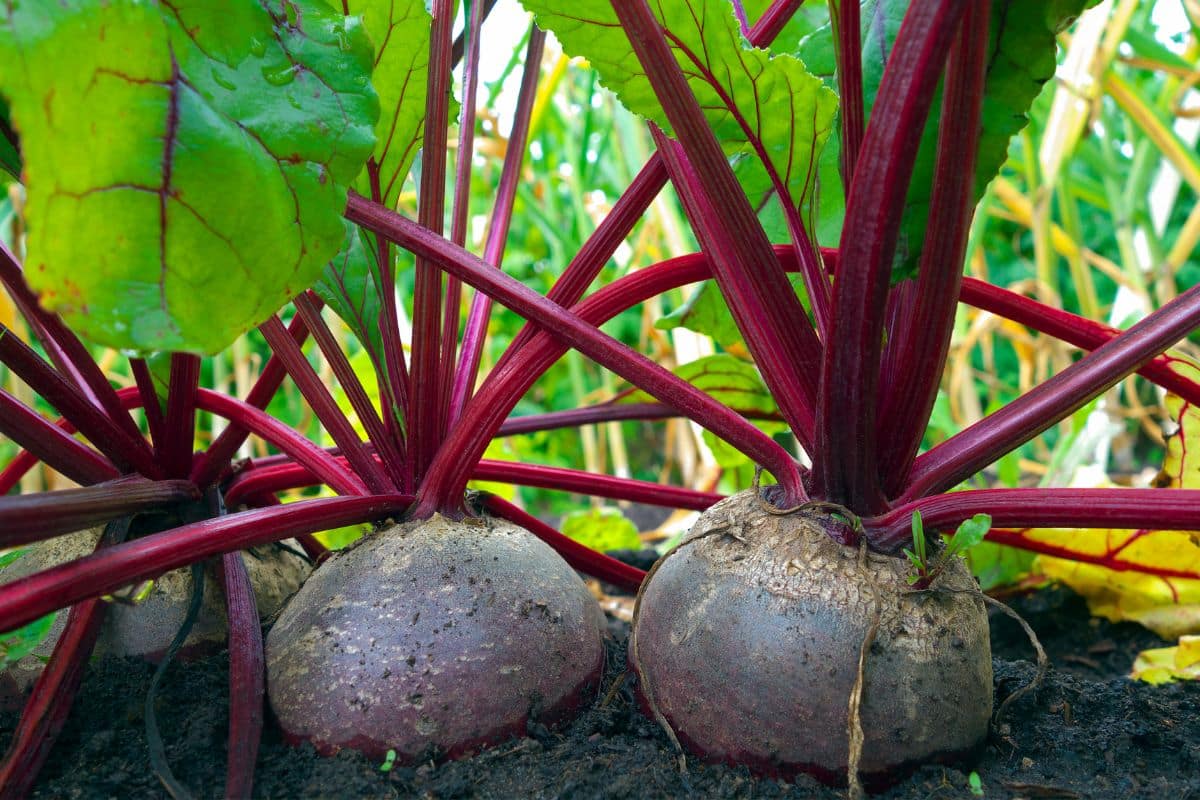
In fact, when you rotate crops in the vegetable garden based on nutrient requirements, root vegetables are often planted where more nutrient-demanding crops previously grew. In a typical rotation, fruiting vegetables (tomatoes, squash, peppers) receive more compost or fertilizer. The following year, leafy vegetables are planted next, benefiting from the nutrients still present in the soil, particularly residual nitrogen. Then come root vegetables, which have more modest needs and thrive in less fertile soil without excess nitrogen.
Whether or not you practice crop rotation, it’s a good idea to avoid using nitrogen fertilizers—or even fertilizers in general—for beets: well-balanced soil, enriched with a little mature compost, is usually sufficient. Sometimes, too much is just as bad as too little!
Seeds planted too close together
When plants share the same space, they must also share resources: light, water, and nutrients. If any of these become scarce, it can affect their growth. For this reason, it is important to maintain proper planting distances.
In the case of beets, this is even more important, because what you sow is actually a glomerule: a small cluster containing between 2 and 5 seeds. Even if not all of them germinate, several plants may end up very close together in the same spot.
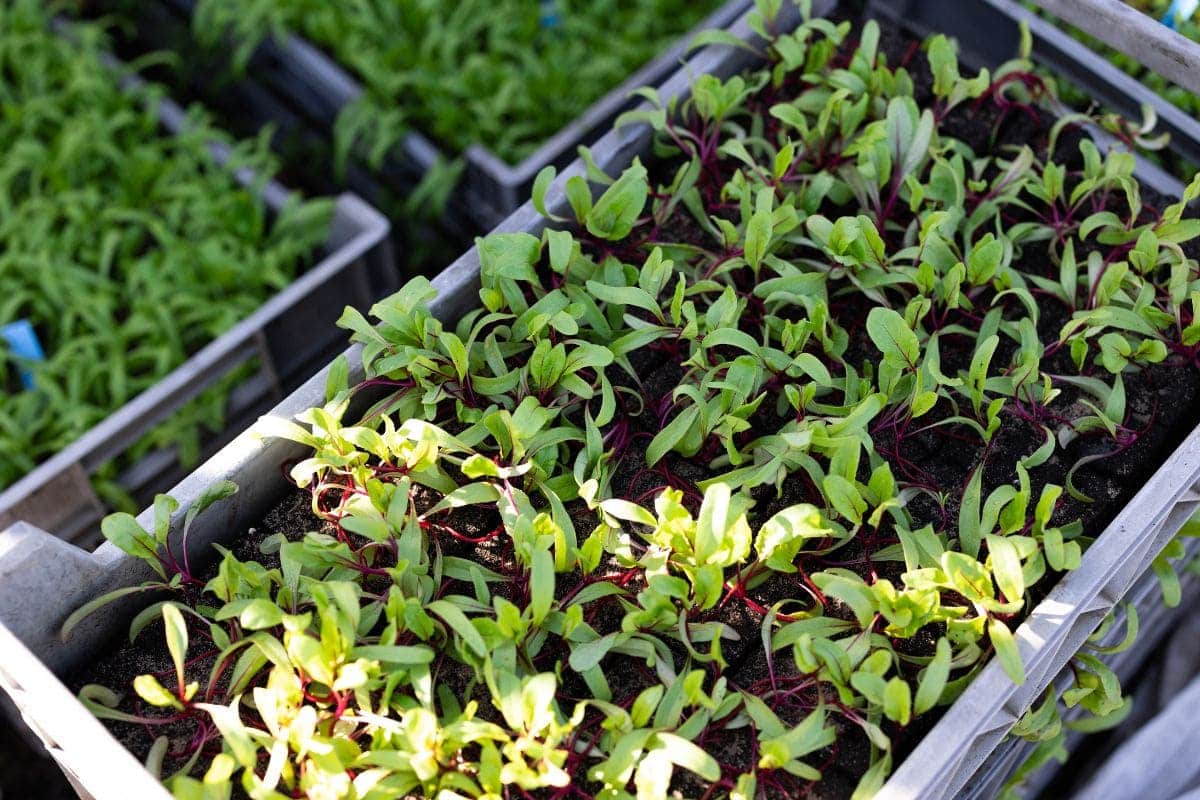
Thinning is therefore essential. The general rule is to leave one plant every 5 to 10 cm (2 to 4 inches).
And above all, don’t pull out the excess plants: this could disturb the roots of the plant you’re keeping. Cut or pinch them off at the base to leave the strongest beet in place.
The young shoots cut during thinning are delicious in salads: they are actually true microgreens!
For radishes and other root vegetables that do not produce clusters, you should still follow the recommended spacing and thin as needed.
Soil that is too compact
Since we’re talking about root vegetables here, soil texture plays a crucial role. Soil that is too hard—especially clay, compacted, or stony soil—prevents the beet’s taproot from penetrating properly and swelling fully.
But this isn’t just a physical obstacle. Compacted soil also disrupts water management: either it retains too much water and the roots suffocate, or the water runs off without penetrating properly. Beets, however, need a constant balance between air and moisture to develop properly.
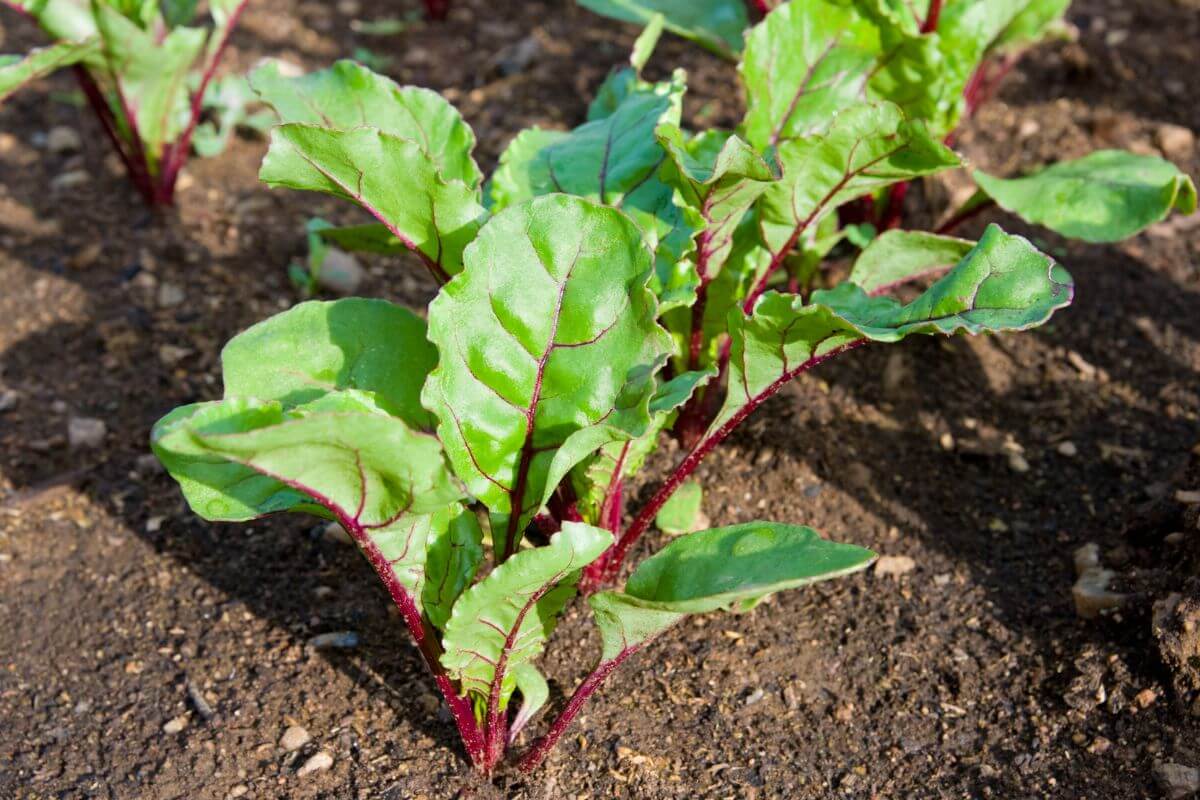
Avoid rotary tilling, even if it seems to make the soil looser in the short term. Over time, this mechanical disturbance destroys the soil structure, which eventually compacts again.
Another common mistake: adding sand to “lighten” clay. In reality, without a significant amount of organic matter, the clay-sand mixture can result in a texture… similar to concrete. This is therefore not a recommended solution.
To improve heavy soil, it’s better to focus on organic matter. A good dose of compost or the addition of decomposable organic mulch—such as fallen leaves or straw—will help gradually improve the soil’s structure.
Over time, the soil’s microorganisms and fungi will do the work for you, creating a more aerated and living structure. Provided, of course, that you give them the chance to act by keeping soil disturbance to a minimum.
That said, soil doesn’t transform in a matter of weeks. If your soil is very compact and you want a good harvest quickly, a simple solution is to grow in raised beds or mounds, adding compost to the surface. An excellent strategy for the gardener in a hurry!
Inadequate watering
Beets and radishes prefer soil that stays slightly moist, without becoming waterlogged. It’s best to prevent the soil from drying out too deeply, as this can cause the roots to become fibrous. Conversely, soil that shifts abruptly from dry to very wet can cause the roots to split. Constant excess water can also lead to root rot. Regular, consistent watering is therefore ideal, for example using a soaker hose with a timer.
That said, the lazy gardener can often do without mechanical watering entirely. Mulching—7 to 10 cm (3 to 4 inches) of straw or shredded leaves—retains moisture, reduces evaporation, and stabilizes soil conditions.
Temperature too high
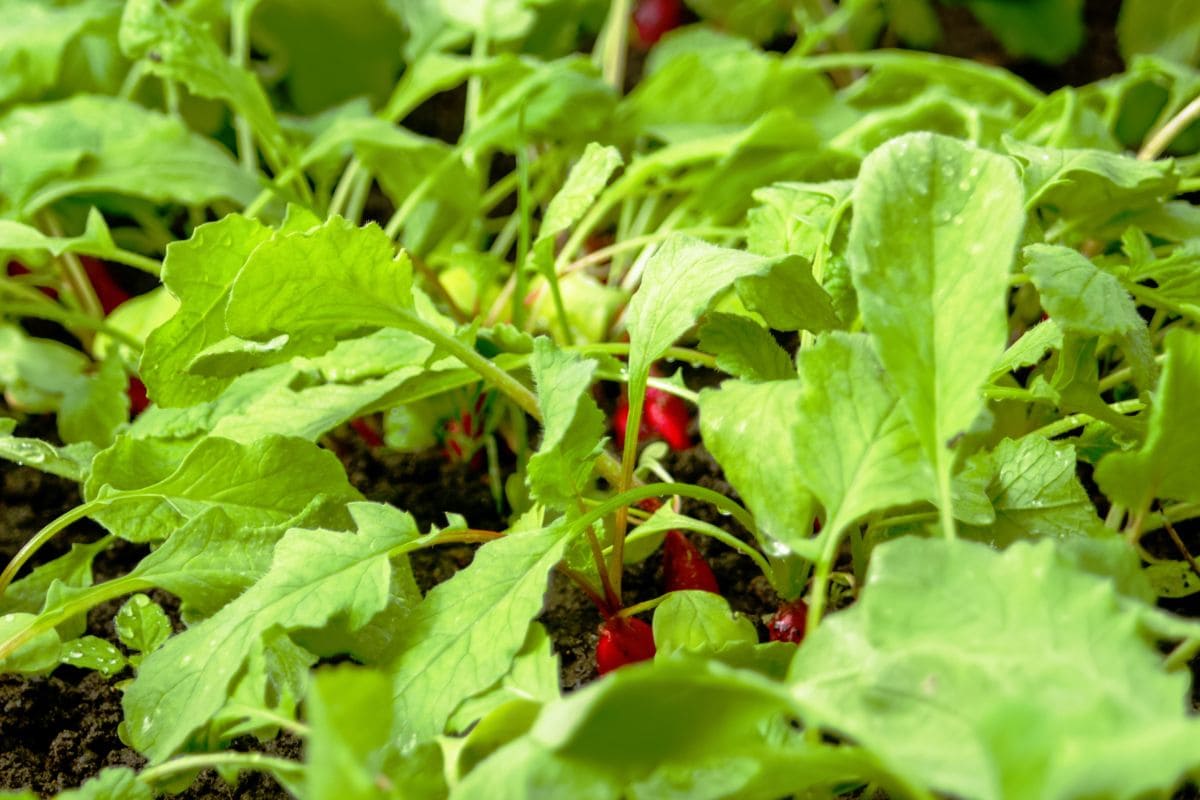
Radishes should be sown early, as soon as the soil is workable in the spring or reaches 7 °C (45 °F), which is often in late April or early May in Canada. When temperatures consistently exceed 25 °C (77 °F), radishes receive the signal to bolt, which slows down or stops root development. You can also sow radishes for a fall harvest starting in mid-August.
pH too high or too low
Beets do not thrive in overly acidic soil. They prefer neutral to slightly alkaline soil. An inappropriate pH can hinder the absorption of essential nutrients, particularly phosphorus, which is important for root development.
In acidic soil, phosphorus often becomes unavailable to the plant: it reacts with iron and aluminum present in the soil to form poorly soluble compounds that the roots struggle to absorb. Furthermore, microbial activity and the release of organic phosphorus are slowed down, which further limits its availability.
This is why it is important to conduct a soil analysis, or at the very least check the pH from time to time, to ensure that conditions allow for proper plant nutrition.
Nutrient deficiencies
Beets have specific nutritional needs, particularly for boron; a deficiency can lead to “black heart,” which causes dark spots inside the root.
Phosphorus also plays a key role in root development, but in a well-maintained vegetable garden, deficiencies are relatively rare. More often than not, it is the availability of nutrients—influenced by pH or moisture—that poses a problem, rather than an actual deficiency.
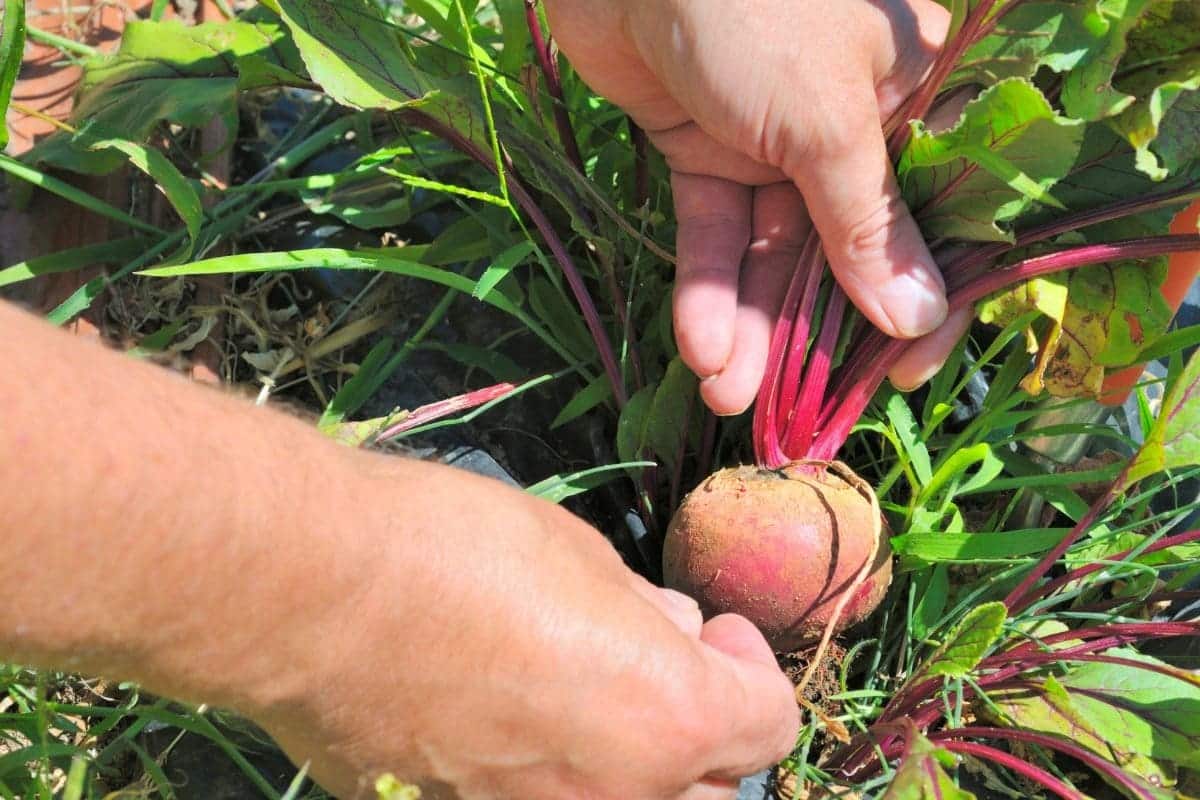
For the laidback gardener, the best approach is simple: use mature compost and plenty of mulch. Compost generally contains enough trace amounts of boron for home gardening, and soil that is kept moist allows this element to reach the roots. Dry soil can prevent its absorption, even if it is present.
Be careful, however: boron is a trace element, and the line between “sufficient” and “toxic” is very thin. An excess can harm crops and even make the soil problematic for certain sensitive plants, such as beans. Hence the importance of avoiding unnecessary additions and opting for a soil test when in doubt.
Lack of light
To form a storage root, a plant must produce more energy than it consumes. Its priority is always its immediate survival: respiration, maintaining its leaves, and minimal growth. Root swelling occurs only when there is a surplus of energy, in the form of carbohydrates, to store. In the shade, the plant consumes almost everything it produces… and therefore does not build up reserves.
This is why beets and other root vegetables need sustained sunlight, generally at least 6 hours of direct sun per day. Unlike leafy vegetables, which tolerate partial shade better, the production of sugars and starch in a root requires abundant and constant light.
In low-light conditions, the plant reacts by becoming leggy: it elongates its stems in an attempt to reach the light, which consumes a lot of energy at the root’s expense.
Transplant shock
Beets, radishes, and other taproot vegetables do not tolerate transplanting well. Damage to the main root can severely hinder their growth. It is therefore best to sow them directly in the ground rather than buying seedlings.
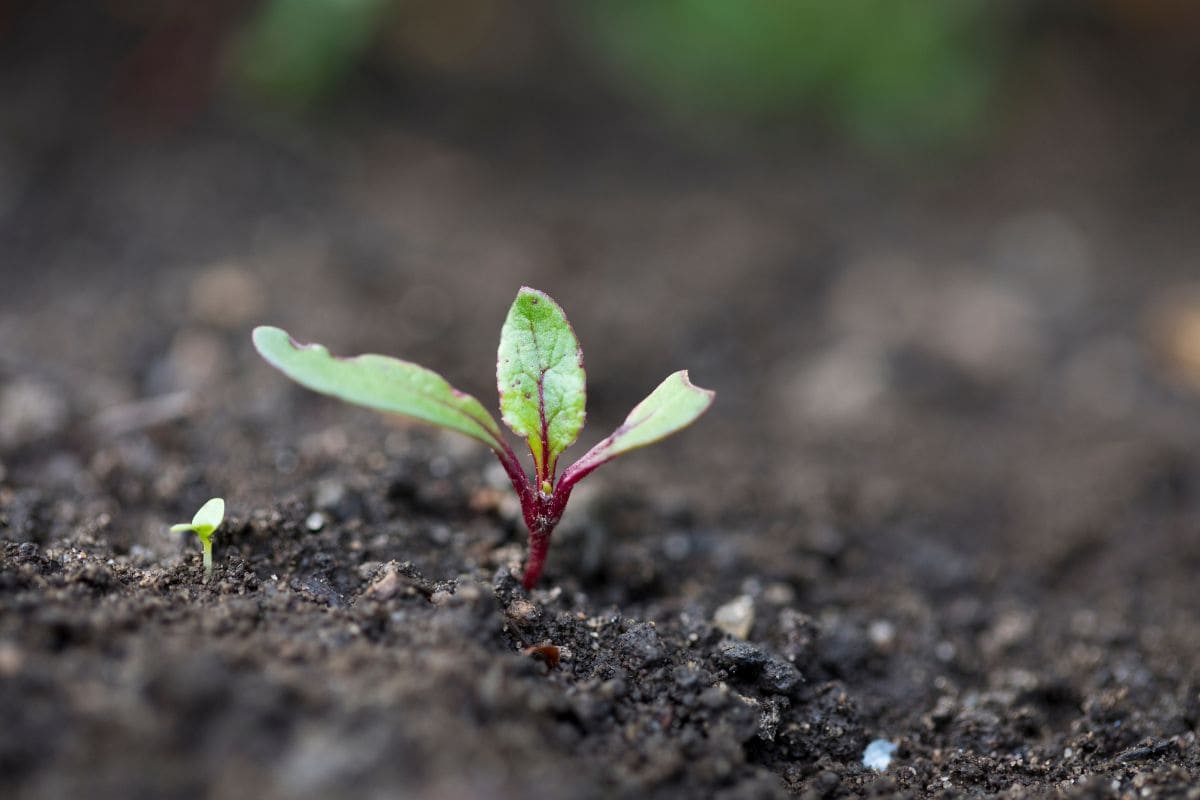
Beets, radishes, and other taproot vegetables do not tolerate transplanting well. As soon as they germinate, they develop a vertical main root—the taproot—which acts as a support and will eventually become the fleshy root.
If this taproot is bent (for example, at the bottom of a small pot), broken, or simply disturbed, the plant loses its ability to form a uniform root. It then reacts by producing several secondary roots, or a deformed, forked, and often woody main root.
This is why direct seeding is always the best option, rather than buying pre-grown seedlings. The root then establishes itself uninterrupted in the soil, which promotes even growth… and a beautiful shape at harvest.
Pests or diseases
At the bottom of the list are pests and diseases. Unlike other, more subtle causes such as pH levels or certain nutrient deficiencies, their effects are generally visible: holes in the leaves, feeding tunnels, spots, or deformities. If the foliage is healthy and well-formed, there’s a good chance the problem lies elsewhere.
We must also put their impact into perspective. A plant can tolerate some loss of foliage without it preventing the root from growing. Nature is more resilient than we think.
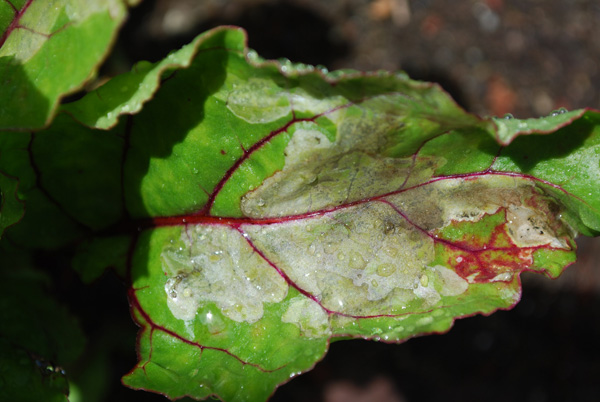
Furthermore, pests and diseases are often a consequence rather than a cause. A plant that is already stressed (compacted soil, lack of water, nutrient imbalance) becomes more vulnerable. The insect or disease then acts as a warning sign… or the final blow.
Fortunately, there are simple and effective solutions to insect problems. An insect net installed at the time of sowing can prevent most issues, particularly with cabbage flies or beet leafminers.
In a diverse garden, natural predators—such as ladybugs or hoverflies—help maintain balance without intervention.
Finally, crop rotation remains a key strategy. Simply avoiding replanting radishes or beets in the same spot from one year to the next often breaks the cycle of insects and soil-borne diseases.

Good luck with your beets and radishes this year!