

Color coordination is a pivotal moment in a gardener’s career. The goal is no longer just to create an attractive garden and collect perennials. Now, the objective is for the garden to be both pleasing and beautiful. This series of articles offers an in-depth exploration of color theory and harmonization techniques. Ultimately, it answers the fundamental question: How can I keep my garden from looking like a pizza? Let’s start with the basics.
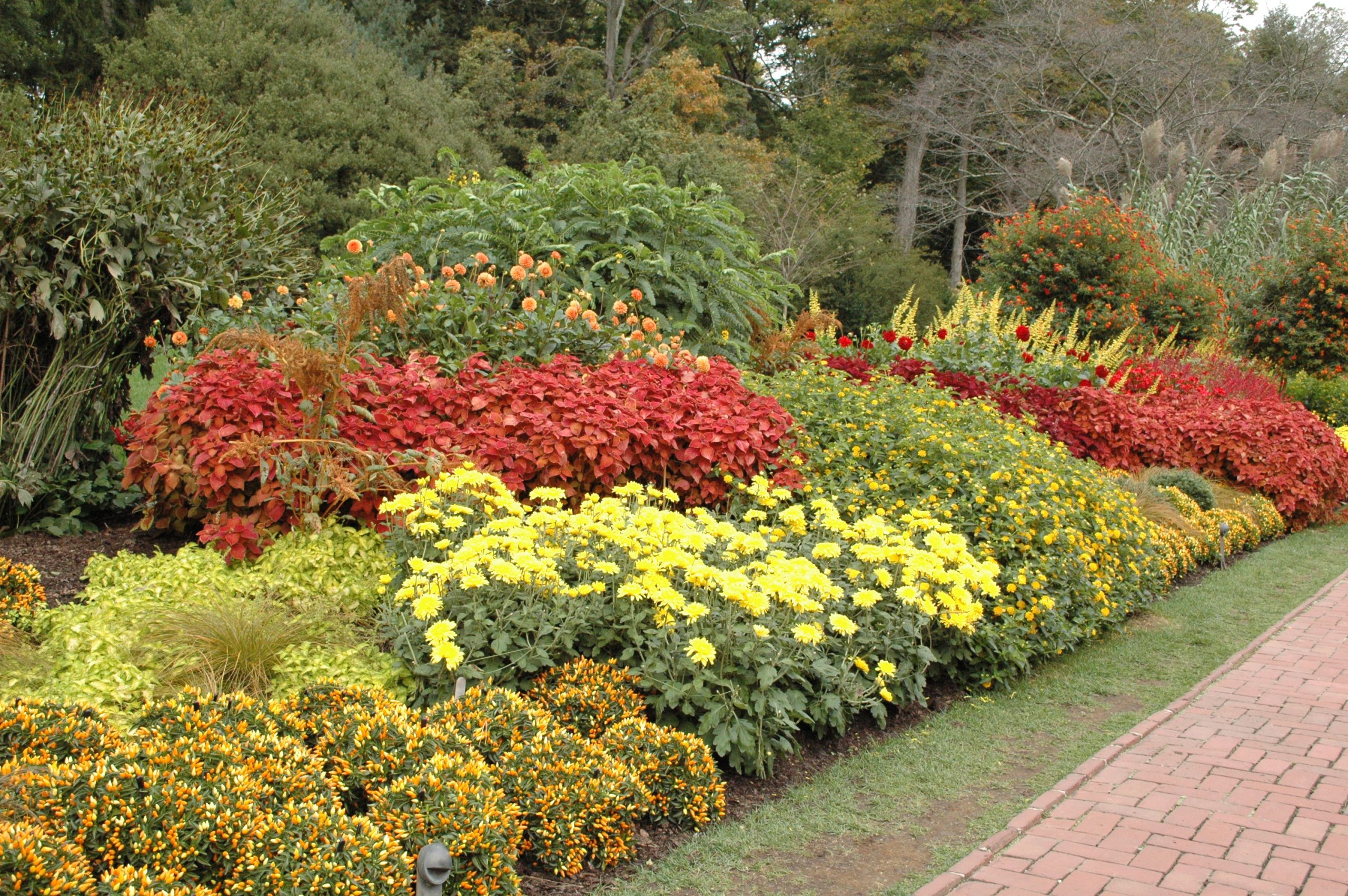
Beautiful. Not beautiful. How can you tell the difference? In gardening, aesthetics are much more a matter of the gardener’s personal taste than of precise standards. Moreover, even though we will examine a theory of color here, sometimes two debatable colors complement each other perfectly, despite what the “rule” says. This is why it’s important to remember that the rules of color harmony are just suggestions. They aren’t set in stone! You can bend the rules!
Color theory: child’s play!
Color theory leans more toward mathematics than art. It involves understanding the color wheel. However, studying color theory provides a better understanding of color. It’s similar to learning to draw with the right side of the brain. When you (temporarily) set aside the artistic and intuitive aspects of drawing to focus on the logical and reasoned ones, you gain a better understanding. Ultimately, you become a better artist. Thus, studying the color wheel and the concepts of tones and hues helps you understand why certain colors work well together while others clash.
To better visualize color theory, imagine a child playing with paint. The three primary colors are yellow, red (sometimes called magenta), and blue (cyan). For the purposes of our garden, however, let’s stick to yellow, red, and blue. These colors are called primaries because it’s impossible to mix two colors to obtain them. All other colors are mixtures of these three colors in varying proportions.

To obtain a secondary color, we mix two primary colors in equal quantities. For example, we get green by mixing yellow and blue. Mixing red and yellow produces orange. Adding more yellow or blue to green produces different hues of green. If it contains more yellow, it is lime green. Turquoise contains more blue. This is how we perceive all the different shades of green.
But that’s not all! You can also nuance color by adding white. This creates tints. Pink is the best example of this (it’s a mixture of red and white). Depending on the amount of white added, pink can be dark, candy pink, or pale. Tints characterize the entire range of a color, from pale to medium to dark.
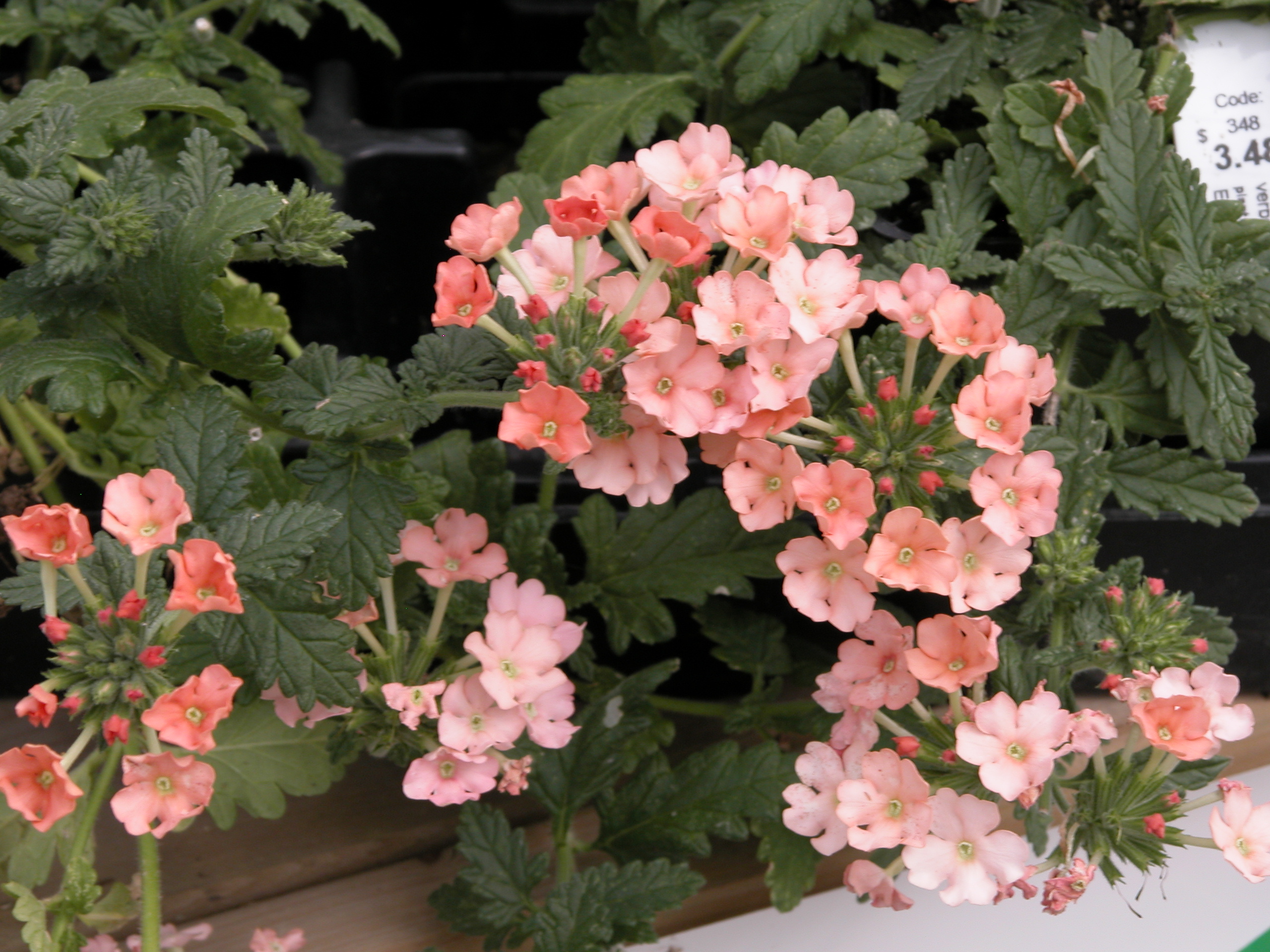
Now, let’s complicate things a bit and get back to our pink! If the pink has a hint of blue, it will lean toward mauve or purple. On the other hand, if the pink has more yellow in it, it will tend toward peach or melon. Therefore, the hue and tint of this pink can vary!
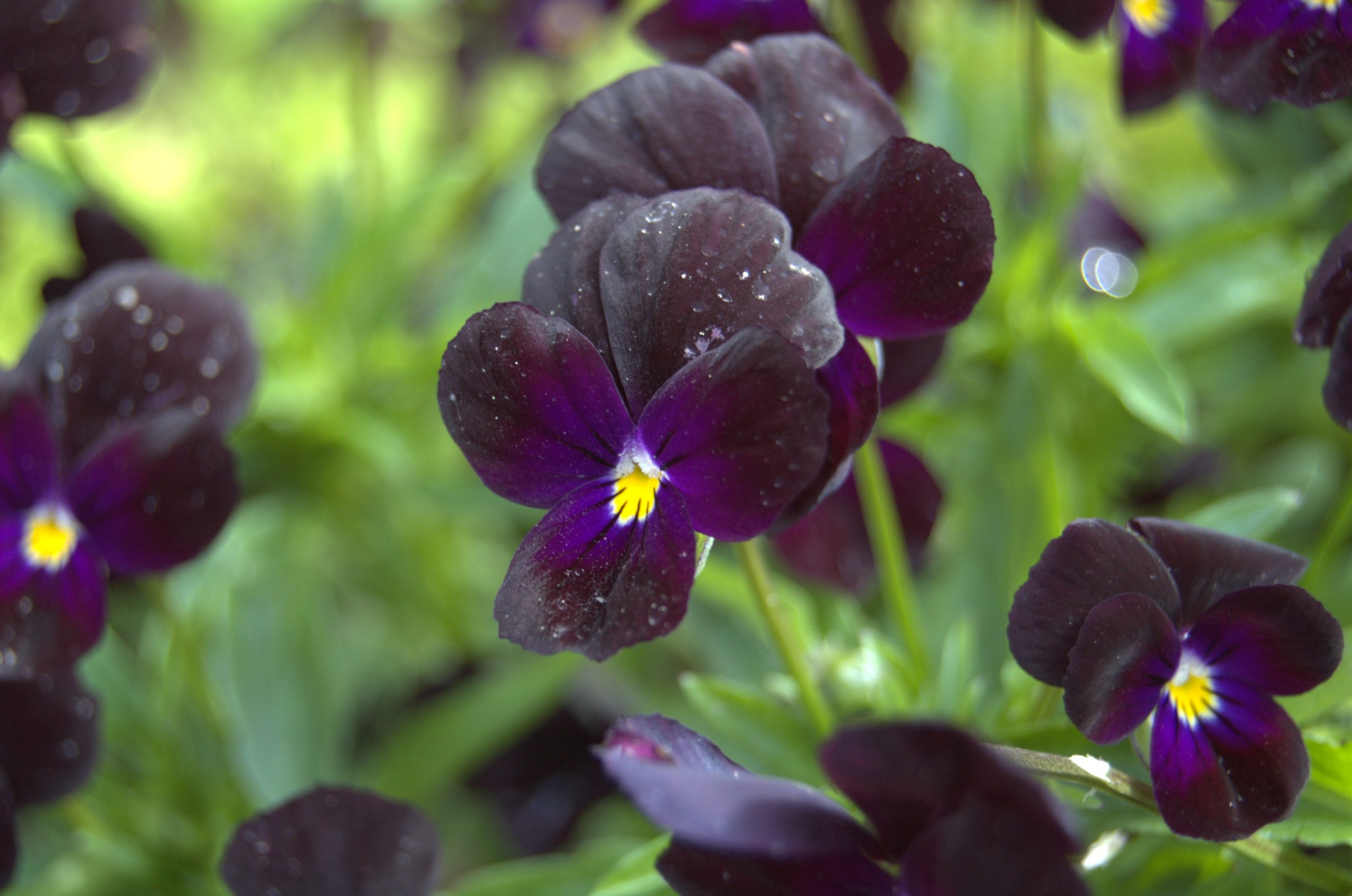
In our garden, black represents the absence of color. Some believe that black is obtained by mixing the three primary colors, but this is incorrect (at least in our vision of the garden)! The result is brown. This is why there are no truly black flowers or foliage. Dark flowers and foliage are actually burgundy, brown, or dark khaki.
Ultimately, all of this relates to the colors of the rainbow, the spectrum of light, and how leaves and flowers reflect colors!
And if you’re interested in the topic, it has been discussed here.
Okay, let’s talk theory. How do I apply that to the garden, now?
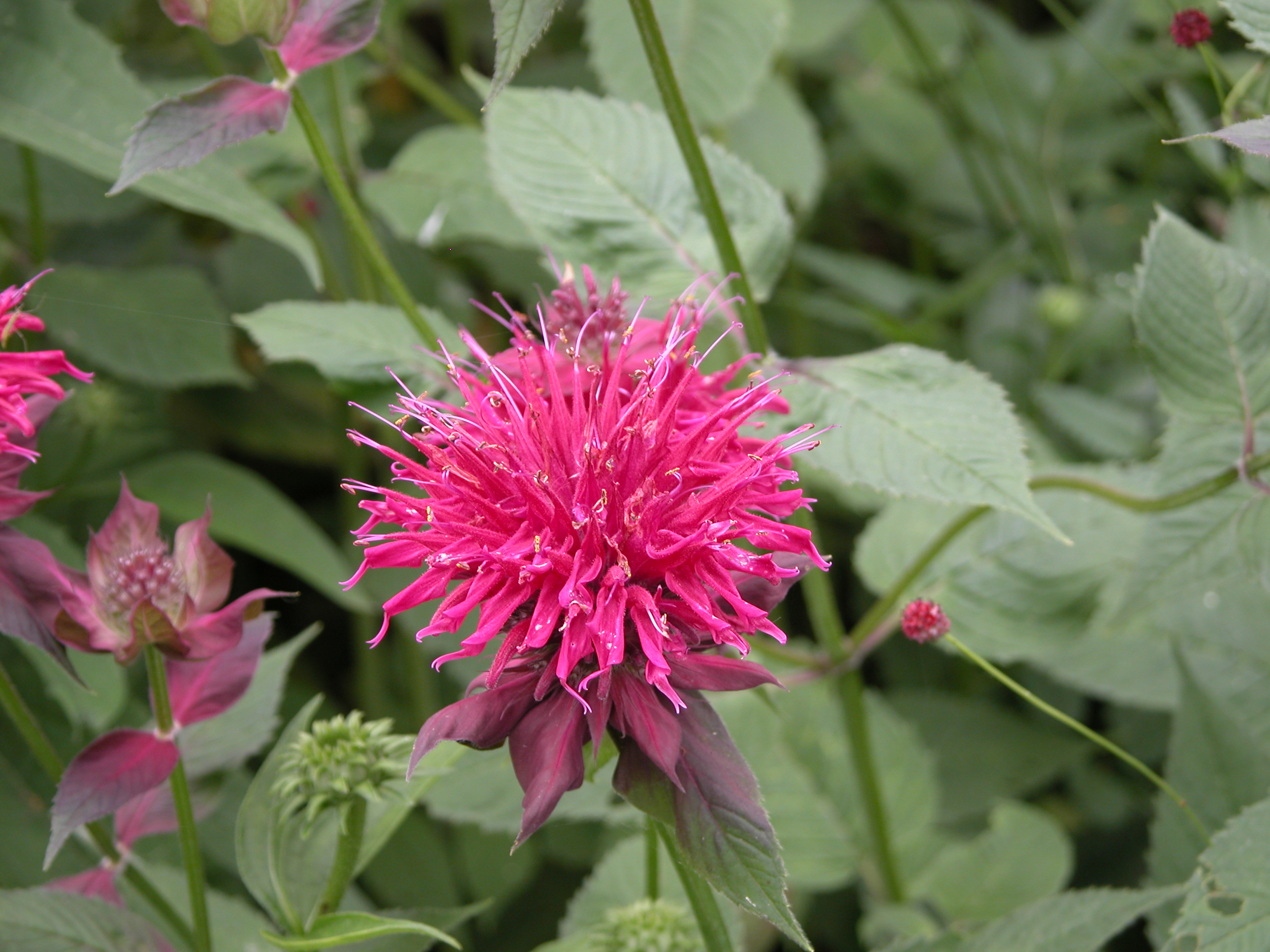
These rules demonstrate that not all shades of red harmonize well. Not all reds are actually red. Some tend toward violet because they contain a hint of blue. You could call them magenta. This would be the case with the “Adam” or “Raspberry Wine” bee balm (Monarda spp.). Other reds contain a hint of yellow and lean toward scarlet. This is true of the “Jacob’s Cline” bee balm. Although both of these plants are red, they have difficulty harmonizing together. Magenta-red flowers harmonize best with mauve or violet flowers. Conversely, a scarlet-red flower would be better complemented by orange flowers.
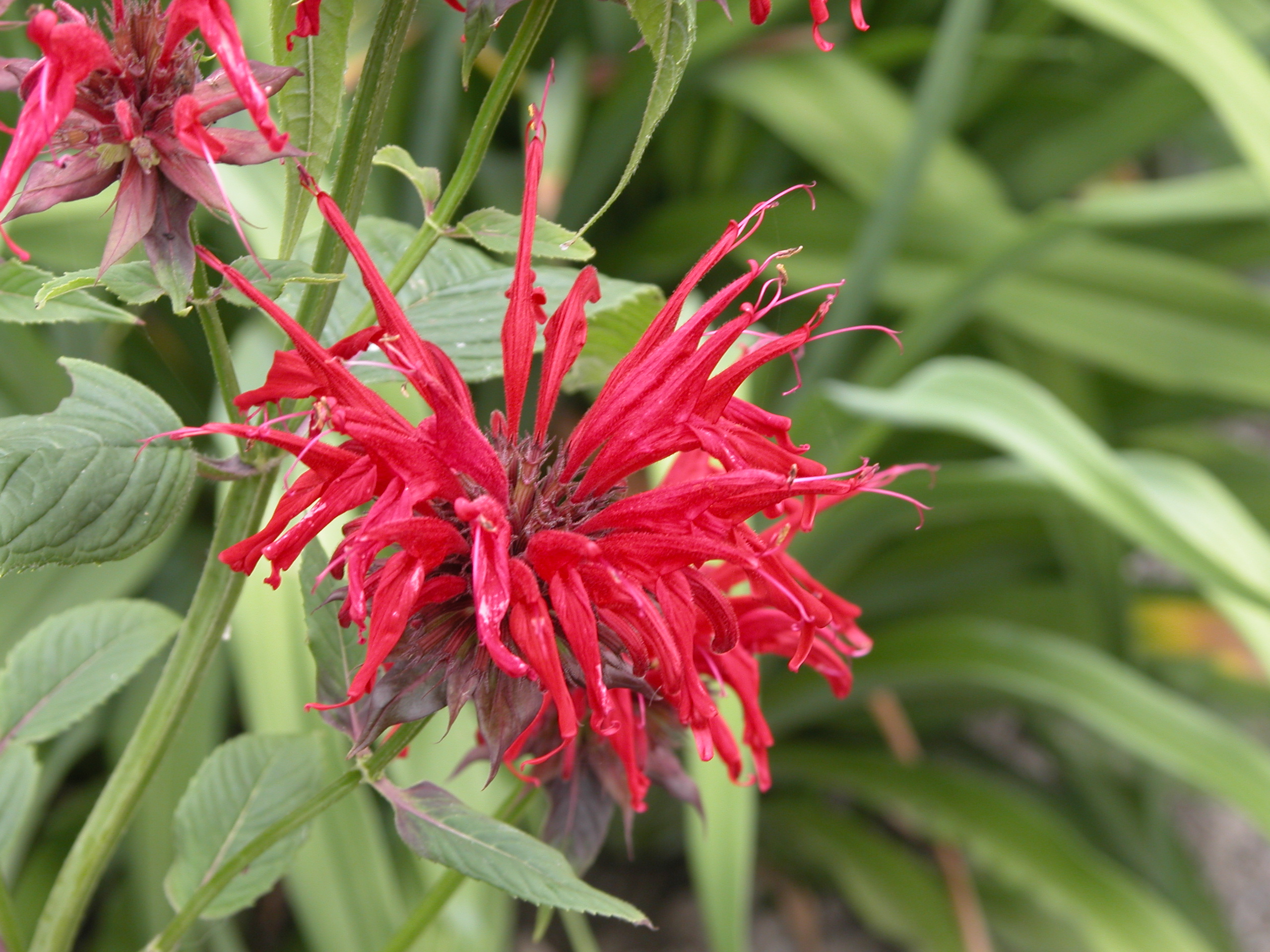
And that’s where I’ll stop for this first part! In the next column, we’ll discuss four ways to arrange colors in the garden. I can already see your brain working overtime! The analysis of all the flowers in your garden is underway! Does the red of this plant harmonize well with the pink of that one? Does that bright yellow complement those little lavender flowers?