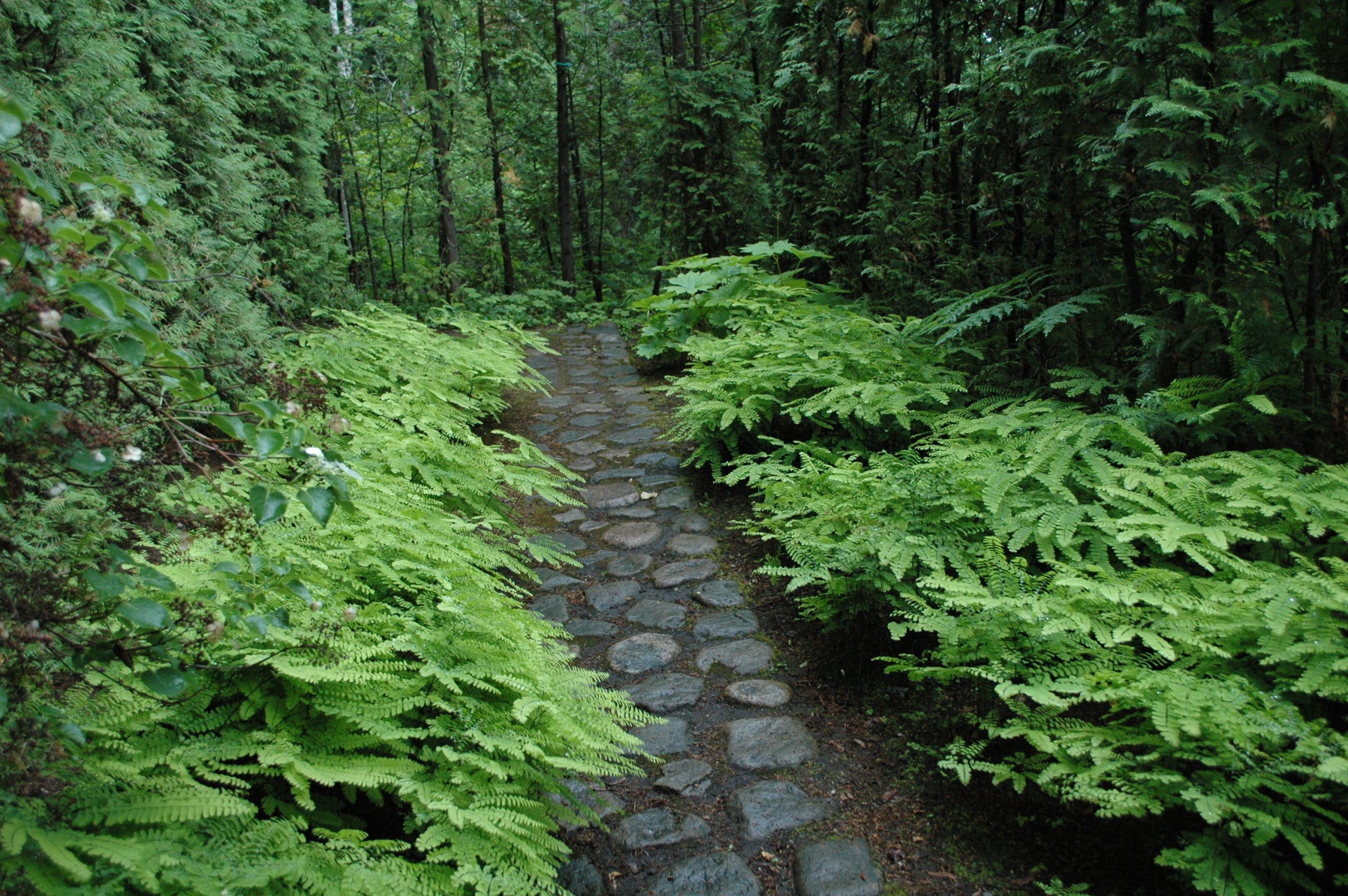
Ferns are possibly the most overlooked group of herbaceous plants among gardeners. Everyone is passionate about perennials, annuals, and herbs. Some are crazy about hostas or daylilies. But who is there to loudly proclaim their unconditional love for ferns?
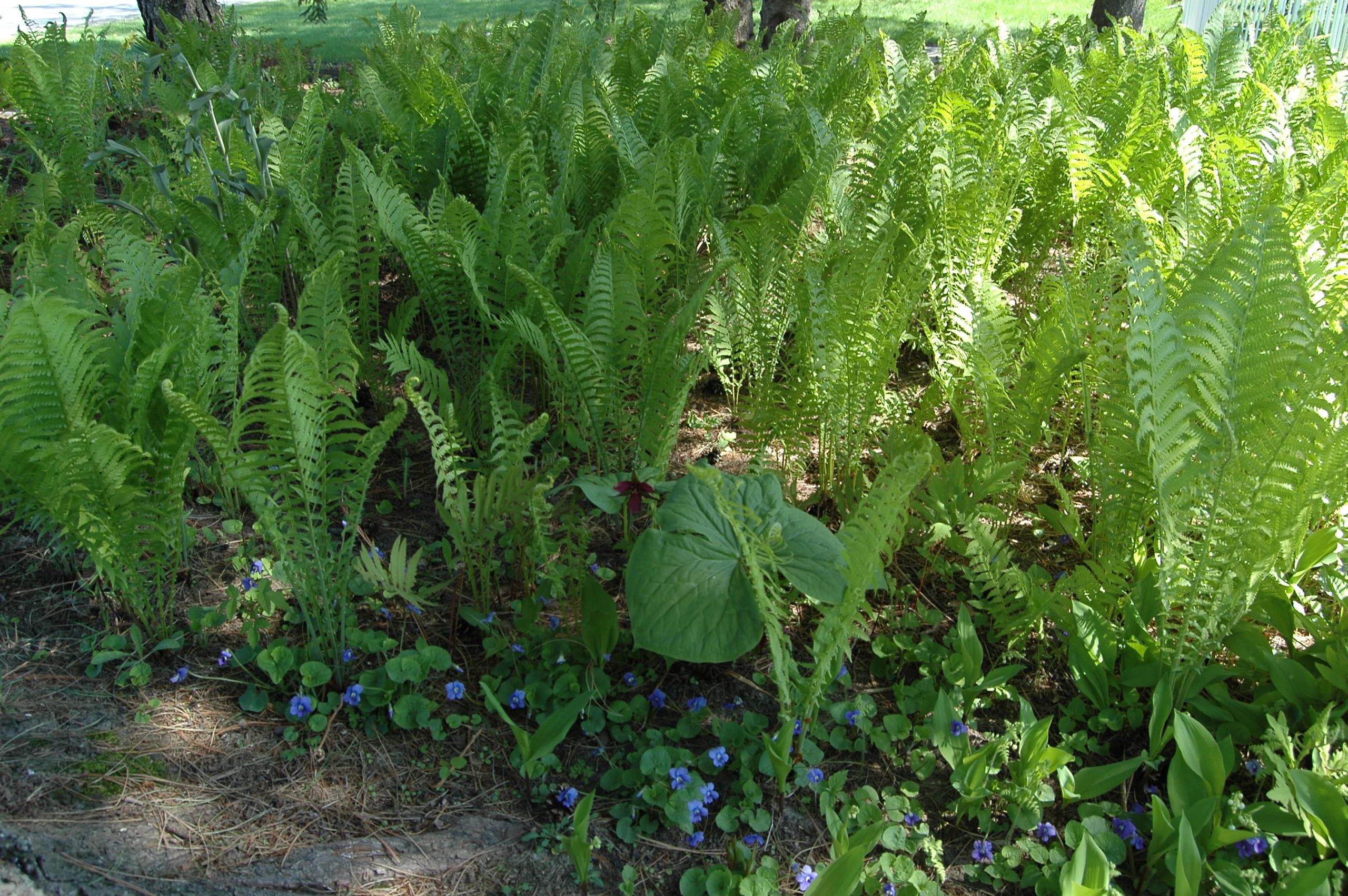
Even in the woods, we are filled with affection for trilliums, bloodworts or bellworts, but who stops in front of a native fern to be dazzled by so much beauty?
Many gardeners believe that all ferns look alike and are difficult to distinguish. So here I am, a proud advocate for Pteridophytes (the fern kingdom), to help you discover all the subtleties and charm of some native Canadian ferns well suited to garden cultivation.
The one that is eaten
The ostrich fern (Matteuccia pensylvanica, formerly Matteuccia struthiopteris) is undoubtedly the most well-known fern among gardeners and the general public, as it’s the provider for the famous fiddleheads that we seek each spring. It’s a large fern, growing to over 90 cm (35 inches) tall, and develops in large colonies. Indeed, the ostrich fern reproduces via underground rhizomes. That said, in the garden, it is very easy to control by digging up any young plants that are planning to spread and bringing them back to the village.
In its natural habitat, the ostrich fern has a clear preference for floodplains, stream banks, and damp depressions. It is definitely a shade-loving plant that prefers moist soil. In well-drained soils and overly sunny locations, it tends to dry out in summer. It grows as far north as zone 2 (USDA zone 3).
The one that smells like hay
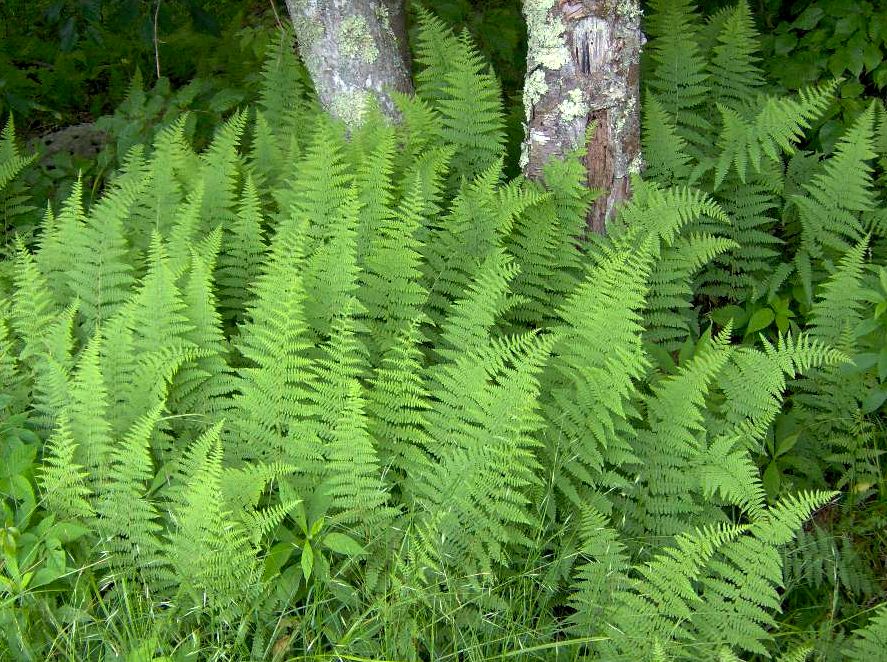
To form large colonies in drier soil or a slightly sunny location, one can turn to the hay-scented fern (Sitobolium punctilobulum, formerly Dennstaedtia punctilobula). This fern, with its delicate fronds. lives up to its name, because in the heart of summer, it gives off a lovely scent of freshly cut grass. It’s the kind of fern you can detect by its smell before you see it while hiking.
This is definitely a good fern for creating large colonies in challenging conditions. It can even help retain moisture on the slopes, reducing the need for mowing in difficult areas. It’s therefore a good plant for waterfront strips. Despite emerging late in the spring, it will reach over 60 cm (24 inches) in height. And in fall, it develops a beautiful golden-yellow color before going dormant for the winter. It is hardy in zone 3 (USDA zone 4).
The one that’s always green
It is not without reason that this plant is called the Christmas fern. The Christmas fern (Polystichum acrostichoides) retains its beautiful green fronds throughout autumn and winter. When the snow melts in spring, its lovely green fronds are found crushed under the weight of the snow. It’s only in the spring, after the new leaves have emerged, that the old ones disappear.
This is a beautiful fern that thrives in humus-rich forests. It grows in well-drained soil. It is definitely a shade-loving fern, reaching about 60 cm (24 inches) in height, and grows well up to zone 3 (USDA zone 4).
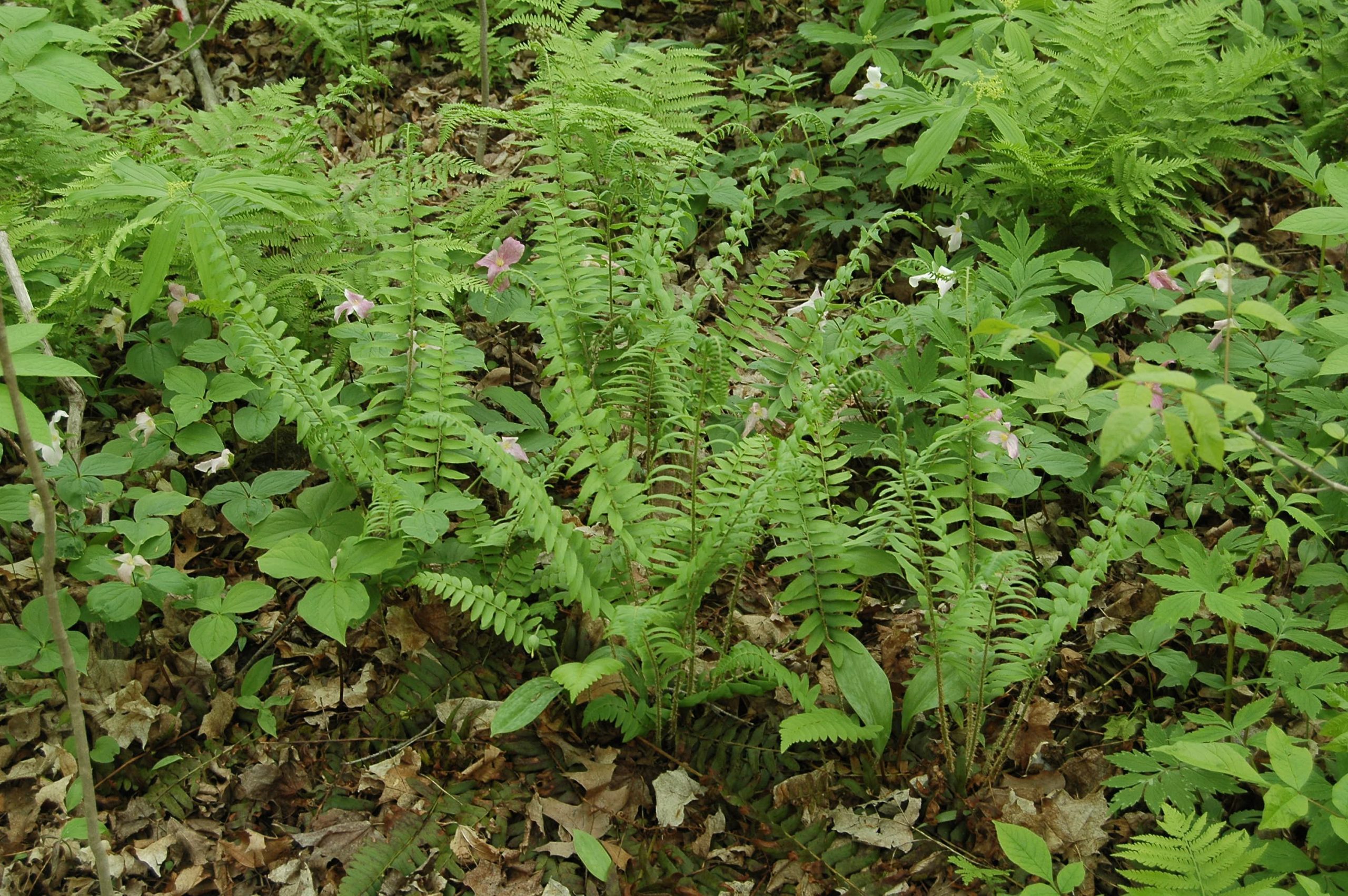
The one who is tall and wise
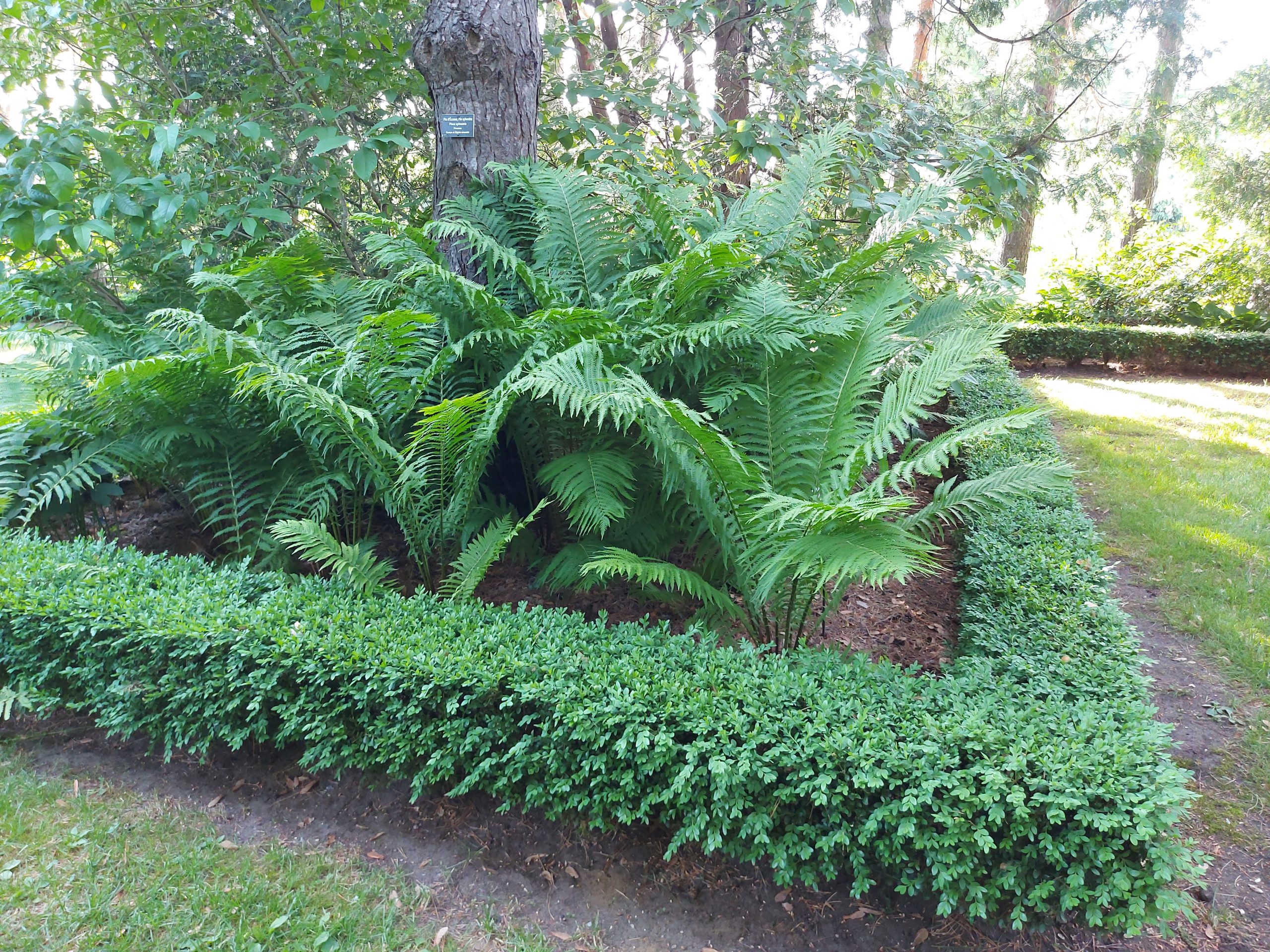
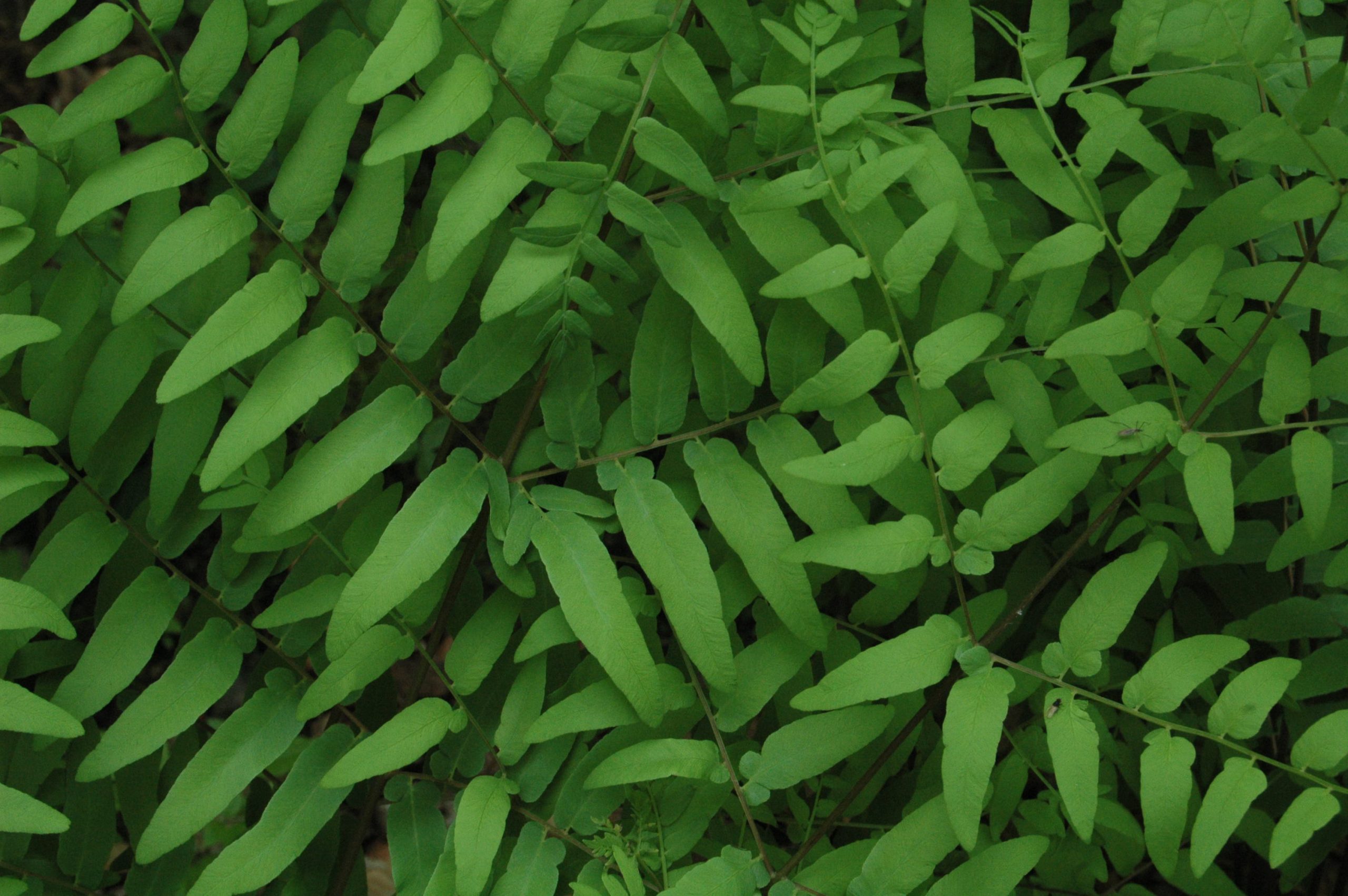
Easily recognizable by its rounded segments, clearly separated from one another, the royal fern (Osmunda spectabilis, formerly Omsunda regalis) is a magnificent and little-known plant. It can exceed one meter (39 inches) in height and just as much in width.
This is a very versatile fern, thriving in peat bogs, forests, small depressions, and even slightly better-drained soils. I’ve been growing it for over 10 years in a shade garden with terribly dry soil , and it grows very well. It makes a magnificent specimen plant.
The one made of lace
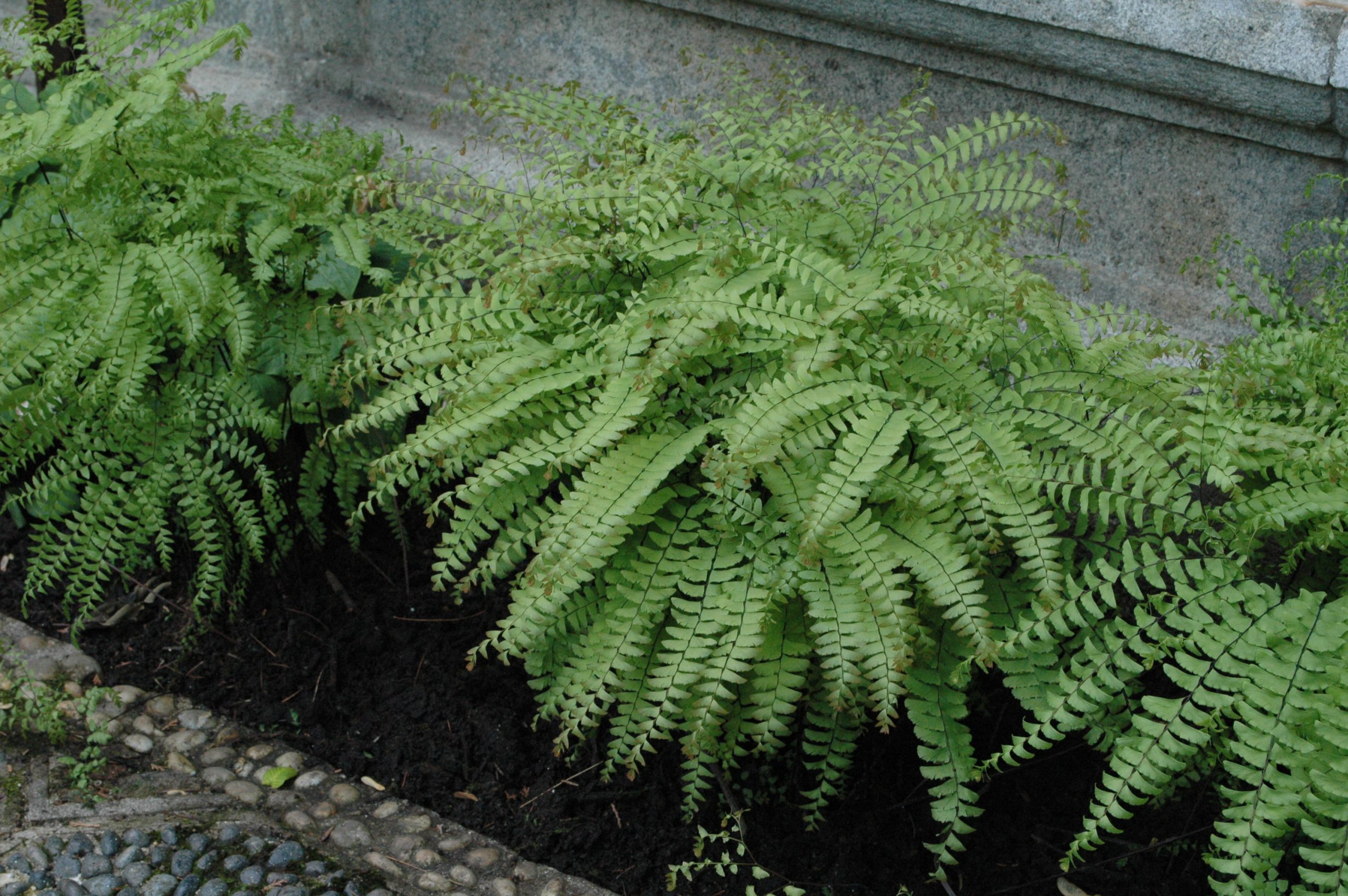
For many gardeners, the most beautiful native fern of all is the maidenhair fern (Adiantum pedatum), and rightly so. It’s also one of my favorites! This fern is one of the easiest to identify thanks to its delicate, finely cut fronds. When you look closely, you’ll see that the rachis (the fern’s stem) forms a sort of semicircle around which the frond unfolds. The stems are thin and very fragile. This is a fern that must be handled with great care when planting.
It’s less commonly seen in the wild, but it’s a fern that thrives in mature forests, or at a stretch, ancient forests composed mainly of deciduous trees, like maples. From experience, I’d say it needs to be planted carefully, providing plenty of organic matter and consistently moist soil during its first year. In other words, I tried dividing a clump I had in my backyard to plant some in the front yard, treating it like a hosta or a daylily. It didn’t take to it! But with love and care, it’s doable!
The maidenhair fern is equally beautiful as a solitary specimen or in a large clump in a shady or partially shady location. Hardy to zone 3 (USDA zone 4), it reaches a height of 45 to 60 cm (18 to 24 inches).
Produced, not harvested
As always when discussing native plants, it’s important to remember that nursery-grown plants are preferable, and even better, plants propagated from spores (for biodiversity). Also, if you find other small wild plants in the pot, those ferns were most likely collected from the wild. Ferns are part of the ecosystems they inhabit, and collecting them from the wild risks disrupting the environment. Furthermore, excessive harvesting of native plants from their natural habitat can drive a species towards extinction.
That said, one can be opportunistic and monitor urban developments that plan to destroy natural habitats in order to “save” native plants from certain destruction. Some organizations, such as La forêt qui marche (The Walking Forest) in the Eastern Townships, are working towards this goal.