

I’ve noticed a growing interest in food self-sufficiency over the last few years. Not just in vegetable gardening, food forests, or fruit trees and shrubs, but also in wild foraging. Is it tied to the economic and political uncertainty of recent years? Or perhaps to the growing disconnection many of us feel in an increasingly digital world?
Whatever the reason, more and more people seem eager to reconnect with nature and better understand the land around them.
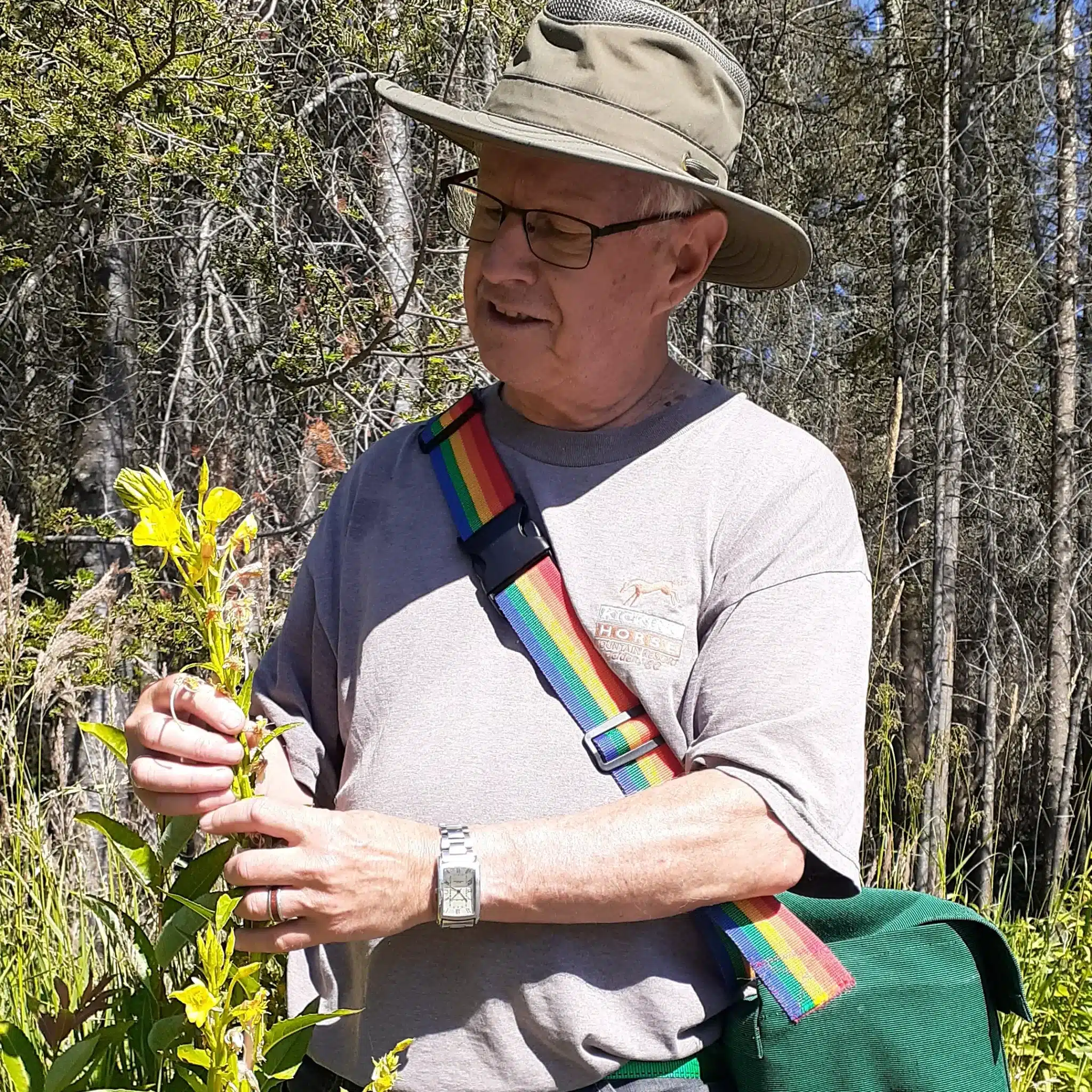
That renewed interest in wild edible plants was at the heart of a recent conversation I had with biologist, educator, author, and publisher Roger Larivière. Throughout his career, he has worked to document the plants, mushrooms, wetlands, and boreal landscapes of northern Quebec while teaching people how to better understand the natural world around them.
Growing up close to the land
Roger grew up on a dairy farm in Abitibi-Témiscamingue, a vast boreal region in northwestern Quebec. Like many rural families of the time, his family relied not only on their garden, but also on fishing, trapping, and gathering wild plants to supplement everyday life. Wild plants were food, medicine, and part of daily culture.
One of his earliest memories involves harvesting spruce gum in the forest with his father as a child.
“Using his axe, he chipped off some hardened spruce gum from the tree. He chewed it for a moment before handing pieces to us and warning: ‘Don’t stop chewing, or it’ll harden in your mouth.’”
That direct connection to the land would eventually shape his entire career.
Over time, Roger became a biology teacher, then an author and publisher focused on northern ecosystems and traditional ecological knowledge. He has long argued that many books about edible or medicinal plants overlook the boreal forest and the realities of northern climates. Much of his work attempts to fill that gap by documenting species, practices, and ecosystems specific to northern Quebec.
In 2019, after years of working with traditional publishing houses, Roger founded Éditions NaturAT, an independent Quebec publishing house dedicated to nature, ecology, foraging, and northern landscapes. Through NaturAT, he continues publishing books about wild plants, mushrooms, Indigenous knowledge, boreal ecosystems, and the relationship between people and the land.
Foraging starts before the harvest
But what struck me most during our discussion was not simply the practical side of foraging. It was the philosophy behind it.
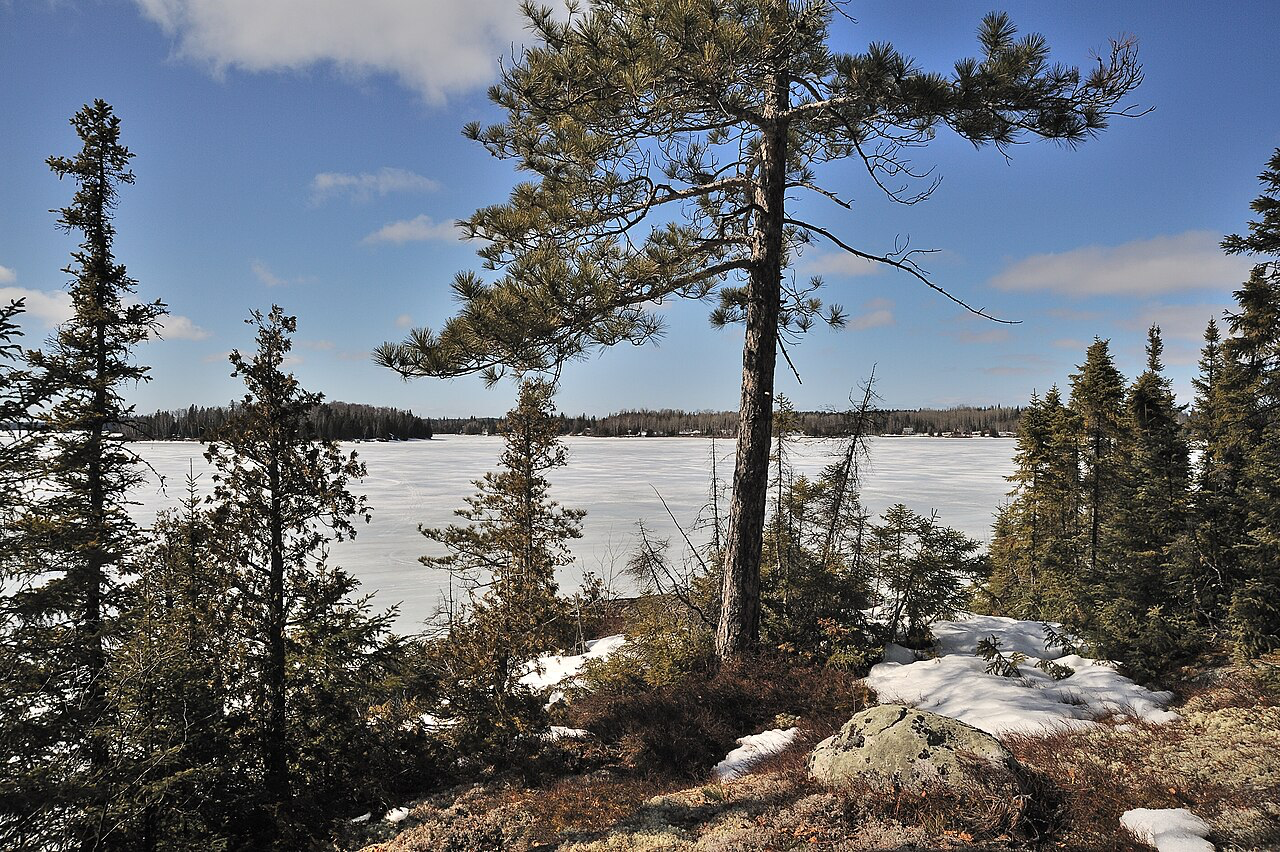
For Roger, foraging is not about randomly picking plants in the woods. It begins long before entering the forest. You need to know what you are looking for, when to harvest it, where it grows, and how to preserve it afterward. You learn to observe landscapes differently. In many cases, you even scout locations a year in advance.
As he puts it:
“You have to start foraging the year before.”
That single sentence completely changes the way we think about gathering wild food. Foraging becomes less about harvesting and more about paying attention.
Rediscovering what already grows around us
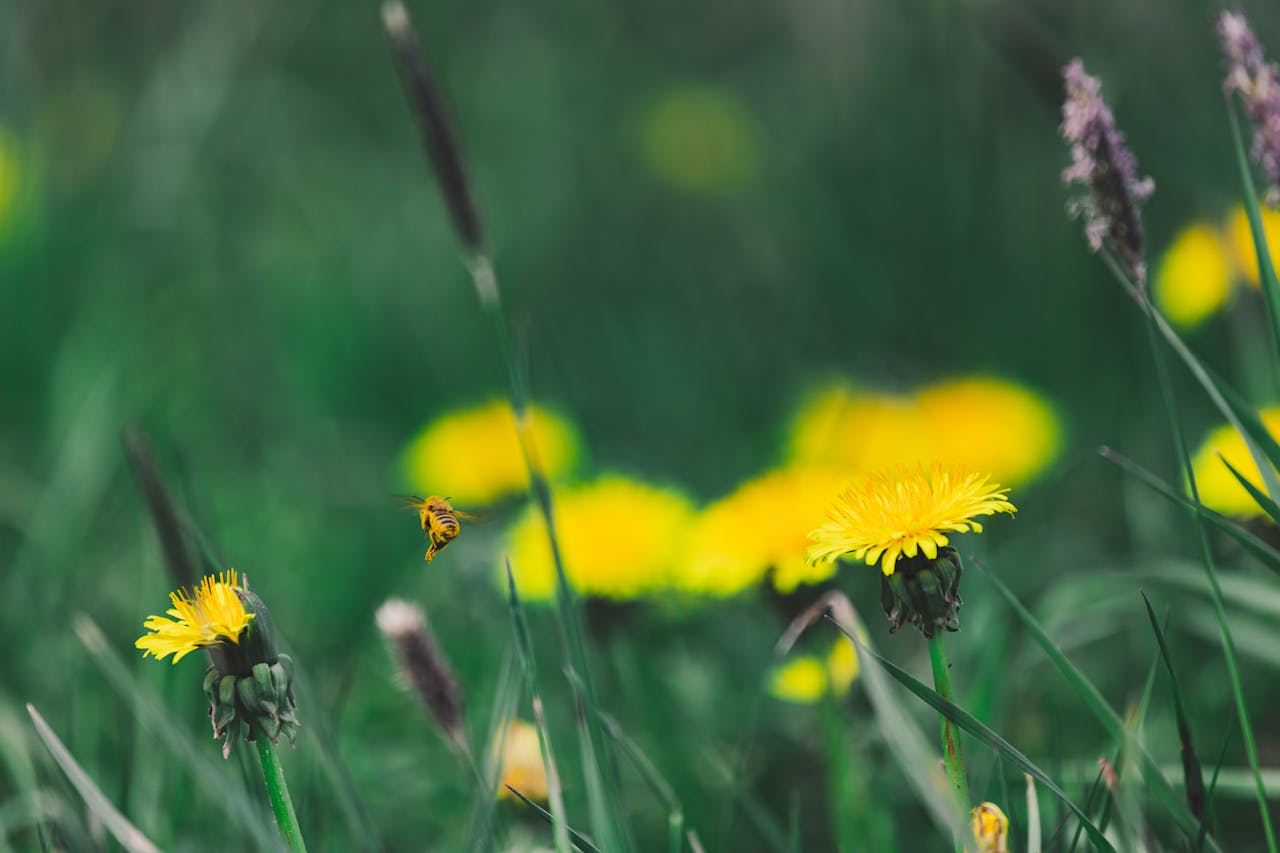
Roger believes that reconnecting with nature also begins close to home. Many edible or medicinal plants already grow around us unnoticed: dandelions, plantain, clover, nettles, shepherd’s purse, chamomile, and many others. Before searching for self-sufficiency deep in the wilderness, we may first need to relearn how to see what is already growing beneath our feet.
Of course, foraging also comes with responsibilities. Roger repeatedly emphasizes the importance of proper identification, sustainable harvesting, respecting ecosystems, and planning outings safely. He encourages beginners to start slowly and cautiously, ideally close to home, before venturing deeper into forests or remote territory.
But beyond food, he sees something else happening: a growing desire for balance.
Gathering wild plants forces us outdoors. It encourages walking, observation, patience, and curiosity. In a world increasingly dominated by screens and constant stimulation, that slower relationship with nature can become deeply restorative.
The territory as pantry and pharmacy
Roger describes the territory not simply as a place on a map, but as something that shapes identity itself. The plants, lakes, forests, and landscapes around us become part of who we are. Even after years spent studying or travelling elsewhere, he says he always felt pulled back home to Abitibi-Témiscamingue.
That relationship with place also deepened through his work with the Algonquin community of Pikogan, where he learned more about traditional Indigenous knowledge and land-based ways of living. He believes many modern people have lost the intimate connection with territory that earlier generations — and many Indigenous communities — once depended upon for survival.
Conservation begins with wonder
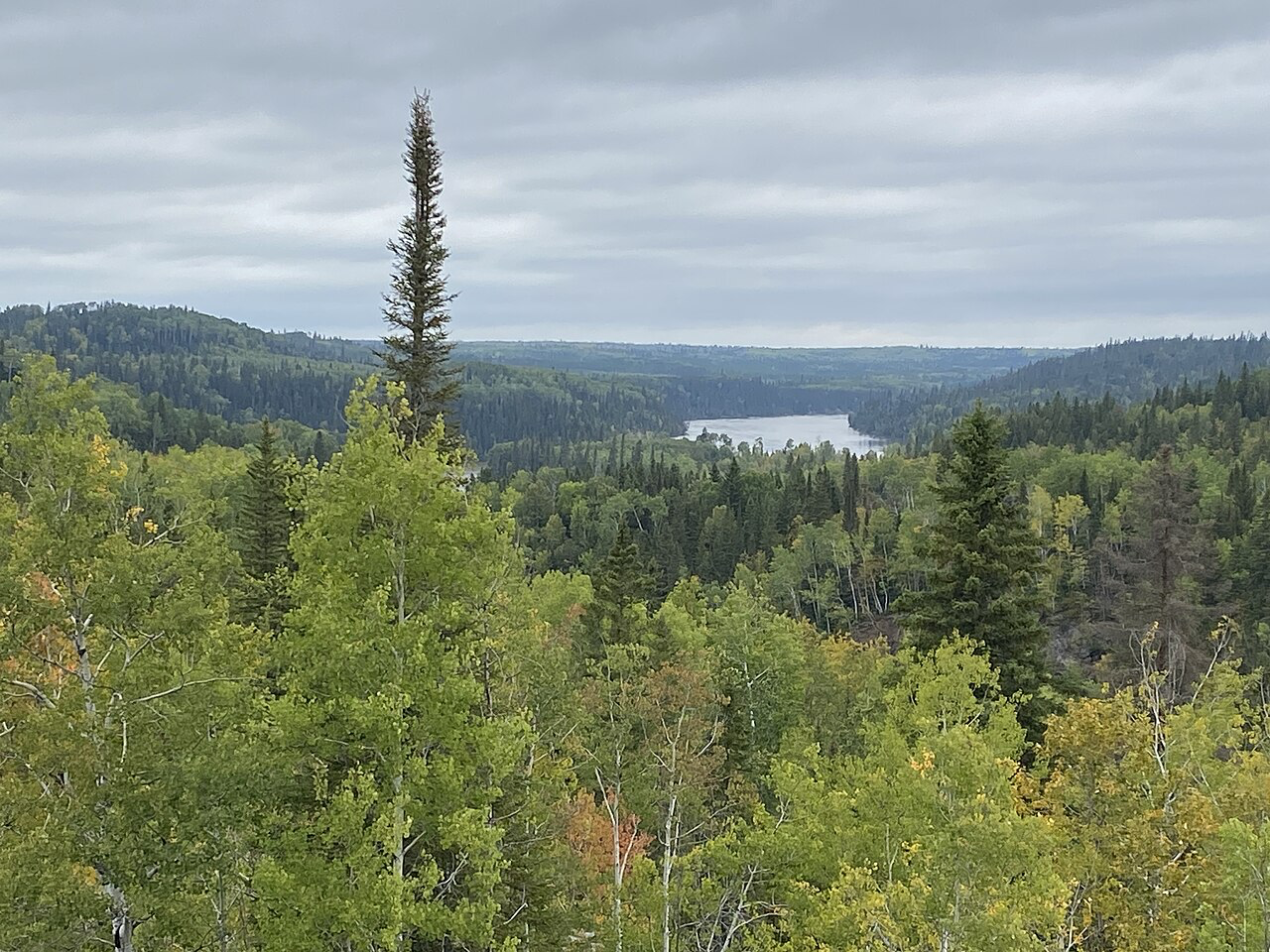
According to Roger, conservation often begins with wonder.
“How can you feel wonder walking through a supermarket or a natural health store?”
Real connection comes from direct experience: seeing birds move through a forest, noticing animal tracks, recognizing edible plants in unexpected places, or simply spending enough time outdoors to slow down and observe.
That idea may explain why interest in foraging, native plants, and ecological gardening continues to grow. For many people, it is not simply about survival or saving money. It is about rebuilding a relationship with the living world.
Staying curious
Roger himself still spends several afternoons each week outdoors, skiing, walking forests, identifying plants, or exploring wetlands. Even after decades of teaching, writing, and publishing, curiosity remains at the center of his work.
Toward the end of our conversation, he returned to what seems to guide everything he does: usefulness.
He no longer measures success through money or recognition, but through the feeling that his work still helps people become more curious about the world around them. If his books or workshops encourage someone to pay closer attention to plants, forests, or the landscapes they inhabit, then the work still matters.
And perhaps that is what many people are truly searching for when they begin foraging or reconnecting with nature: not just food, but attention, curiosity, belonging, and wonder.