


Most avid gardeners will tell you that it was a family member—a mother, father, uncle, aunt, grandmother, grandfather, and so on—who first introduced them to gardening. Could it be your turn to be a gardening mentor?
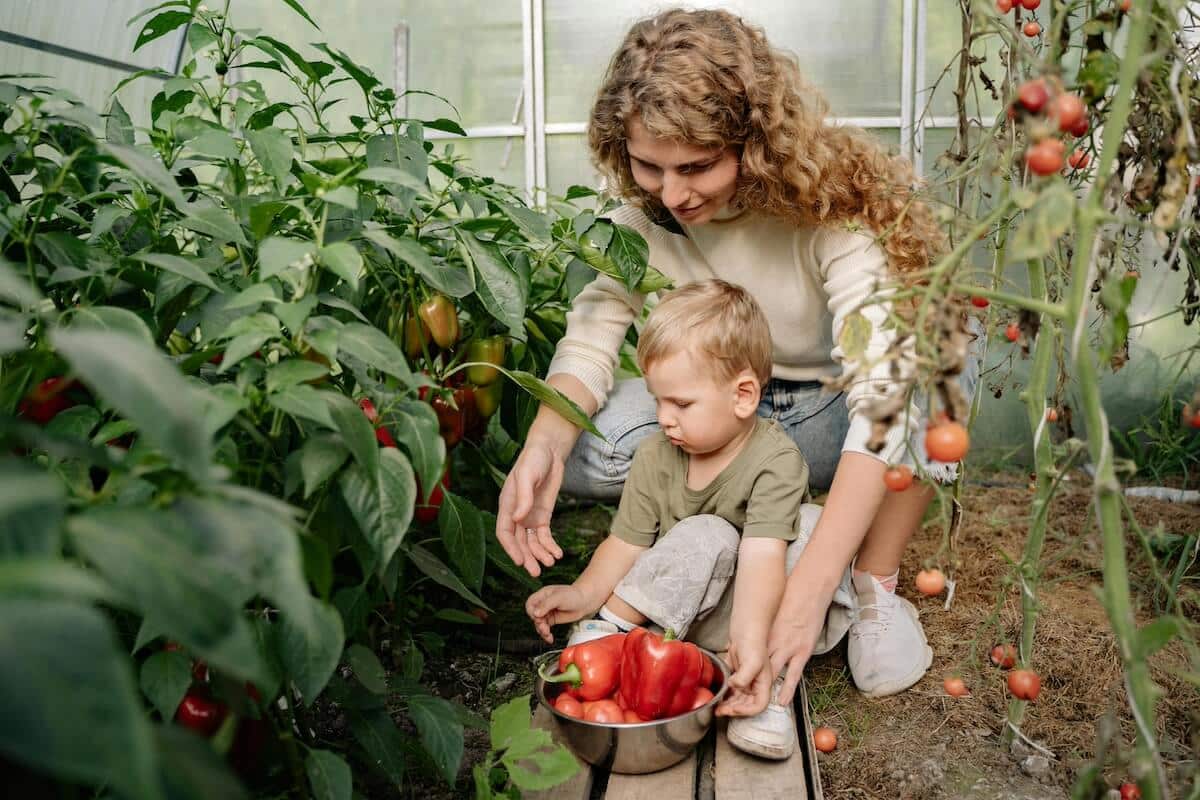
You can introduce a child to gardening at almost any age. Toddlers will love being shown the flowers and vegetables in the garden, touching the plants, and smelling their scents. By age 4 or 5, you can start having them sow seeds or plant bulbs. By age 10, they may already have ideas for projects they want to tackle, such as their very first “all-my-own” vegetable garden or a flower box they want to manage entirely on their own.
A small project to get started
As a first gardening project for children ages 4 and up, I have an idea to share with you: planting giant sunflowers. The project requires only a few basic materials and takes up little space, since the plant grows tall and doesn’t take up much room on the ground. You can plant two or three seeds in a corner of a flower bed or remove a patch of grass to use as a “nursery.” You can even plant a sunflower in a large pot and grow it on the balcony, but in that case, I suggest a dwarf sunflower rather than a giant one, since a large sunflower in a pot is likely to tip over. Sunflower seeds are available at all garden centers.
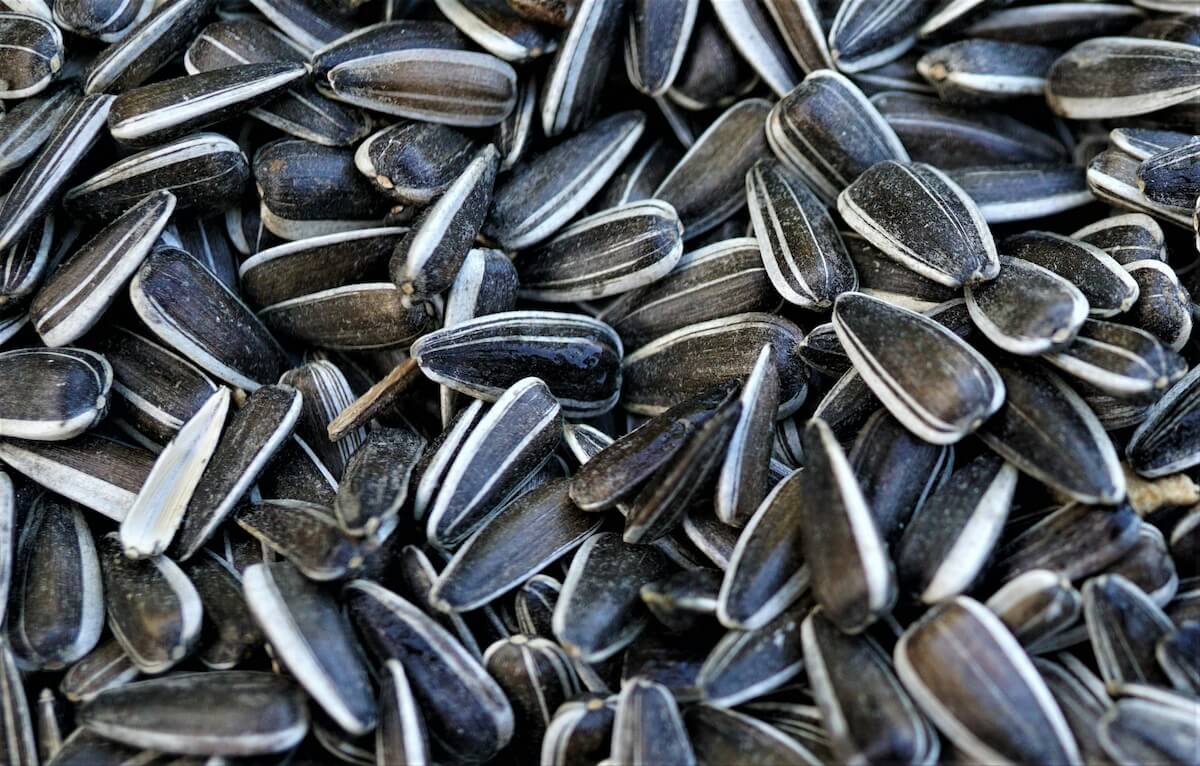
You can plant sunflower seeds as early as late May, even if there’s still a slight risk of frost. The day before, prepare the area by clearing the soil of any vegetation, then, on the day itself, have the child rake the soil. Give them a few handfuls of compost to mix into the soil: for children’s clumsy hands, this is better than fertilizer; too much fertilizer can burn the plants, whereas compost won’t. Of course, you’ll need to explain that compost feeds the “good bugs” in the soil, which in turn will feed the sunflowers.
From planting to harvest
Now, the child can plant the seeds, one every 30 cm (12 in) apart, 1 cm (½ in) deep. They can simply dig the hole with their fingers: a little hands-on experience with the soil won’t hurt! Next, have them cover the seed with soil, and if there’s enough space, have them plant more. Finish the session by watering with a watering can fitted with a spray nozzle. To keep it from being too heavy, make sure the watering can isn’t too full.
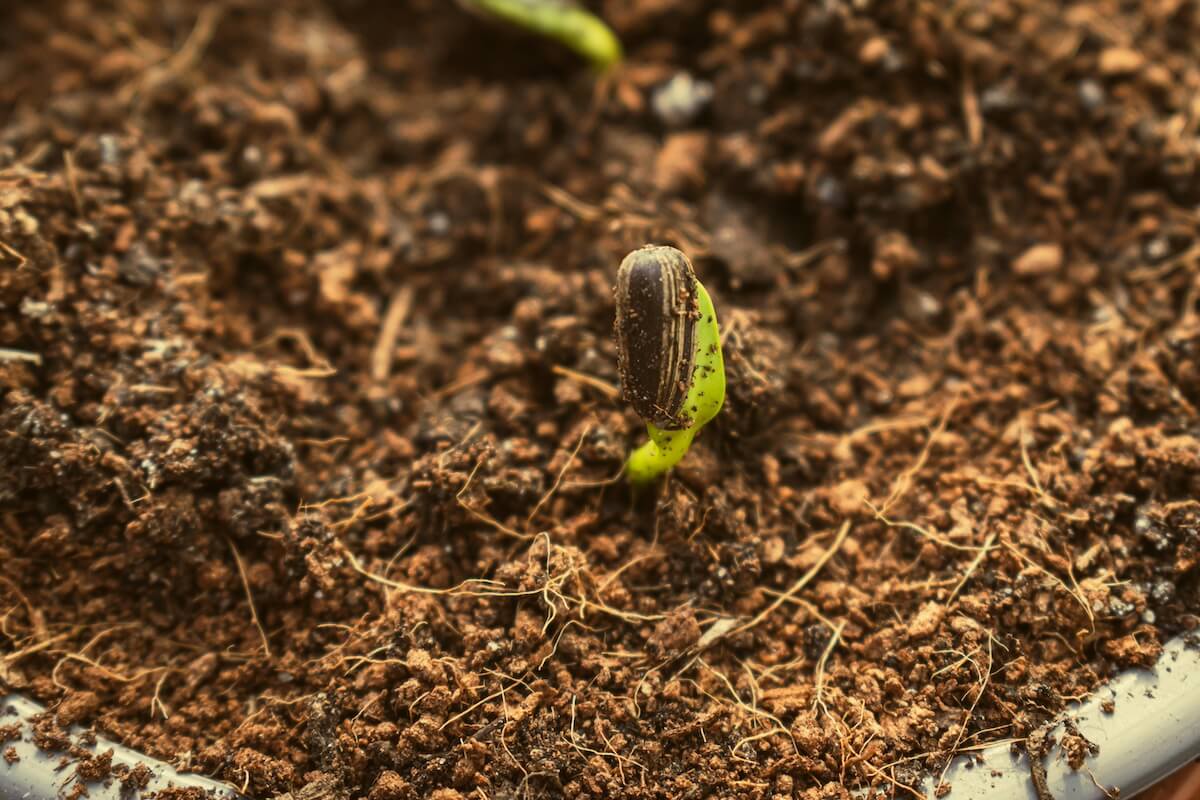
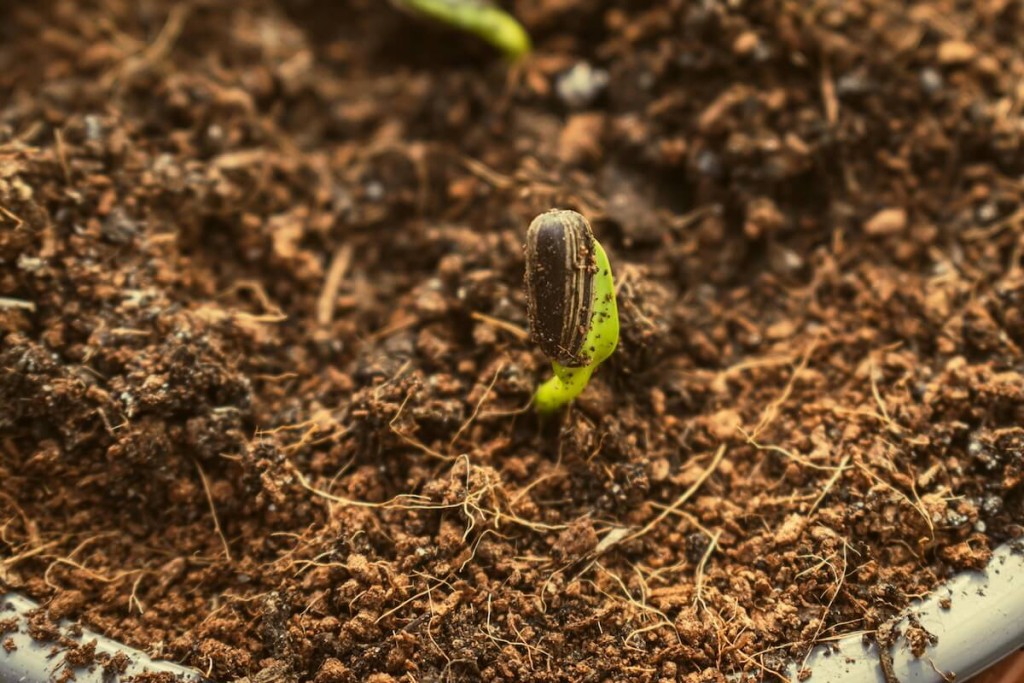
Sunflower seeds will sprout quickly, emerging in about a week. After the first two small leaves (cotyledons), larger leaves will appear and the stem will thicken. The plant will grow visibly day by day! The giant sunflower’s large flower won’t bloom until late summer and can be twice as big as a child’s head on a plant several times his height: 2 m (6½ ft), sometimes more. I’m sure he’ll be impressed by the giant plant he’s grown all by himself!
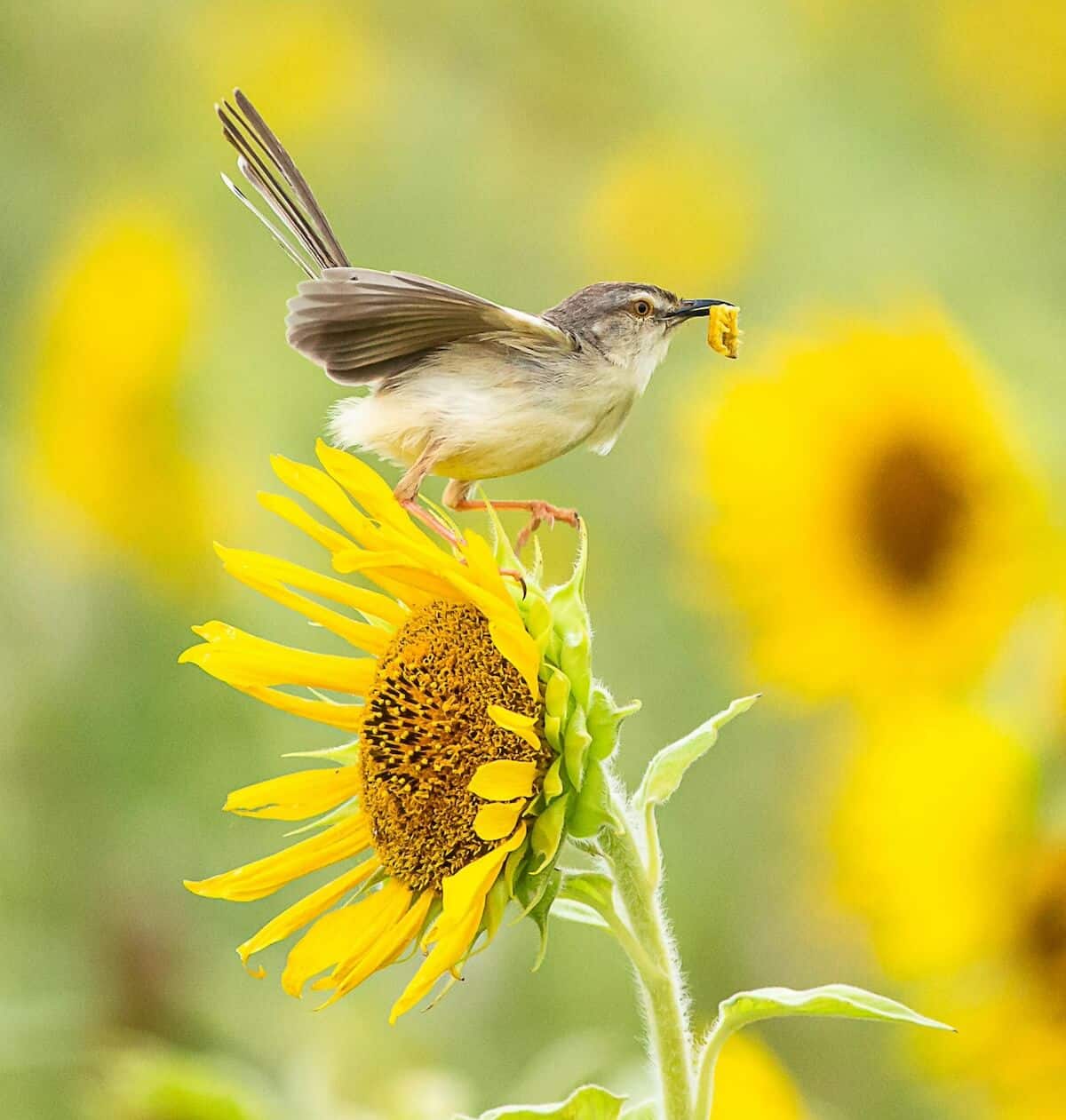
When the yellow petals wilt, the center of the flower will be filled with large sunflower seeds that your child can collect and store in an envelope to plant next year—a wonderful life lesson. Show them that they can also shell the seeds and eat them… and leave some on the plant: the birds will come to feed on them.
A rewarding experience for everyone
Think about it: isn’t there a child in your circle who could use a mentor? Because it’s one of the most rewarding and fulfilling experiences… for them and for you!
Larry Hodgson has published thousands of articles and 65 books throughout his career, in both French and English. His son, Mathieu, has made it his mission to make his father’s writings accessible to the public. This article was originally published in Le Soleil.