


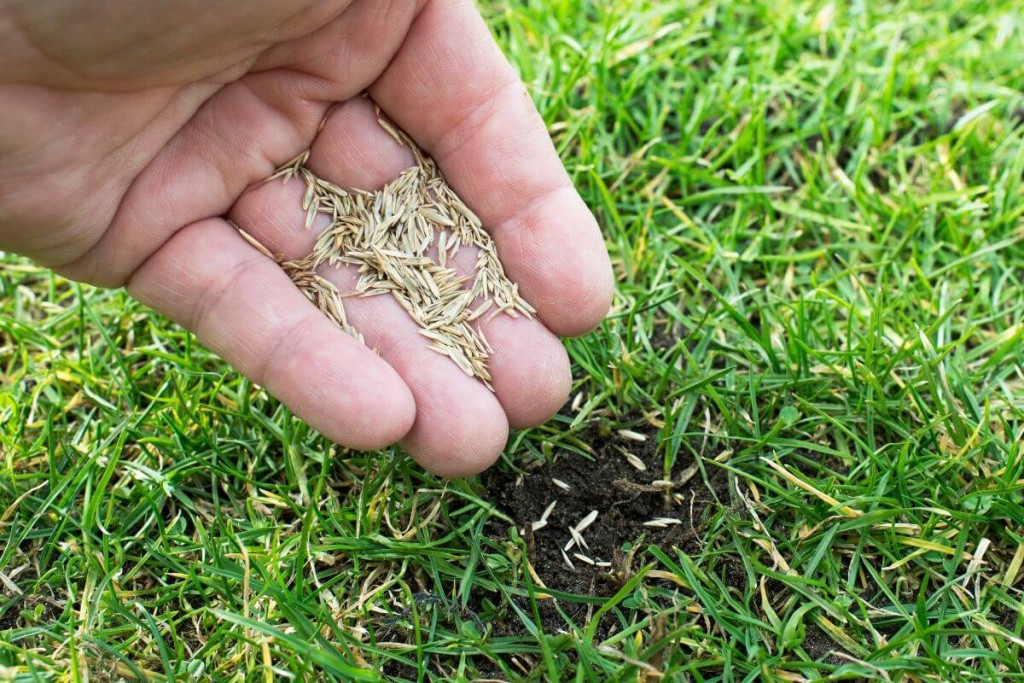
I’d like to know when I can start and stop applying soil to my lawn this spring. Can I do this at the same time as seeding? What’s the best soil to use?
Réponse
Generally, it’s best to overseed your lawn and apply topdressing in late summer, from mid-August to mid-September. During this time, warm soil temperatures promote the germination of the various grasses used in lawn seed mixes. Then, a few weeks later, once the seeds have germinated, air temperatures begin to drop, which promotes grass growth. Lawns actually prefer cooler temperatures to produce lush foliage, while the soil remains warm enough to stimulate root development.
But sometimes, our lawn needs a little TLC in the spring, and there’s a short window of opportunity for successful topdressing and overseeding at this time of year.
Understanding the contents of a bag of lawn seed
To fully understand when and how to topdress and overseed in the spring, it’s important to know what plants actually make up a lawn. Lawn seed mixes generally contain three main groups of grasses: ryegrass, fescue, and Kentucky bluegrass. Each has its own germination rate as well as an ideal temperature for sprouting. And be careful: these temperatures refer to soil temperature, not just air temperature. Once the seeds have germinated, air temperature then has a greater influence on leaf growth.

Perennial ryegrass (Lolium perenne): The sprinter of the group. It can begin germinating when soil temperatures reach about 45–50°F (7–10°C) and often emerges in as little as 3 to 7 days. It acts somewhat like a nurse plant, quickly stabilizing the soil and greening the surface. However, its longevity and drought tolerance are more limited than those of some other turfgrasses.
Fescues (Festuca spp.): More moderate in their growth, fescues generally germinate when soil temperatures reach about 50–60°F (10–15°C), usually within 7 to 12 days. They provide better shade tolerance and good drought resistance, particularly the fine fescues.
Kentucky bluegrass (Poa pratensis): Often considered the structural backbone of a lawn, Kentucky bluegrass is valued for its density and spreading rhizomes, which allow it to repair itself naturally. However, it is also slower and more demanding. Although it begins to become active at soil temperatures of about 54–60°F (12–15°C), it performs best when soils are maintained around 60–68°F (15–20°C) and typically requires 14 to 21 days of consistently moist conditions for successful germination.
When should you overseed a lawn in the spring?
In theory, some grasses can begin to germinate when soil temperatures reach about 41°F (5°C). However, these conditions are still far from ideal. Ryegrasses may occasionally emerge at this temperature, but the soil remains cold and often excessively wet. Slower-growing species that require more warmth are at greater risk of rotting, failing to establish properly, or developing fungal diseases during this prolonged period of cool, damp conditions.
Recommended temperature
For this reason, it is generally best to wait until soil temperatures reach about 50°F (10°C), which often coincides with the beginning of dandelion bloom. By that time, the soil has usually had a chance to dry out and drain properly following snowmelt. It is therefore less susceptible to compaction, a common problem when lawn work is done too early in spring. Shortly afterward, temperatures also become warm enough to support the germination of Kentucky bluegrass.

One of the main challenges of spring overseeding across much of Canada is the rapid arrival of summer heat. Turfgrasses grow best under cool conditions, and once temperatures regularly exceed 25°C (77°F ), soil moisture evaporates much more quickly. Young seedlings, whose root systems are still poorly developed, become highly vulnerable to drought stress and dry periods.
For this reason, the chances of success decline rapidly after mid-June in many parts of Canada, although the exact timing varies by region and local climate. Overseeding then becomes much more dependent on irrigation and favorable weather conditions.
In all cases, the soil should be kept consistently moist for the first 2 to 3 weeks after seeding, usually through light daily watering. Fortunately, many Canadian municipalities allow watering for the establishment of a new lawn or following overseeding, often under specific exemptions to normal watering restrictions. However, these rules vary by municipality and may be tightened during periods of drought. It is therefore always wise to check the current local regulations before beginning your project.
Choosing the right seed mix
Choose your seed mix based on the conditions of the site. Generally, the packaging indicates whether the mix is designed for full sun or for areas with less light. Mixes intended for high-traffic areas often contain more Kentucky bluegrass, which can regenerate itself through its rhizomes, while those suited for partial shade are richer in fine fescues. For dry areas or low-maintenance lawns, mixtures based on tall fescue and white clover are particularly beneficial. Clover helps naturally supply the lawn with nitrogen.
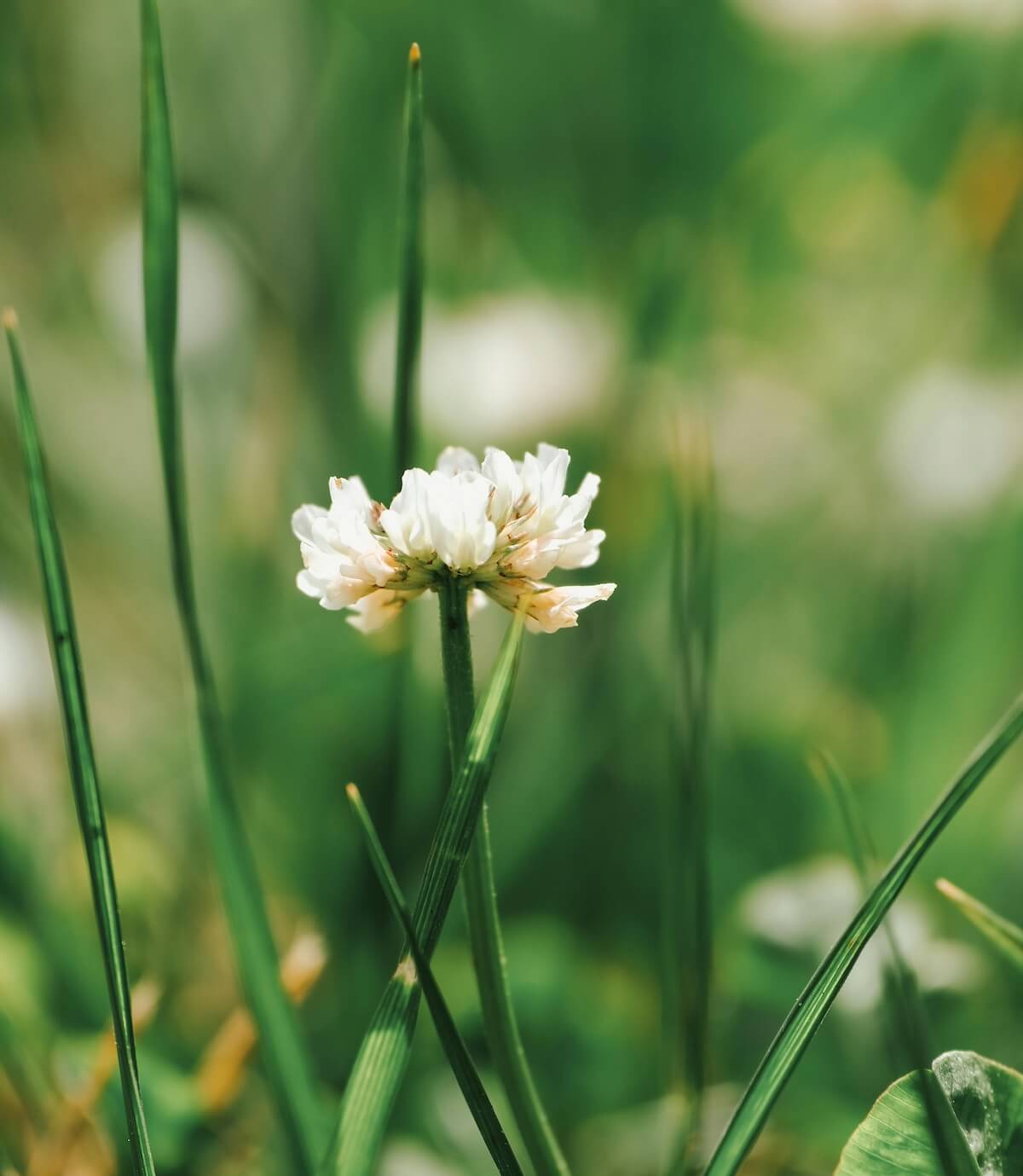
When purchasing seeds, look for varieties that contain endophytes—beneficial microscopic fungi that improve resistance to insects and drought. Also check the label: a good seed mix contains very few weed seeds and minimal inert material. Finally, be wary of annual ryegrass, which grows quickly but often dies after just one winter.
What’s the best potting mix?
Although standard potting soil may be suitable for this type of project, many products sold at garden centers contain a high proportion of peat moss or, worse yet, “black soil” (black peat). However, these materials are often used primarily as filler: they offer little nutritional value and tend to compact over time.
Ideally, choose a product containing a mineral component—such as sand or topsoil—combined with a good proportion of compost. Don’t hesitate to check the composition on the bag, visit the manufacturer’s website, or ask questions at the garden center. Potting mix remains a Plan B, however.
In my opinion, the best material for potting isn’t potting soil at all: it’s compost. Compost effectively retains moisture, gradually improves soil structure, and helps clay soils become more well-drained and aerated over time. Its abundance of beneficial microorganisms also stimulates soil life and accelerates the natural decomposition of thatch accumulated in the lawn.

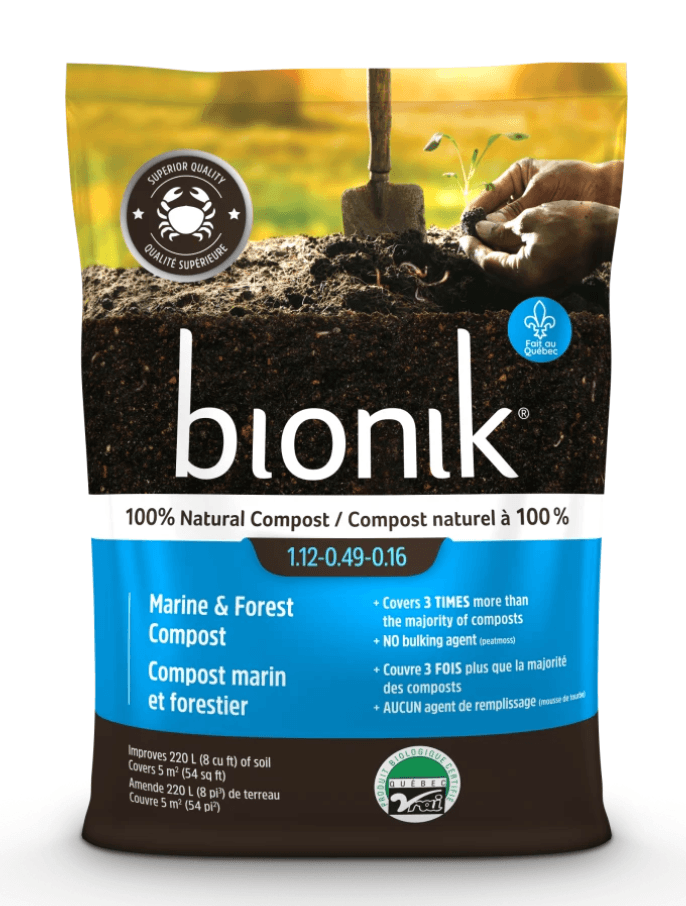
I obviously prefer compost that doesn’t contain sphagnum peat. And if you’re using your own homemade compost, make sure it’s fully matured. If it still contains a lot of coarse wood fragments, microorganisms may consume the available nitrogen in the soil to continue breaking them down. This phenomenon, known as “nitrogen starvation,” can cause the grass to turn yellow temporarily.
In any case, avoid black soil derived from peatland drainage. It is often very acidic, low in biological activity, compacts easily in clay soils, and can become hydrophobic—that is, repel water—when it dries out.
How do I do that?
- Mow low: Begin by mowing your lawn to a height of about 4–5 cm (1½–2 in) and, this time, collect the clippings. Under normal circumstances, it is best to leave grass clippings on the lawn to return valuable organic matter and nutrients to the soil. However, when overseeding, the goal is to maximize the amount of light reaching the new seeds. Don’t waste the clippings, though—add them to your compost pile or use them as mulch in the garden.
- Seed the lawn: Spread the seed mixture according to the manufacturer’s recommendations. You can do this by hand or with a broadcast spreader. Many garden centres and equipment rental businesses offer spreaders for rent, making it unnecessary to purchase one for a single use.
- Topdress with compost: Next, apply a thin layer of compost. If using pure compost, about 3 mm (? in) is usually sufficient. For compost blends containing more peat moss or growing mix, you can apply up to about 5 mm (¼ in). A layer that is too thick may smother the existing grass and reduce air circulation and light penetration.
- Work it in: Using the back of a leaf rake (with the tines facing upward), gently brush the surface to work the compost down to the soil level. The blades of the existing lawn should remain clearly visible through the compost layer. This allows the new seeds to become sandwiched between the soil and the moist compost, ensuring good seed-to-soil contact.
- Water: Then… water! The key is consistency. The seeds must remain continuously moist throughout the germination period. A light daily misting is ideal, as it helps prevent runoff while keeping the surface evenly moist..
Better late than too hot
As I mentioned at the outset, late summer is still a much better time for topdressing and overseeding. If you don’t have time to get the work done before the heat sets in, it’s best to postpone the project until late summer. In this case, better late than too hot!