


Effective June 4, 2026, a new regulation on invasive alien plant species will take effect in Quebec. Adopted under the Environment Quality Act, this regulation allows for “regulating or prohibiting the cultivation, sale, use, and transport of specific invasive plant species whose establishment or spread in the environment is likely to harm the environment or biodiversity.”
What the regulation actually prohibits
In theory, the regulation paves the way for regulating the cultivation, sale, use, and transport of these plants. In practice, however, it is primarily the sale and cultivation for propagation purposes that are currently targeted. The regulation specifies, in particular, that “the cultivation of an invasive exotic plant species includes sowing, transplanting, propagating from cuttings, and maintenance,” but that only “cultivation intended for the propagation of such a species is prohibited.” In other words, simply maintaining a plant already present on one’s property is not prohibited.
The regulation does not apply solely to the sale of whole plants. Any part capable of reproducing the species is also covered: roots, rhizomes, bulbs, stems, leaves, fruits, and seeds. Thus, it is prohibited to sell or distribute any plant part capable of propagating these species.
Activities carried out for other purposes, such as watering, pruning, or maintaining existing plants, are not covered, however. The regulation therefore does not require individuals to remove invasive plants already present on their property. It primarily targets production and marketing to limit the future introduction and spread of these species.
Why are these plants a problem?
Many of the species targeted by the regulation are not merely “vigorous” plants. Some form dense colonies that prevent native plants from growing by monopolizing light, water, and nutrients. Others alter soils, wetlands, or riverbanks, disrupt local insects and wildlife, or accelerate erosion. Some aquatic species can even slow water flow and completely transform certain habitats. Many species also produce an impressive number of seeds or spread from simple rhizome fragments, making them particularly difficult to control once established.
It is also important to make a distinction: a plant that grows very vigorously in a garden is not automatically an invasive alien species. Many native plants can also become very aggressive in a garden setting, such as certain types of goldenrod. The regulation applies only to non-native species capable of escaping from gardens and harming natural habitats and biodiversity.
Target species
Land plants
- Garlic mustard (Alliaria petiolata)
- Common hogweed (Heracleum sphondylium)
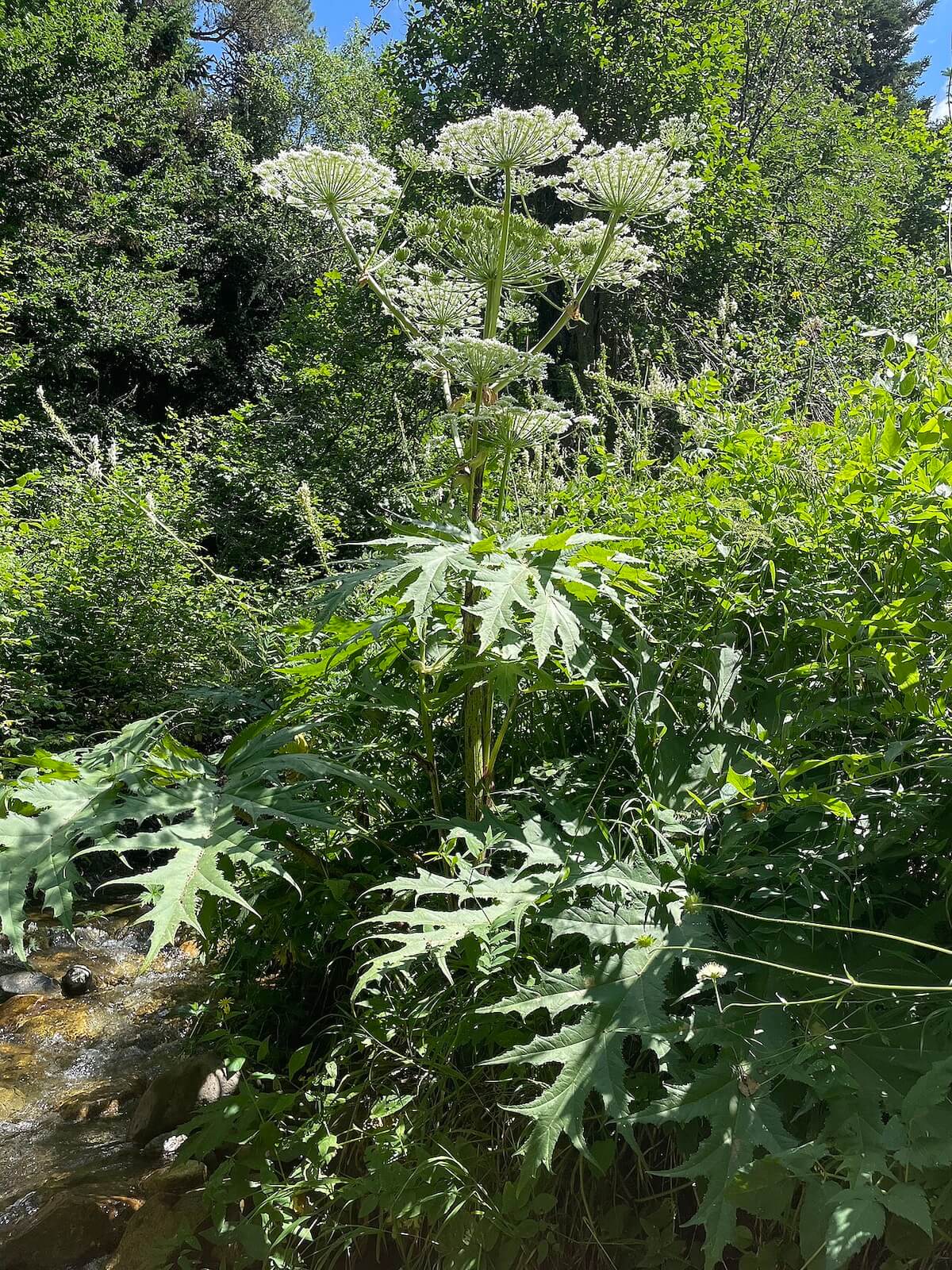
- Giant hogweed (Heracleum mantegazzianum)
- Oriental bittersweet (Celastrus orbiculatus) – “tree strangler”
- Amur honeysuckle (Lonicera maackii)
- Pale swallow-wort (Vincetoxicum rossicum)
- Black swallow-wort (Vincetoxicum nigrum)
- Ground elder (Aegopodium podagraria) – goutweed
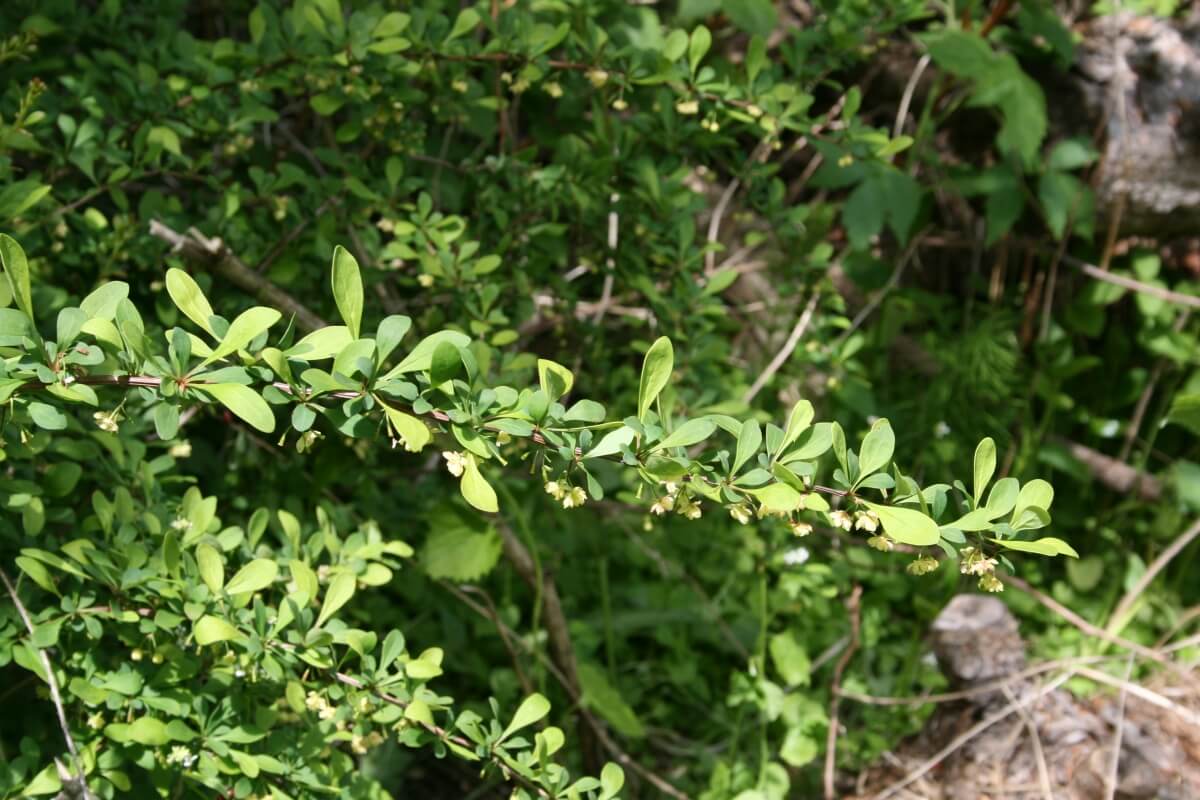
- Japanese barberry (Berberis thunbergii)
- Himalayan balsam (Impatiens glandulifera)
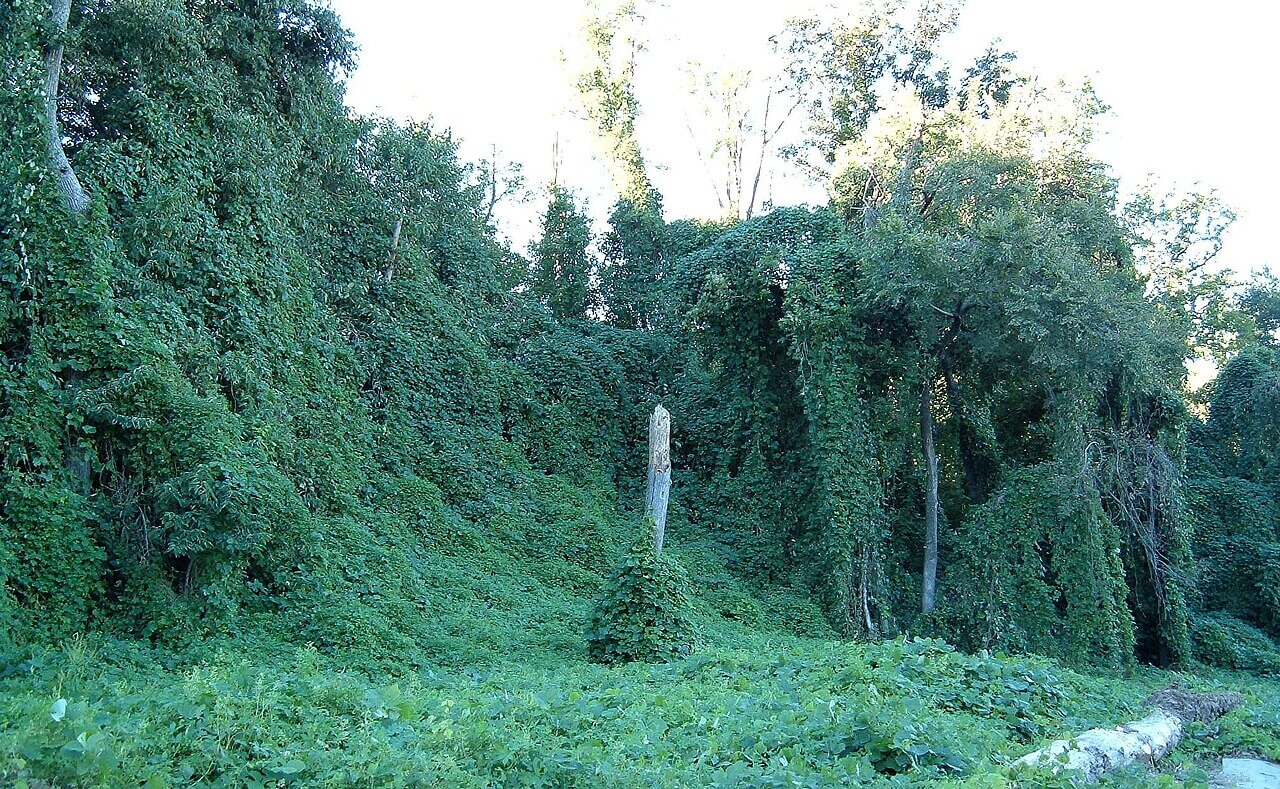
- Kudzu (Pueraria montana)
- Japanese stiltgrass (Microstegium vimineum)
- Glossy buckthorn (Frangula alnus)
- Common buckthorn (Rhamnus cathartica)
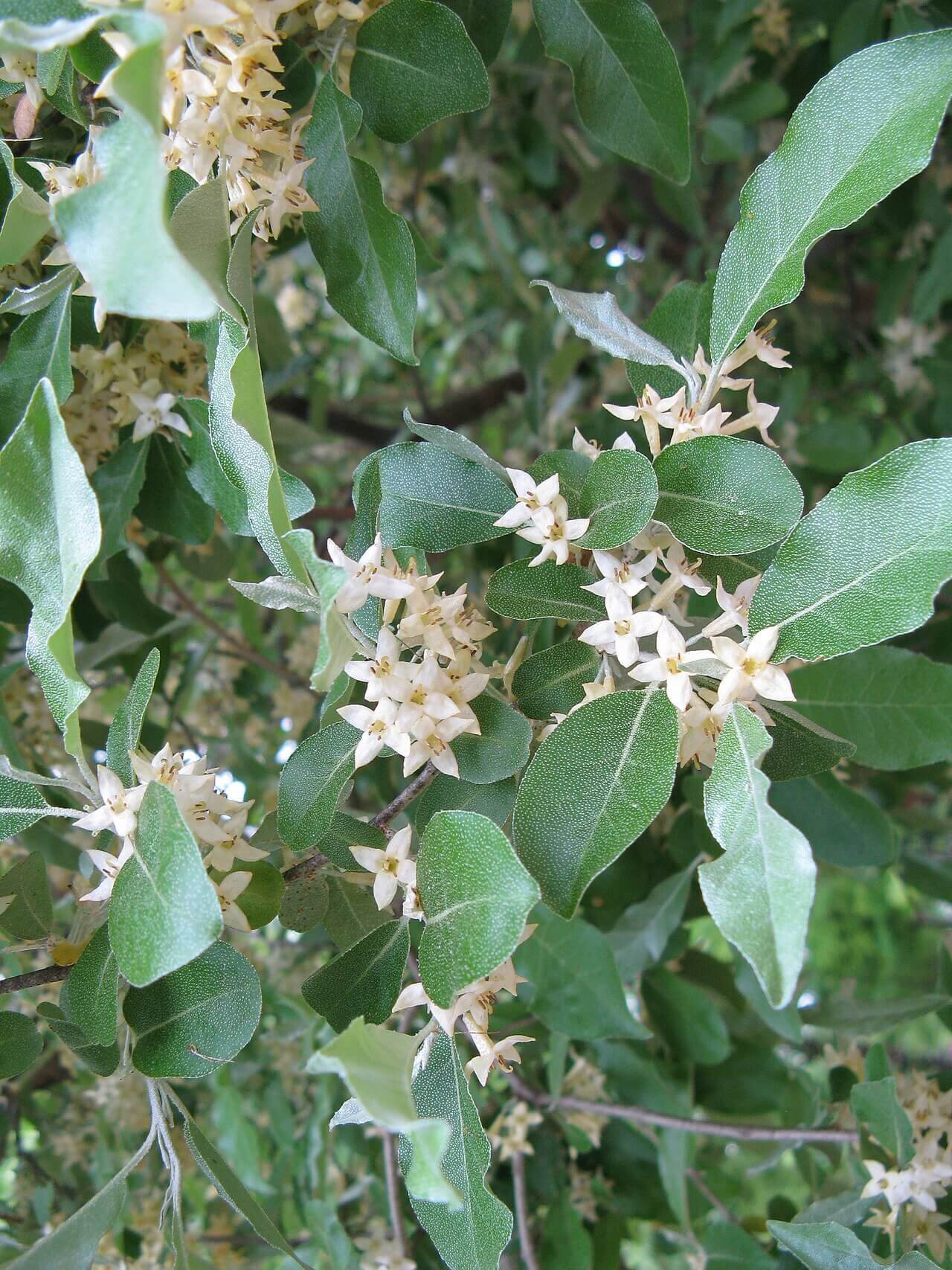
- Autumn olive (Elaeagnus umbellata)
- Lesser celandine (Ficaria verna)
- Bohemian knotweed (Reynoutria × bohemica) – hybrid knotweed
- Giant knotweed (Reynoutria sachalinensis)
- Japanese knotweed (Reynoutria japonica) – Japanese bamboo
- Common reed (Phragmites australis subsp. australis) – invasive phragmites
Aquatic and wetland plants
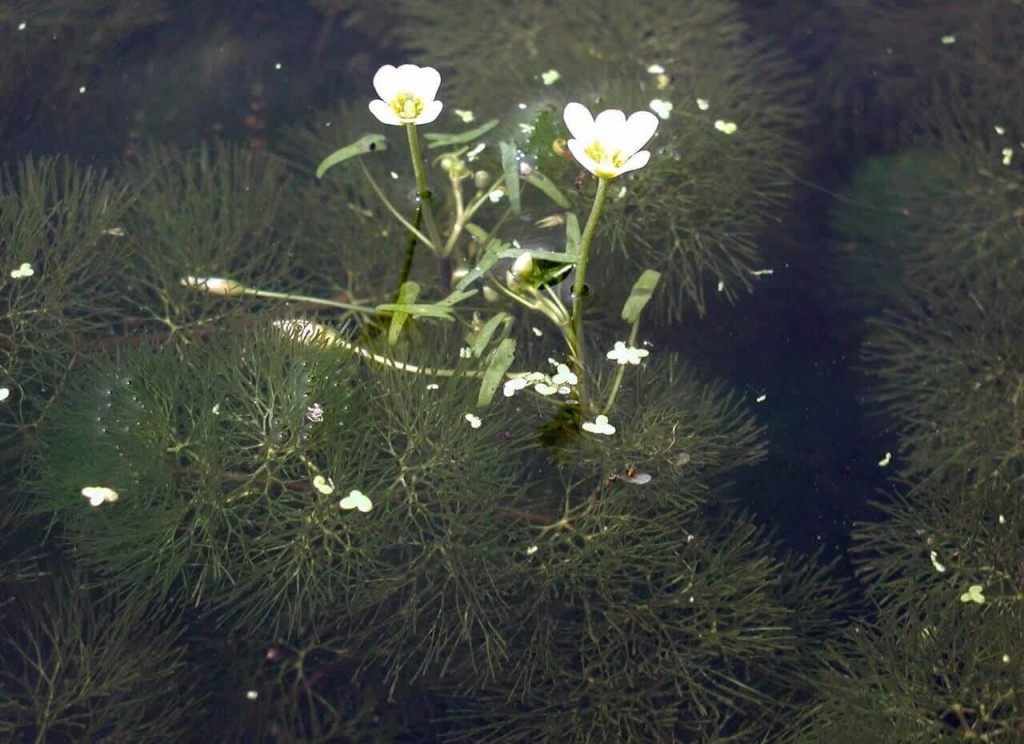
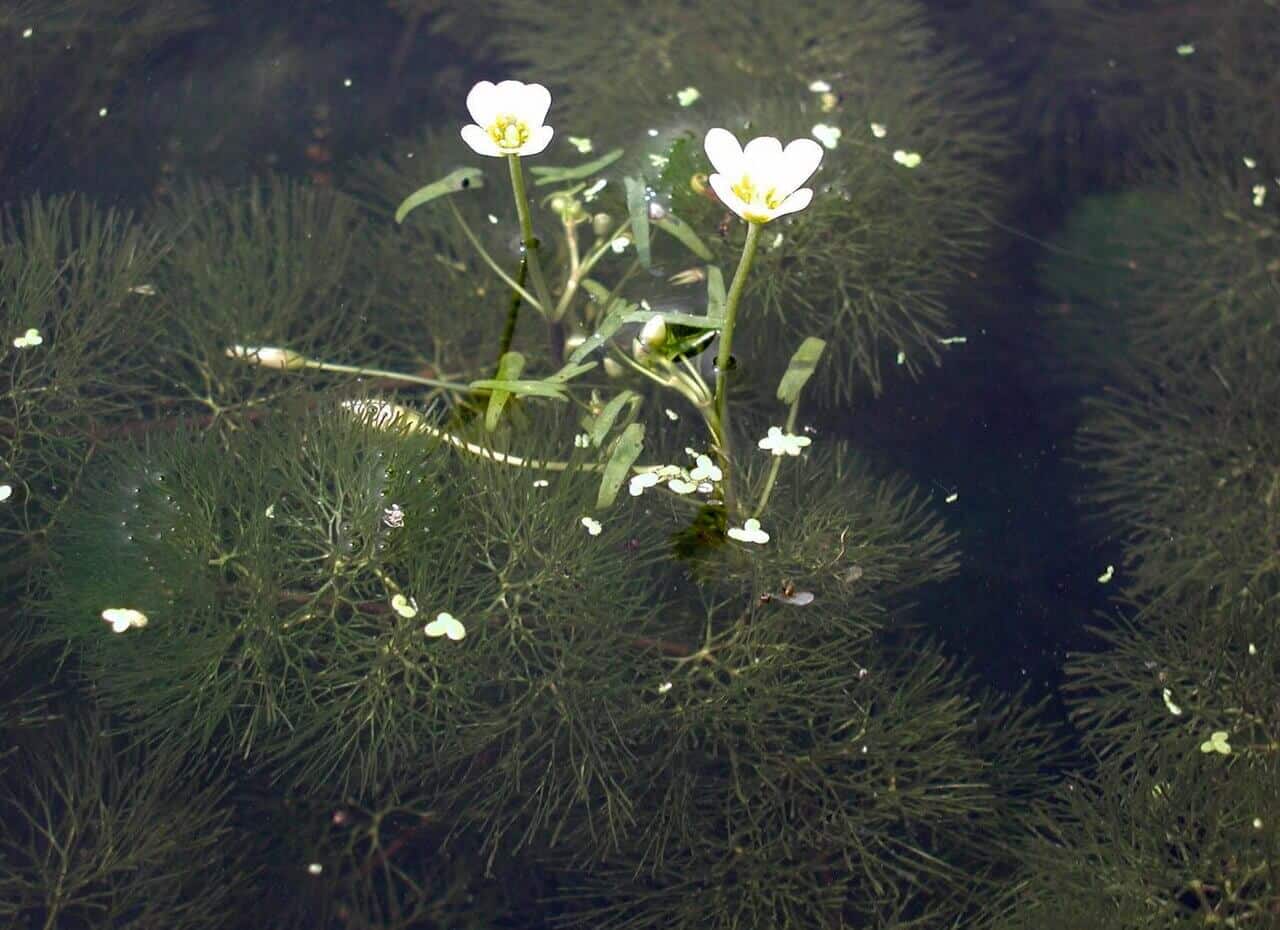
- Carolina fanwort (Cabomba caroliniana)
- Water chestnut (Trapa natans)
- Brazilian waterweed (Egeria densa) – Brazilian elodea, anacharis
- Yellow floating heart (Nymphoides peltata) – yellow floating-heart
- Hydrilla (Hydrilla verticillata)
- European frog-bit (Hydrocharis morsus-ranae)
- Eurasian watermilfoil (Myriophyllum spicatum)
- Parrot feather (Myriophyllum aquaticum)
- Minor naiad (Najas minor) – brittle naiad
- Curly-leaf pondweed (Potamogeton crispus)
- Water soldier (Stratiotes aloides) – water aloe
Aquatic plants: an often-overlooked problem
A significant proportion of the species covered by the regulation are aquatic or wetland plants. Many were, in fact, sold for use in aquariums, water features, or ornamental ponds. The problem is that a single plant discarded in a ditch, stream, or body of water can sometimes be enough to trigger an invasion that is difficult to control. Some species reproduce from very small fragments of stems or leaves, which makes their spread particularly rapid.
An extension for certain species
Although the regulation officially took effect on June 4, 2026, six species will be granted an extension before the complete ban on their sale takes effect, specifically until June 4, 2027:
- Carolina fanwort (Cabomba caroliniana)
- Ground elder (Aegopodium podagraria) – goutweed
- Brazilian waterweed (Egeria densa)
- Japanese barberry (Berberis thunbergii)
- Parrot feather (Myriophyllum aquaticum)
- Glossy buckthorn (Frangula alnus)
The government appears to have granted this reprieve to give growers, nursery owners, and garden centers time to sell off their inventory and adapt to the new regulations.
I must admit, however, that I find it a bit strange to ban species known to be problematic while temporarily allowing their sale. The impacts of many of these plants on ecosystems have long been known and documented, both in Quebec and elsewhere in the world. That said, this compromise may be a small price to pay to finally see concrete regulations put in place after years of awareness-raising without any real enforcement.
A few inconsistencies
The regulation is as much a political, practical, and economic compromise as it is a scientific ranking of ecological risk. When comparing the list of prohibited species with the list of plants considered most problematic for biodiversity, some apparent contradictions quickly become evident. Norway maple (Acer platanoides), for example, is considered a high-risk species for Quebec biodiversity, yet it is not included among the prohibited plants. Conversely, some species considered to pose a low or low-to-moderate risk, such as kudzu (Pueraria montana) and yellow floating heart (Nymphoides peltata), were nevertheless included in the regulation.
In his article Sale of Invasive Exotic Plants Soon to Be Banned in Quebec, published on The Laidback Gardener in November 2025, biologist Claude Lavoie noted that many lists of prohibited plants elsewhere in North America “lack logic and rigor,” often varying widely from one jurisdiction to another and tending to be more reactive than preventive. According to him, Quebec instead sought to develop an approach based on risk assessment while also considering factors beyond ecological harm alone.
This is particularly evident in the case of Norway maple (Acer platanoides). Despite its invasive behavior in many urban woodlands, researchers such as Claude Lavoie, Jacques Brisson, and Alain Paquette opposed its immediate prohibition. Why? Because this tree remains one of the few species capable of tolerating the extremely challenging conditions found in urban environments, and it continues to play an important role in mitigating urban heat islands. In addition, several cultivars are only weakly fertile, and the horticultural industry still produces them on a large scale. Abruptly banning their sale would likely have overshadowed the regulation’s primary objective: removing from the market plants considered more problematic and less defensible from either a horticultural or ecological standpoint.
As Claude Lavoie himself summarized, sometimes you have to choose your battles.
A preventive approach
Interestingly, some of the plants covered by the regulation are still absent or very rare in Quebec. This is particularly true of kudzu, Carolina waterweed, and certain aquatic plants used in aquariums. The government is therefore taking a more preventive than reactive approach here, particularly because climate change could make Quebec much more conducive to the establishment of many of these species in the coming decades.
The case of japanese barberry
The case of Japanese barberry, however, is somewhat unique. Unlike most of the targeted species, several horticultural cultivars remain permitted. Only cultivars with green foliage, such as ‘Emerald Carousel’ and ‘Jade Carousel’, are banned. These are believed to be more vigorous and productive, and therefore more likely to produce fruit and spread into natural habitats. Highly ornamental cultivars with purple, yellow, or variegated foliage generally appear to be less invasive, although the debate is far from settled within the scientific and horticultural communities.
A regulation that will not put an end to the current invasions
Of course, this regulation will not magically make well-established plants such as Japanese knotweed, common reed, or buckthorns disappear. In many cases, these species are now present throughout much of southern Quebec. The main goal is to prevent their continued sale from fueling their spread and to prevent the arrival or establishment of new species before they become uncontrollable.
So now, what should I plant instead?
Across North America, several programs have been developed to help gardeners, landscapers, and the horticultural industry replace invasive plants with safer alternatives. These initiatives provide lists of recommended substitute species that offer similar ornamental qualities while posing fewer risks to native ecosystems. They also recognize that horticulture has played an important role in the introduction and spread of many invasive plants, but that it can likewise become part of the solution by promoting better-adapted, non-invasive, or native species. By choosing appropriate replacements, gardeners can continue to enjoy attractive landscapes while helping to reduce the spread of invasive plants and protect local biodiversity.
Par exemple:
- To replace ground elder (Aegopodium podagraria): foamflower (Tiarella spp.), barrenwort (Epimedium spp.), bigroot geranium (Geranium macrorrhizum), sedges (Carex spp.).
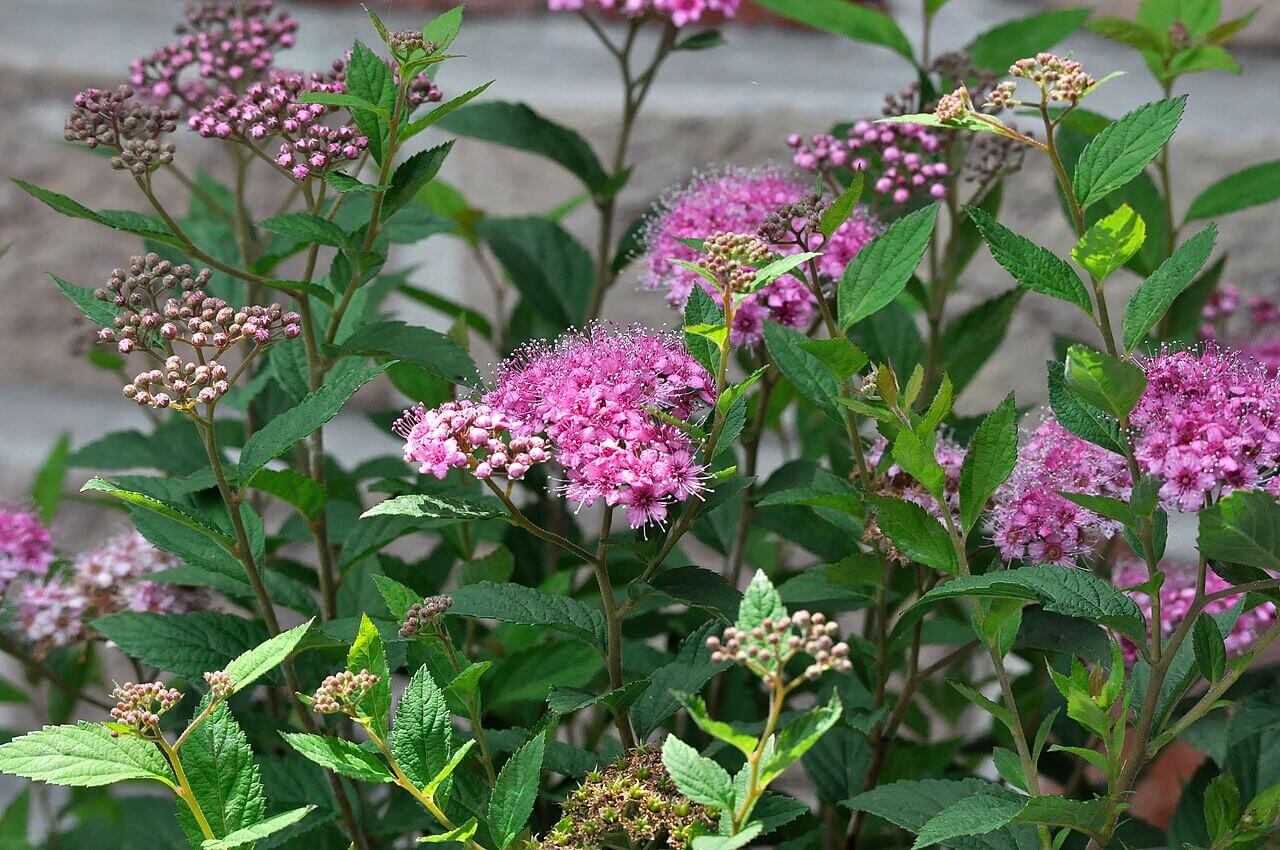
- To replace Japanese barberry (Berberis thunbergii): ninebark (Physocarpus spp.), spirea (Spiraea spp.), dwarf ninebarks (Physocarpus spp).
- To replace glossy buckthorn (Frangula alnus): serviceberries (Amelanchier spp.), viburnums (Viburnum spp.), chokeberries (Aronia spp.).
Finally, concrete actions
For a long time, invasive exotic plants were treated primarily as a theoretical problem or simply a matter of raising awareness. Lists, guides, and recommendations were published, but with little concrete application on the ground. With this new regulation, Quebec is finally shifting from a focus on awareness to a focus on action.
This is likely just the beginning. The regulation remains imperfect, shaped by compromises and occasional contradictions, but it nonetheless marks a significant shift in how the province approaches horticulture, landscaping, and biodiversity conservation.
Across North America, governments, conservation organizations, and the horticultural industry are increasingly taking action against invasive plants through regulations, voluntary programs, educational campaigns, and the promotion of safer alternatives. Approaches vary widely from one jurisdiction to another, reflecting different climates, ecosystems, and political realities, but the overall trend is clear: invasive plants are no longer viewed solely as an environmental issue, but as a practical challenge that requires coordinated action.
What is being done in your area? Many states, provinces, municipalities, and conservation groups maintain their own invasive species programs, prohibited plant lists, and replacement recommendations. Exploring local initiatives can be an excellent way to learn which species are considered problematic where you live and which alternatives are recommended for your region.