


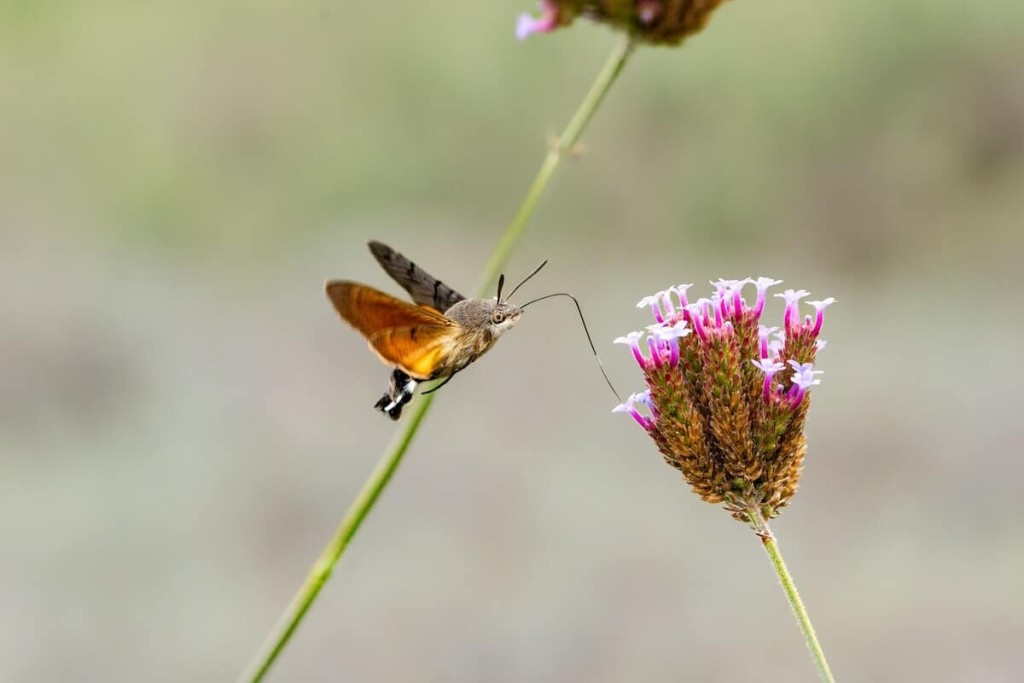
It’s Pollinator Week, and as you know, I never do things quite like everyone else. There are some wonderful articles this week about solitary bees, butterflies, hummingbirds… As for me, I want to take you behind the scenes. Because pollination isn’t just an insect out for a stroll, hopping from flower to flower and carrying pollen along the way! No, no. Plants go to great lengths to be worthy of the insects’ attention!
Today, I’m going to introduce you to three surprising attraction mechanisms: magnetism, scents, and vibrations… (No matter how I phrase this, it sounds like the synopsis of a romance novel, but after all, pollination is, first and foremost, a story of seduction!)
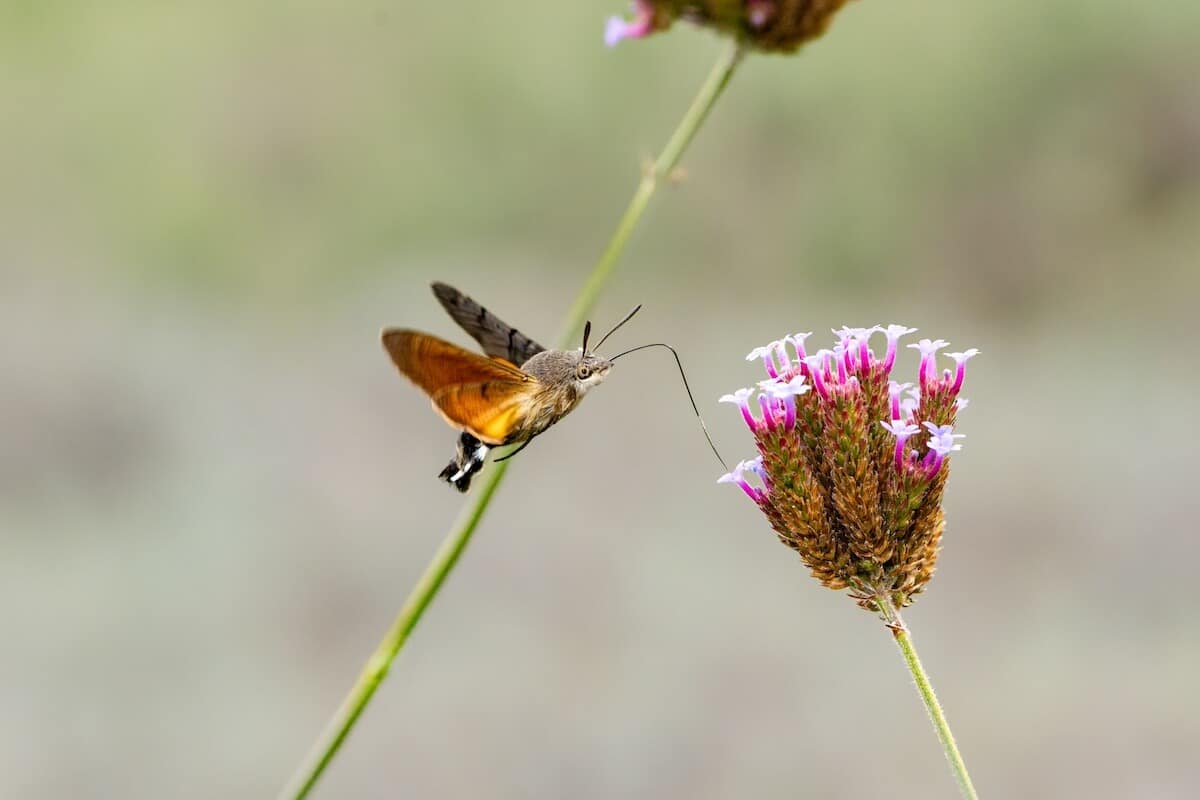
Flowers send electrical signals (and insects pick them up)
Let’s start with my favorite, because honestly, if someone had told me this without scientific proof, I wouldn’t have believed it.
When a bee or a bumblebee flies, it builds up a positive electrostatic charge, much like when you rub a balloon on your hair. Flowers, on the other hand, have a slight negative charge because they’re connected to the ground, which is negatively charged. Opposite charges attract—that’s basic physics; it’s how magnets work—and that’s what allows the pollen to stick to the insect.
But here’s where it gets really incredible. Researchers at the University of Bristol have discovered that bumblebees detect the flowers’ electric field using tiny hairs on their thorax. These hairs move in response to electrical fluctuations, much like how your hair remains attracted to the balloon after you’ve rubbed it. The insect “senses” the flower electrically, even before touching it, just as whiskers help some animals detect wind direction.

And the best part? After a bumblebee visits a flower, the flower’s electrical potential temporarily changes: it picks up some of the insect’s positive charge, becoming more neutral—less negative—itself. The “sensor hairs” are no longer as attracted to that flower. Basically, it’s like putting up a sign that says, “Already visited—come back later.” This signal lasts about one to two minutes, and researchers think that bees might use it to figure out that a flower has just been stripped of its nectar and isn’t worth the trip. The flower communicates invisibly with the insects—no pigment, no scent. Just electricity!
I find it so incredible that plants have developed this communication system! Maybe humans could also evolve in this direction and sense magnetism—if the species became a little more… positive! (Sorry, I couldn’t resist that one!)
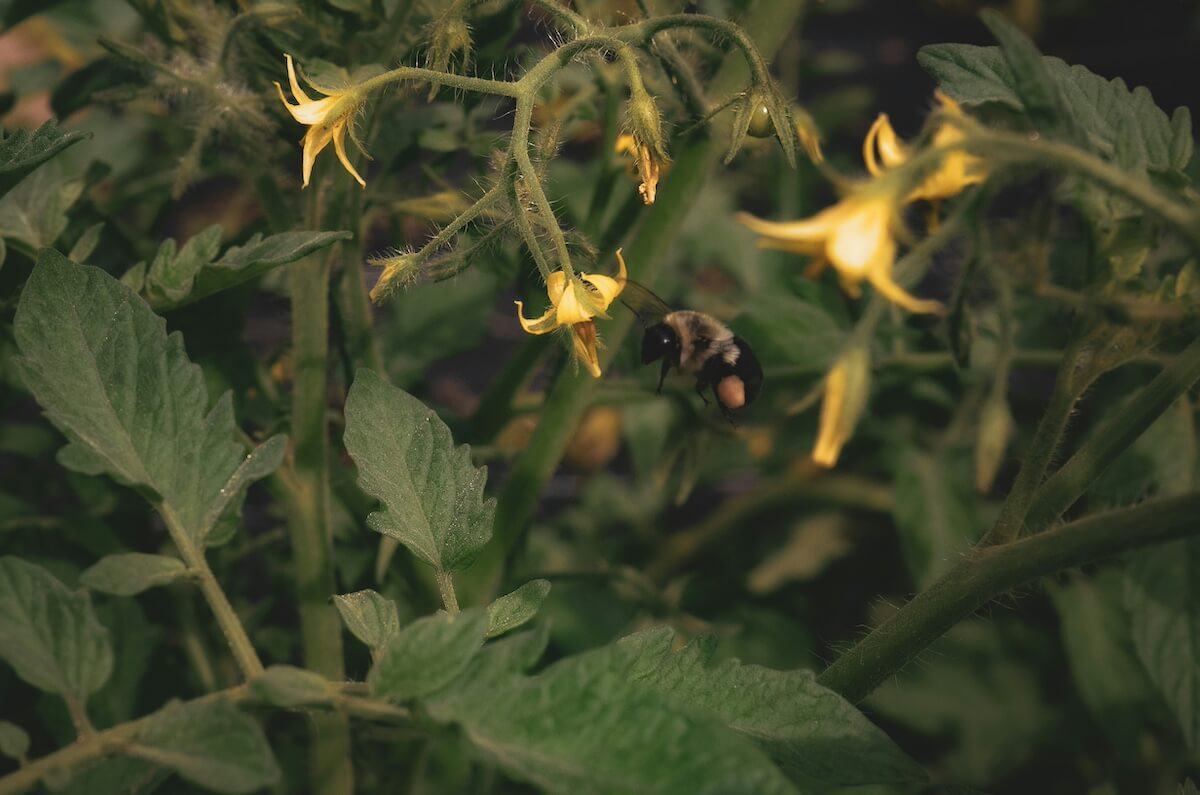
The bumblebees buzzing around your tomatoes
You may have heard about this, but it’s still worth taking a closer look. Some flowers—particularly those of tomatoes, eggplants, and blueberries—have pollen enclosed in very tightly packed tubular anthers. In other words, the pollen doesn’t come out easily.
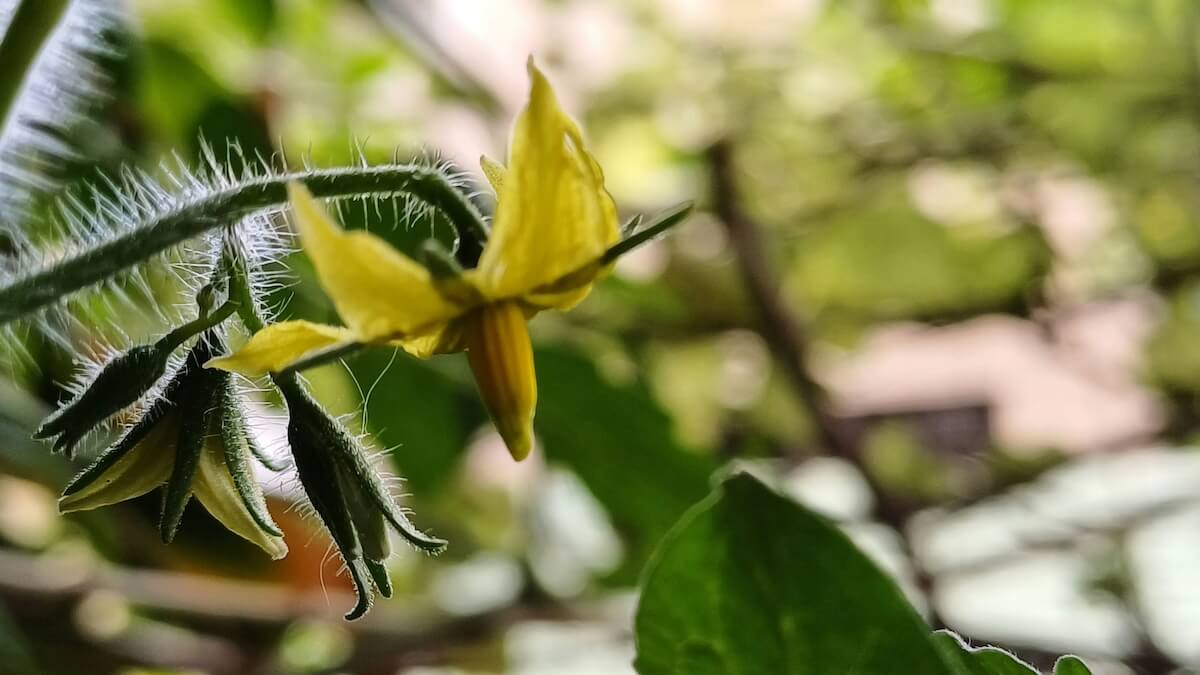
Nature’s solution? Some insects—mainly our native bumblebees—have learned to cling to the flower, “disengage” their wings, and vibrate their thoracic muscles at a very high frequency. This vibration literally makes the flower resonate, and the pollen shoots out. It’s like shaking a salt shaker. This is called vibratory pollination, or “buzz pollination” in English.
The key takeaway for our Canadian gardens: it’s our native pollinators that do this work—bumblebees and solitary bees. They’re the ones that vibrate, not honeybees. So, take good care of them!
Flowers that smell of death
Finally, a strategy straight out of a dark romance novel: flowers that lure pollinators with a deceptive scent.
Some plants, unable to offer enough nectar or pollen, have adopted a slightly underhanded strategy. They mimic the scent of rotting meat or feces to attract flies and beetles looking for a place to lay their eggs (which they usually do in “real” carcasses or feces). The insect enters the flower, wanders around inside, unknowingly collects pollen, and leaves without having gained anything. A scam for the poor insect, but the flower, for its part, has indeed been pollinated in the process!
This is called sapromyophily. This mechanism has evolved independently in dozens of plant families with no connection to one another. Nature has reinvented the scam several times!
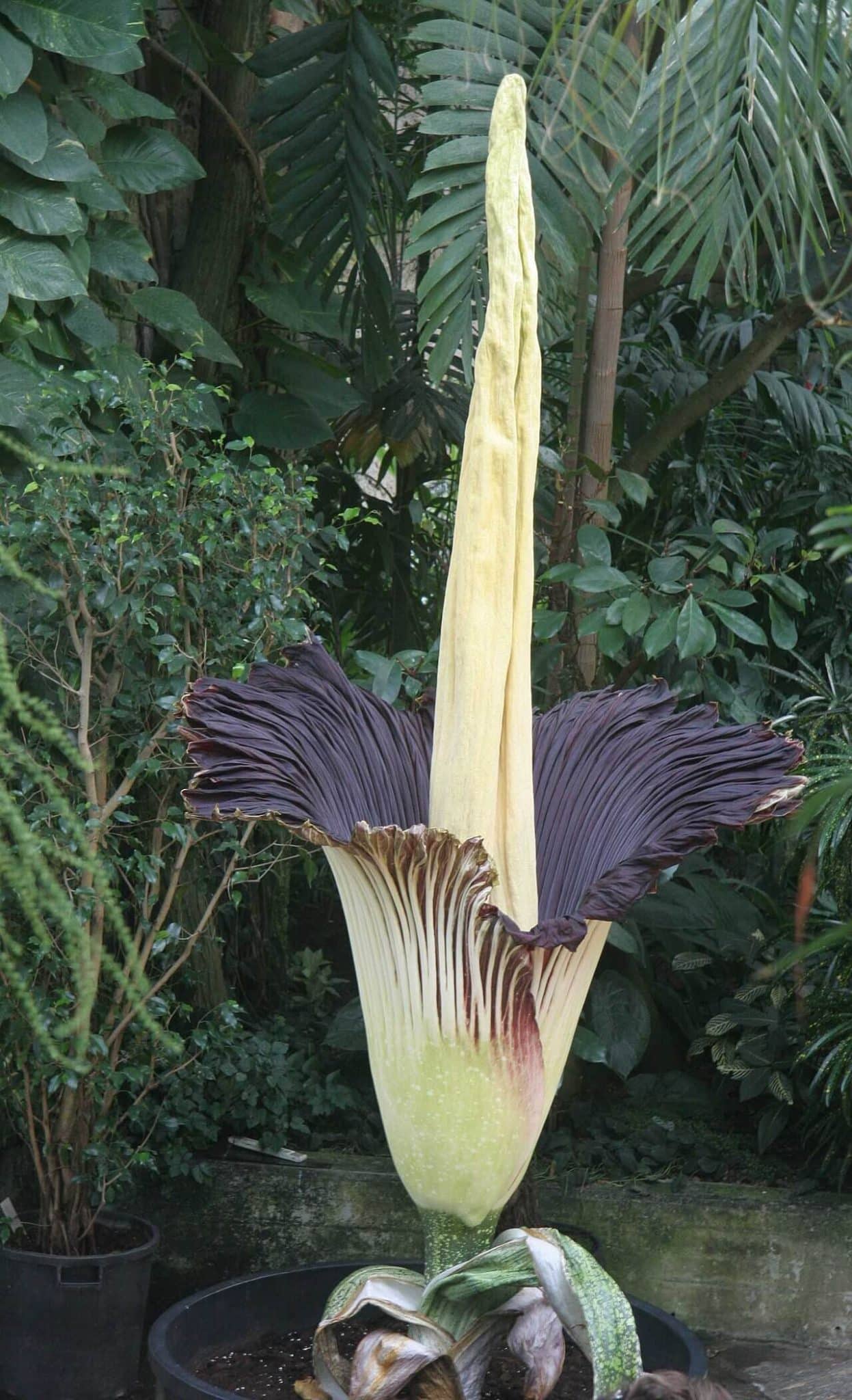
The icing on the cake: the Amorphophallus titanum, the famous “corpse flower” also known as the “Titan’s phallus,” with inflorescences over 3 meters tall, doesn’t just mimic the smell. It generates heat to better disperse its foul-smelling compounds over hundreds of meters. It heats up its bait. I don’t know about you, but I’m impressed!
So, are you convinced? Because if I were a pollinator standing before a vast field of flowers, I’d be flattered that they’re putting so much effort into welcoming me among their petals!
Pollination is much stranger and more ingenious than we imagine. Electric fields, vibrational music, and pure chemical deception. Think of all the obvious (and not-so-obvious) strategies flowers use to reproduce. You might no longer see pollinators as little workers, but as selective customers!