


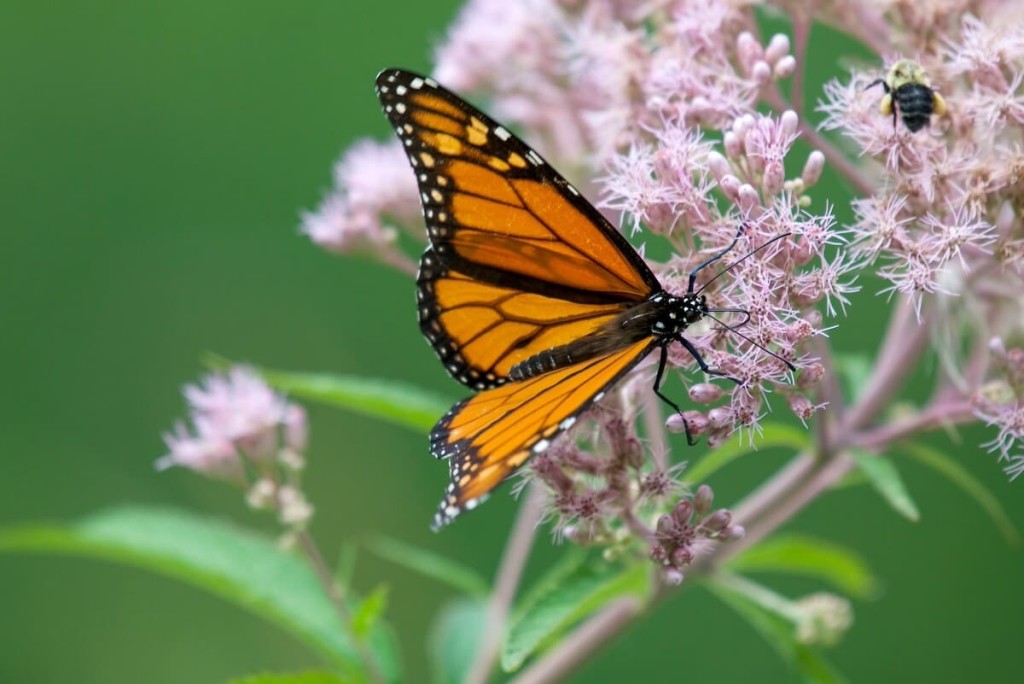
Les autres insectes pollinisateurs
What role do other pollinating insects play? I’ve noticed that around my house, it seems to be the common bumblebees that do this job.
Answer
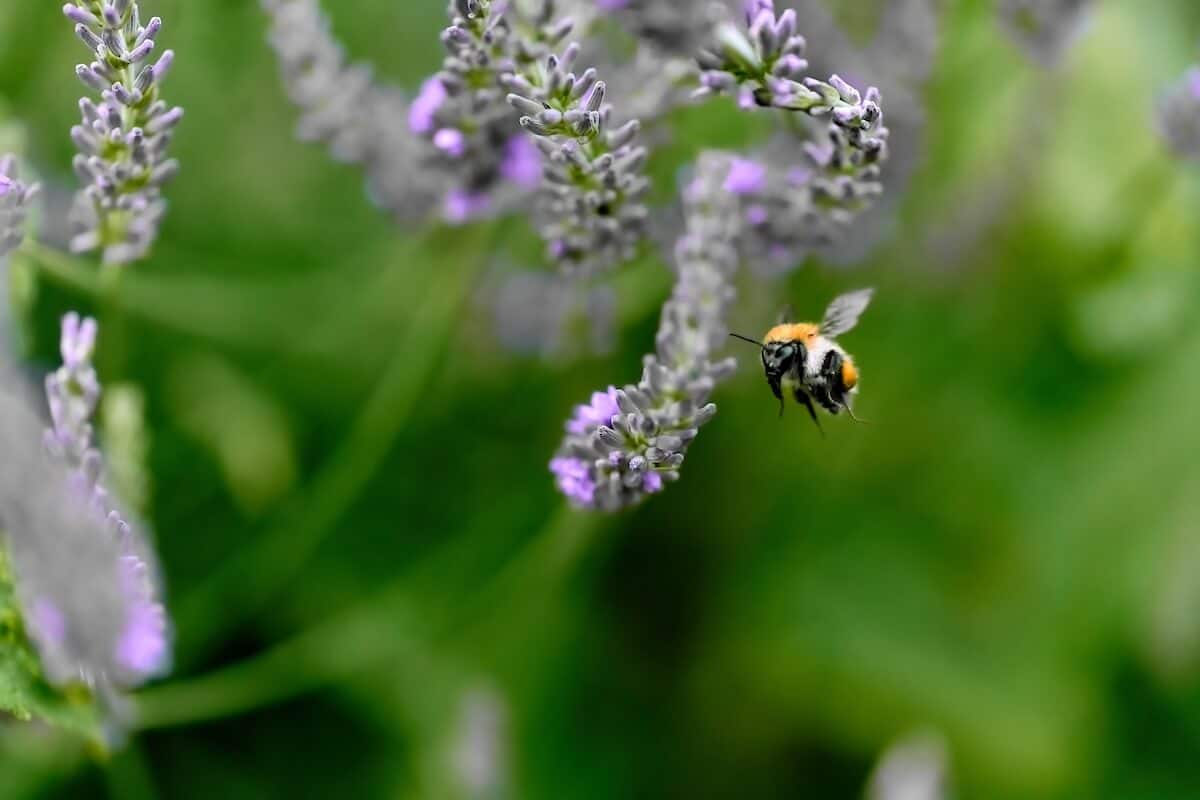
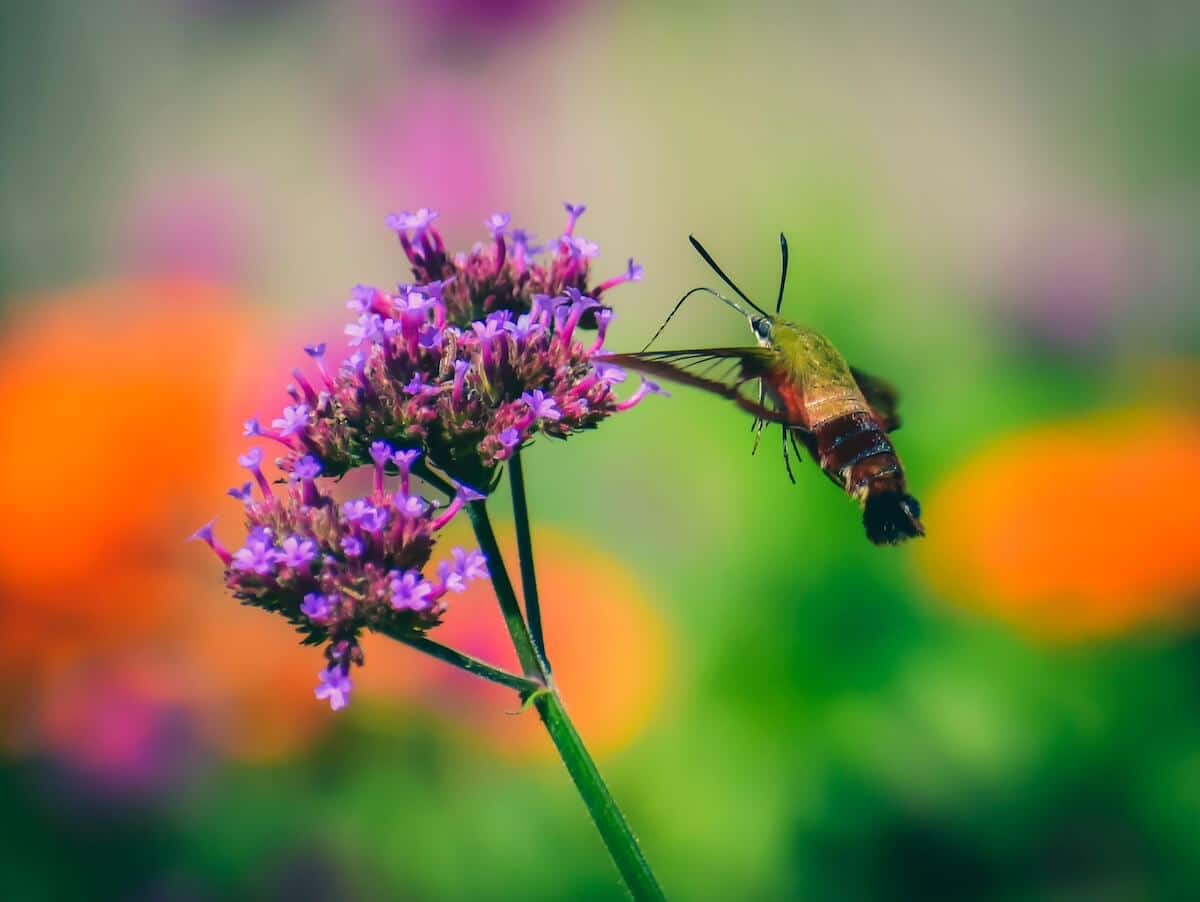
Bumblebees, of course, but also many other native bees—North America is home to thousands of bee species—as well as hoverflies and other flies, butterflies, moths, and various beetles. Not to mention hummingbirds, which, although they are not insects, also contribute to pollination.
There is, therefore, a whole range of pollinators. The honeybee is often the best known, but it is just one species among hundreds of pollinators found in Quebec. In many gardens, native pollinators do much of the work. Often unobtrusive but remarkably efficient, they deserve our protection through a variety of flowers and more natural spaces where they can feed, reproduce, and find shelter.
Flowers to attract pollinators
As a city dweller who has just moved to a much larger space, I’m planning to start a vegetable garden and plant flowers to attract bumblebees, honeybees, hummingbirds, and other creatures. In your opinion, what would be the best fruits, vegetables, and flowers for this project?
Answer
Contrary to popular belief, pollinators do not perceive flowers exactly as we do. They navigate primarily using scents and ultraviolet light, which makes certain seemingly ordinary plants utterly irresistible to them. This is true of several trees with inconspicuous flowers, such as willows and maples, which serve as essential food sources for bumblebee queens in the spring, long before the vegetable garden blooms.
To attract a wide variety of pollinators, it’s best to combine edible and ornamental plants. Fruit trees, such as apple, cherry, and plum trees, as well as berry bushes, such as blueberry, raspberry, and strawberry plants, are particularly popular with bees and bumblebees. Leafy greens and root vegetables generally contribute little to pollination, since they are harvested before they bloom. In contrast, fruiting vegetables, such as squash, cucumbers, and beans, provide nectar and pollen in abundance.
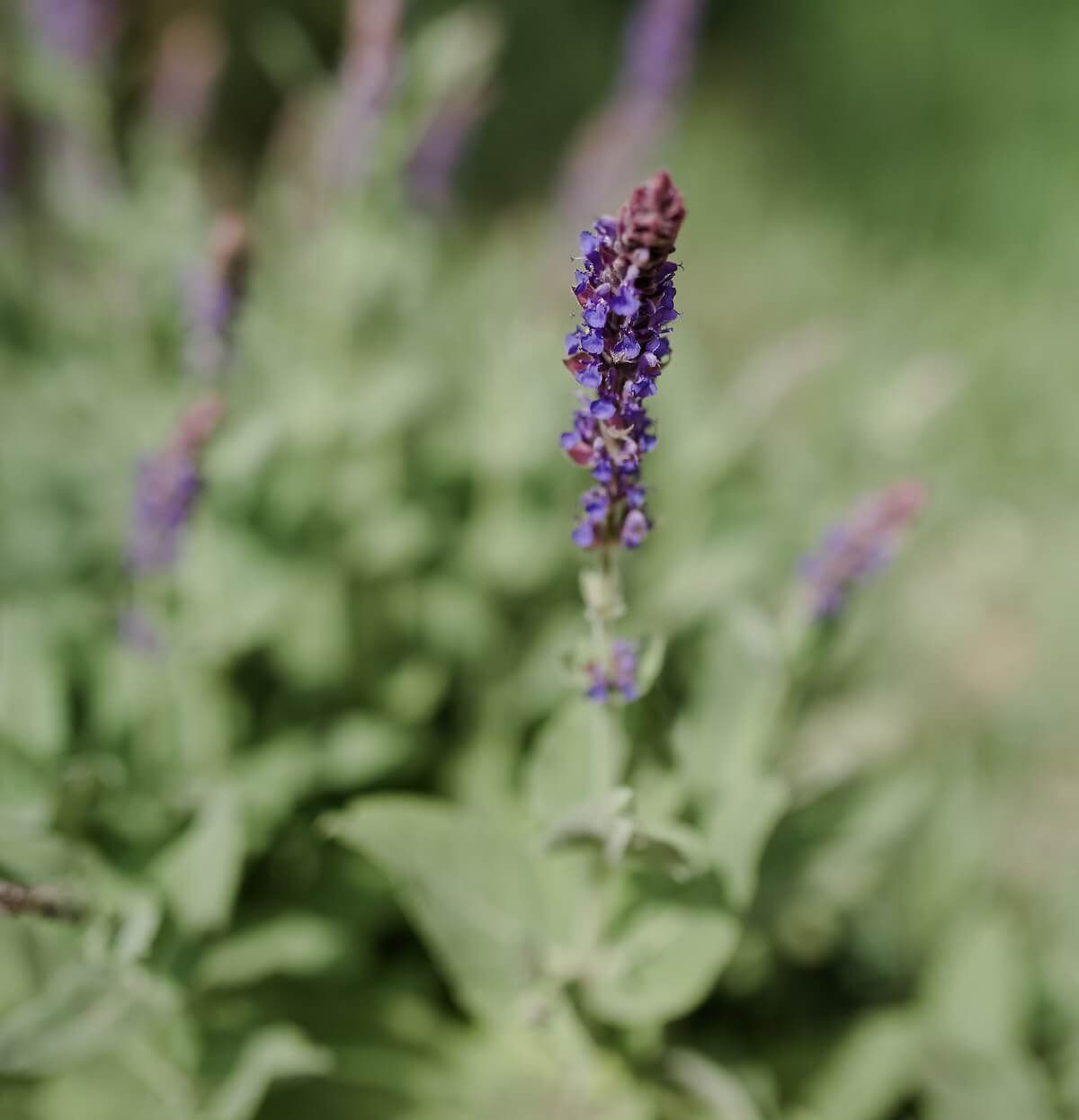
Herbs are also valuable allies. Just let a few of them bloom—especially thyme, oregano, chives, and sage—and you’ll quickly see your garden come to life.
What should I plant?
To further support pollinators, plant a variety of flowers that bloom in succession from spring through fall. Native plants, such as milkweeds, fall asters, goldenrod, bee balm, and Joe-Pye weed, are particularly beneficial because many insects are closely associated with them. That said, traditional ornamental plants also have their place. Zinnias, alyssum, cosmos, echinacea, and even certain varieties of marigolds are very popular with bees, butterflies, and other pollinators.
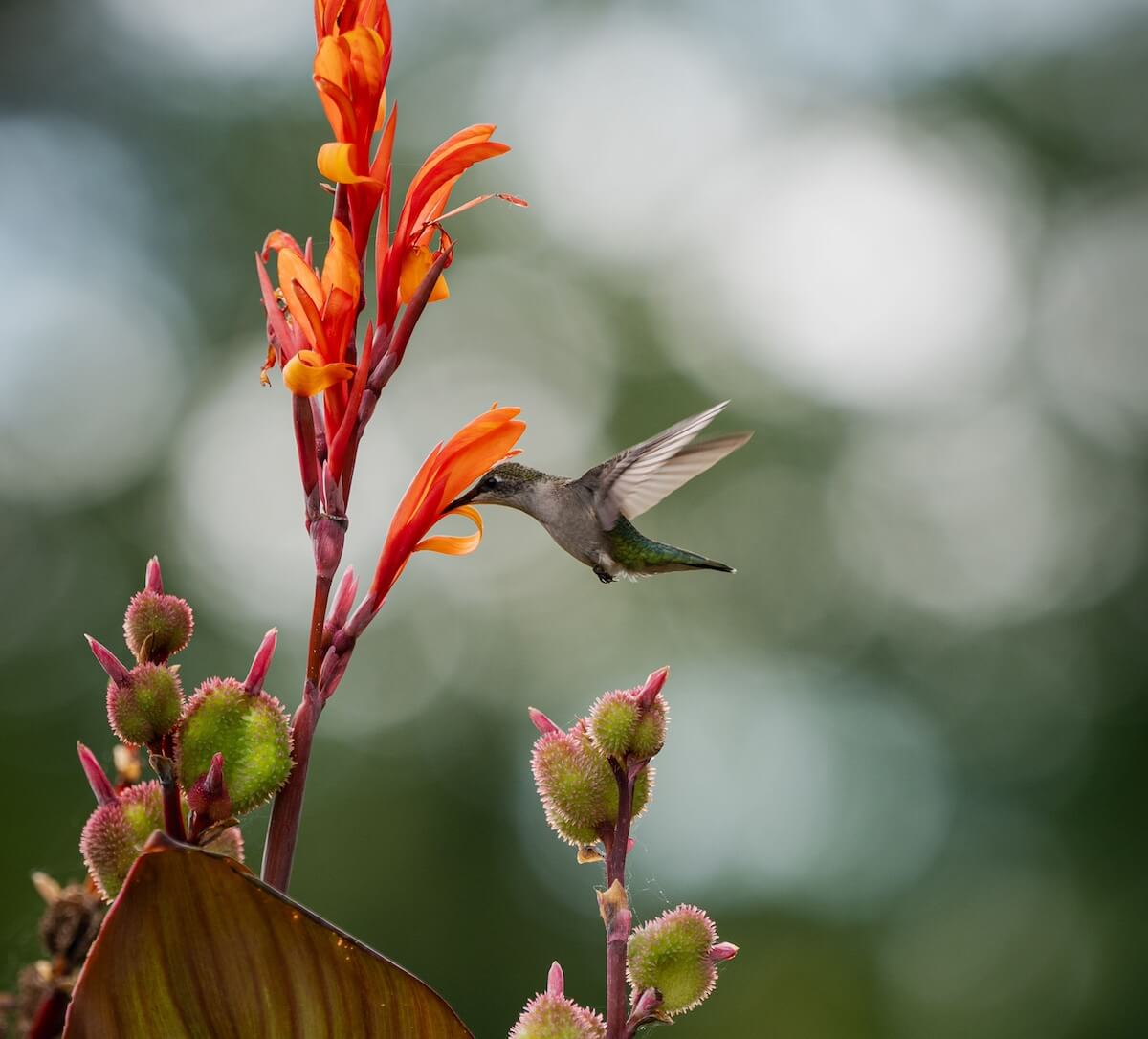
Hummingbirds, on the other hand, are primarily attracted to tubular flowers rich in nectar. Although they easily spot the color red, they happily visit flowers of all colors when nectar is abundant. Among the edible plants that attract them are goldenrod, nasturtiums, and monarda. To attract even more of them, round out your garden design with nectar-rich plants, such as Canadian columbine, native honeysuckle, or the annual Cuphea ‘Vermillionaire’.
Finally, be sure to provide flowers from early spring until the first frosts. Continuous blooming throughout the season is one of the best ways to turn your garden into a haven for pollinators.
Monarch butterfly breeding
We’ve heard about raising monarch butterflies and would like to try it with the kids this summer. We know that monarch caterpillars live on milkweed, which is their host plant. Do you know where we can find this plant? How can we recognize it? I think the kids will be amazed—and so will we—by the whole process of the caterpillars’ transformation.
Answer
It’s a wonderful idea to observe this fascinating life cycle with children, but these days it’s best to do so right in your own garden. Scientists and entomologists generally advise against raising monarchs in cages or indoors, as overcrowding can promote the spread of parasites and diseases, while artificial conditions can hinder the butterflies’ normal development.
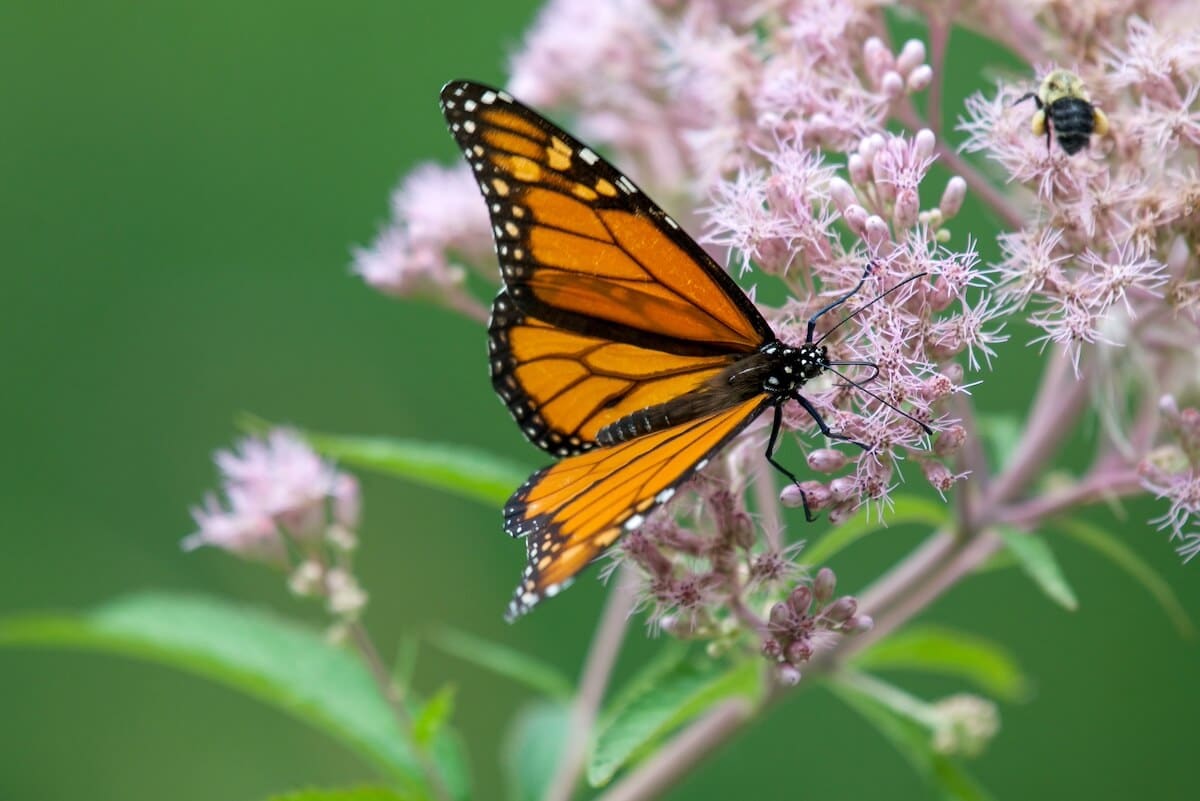
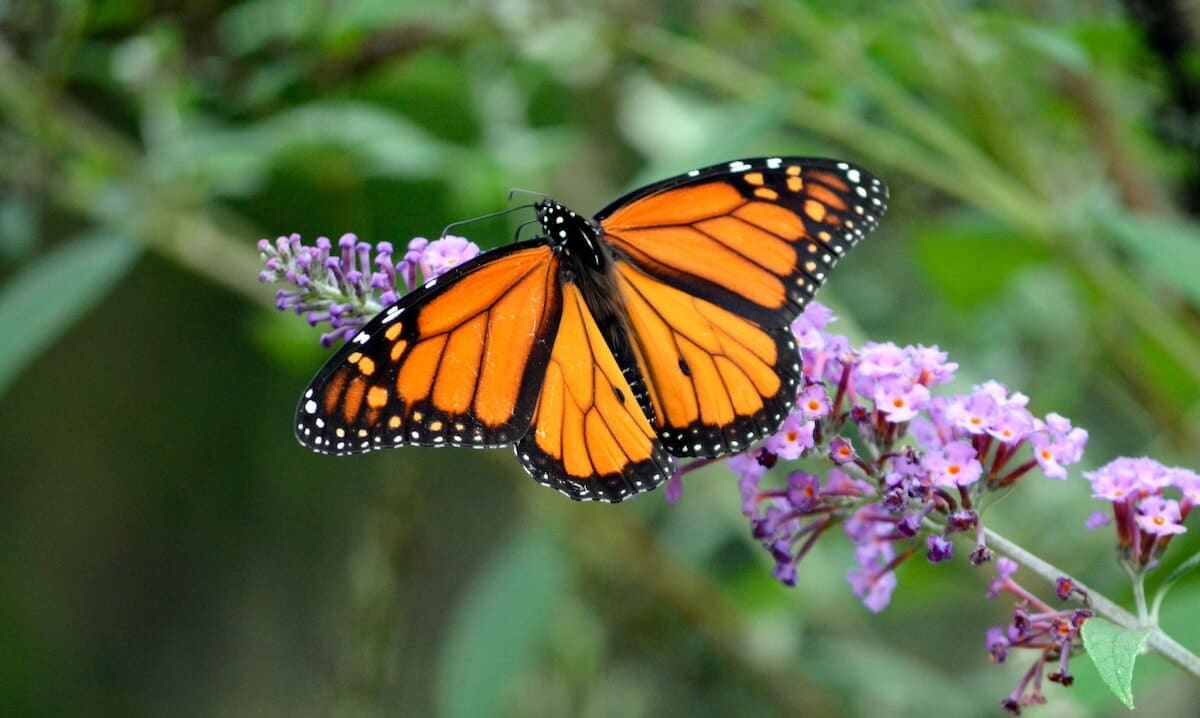
Fortunately, turning your garden into a refuge for monarchs is an equally fascinating solution—one that’s safer and far more beneficial for the species. To attract monarchs to your home, simply plant milkweeds, the only plants their caterpillars can feed on. Common milkweed (Asclepias syriaca) is the most common species in Canada, found particularly in wastelands, fields, and along roadsides. It is recognizable by its large, thick leaves, the white sap that oozes when a leaf or stem is broken, and its clusters of highly fragrant purplish-pink flowers that typically bloom in June and July. It is excellent for monarch butterflies, but it can spread rapidly via its rhizomes.
At home
For residential gardens, many gardeners prefer species that grow in more compact clumps. The crimson milkweed (Asclepias incarnata) is particularly well-suited. It produces pink or white flowers from July through August, thrives in full sun, and tolerates clay or moist soils very well. Tuberous milkweed (Asclepias tuberosa), on the other hand, features striking orange blooms but prefers very well-drained soil and does not do well in heavy clay.
Once the milkweeds are established, nature will often take care of the rest. In summer, female moths lay their eggs under the leaves. Children can then watch for the appearance of caterpillars striped with yellow, white, and black, observe their growth, and, with a little luck, discover a jade-green chrysalis adorned with golden dots. Few natural spectacles are as fascinating as the transformation of a caterpillar into a butterfly, especially when it happens right in your own backyard.
Problems with zucchini
The plants grow very well, the flowers are plentiful, and the leaves are huge (30 to 40 cm [12 to 16 in] in diameter). But even before they reach their full size, the leaves become covered with a white film, as if they’d been dusted with flour. As for the fruits, they grow to about 7.5 cm (3 in) in length, then stop growing. The tip then begins to rot, and the fruit eventually withers away. Can you tell me what this is and if there’s a solution?
Answer
Your diagnosis is almost a given: your plants seem to be suffering from two distinct problems, both of which are very common in squash grown under cover.
Powdery Mildew
The white, fuzzy coating covering the leaves is powdery mildew, a common fungal disease. This fungus thrives in conditions of poor air circulation and high humidity around the plants. In a simple greenhouse, the best prevention is to promote good ventilation during the day to reduce the moisture that accumulates around the foliage. It is generally advisable to open the greenhouse wide in the morning and maintain adequate airflow during the warmest hours of the day.
A preventive spray made from one part milk to nine parts water is sometimes used to help slow the development of the disease. Certain varieties, such as ‘Golden Glory’, also show better resistance to powdery mildew, although they are not completely immune.
Lack of pollination
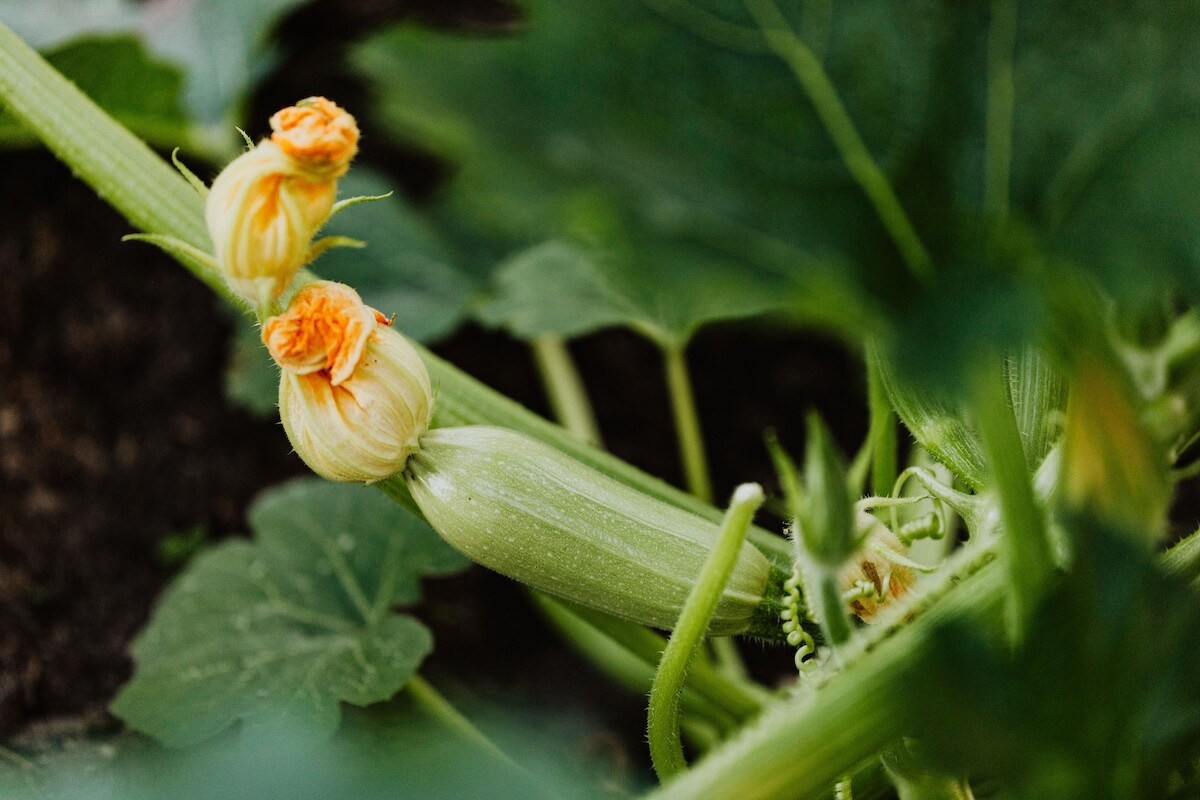
The second problem is even more interesting in the context of pollination. Small zucchini that stop growing and then rot at one end are usually the result of incomplete pollination. In squash and zucchini, the male and female flowers are separate. If few insects visit the flowers, or if weather conditions discourage pollinators, fertilization may be insufficient and the young fruit will abort.
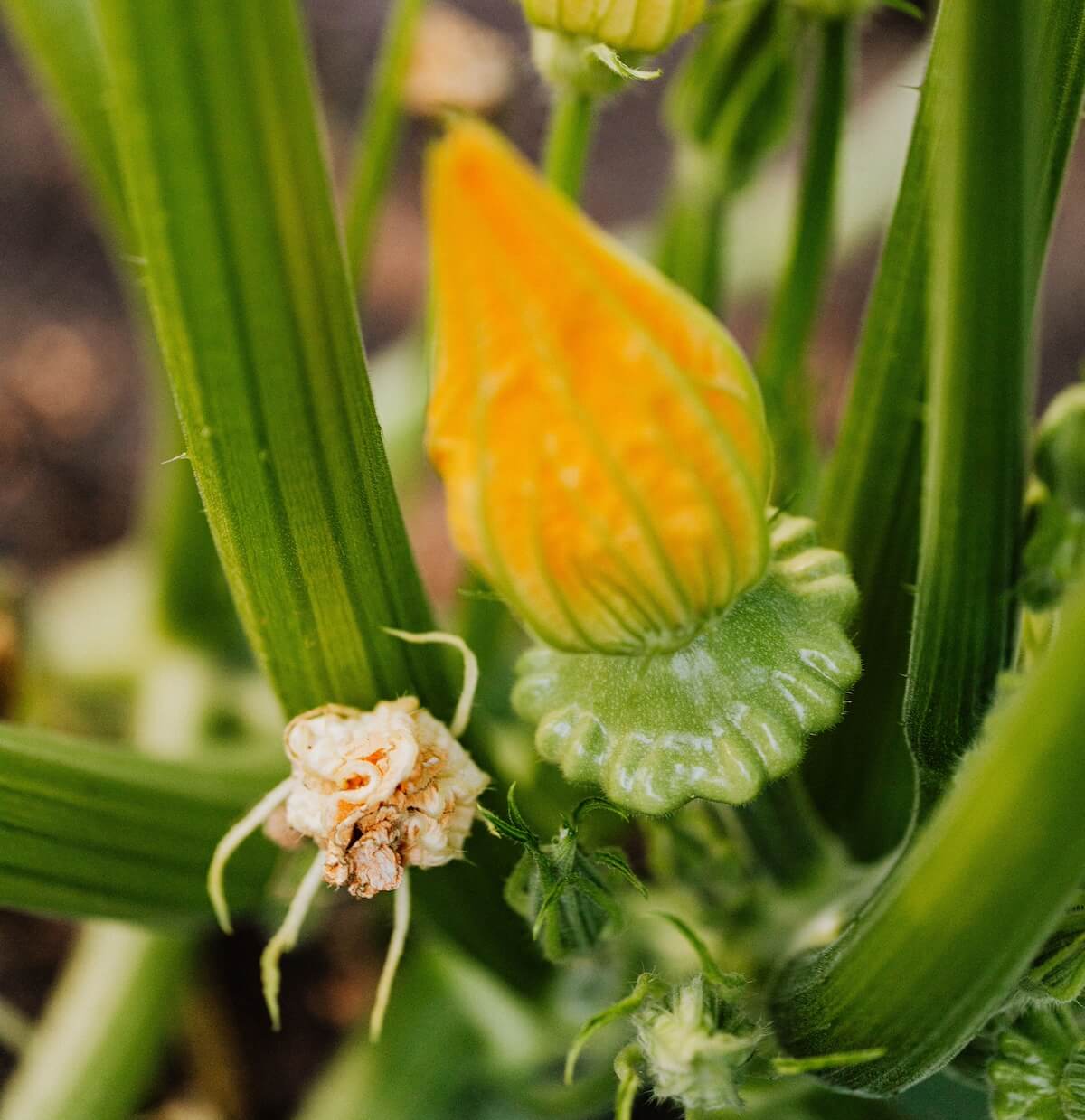
This problem is particularly common in greenhouses, where bees and bumblebees cannot move about as freely. To improve your harvests, you can encourage pollinators by opening the greenhouse more during the day. You can also pollinate the plants by hand. In the morning, when the flowers are fully open, collect pollen from a male flower and place it on the pistil of a female flower, which you can recognize by the small, zucchini-shaped bulge at its base.
With better air circulation and more effective pollination, your zucchini plants should regain their vigor and produce a much more abundant harvest.
Pear tree without fruit
I have a pear tree that blooms in the spring, but the flowers fall off. Why? The tree is about 1.8 m (6 ft) tall.
Answer
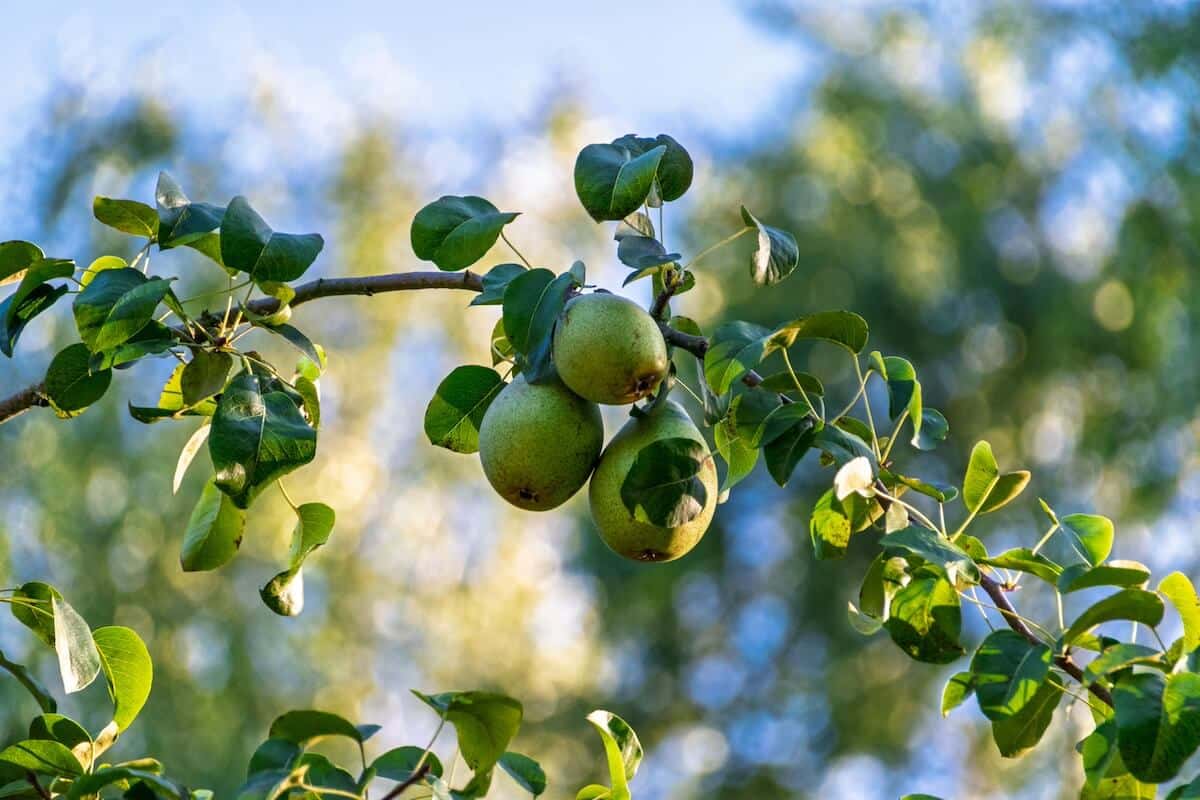
First, it’s perfectly normal for flowers to fall off after blooming, since this spectacle is fleeting by nature. Your real concern is the lack of fruit following this stage.
At a height of 1.8 meters (about 6 feet), the most likely explanation is simply that your tree is still young. A pear tree generally takes several years before producing a significant harvest. Depending on the variety, it’s not uncommon to wait four to six years after planting before harvesting the first pears. During this period, the tree devotes most of its energy to developing its roots and structure.
Spring weather can also play tricks on you. A late frost occurring just as the flowers are open is enough to damage the reproductive organs and jeopardize an entire season’s harvest.
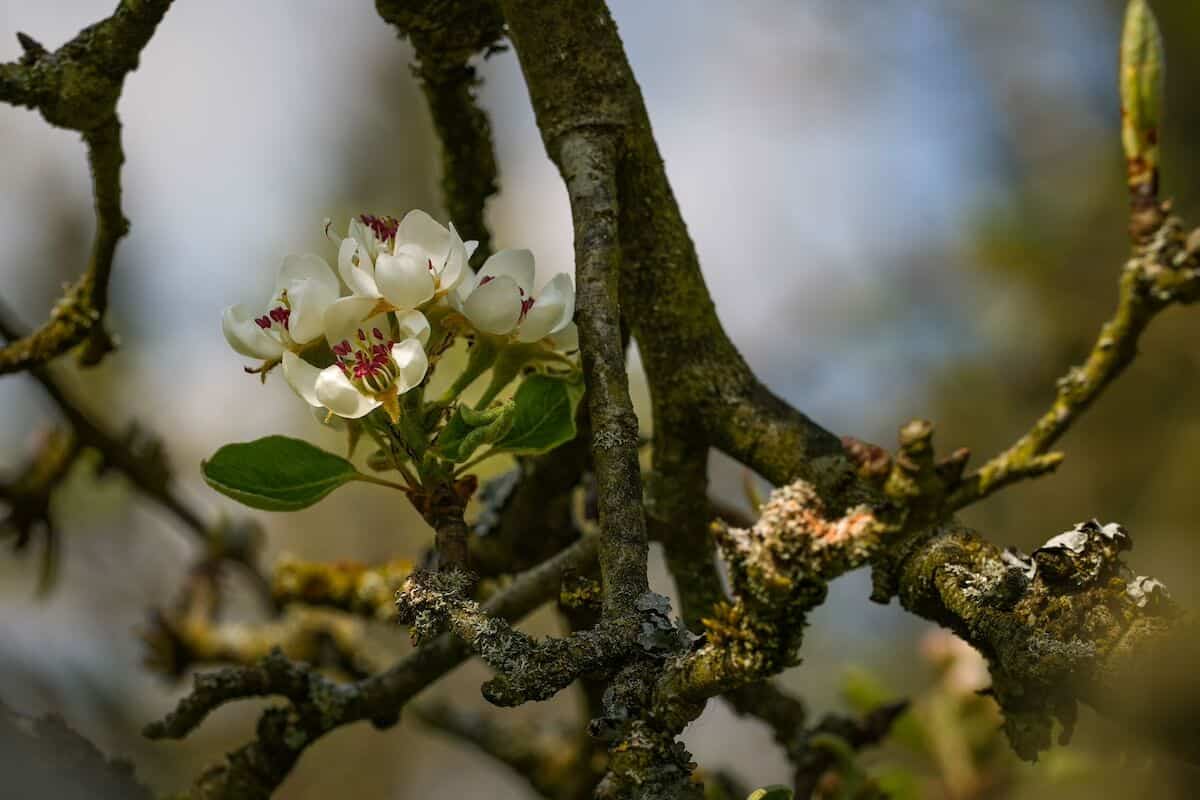
The other major cause—and often the most common one—has to do with pollination. Most pear trees are not self-fertile. To produce fruit, they need pollen from another pear tree of a different variety that blooms at the same time. If no compatible pear tree grows nearby, your tree may bloom profusely every spring without ever producing fruit.
Even when two compatible varieties are present, pollen transfer depends largely on pollinating insects. Since pear trees bloom in early spring, this task is often carried out by wild bees and bumblebee queens, which tolerate cool temperatures better than honeybees. If the weather is cold, rainy, or very windy during the short flowering period, their activity may be reduced and pollination compromised.
This is, in fact, an excellent example of the essential role pollinators play in the garden. Without them, even a perfectly healthy tree covered in flowers may produce no fruit at all.
Larry Hodgson has published thousands of articles and 65 books throughout his career, in both French and English. His son, Mathieu, has made it his mission to make his father’s writings accessible to the public. This article was originally published in Le Soleil.