

Plant evolution is a fascinating field of study. Once you discover that mosses evolved from algae and then into ferns and finally into conifers, everything falls into place! Millions of years of trial and error lead to one plant innovation after another. And what about all those unexpected developments that never made the cut?
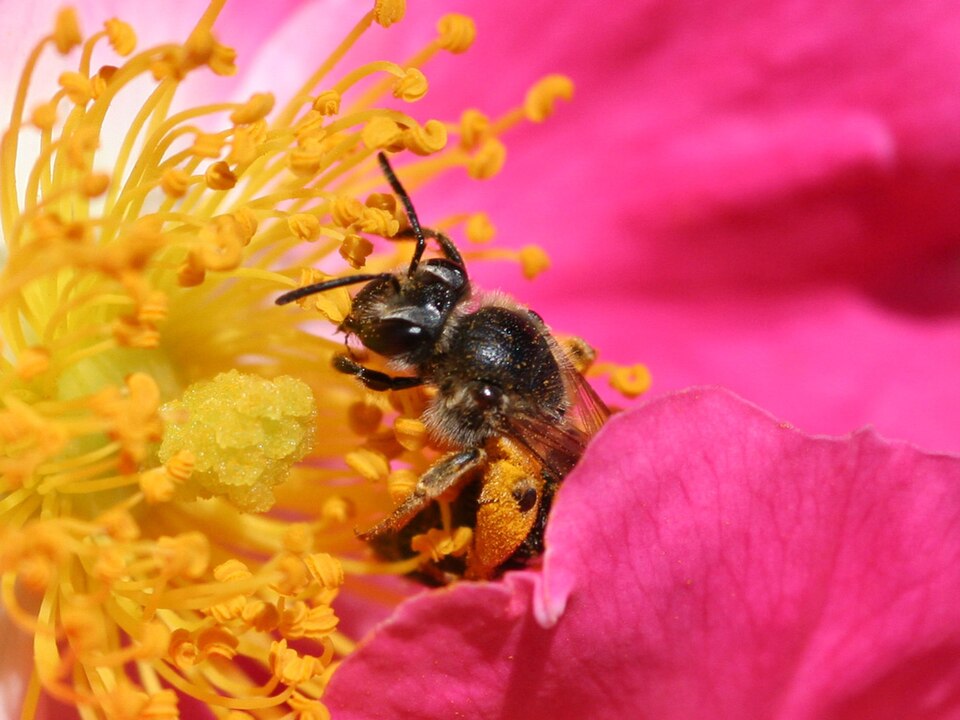
One of the greatest revolutions in the plant world was the arrival of flowers. Then flowers evolved too. But how did we go from plants that spread by wind, sending millions of pollen grains into the atmosphere, to flowers that depend entirely on winged partners for pollen dispersal? Above all, which came first: the pollen or the pollinator? Let’s put on our detective hats and uncover the truth behind this story.
Trapped in immobility
Let’s place our adventure in a historical context. Let’s go back to the Mesozoic Era, about 250 million years ago. Conifers were well established and had discovered a remarkable way to reproduce: sending millions of pollen grains into the air… and crossing their fingers that one of these potential males would find a female ovum to fertilize and produce a seed. The wind was the primary matchmaker in that love affair. Needless to say, this reproduction relied on a stroke of luck. It’s not easy to ensure the survival of the species when you literally have both feet rooted in the ground. How do you go by this rooted condition?
Smart, but outsmarted
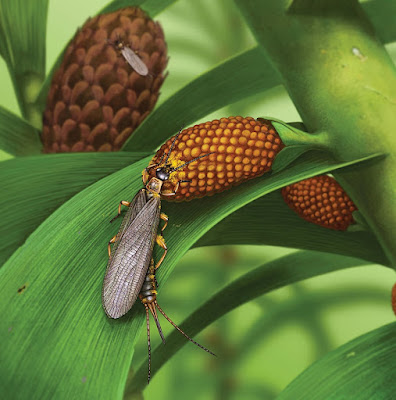
Some conifers found that increasing their chances of catching a grain of pollen by exuding droplets of sticky sap was advantageous. And this is where it gets interesting. Certain insects, possibly beetles, sensed an opportunity and began to feed on the sap. This is how these voracious insects started spreading the pollen from one flower to another.
Results were there. The more insects visit the sticky traps, the more they contribute to fertilization, and seed production skyrockets. A real baby boom! This is how plants that had almost no chance of being wind-pollinated gained valuable allies and supplanted anemophilous plants (those pollinated by the wind).
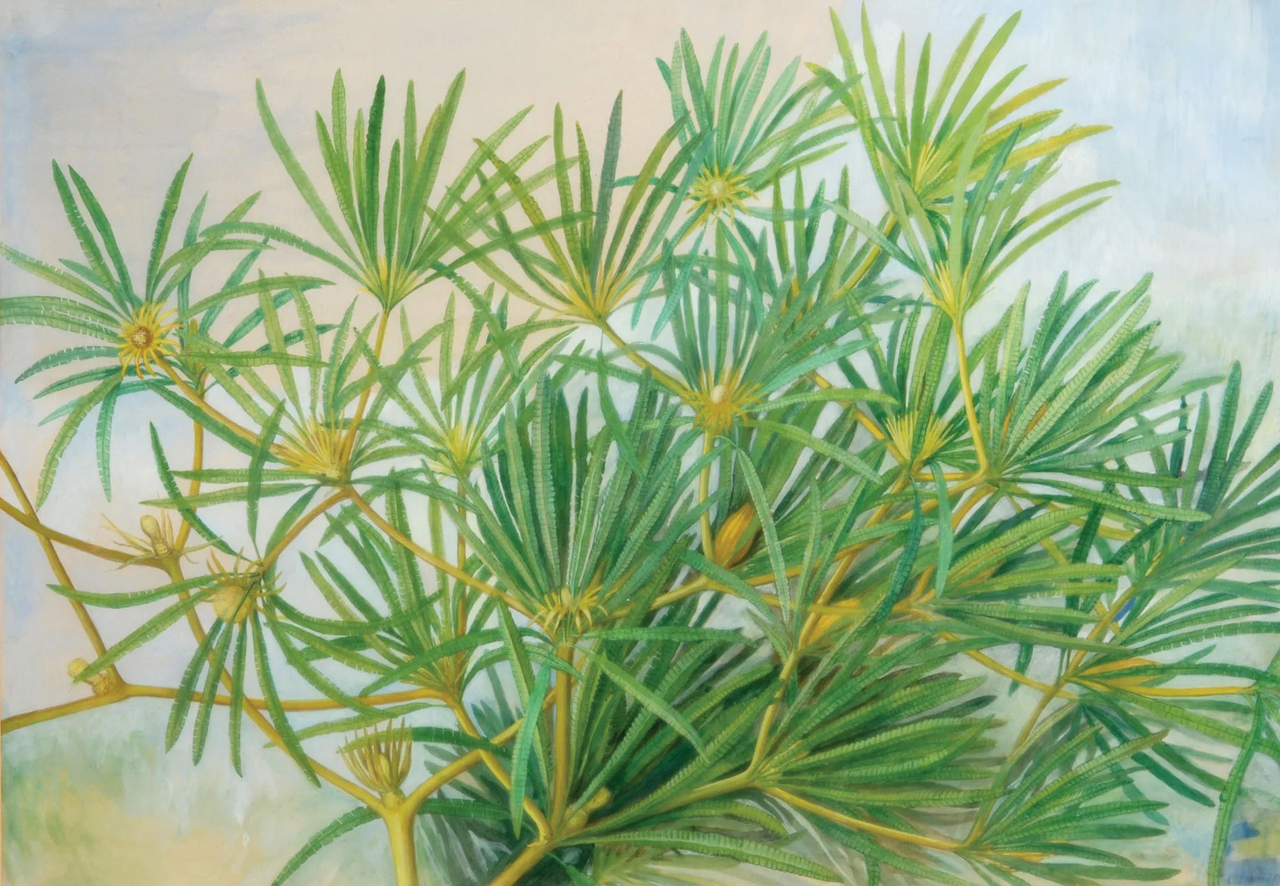
Every small change that increased the number of visits, the diversity of visitors, and facilitated cross-pollination became an advantage for the plant.
Innovating to charm
This new development in plant reproduction brought a host of changes. First, the sticky sap became more sophisticated and refined. It eventually formed nectaries, which contain nectar, that sweet, energy-rich liquid!
Then, the flowers realized that attracting insects could come with its share of risks… especially when those insects start eating the ovule (the future seed)! That’s how the future seed of a plant ended up enclosed in a fruit! The flowering plant (angiosperm) was born!
Then, plants realized that it was more efficient to reproduce when the male and female reproductive organs were located in the same flower. This led to the emergence of the hermaphroditic flower. The flower then became the commercial hub where pollen is collected and deposited onto the pistil. All in one place!
From the moment the flowers understood the advantages of this new partnership, an incredible beauty contest ensued! Which flower would have the most beautiful attributes to bewitch the insects? Developing petals, colouring them, enlarging them; offering sweeter, more abundant nectar; producing more stamens, and so on.
The long and winding road to pollination
This entire fascinating adventure didn’t unfold in a single week. Millions and millions of years are at play. Entomophily (fertilization by insects) is estimated to have emerged from 40 to 60 million years ago. And it’s believed that this evolution took place over a period of nearly 50 million years. For 50 million years, beetles, bees, and butterflies evolved alongside flowering plants. This is what we call coevolution!
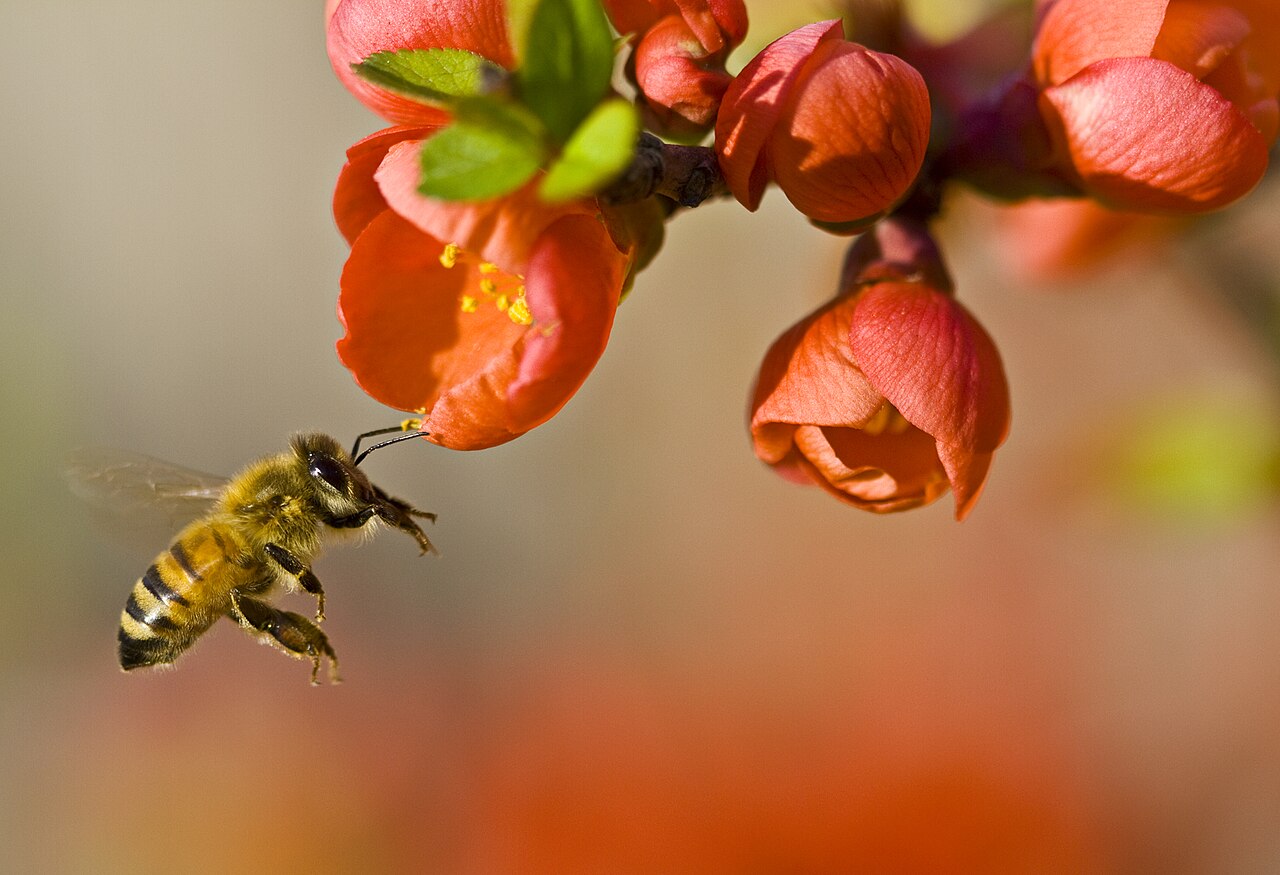
Thus, we can say that pollen has been in the trade for millions of years, But, it was insects that started the ball and profoundly influenced the evolution of flowers. They contributed significantly to the diversification of flowers, in all their shapes, colours, sizes and… beauty!