
Is it just me, or are there more pests than before?
It seems like pests are multiplying, infestations are on the rise, and we’re even facing new species… How did this happen?
Let’s take a closer look at what’s going on in our ecosystems…
The imbalance
A recent news story that has particularly struck me over the past few days: that schoolyard in Gatineau overrun by mosquitoes. Forced to either scratch themselves or play indoors, one of the students mentioned wanting to bring back the use of a bio-pesticide (Bti)—which was banned three years ago—to fix the situation.
I found it very sad that a little sixth-grade boy couldn’t think of any other solution. Yet a myriad of ideas come to my mind—each one more pleasant than the last… and far healthier for our children’s future.
Why not install bat boxes? Attract birds and frogs? Improve overall biodiversity by increasing the presence of wild and native plants, which provide habitat for so many species other than mosquitoes—including their natural predators? Future generations will thank us for it…
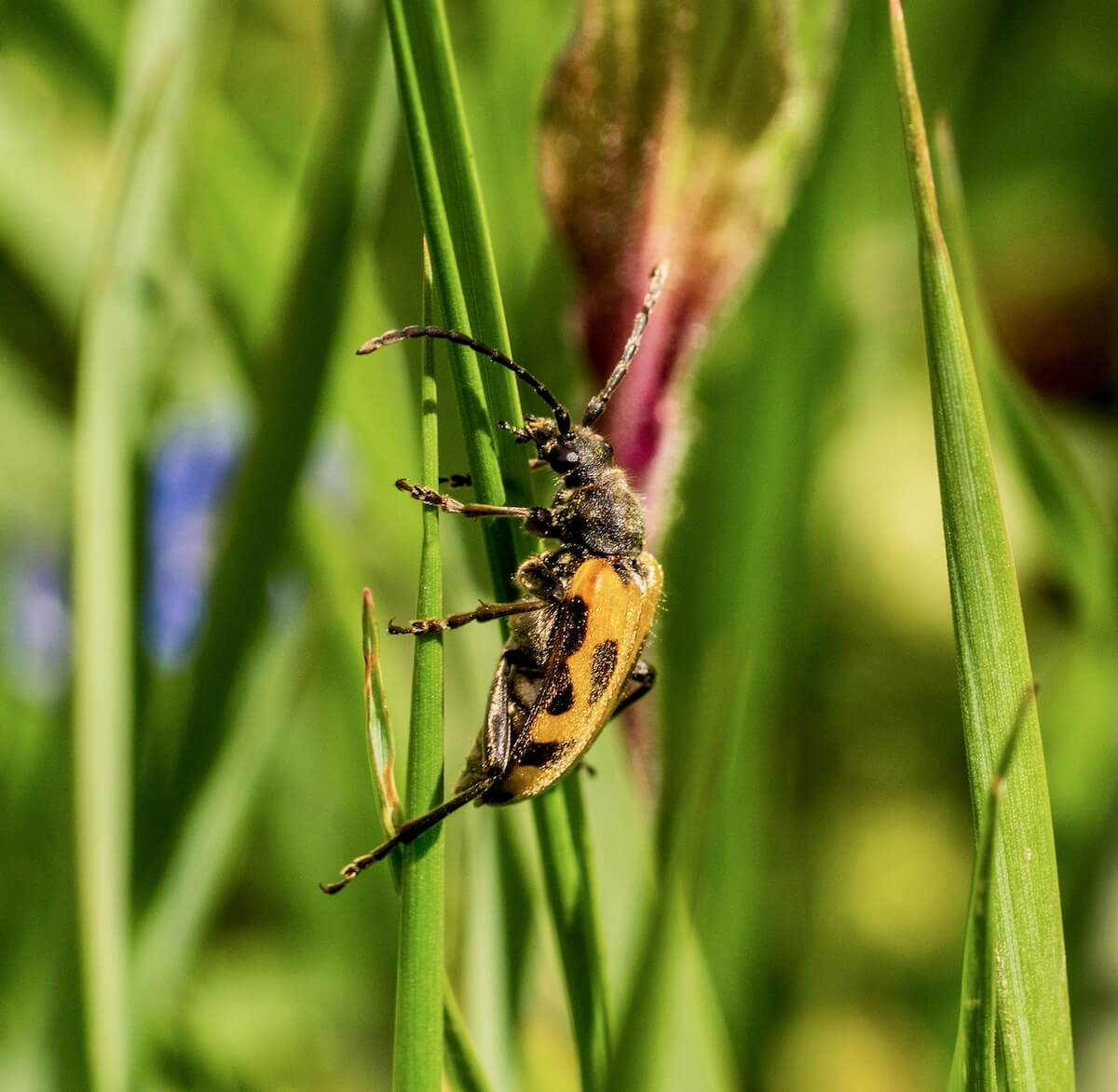
The proliferation of these mosquitoes is a clear sign of an imbalance. It may seem tempting to revert to old methods, which appeared to work… but is that really a solution that will serve us in the long run? With a little foresight, it quickly becomes clear that it is environmental management and land-use planning that have contributed to the collapse of this balance and the proliferation of mosquitoes. Poor-quality habitats create a food chain in which higher trophic levels struggle to establish themselves, leading to a proliferation of those that benefit from these imbalances (for example, mosquitoes in stagnant water).
Modern agriculture
Driven by the pursuit of higher productivity, agriculture across North America has changed dramatically over the past century. Diverse, small-scale farms that once produced food primarily for local communities have gradually given way to large commercial operations that rely heavily on specialized crops, fertilizers, pesticides, and other agricultural inputs. As a result, our agricultural landscapes have been transformed.
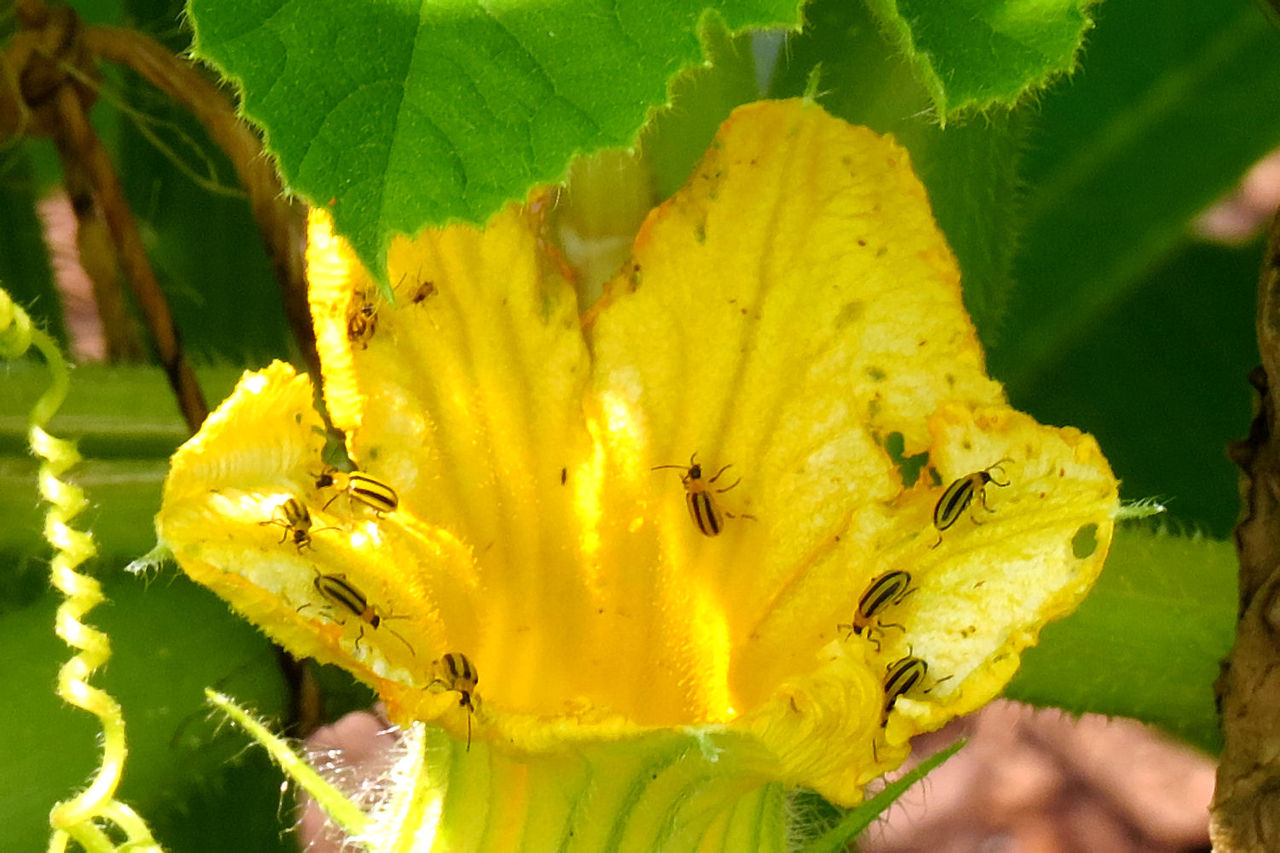
Some insects have been quick to take advantage of these changes—like kids in an all-you-can-eat buffet. The striped cucumber beetle is one of them.
Native to North America, striped cucumber beetles once fed on scattered wild cucurbits growing across the landscape. But as cucumber production became increasingly specialized—especially with the expansion of the pickling cucumber industry in the mid-20th century—the beetles found themselves surrounded by vast fields of their favorite food. Instead of searching through diverse habitats for a few host plants, they could now easily locate enormous monocultures. Their aggregation pheromones only amplified the problem: the more beetles that arrived, the more they attracted others.
As cucumber production expanded, growers increasingly relied on insecticides to protect their crops. For many years, seeds were commonly coated with neonicotinoid insecticides, making the entire young plant toxic—from the roots to the flowers. Unfortunately, the bees needed to pollinate cucumbers were also exposed, contributing to growing concerns about pollinator health.
Before long, farmers realized that solving one problem had created another.
Once a relatively inconspicuous native insect kept in check by natural ecosystems, the striped cucumber beetle has become one of the most destructive pests of cucurbit crops throughout North America. Not only does it feed on cucumbers, squash, pumpkins, and melons, but it also spreads bacterial wilt, a devastating disease capable of killing entire plants.
The opening of borders
Globalization has transformed agriculture in many ways. From year-round access to tropical fruits to the arrival of invasive pests that were once unknown in North America, both growers and consumers have experienced its effects.
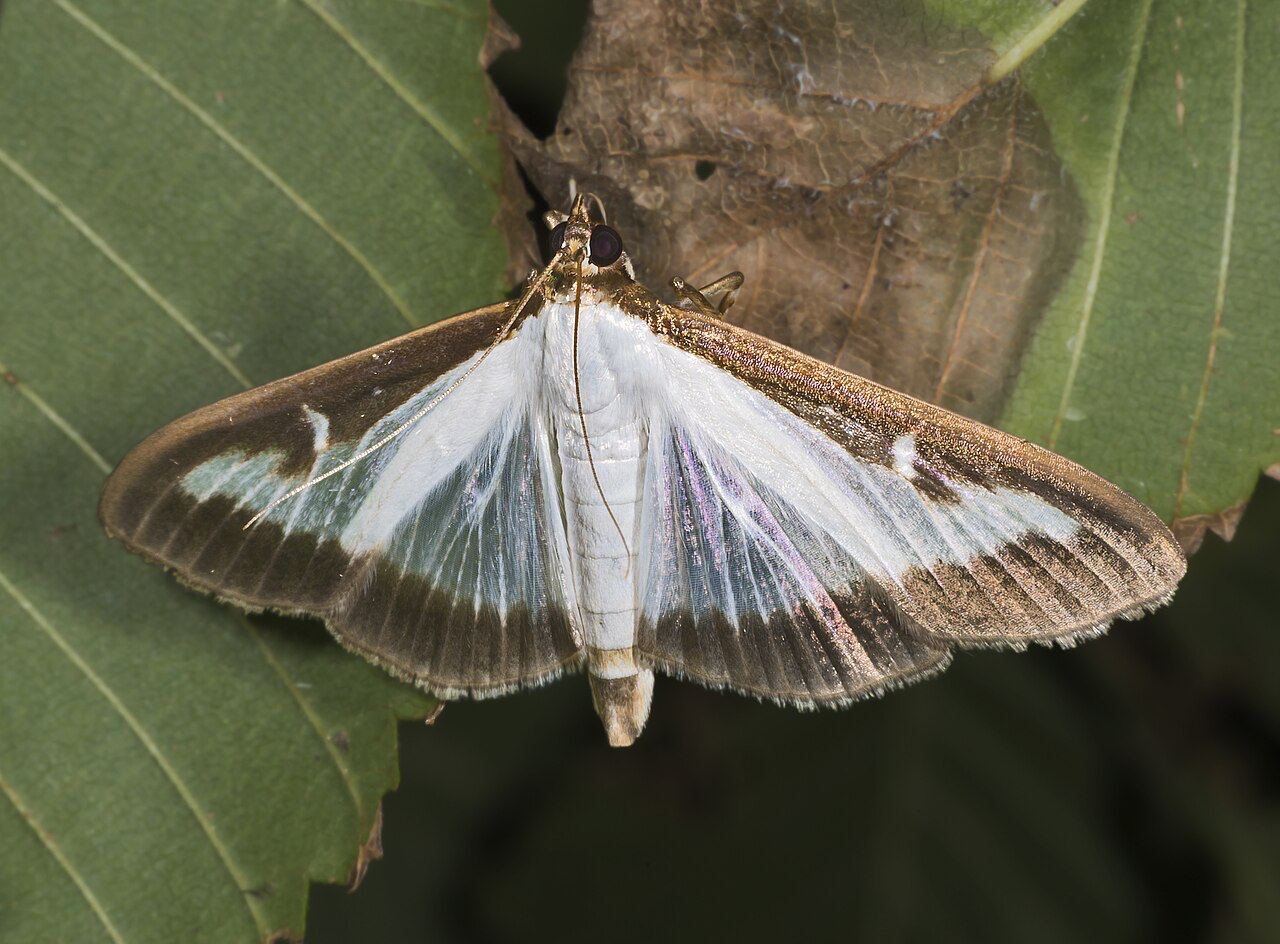
Some insects have taken full advantage of global trade, hitchhiking across continents to establish themselves in our gardens and landscapes. One striking example is the box tree moth, a species native to East Asia that has caused significant damage in recent years.
Boxwood is not native to North America, yet it has become one of the continent’s most widely planted ornamental shrubs. Whether clipped into formal hedges, shaped into topiary, or incorporated into residential and urban landscapes, boxwoods have become a cornerstone of the nursery industry.
The box tree moth was first detected in Canada in 2018, in Ontario, and was later confirmed in Quebec in 2023. Although the adult moth naturally disperses only a few miles (roughly 3 to 6 miles, or 5 to 10 km) each year, international trade allowed it to spread much more rapidly. After an infested shipment reached the United States in 2021, the insect was designated a regulated pest, leading to restrictions on the movement of boxwood plants to help slow its spread.
If you grow boxwoods, watch carefully for signs of infestation. The green-and-black caterpillars feed voraciously on the leaves, leaving behind chewed foliage and distinctive white silk webbing that shelters the larvae. In some regions, tiny parasitic wasps known as Trichogramma can be released to attack the eggs, while heavily infested webs and caterpillars should be removed and destroyed by hand before the damage becomes severe.
An ecosystem-based approach
As we’ve just seen, it would appear that certain insects benefit directly from our mistakes as adults. By trying to control everything with insecticides, by depleting our ecosystems with monocultures, and by spreading pests across the globe, we’re witnessing the proliferation of increasingly resilient harmful insects. It’s a safe bet that the expected climate changes won’t help restore the fragile balance on which our ecosystems depend. Warmer temperatures will allow pests to reproduce more often throughout the year and gradually conquer new territories that were once inaccessible.
It is essential to consider these threats as a whole when seeking to address the problem; otherwise, the resulting repercussions could be exacerbated.
The Japanese beetle
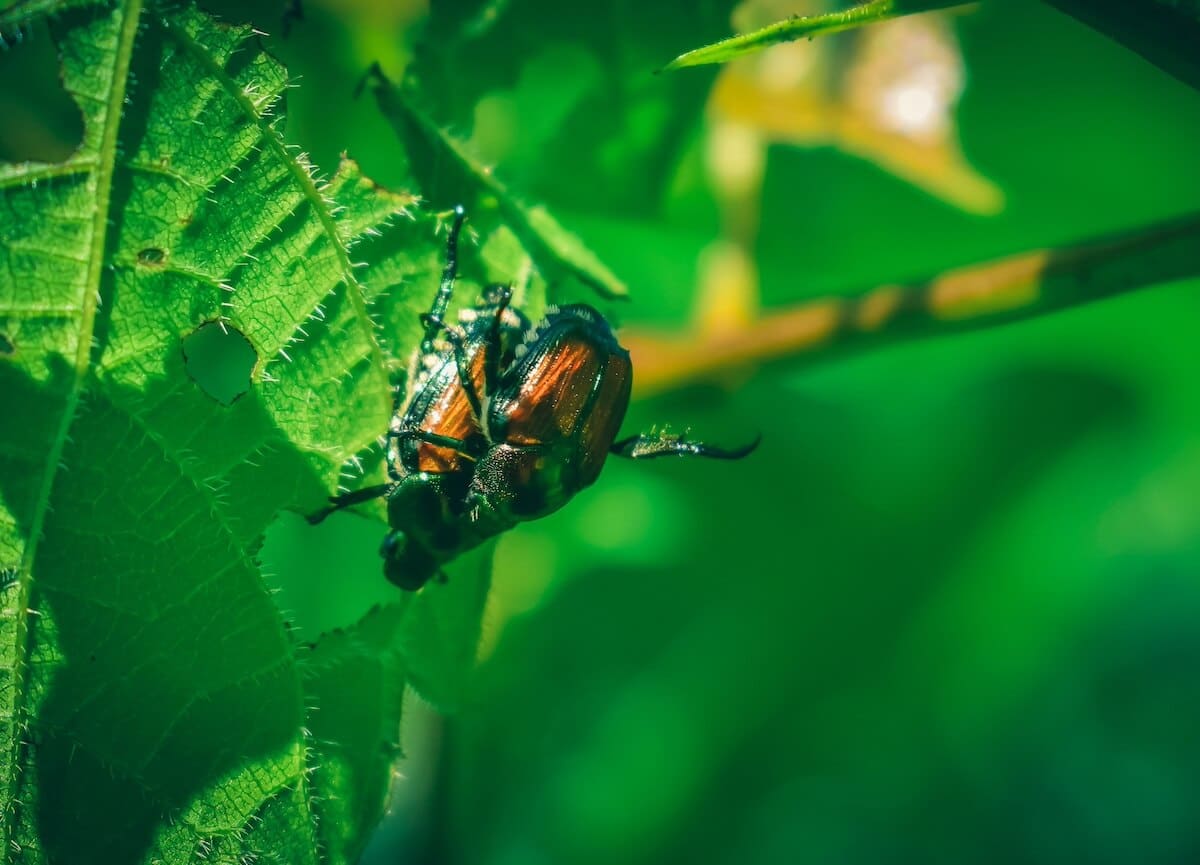
In my next article, I’ll take a closer look at the Japanese beetle—its life cycle, the damage it causes, and the most effective ways to control it naturally. A relatively recent arrival in many parts of North America, this highly adaptable pest feeds on more than 300 species of plants and survives our winters with ease. It’s a tiny insect capable of causing enormous damage. Stay tuned to learn how you can protect your garden without relying on harsh chemicals.
0 comments on “Where Do All These Pests Come From? The Story of Our Imbalances”