


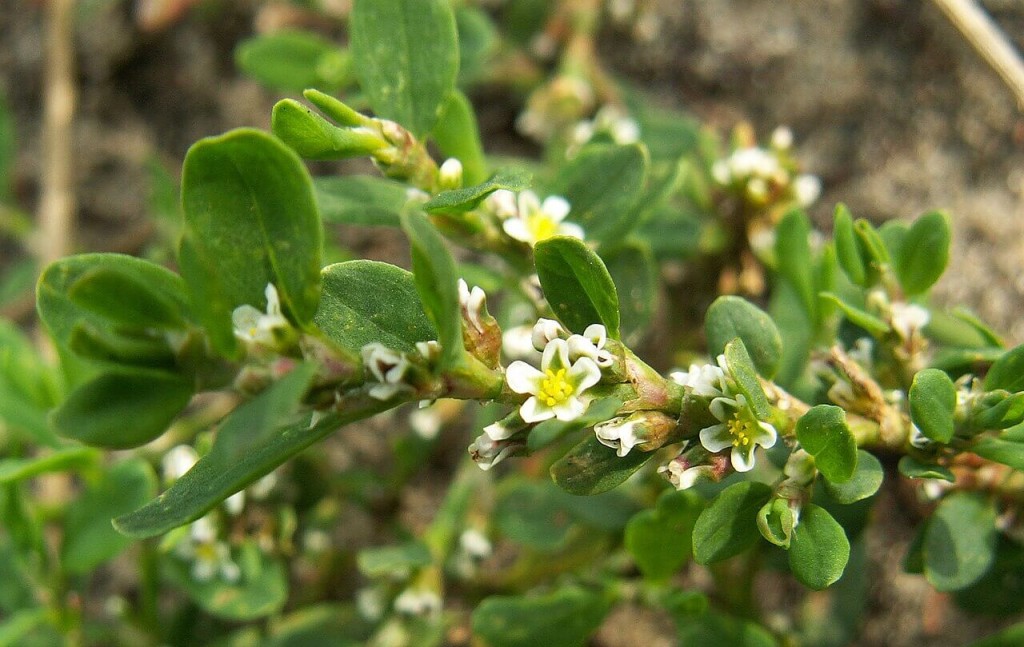
We have a problem with our lawn, which is overrun with prostrate knotweed, and we don’t know how to get rid of it. Only a small portion of the total area remains unaffected by this weed—barely 20 percent. We’ve done some research, but haven’t found anything conclusive. We mowed the grass very short, then tilled and aerated the lawn. Despite these efforts, there’s still a thick mass of stems and roots covering the ground.
Could you please suggest a solution?
Answer
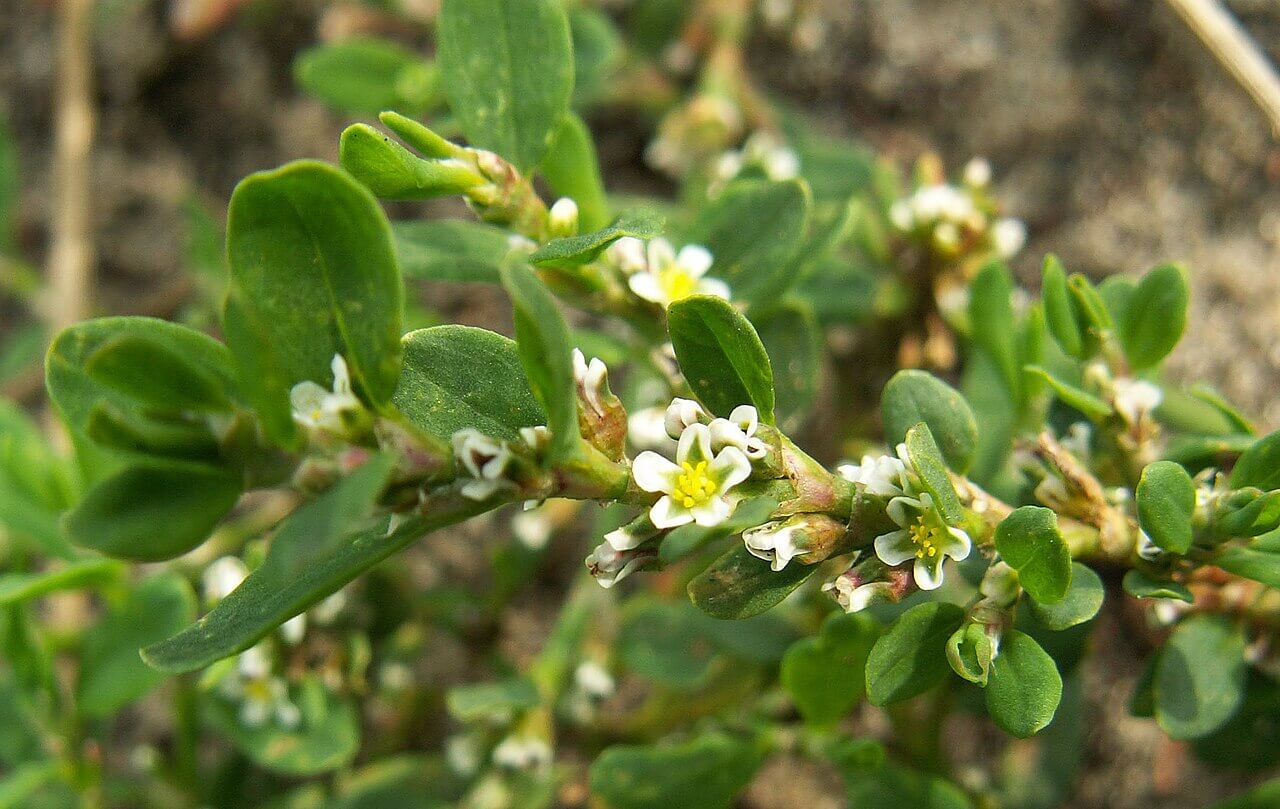
Prostrate knotweed (Polygonum aviculare) is a creeping annual plant that grows very close to the ground. Its stems are slender, tough, and highly branched, forming dense, intertwined mats. It has small, elongated leaves that are bluish-green or dull green, arranged alternately along the stems. Very inconspicuous and almost invisible to the naked eye, its flowers are tiny, white or slightly pinkish, and appear in the leaf axils.
It is native to Eurasia (temperate Europe and Asia), but some experts believe it also has long-established native populations in western North America. It spread across the North American continent as soon as the first European settlers arrived. Its tiny, highly resilient seeds traveled unnoticed, mixed in with agricultural seeds, animal feed, or stuck to the hooves of livestock.
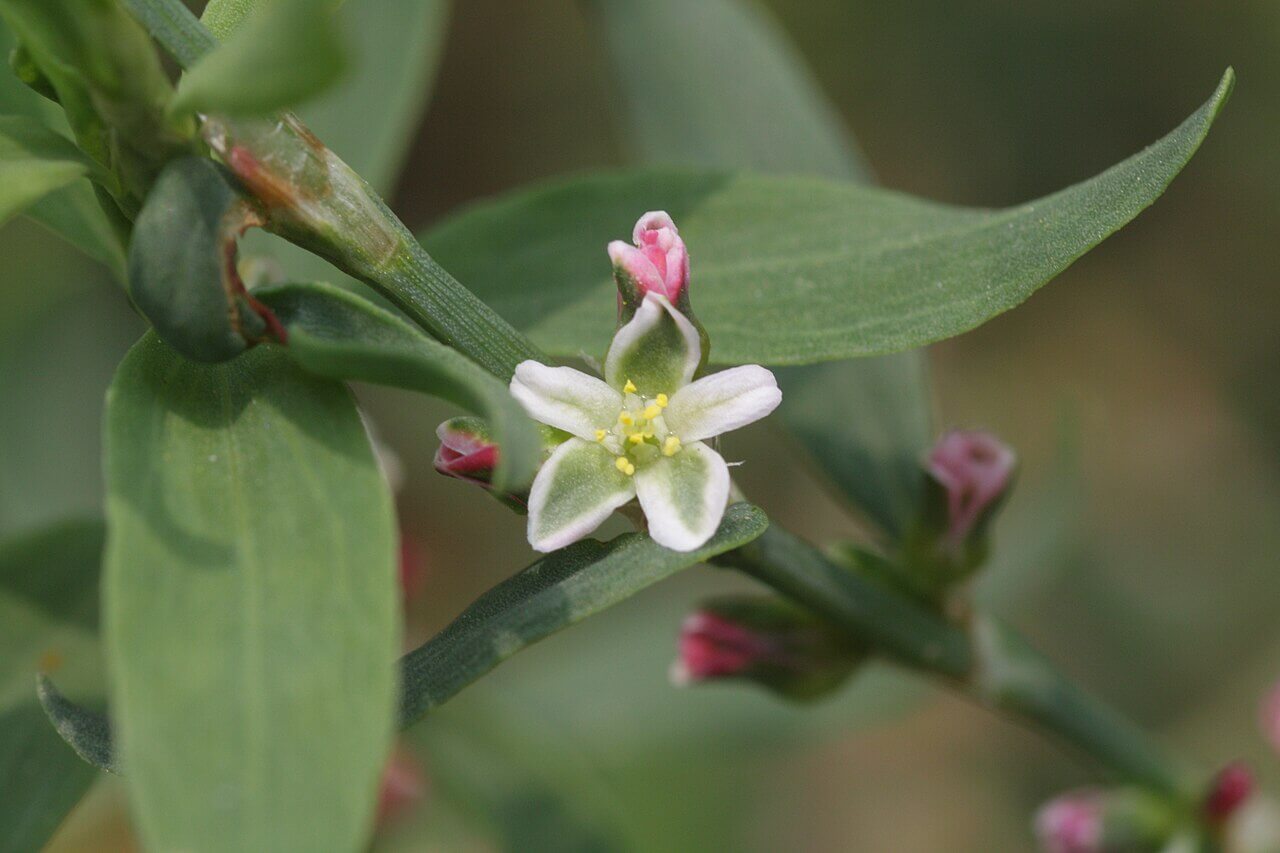
It reproduces solely through its seeds. A single plant can produce thousands of small, rough, three-angled seeds that birds love to eat, which is how it got its name. These seeds are extremely hardy and can remain viable in the soil for several years. Knotgrass then takes advantage of even the slightest weakness in the lawn to take hold. A lawn that is mowed too short, compacted, subjected to heavy foot traffic, or affected by drought literally opens the door for it.
The mistake of cutting the grass too short
You mentioned that you mowed the lawn very short. Although the intention is good when trying to eliminate a weed, mowing the grass very short significantly weakens the turf, whether it’s Kentucky bluegrass, fescues, or other grasses. Meanwhile, bird’s-foot trefoil, which grows naturally close to the ground, continues to thrive and benefits from the extra light that now reaches the ground.
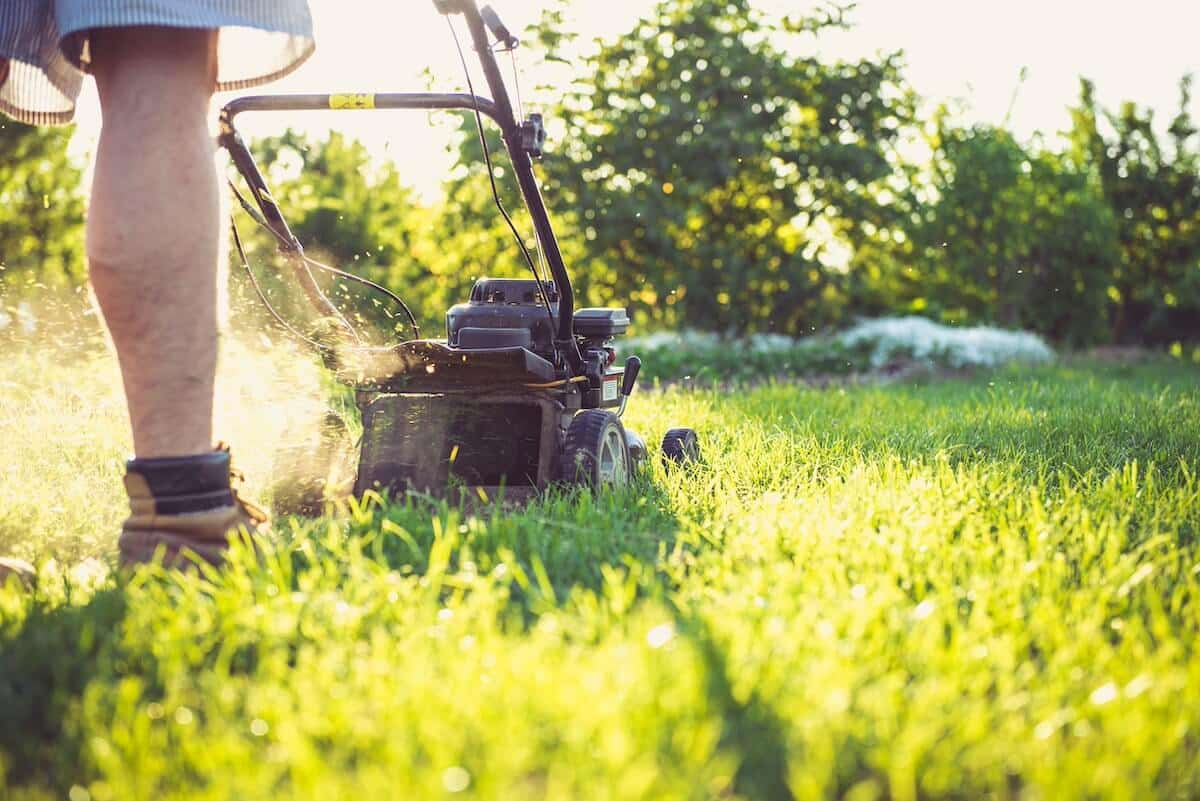
Mowing the grass too short reduces its ability to compete with weeds. The mass of stems and roots you describe is likely composed largely of knotweed, but also includes thatch and accumulated plant debris. Together, these materials form a dense mat that prevents the grass from recovering properly.
How can I get rid of it?
To begin with, hand-pulling isn’t a realistic option in your situation, and selective lawn herbicides are either restricted or unavailable in many parts of North America, making them an impractical solution.
Since prostrate knotweed thrives in poor, dry, compacted, heavily trafficked soils, its presence is really a sign that the lawn is under stress. The knotweed isn’t causing the problem—it’s simply taking advantage of conditions where turfgrass struggles to grow. The good news is that by improving the growing conditions, the lawn can gradually regain the upper hand.
One of the best ways to restore a lawn is by topdressing it with a thin layer of high-quality compost. Choose a compost made without peat whenever possible. Compost provides several important benefits. It increases the soil’s organic matter, improving both drainage and aeration while helping relieve soil compaction. Organic matter also increases the soil’s ability to retain moisture, making the lawn more resilient during dry periods.
Compost also stimulates soil life. However, if your lawn is dry and compacted and you’ve had to dethatch it, it’s likely that the soil organisms are no longer able to break down organic matter effectively. By improving their living conditions, compost promotes the breakdown of thatch and the natural incorporation of this organic matter into the soil. Conditions then become less favorable for knotweed and more favorable for the grass.
Optional mechanical aeration
Since your infestation seems significant, mechanical aeration might also be helpful. Normally, I prefer to let soil organisms do the work, but when compaction is severe, aeration helps speed up the process. You can rent an aerator that removes small plugs of soil. After aeration, spread compost over the area and rake to break up the soil plugs. The compost will seep into the holes, improve soil structure, and help the lawn recover.
A little diversity
Next, to increase competition against knotweed, overseed generously with a high-quality seed mix containing several grass species—such as fescues and perennial ryegrass—that are suited to the sunlight conditions on your property. I also like mixtures that contain white clover. More resilient than many grasses in harsh conditions, clover fixes atmospheric nitrogen and helps naturally enrich the soil.
This diversity of species acts as a form of insurance. When conditions become less favorable for certain plants, others take over. A multi-species lawn is generally more resilient than a uniform lawn and is better able to withstand drought, trampling, disease, and weeds.
Lightly rake the soil to bring the seeds into contact with the compost, then keep the soil moist for a few weeks. Over time, a dense, healthy lawn will become much more competitive, and the knotweed will gradually recede.
Please be patient
Repeat these steps every year until the problem is resolved. Mid-August is actually one of the best times to reseed a lawn. The soil is still warm at that time, which promotes rapid seed germination. In addition, the cooler temperatures of late summer reduce stress on the young plants, while rainfall is generally more frequent and many weeds become less competitive.

However, don’t wait too late in the season. Young shoots need several weeks to become well-established before winter sets in. If sown too late, they may not have time to develop a root system strong enough to withstand the frost and the freeze-thaw cycles of the following spring.
With a little patience and perseverance, conditions will gradually become less favorable for knotweed and more favorable for a dense, diverse, and healthy lawn.
The nuclear option!
Want to take serious action against bird’s-foot knotweed and start from scratch? It’s possible to completely renovate your lawn.
For a small area, remove the turf with a spade by cutting and then lifting out the sod. For a larger area, rent a sod cutter to remove the top few centimeters of vegetation and soil.
Be sure to remove the entire layer of accumulated stems, roots, and thatch and take it to the recycling center, as it still contains many knotweed seeds that could germinate later.
Then take this opportunity to improve the soil before reseeding. Work in a generous amount of high-quality compost, level the surface as needed, and sow a diverse mix of grasses suited to your yard’s sunlight conditions. You can also add white clover to create a lawn that’s more resistant to drought and harsh conditions.
This method requires more work and some investment, but it allows you to start over on a much healthier foundation. Even though a few knotweed seeds will likely survive in the soil, a dense, diverse, and healthy lawn will generally prevent them from taking over.
A plan for the future
To prevent this problem from recurring in the years to come, you’ll need to take a different approach to lawn care. The good news? Often, the less you do, the healthier and more beautiful your lawn will be.
To start, mow high. Never cut below 7.5 cm (3 in.), and feel free to aim for 10 cm (4 in.) when conditions allow. Taller grass provides more shade for the ground. prostrate knotweed, however, is a plant that thrives in sunlight. When the ground is covered by a dense, tall lawn, its seeds have a much harder time germinating.
Mowing higher also allows the grass to produce more leaves, which means more photosynthesis. The grasses then develop a deeper root system, capable of reaching water farther down in the soil and better withstanding periods of drought.
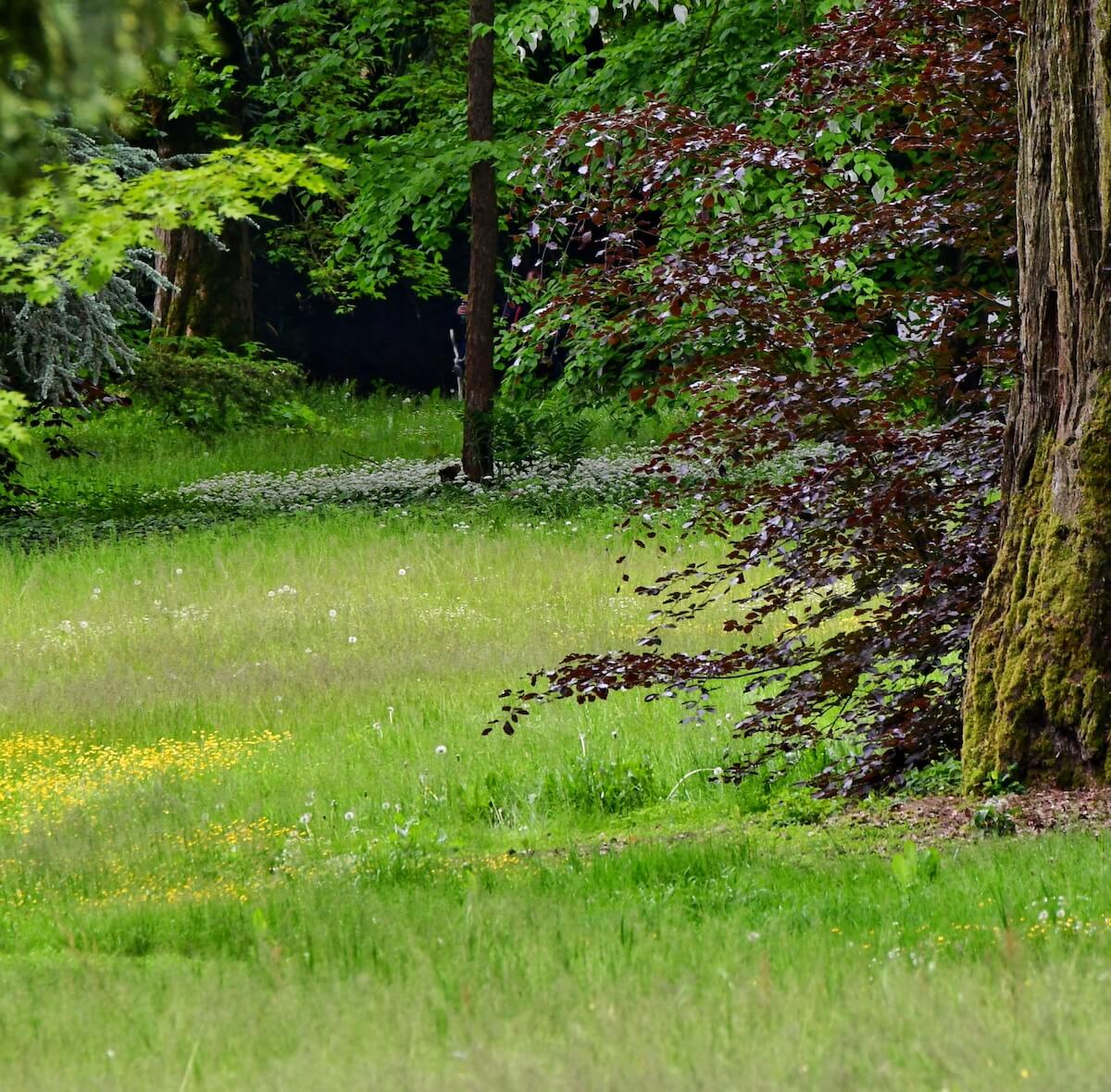
The shade provided by a tall lawn also protects the soil from excessive heat and helps maintain favorable conditions for the organisms living there, from earthworms to bacteria and fungi. This underground life helps improve soil structure, reduce compaction, and maintain a healthy lawn.
Next, leave the grass clippings on the lawn after mowing, and simply run the mower over fallen leaves in the fall. Shredded into small pieces, they will decompose quickly and enrich the soil with organic matter.
This organic matter feeds soil organisms, improves soil structure, increases its water-holding capacity, and gradually reduces compaction. By creating a living, fertile soil, you naturally promote healthy grass growth while making life much harder for bird’s-foot grass.
A dense, diverse, and healthy lawn
This approach has another advantage: it not only helps control bird’s-foot trefoil but also several other lawn weeds. Knotweed, plantain, dandelion, crabgrass, and many other species generally thrive in sparse turf, compacted soil, soil low in organic matter, or soil exposed to intense sunlight.
By enriching the soil with compost, leaving grass clippings and shredded leaves on the ground, diversifying the lawn, and keeping the mowing height high, you create conditions that are favorable for the grass and unfavorable for most of these unwanted plants. Often, the best way to control weeds is not to tackle each one individually, but rather to grow a dense, diverse, and healthy lawn.