


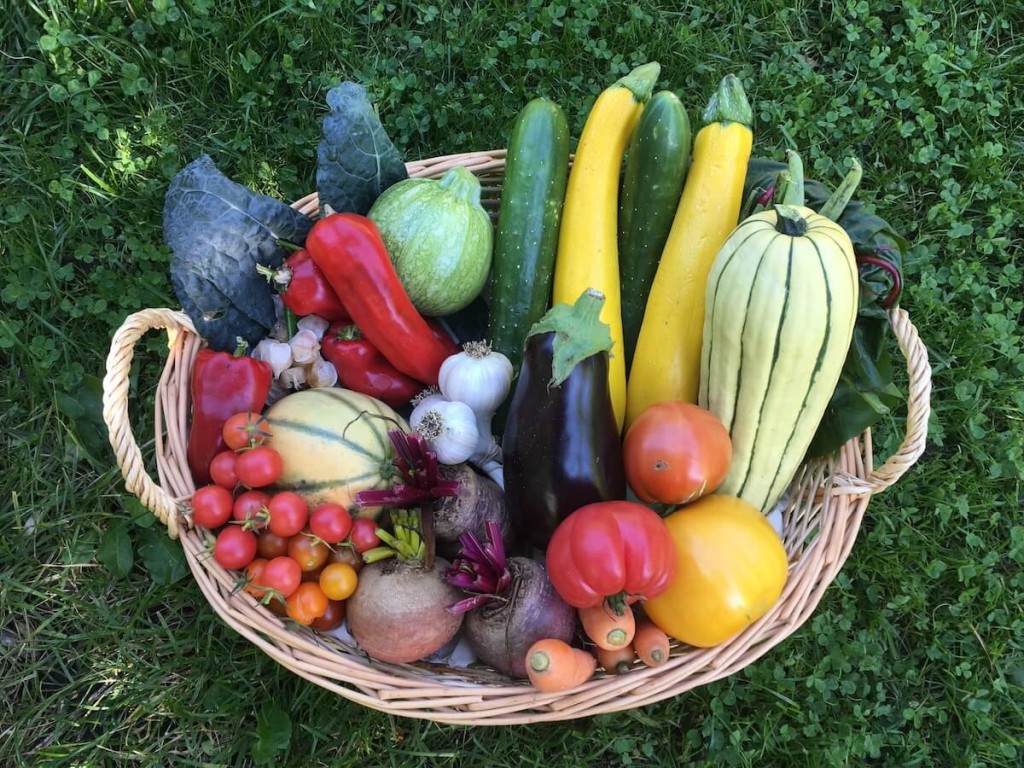
Whether your vegetable garden is the size of a handkerchief or as big as a soccer field, you hope to reap a harvest that’s proportional to the time and money you’ve invested.
But to harvest, you must first sow. The choice of seeds determines whether your harvest will be more or less satisfying. You’re always off to a good start by choosing high-quality seeds well-suited to your growing conditions, such as those produced by Quebec’s small-scale seed growers. These are a world apart from seeds sourced from the other side of the globe and marketed by multinational corporations.
Next comes the specific care required for each vegetable: properly preparing the soil, sowing at the right time, watering correctly, staking the plants, and preventing and controlling pests and diseases. In short, taking “good care” of our vegetable plants should lead to bountiful harvests.
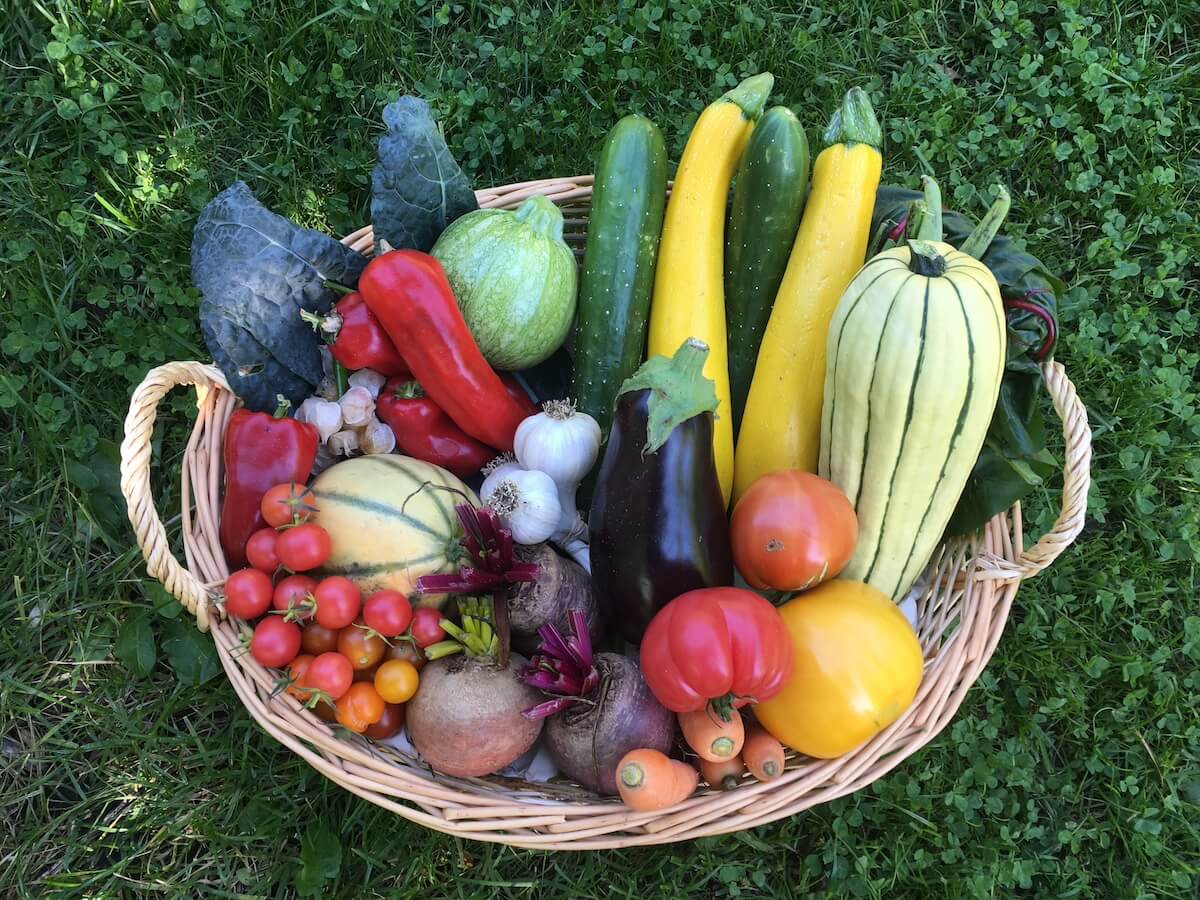
All that remains is to hope that the weather is on our side, which varies from year to year. A cool, damp summer will favor cool-season vegetables, such as cabbage, lettuce, and spinach. On the other hand, a summer with one heat wave after another will benefit heat-loving vegetables, such as tomatoes, peppers, and eggplants… provided they don’t lack water.
But you still need to know how to harvest at the right time and in the right way. That’s what I’ll be covering in this first article, which focuses on the first harvests. Two more articles will follow throughout the summer.
Garlic
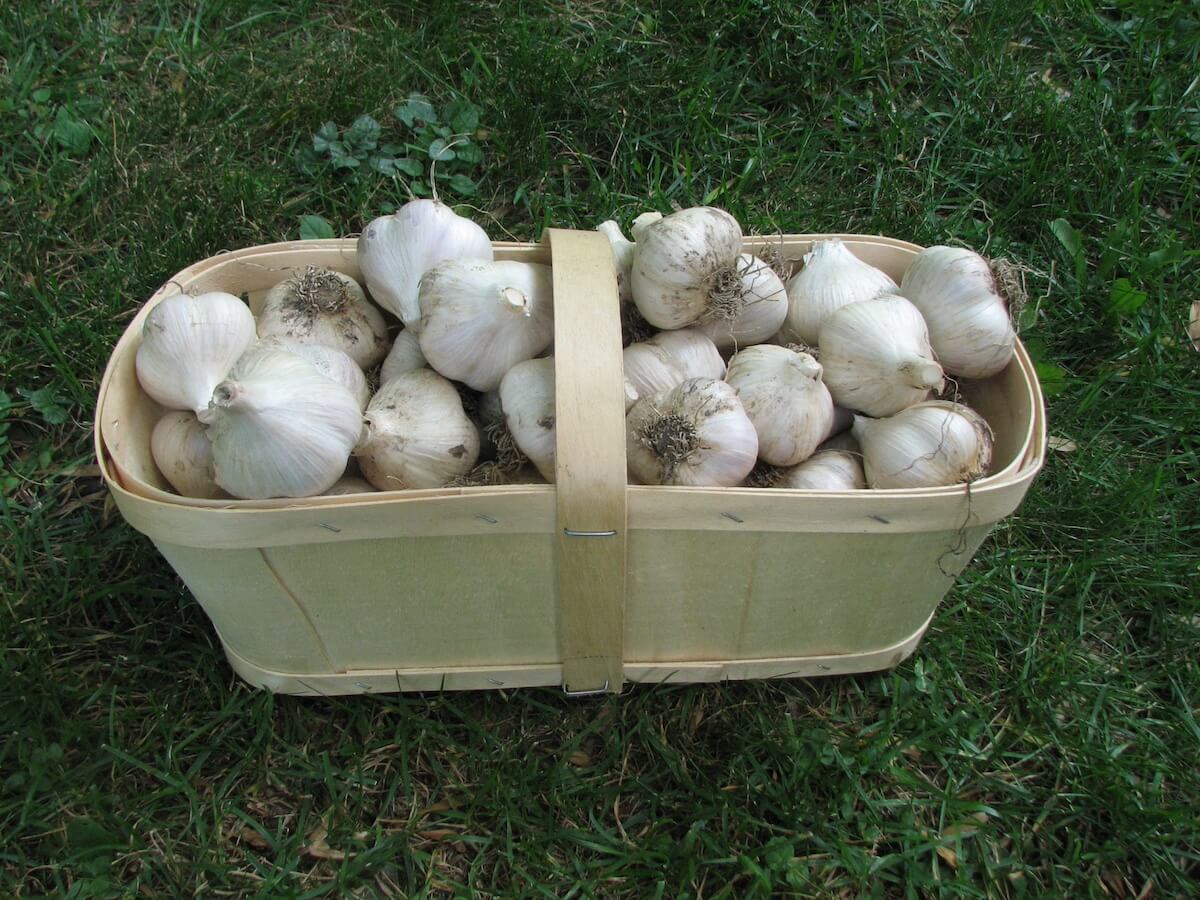
Garlic is one of the few vegetable crops for which it is relatively easy to be self-sufficient, even in a small garden. The best choice is hardneck garlic, whose cloves should be planted in the fall before the… or rather, the harvests, since you can enjoy two harvests: one of the flower stalks and one of the bulbs.
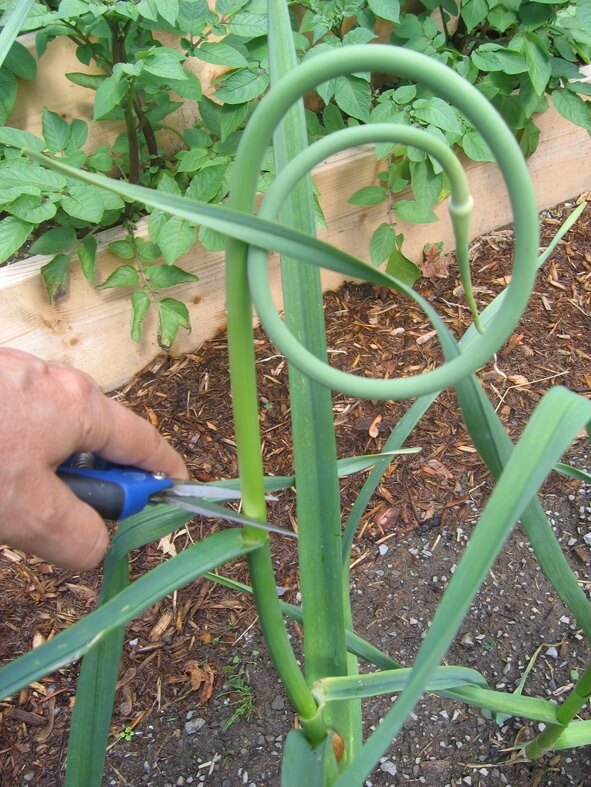
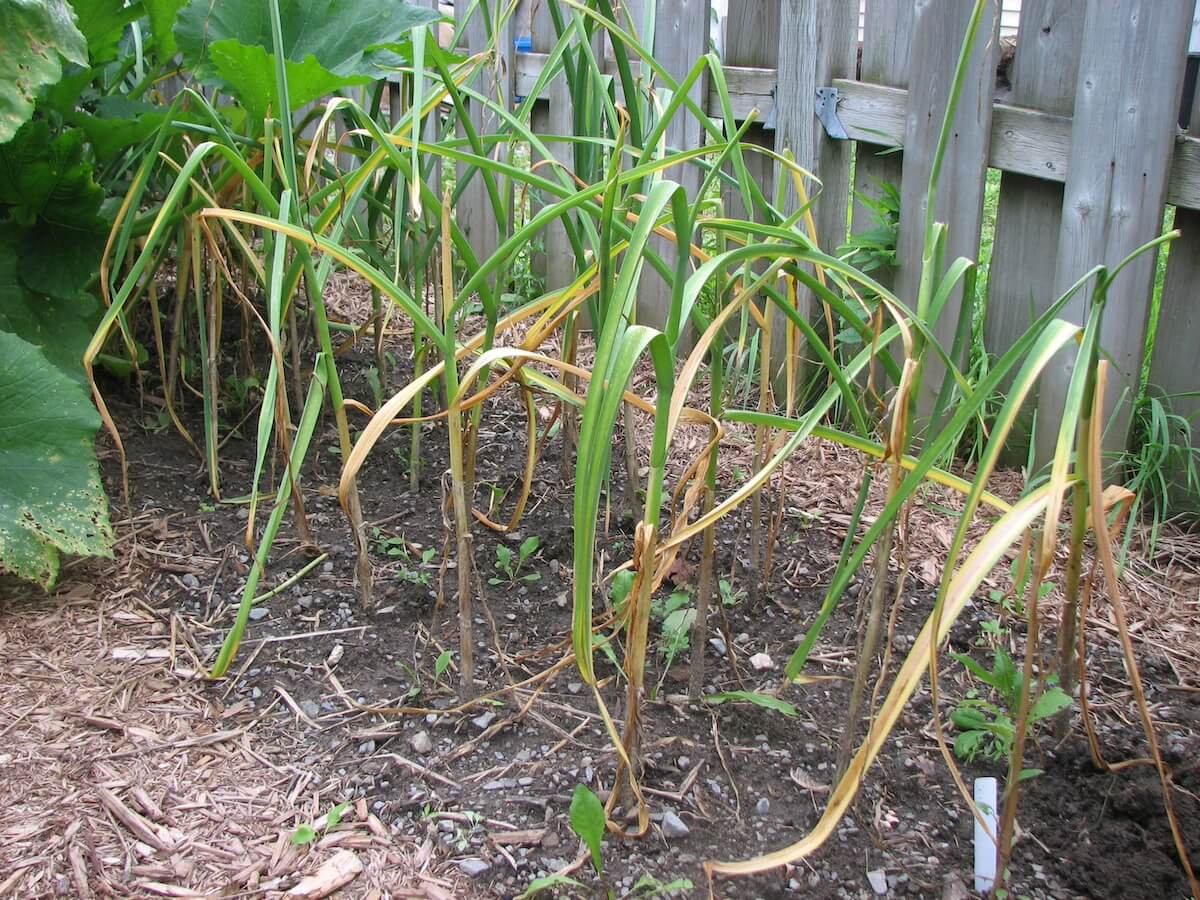
The harvest of the flower stalks (also known as garlic scapes) usually takes place between mid- and late June. You should cut the flower stalk while it is still tender—at the latest, when it has grown one and a half turns. Using a knife or pruning shears, cut the flower stalk just above the top leaf.
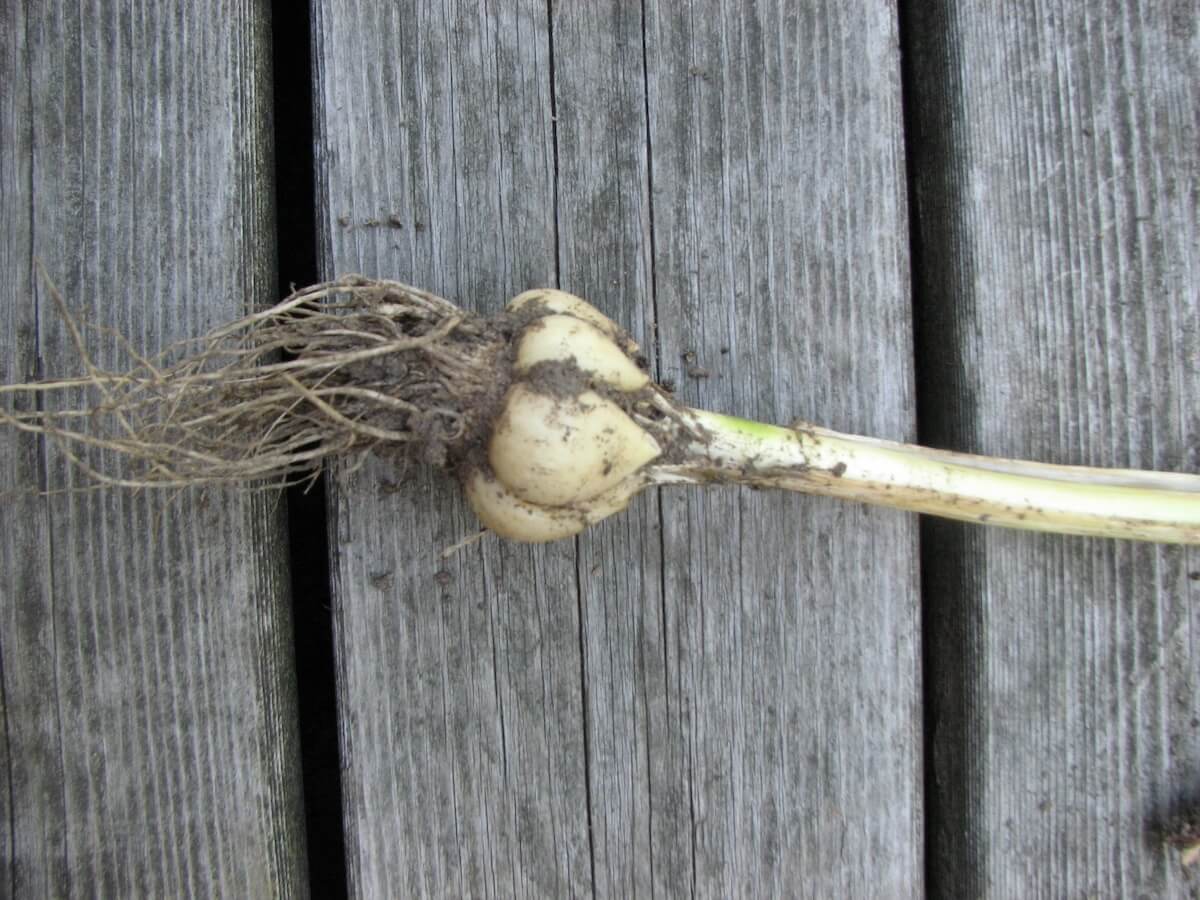
About three to four weeks later—when 25 to 50% of the foliage has turned yellow—it’s time to harvest the bulbs. Don’t wait too long, or the bulbs won’t store well because their skins will have thinned. Pull the plants up to free the bulbs, then let them dry in place for a few hours. Afterward, continue drying them in a dry, well-ventilated area.
You can either spread the plants out on a wire rack or hang them until the foliage is completely dry. At that point, cut off the leaves and roots, then store the bulbs in a brown paper bag or a small cardboard box, where they will keep for up to a year. But come fall, you’ll have the opportunity to choose the best bulbs to start a new cycle.
Swiss chard
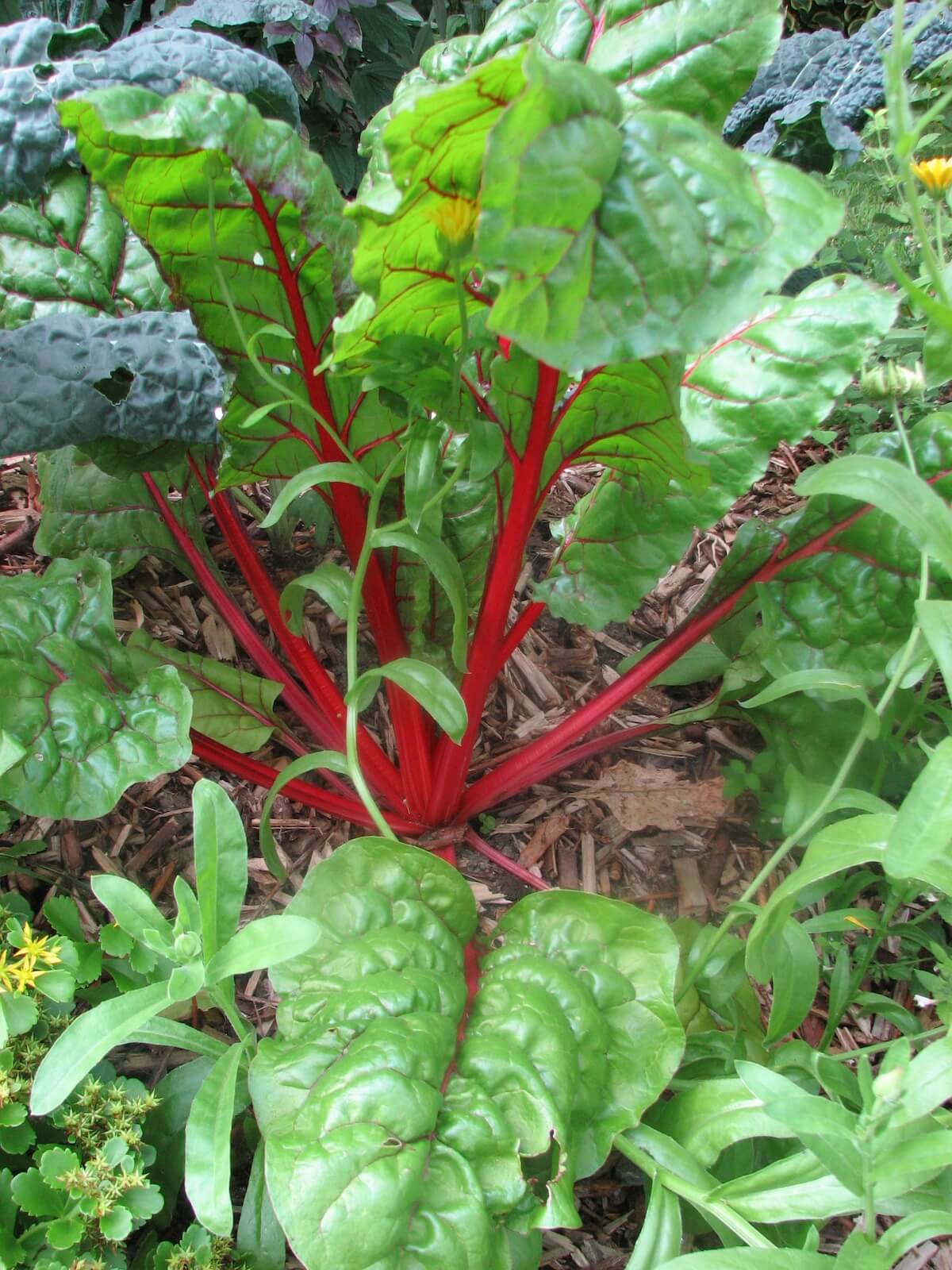
This close relative of the beet is known for its ornamental qualities due to its petioles (chard leaves), which come in a variety of colors. It is a good alternative to spinach. Unlike spinach, Swiss chard does not bolt when exposed to heat. Swiss chard can be eaten raw or cooked. It is very productive and takes up little space in the garden. In fact, one plant per person in the household is often sufficient. Swiss chard reaches maturity 50 to 60 days after sowing. As needed, the outer leaves are gradually cut at the base using a knife.

Spinach
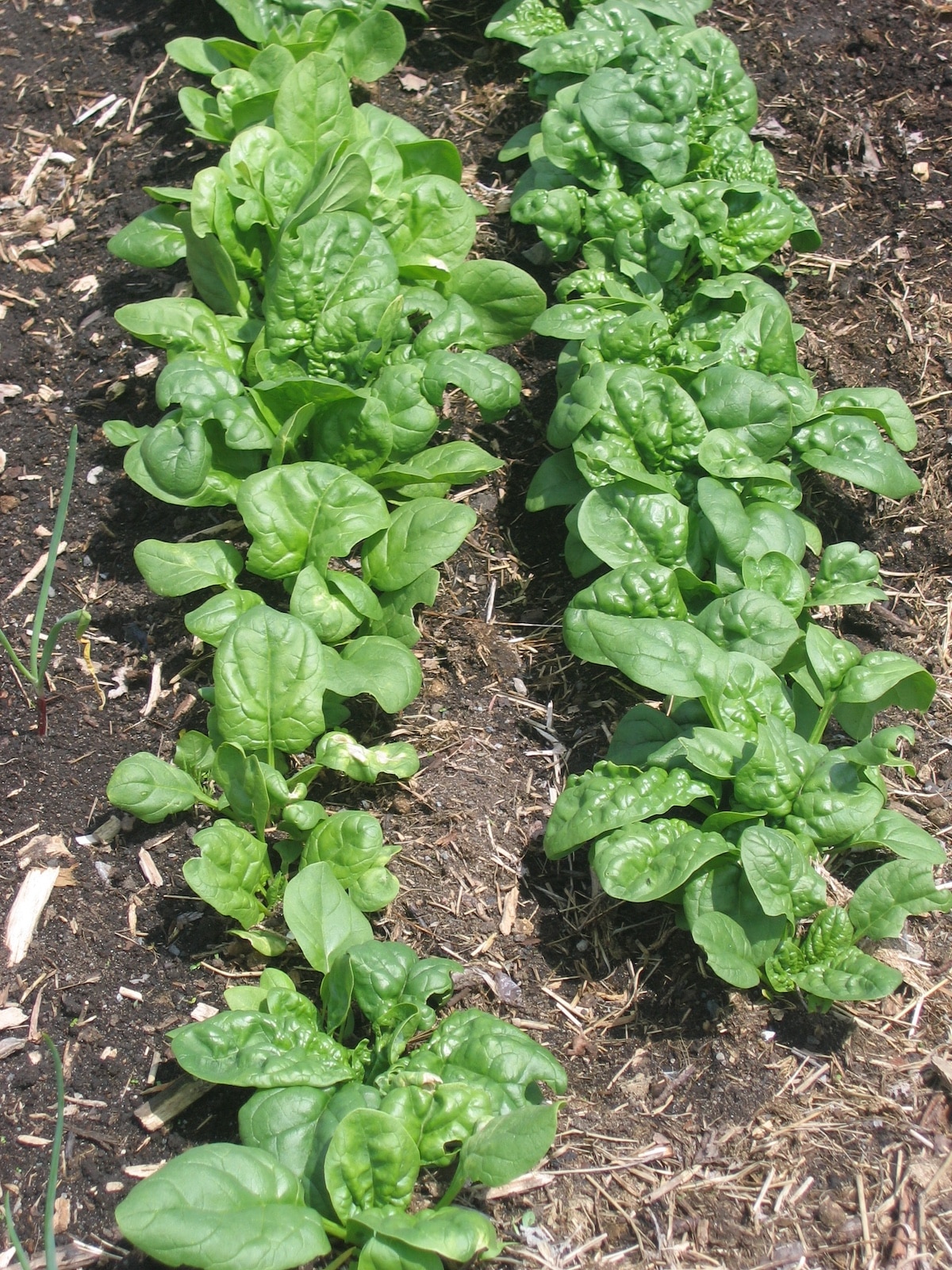
If you’re having trouble harvesting spinach before it bolts, it’s no surprise. Spinach plants bolt quickly when exposed to heat, but also due to a lack of water and space. Once this happens, leaf production stops. Spinach is a cool-weather vegetable. It has a clear preference for the cool temperatures of spring, so it’s one of the first vegetables you should sow in the garden. If you missed your spring sowing, you can try again in August, since spinach thrives in the cool of autumn and can withstand the first frosts.
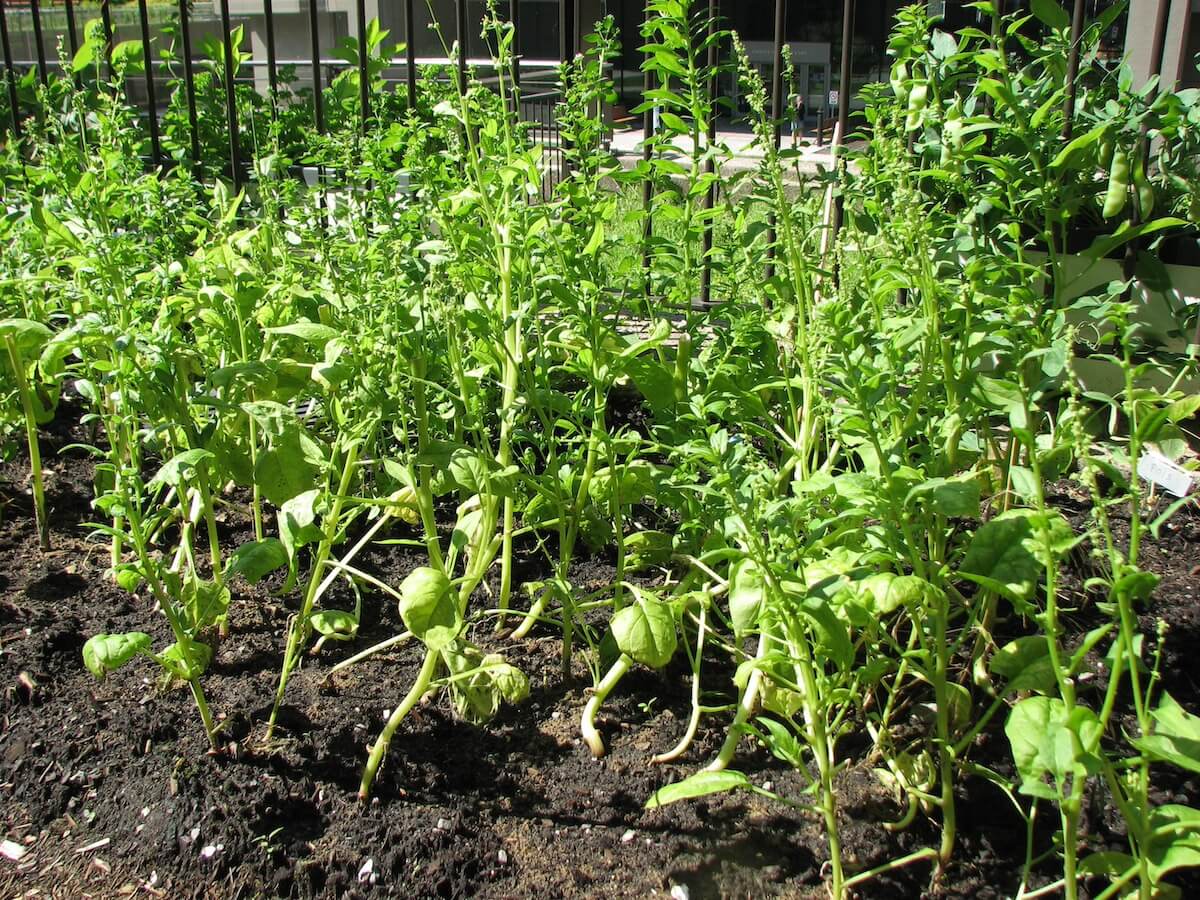
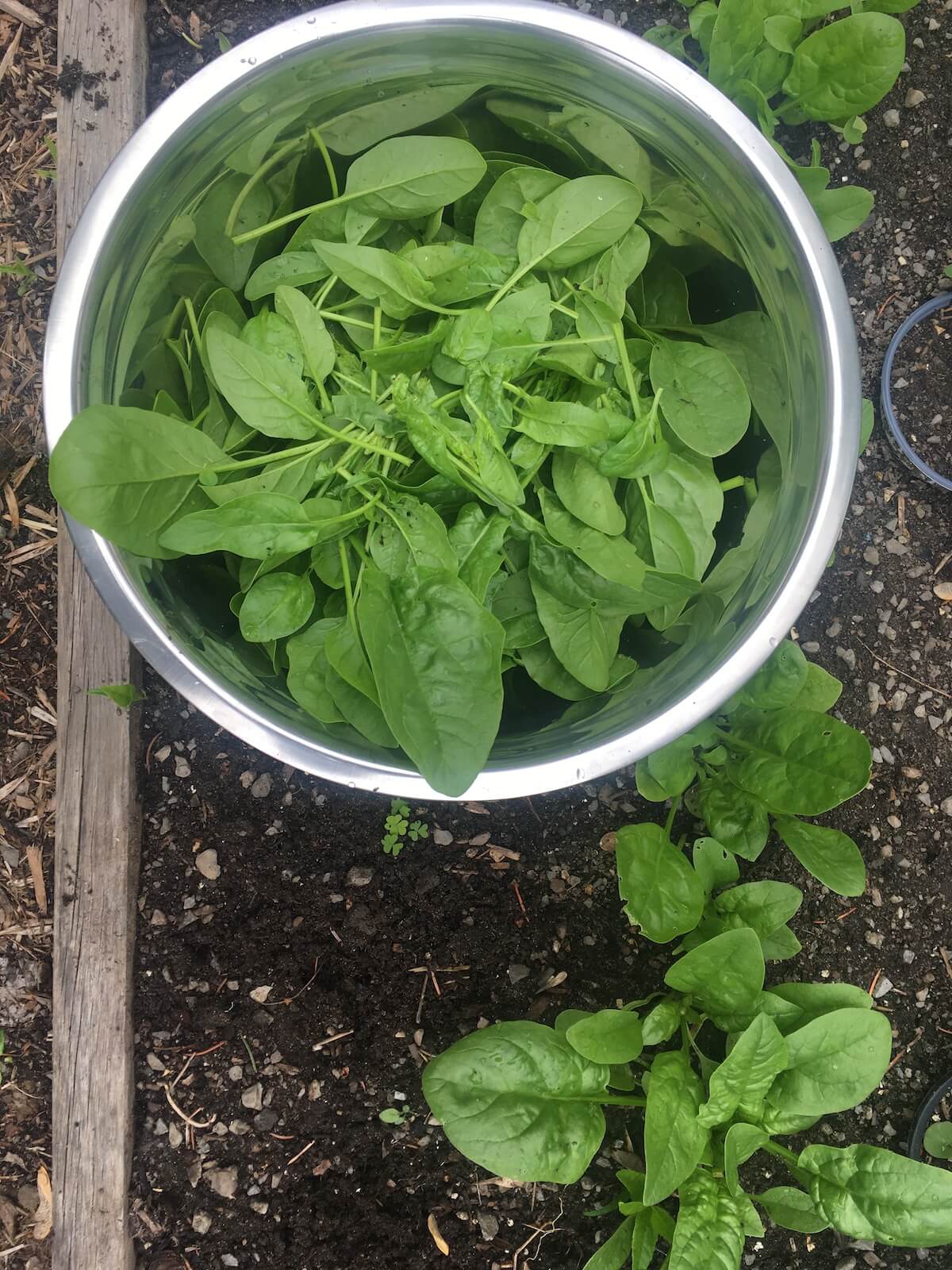
Spinach leaves are ready for harvest 40 to 60 days after sowing. Harvest them from the bottom up as they develop. When temperatures rise and the plants appear to be growing rapidly—a sign that they are beginning to bolt—it is best to harvest the entire plant.
Beans
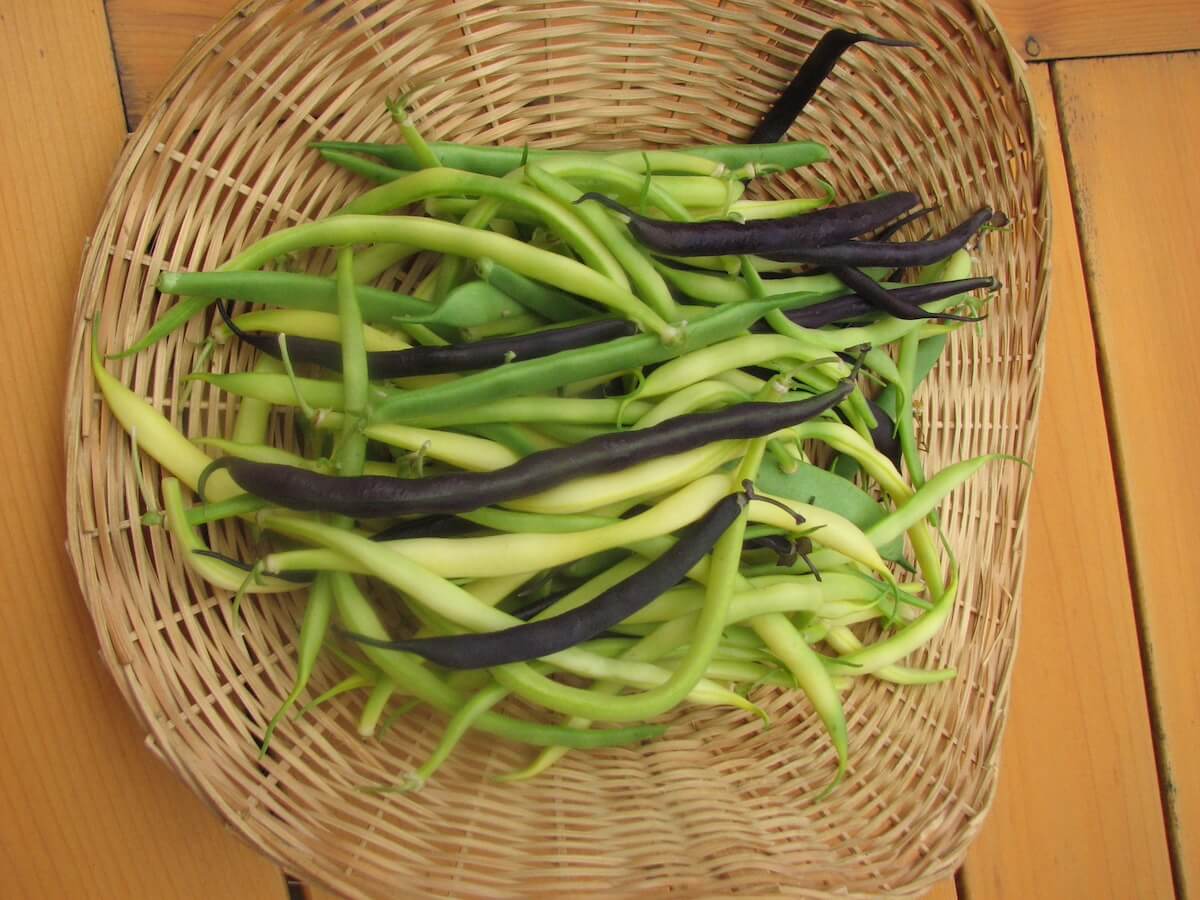
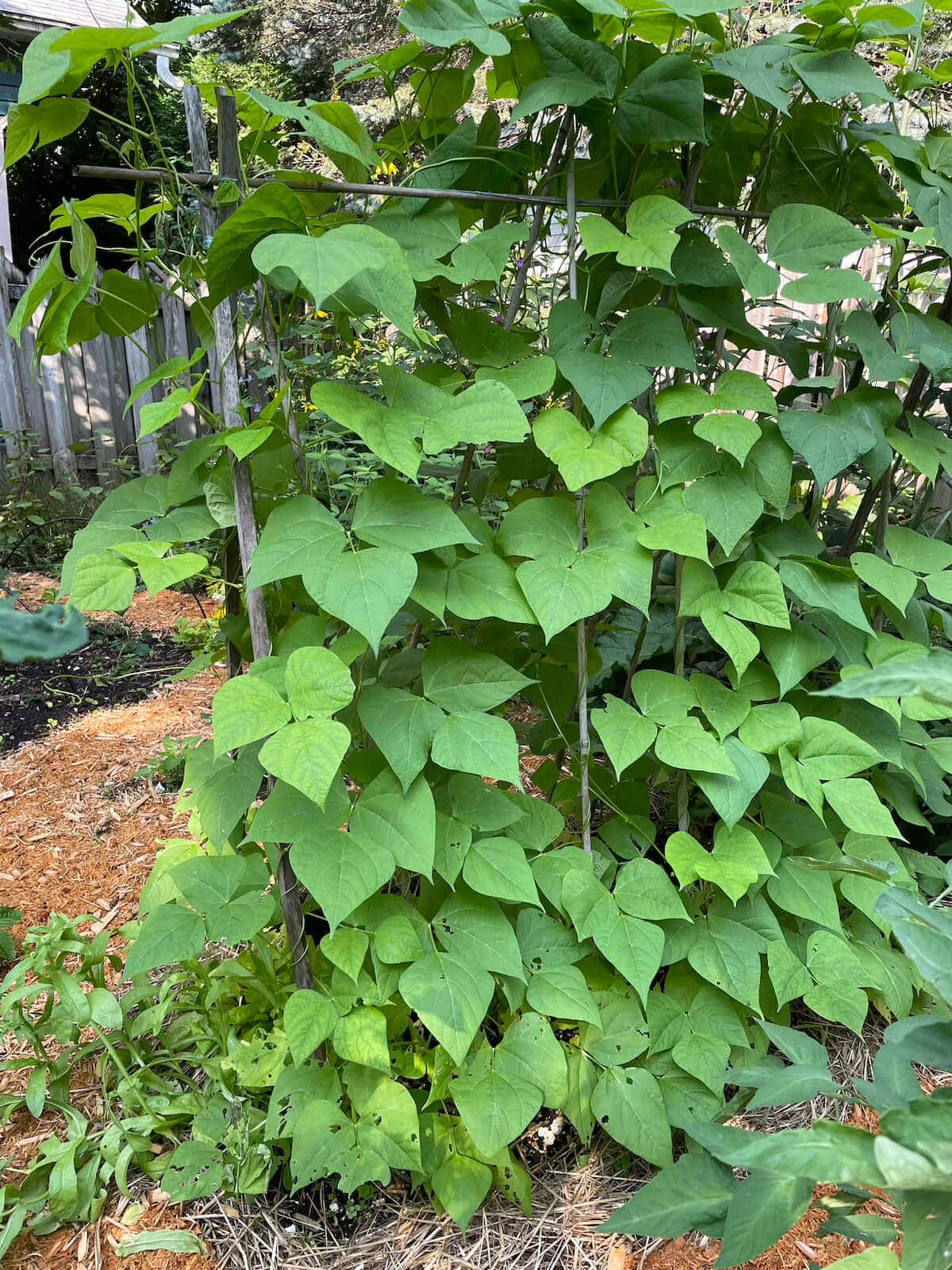
Whether they’re yellow, green, or variegated, beans—which some people call “little fava beans”—are easy to grow and highly productive.
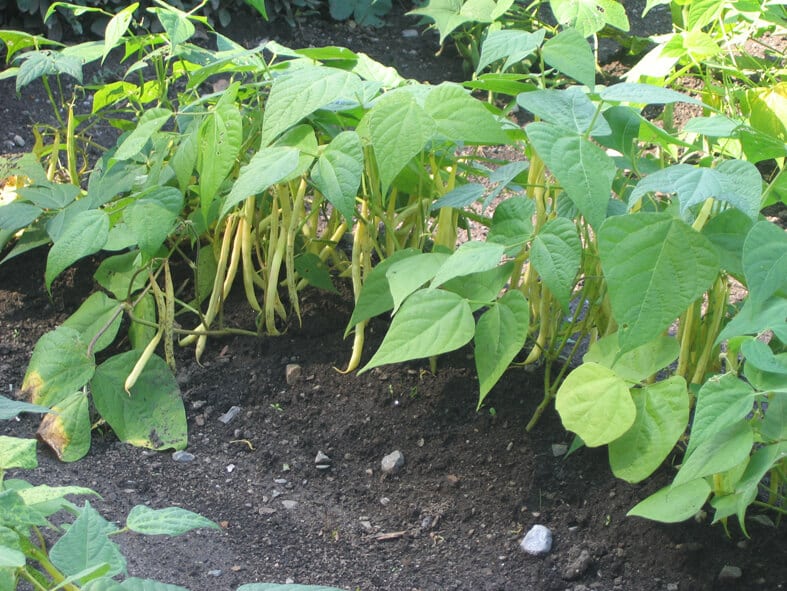
There are three categories of beans: pole beans (or climbing beans), which produce long vines that require a support to twine around; bush beans, which are much more compact; and snap beans, which can be either bush or pole varieties.
Beans reach maturity 50 to 100 days after sowing. When the goal is to eat the pods, they should be harvested regularly—every two or three days—before the seeds become noticeable. Since the harvest of bush beans is relatively concentrated, it’s a good idea to plant in successive sowings. Climbing beans start producing later, but they can be harvested until the first frosts. Harvesting beans requires both hands, as it’s important to hold the cluster firmly with one hand to avoid pulling off the small, immature pods.
Shelling beans (or dry beans) are harvested when the pods are thoroughly dry. Otherwise, after the first frost, you should harvest the entire plants and hang them upside down in a dry, well-ventilated area to dry.
Lettuce
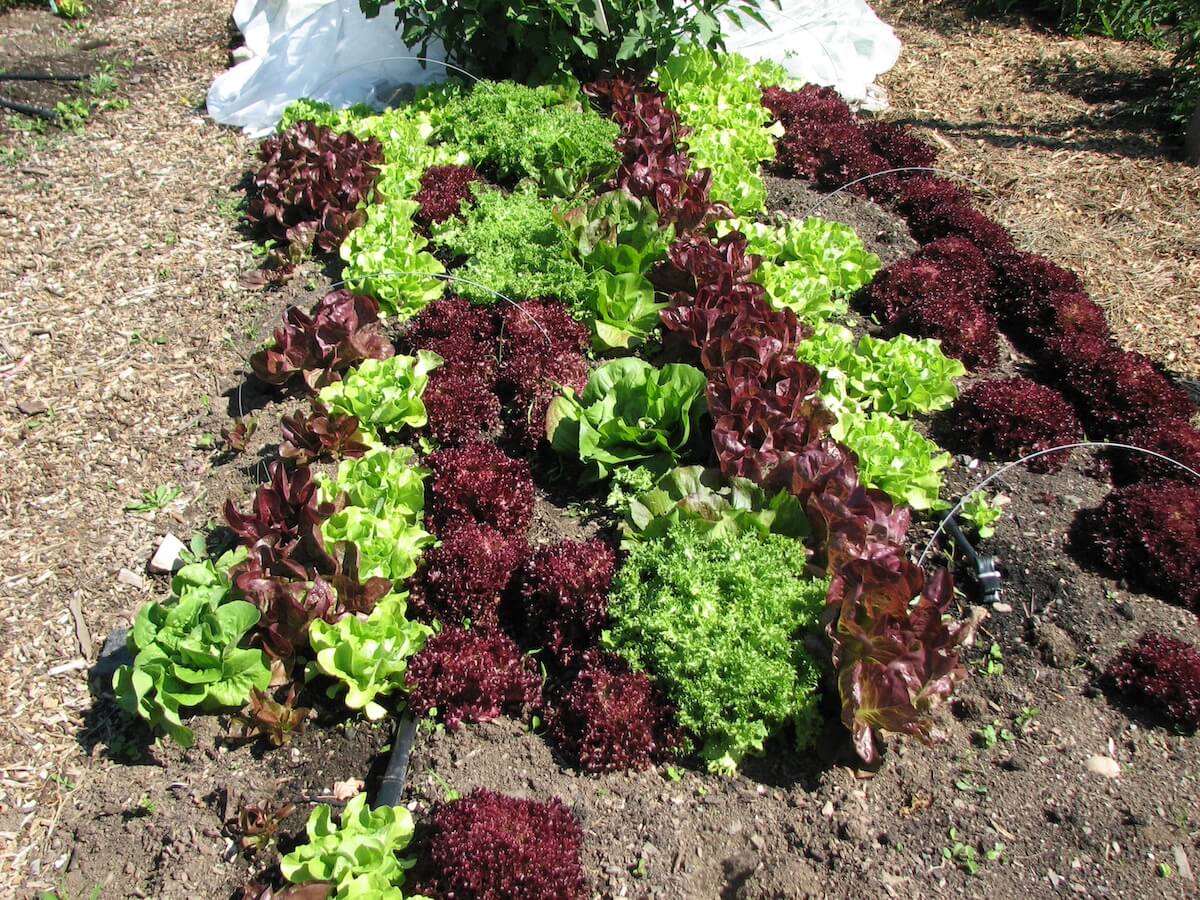
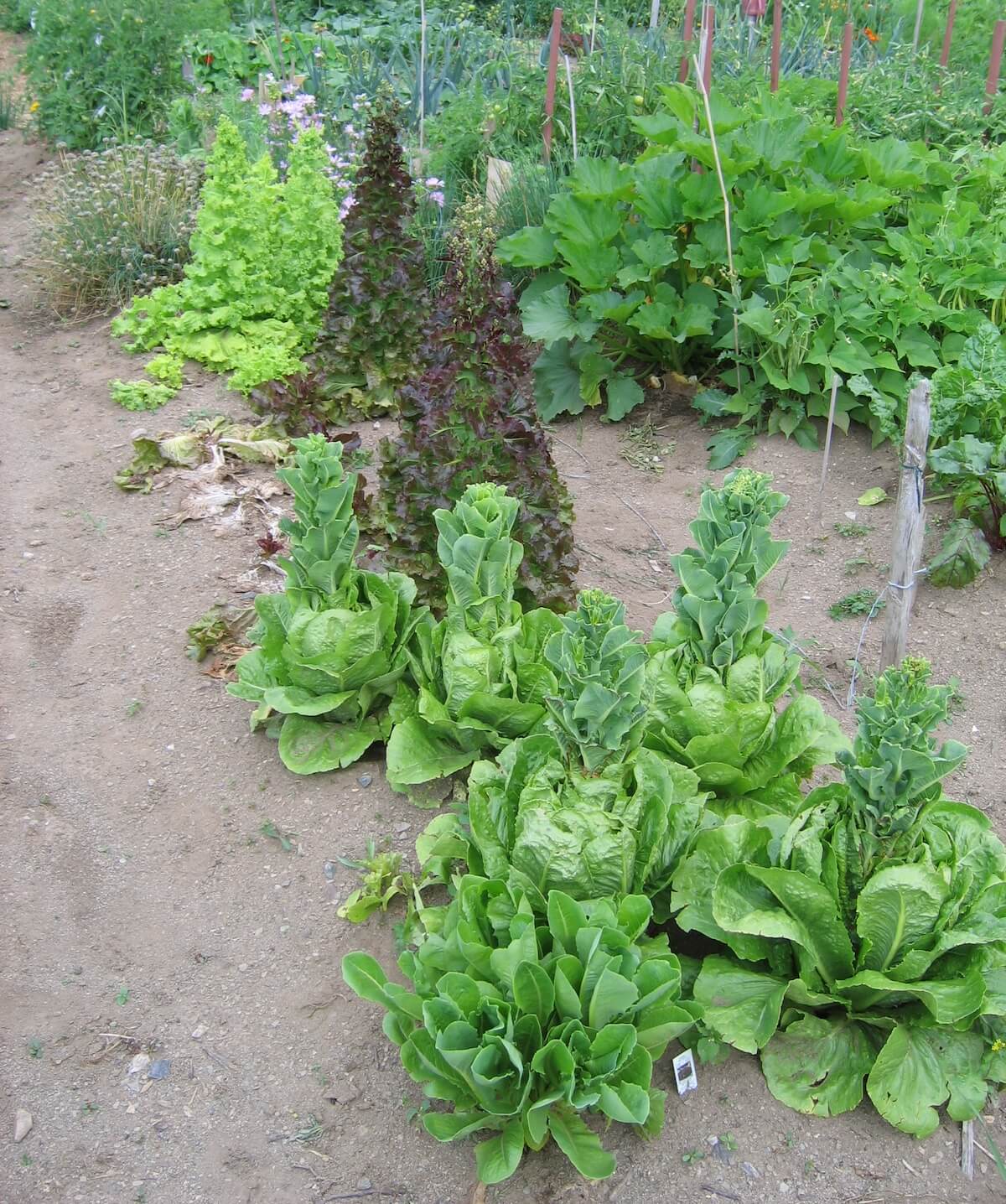
Green leaf lettuce, red or green leaf lettuce, red or green romaine lettuce, red or green Boston lettuce, red or green head lettuce—there’s no shortage of choices for this staple of our gardens and plates. Since lettuce is a cool-weather vegetable, it doesn’t do well in the heat of summer. It thrives best in the spring or fall. In the summer, it will do best in partially shaded areas of the garden.
Leaf lettuces reach maturity 40 to 50 days after sowing. You can start harvesting leaf lettuces and romaine lettuces by picking a few outer leaves. Leaf lettuce plants grown densely can be cut several times, leaving 2–3 cm (¾–1¼ in) above the ground. Romaine lettuce, head lettuce, and Boston lettuce should be harvested entirely once the head is fully formed. Once the lettuce begins to bolt (go to seed), it becomes bitter and unpalatable.
The best time to harvest lettuce is early in the morning while it’s still cool. After harvesting, it’s a good idea to quickly submerge the lettuce in a bowl of cold water for at least 15 minutes, then pat it dry thoroughly before storing it in the refrigerator.
Turnip
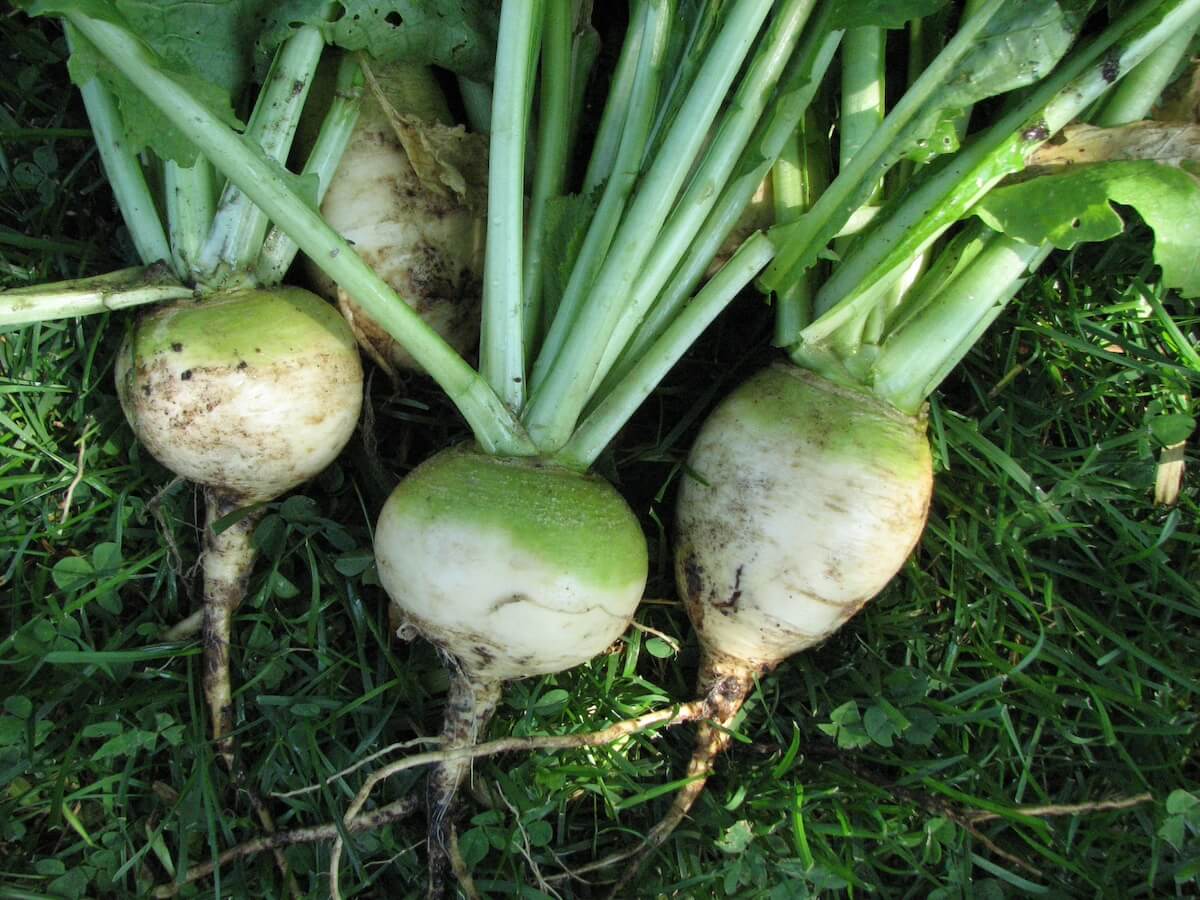
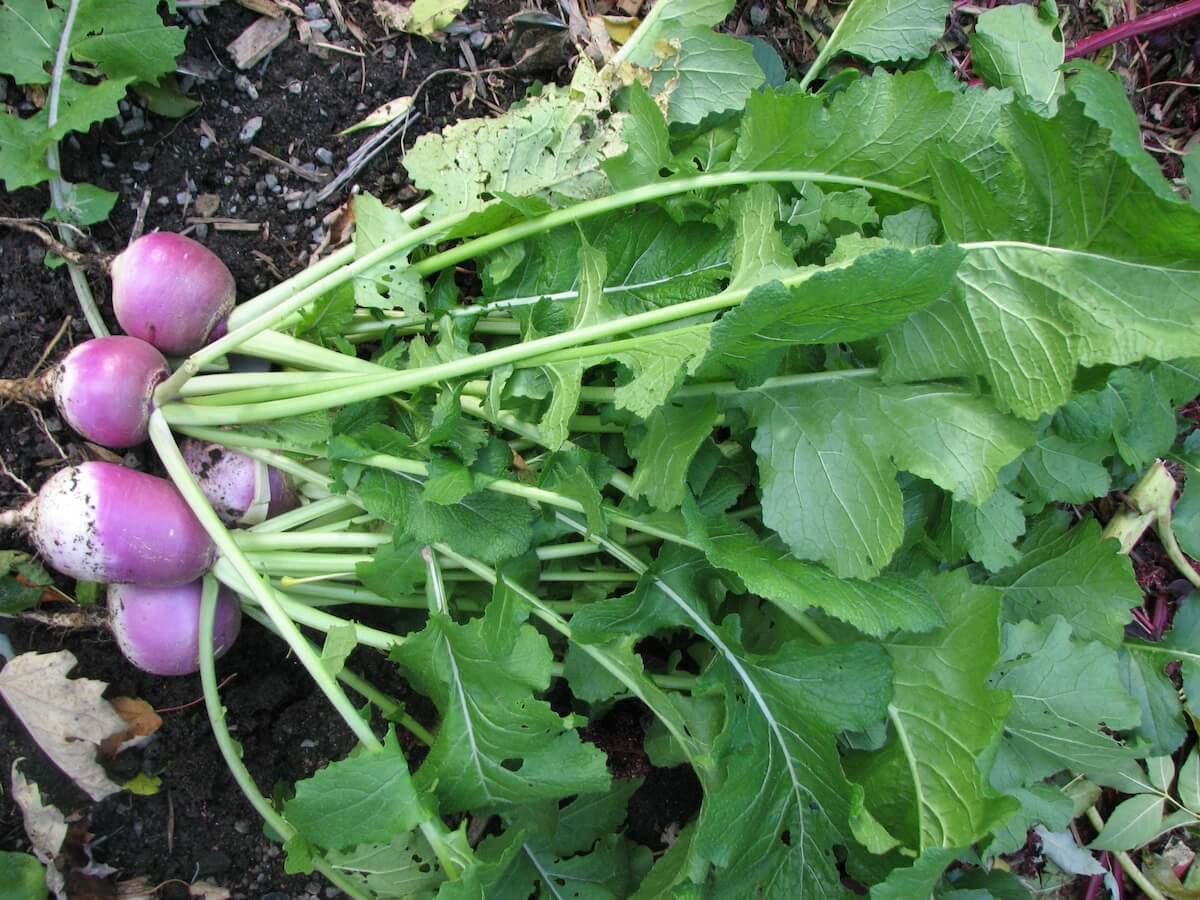
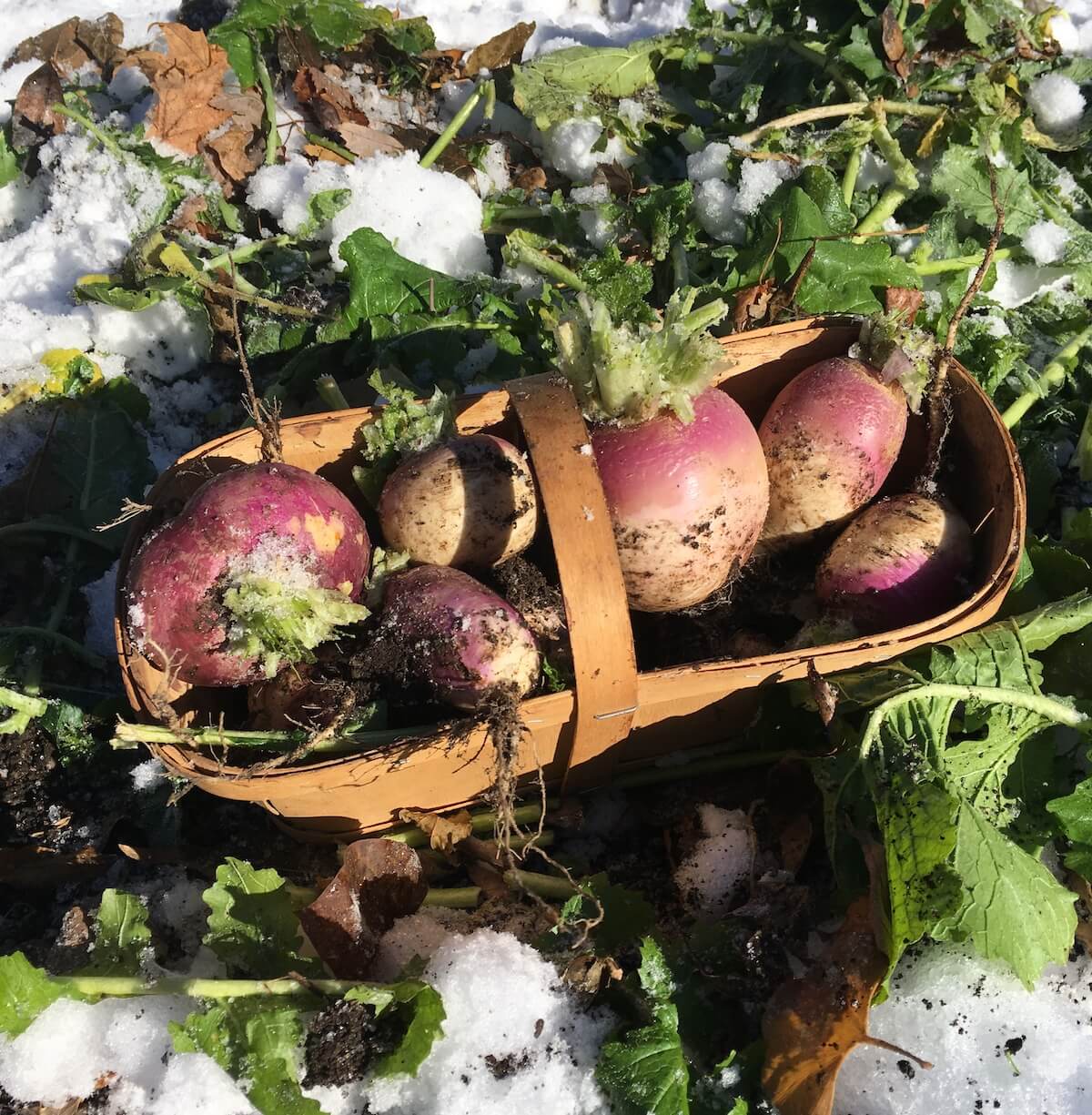
The turnip is—just like lettuce, spinach, and radishes—a vegetable that thrives in cool temperatures. That’s why it’s best grown in early spring or early fall.
Don’t confuse the turnip with the rutabaga. Turnips are smaller, more or less round, with a red or green neck. Their flesh is generally white.
Turnips are ready to harvest 40 to 50 days after sowing, when they reach 5 to 6 cm in diameter. Summer turnips should be harvested before the heat sets in, and fall turnips before the first heavy frosts.
Peas
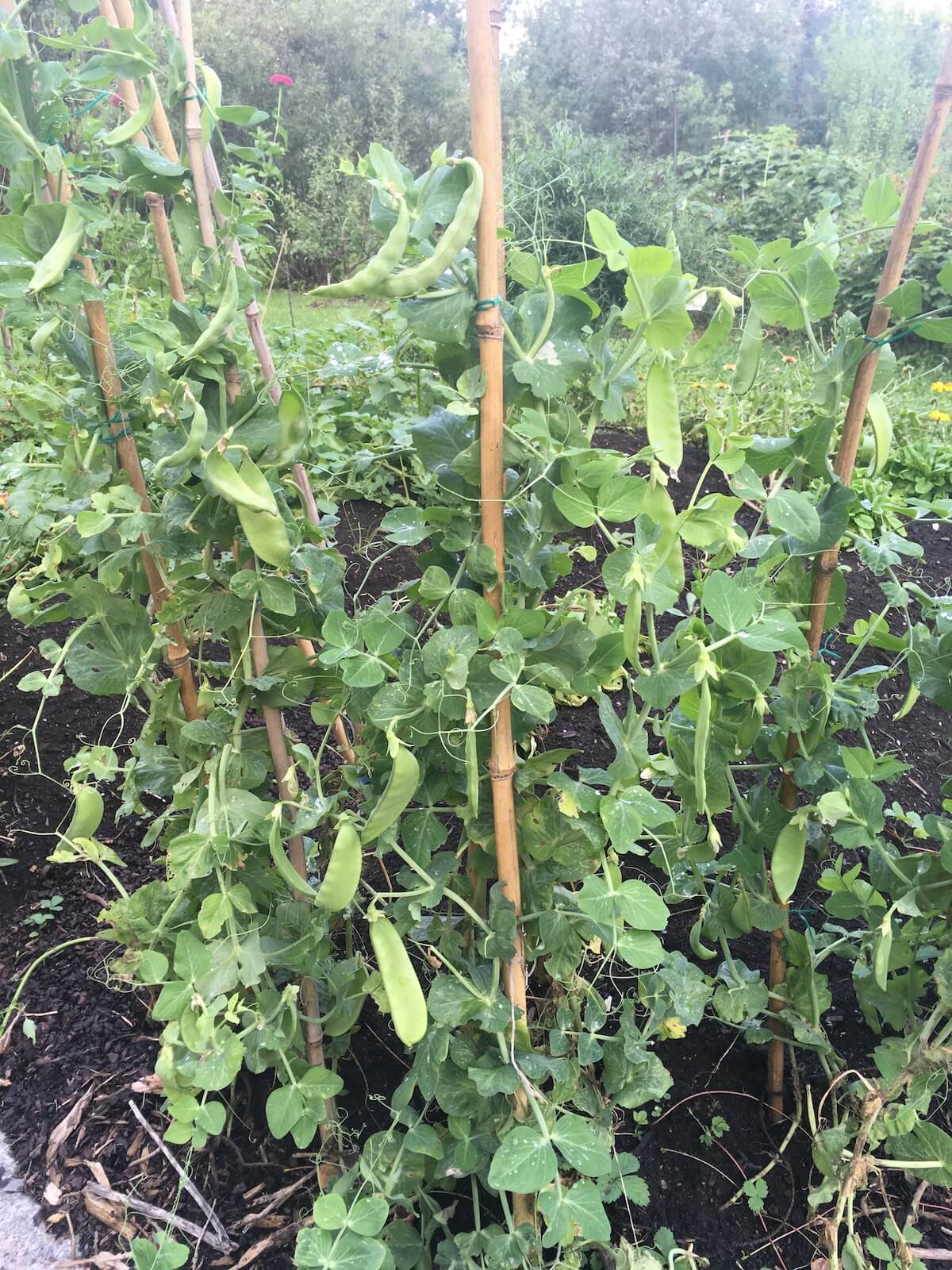
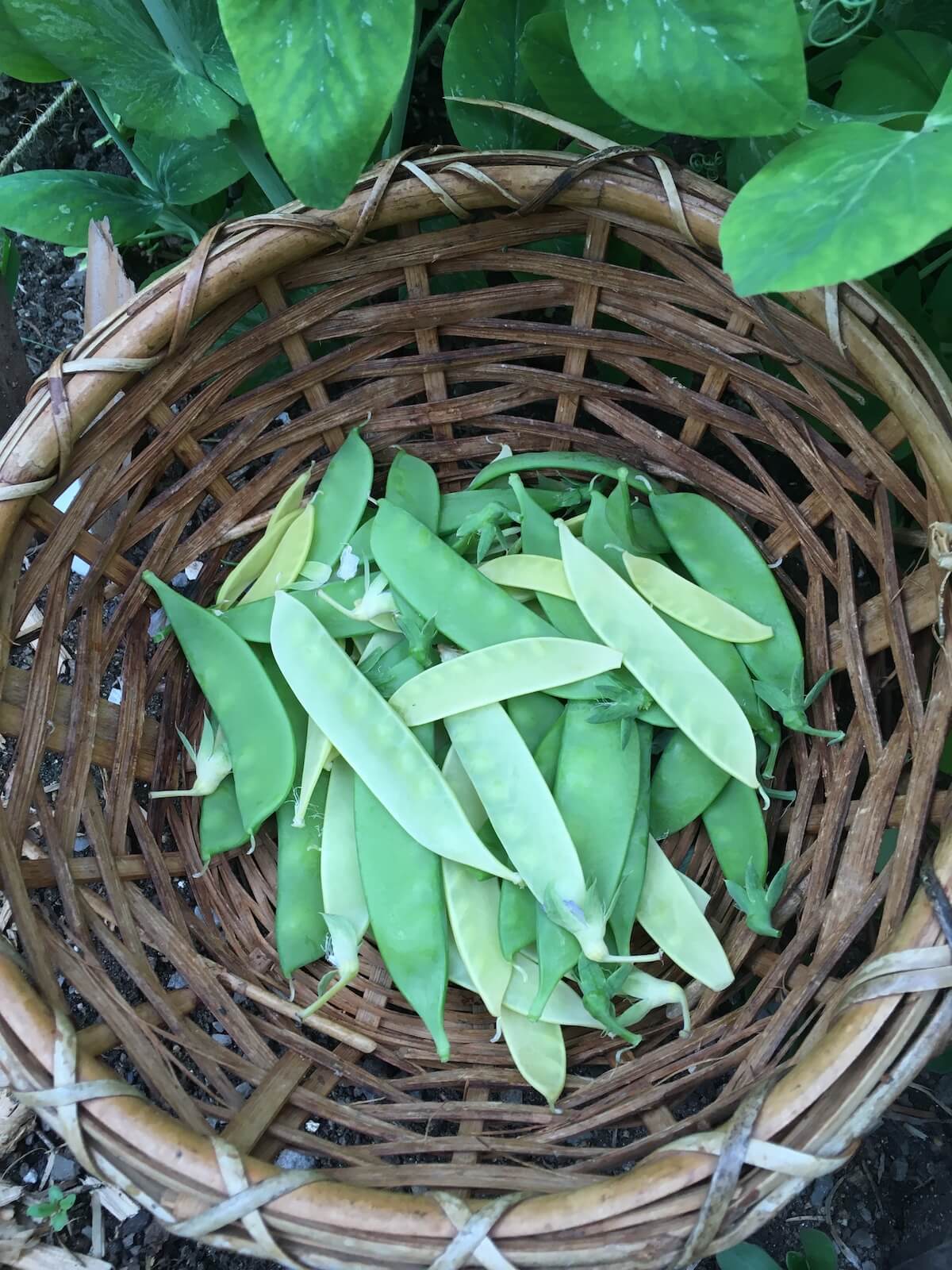
Peas are plants that thrive in the cool spring weather. On the contrary, it’s best to plant them early. Among the different types of peas are those grown for their pods, such as snow peas (including the popular sugar snap peas), which have round, fleshy pods, and snow peas, which have thin, flattened pods. The pods of shelling peas and dry peas are not eaten.
Peas reach maturity 55 to 80 days after sowing. Snow peas should be harvested when the pods are still flat and the seeds are barely visible. For sugar snap peas, you should wait until the peas are forming. Finally, shelling peas should be harvested when the seeds are plump.
Harvesting should be done regularly every two or three days, except for dry peas, which should be harvested when the pods have changed color.

Radish
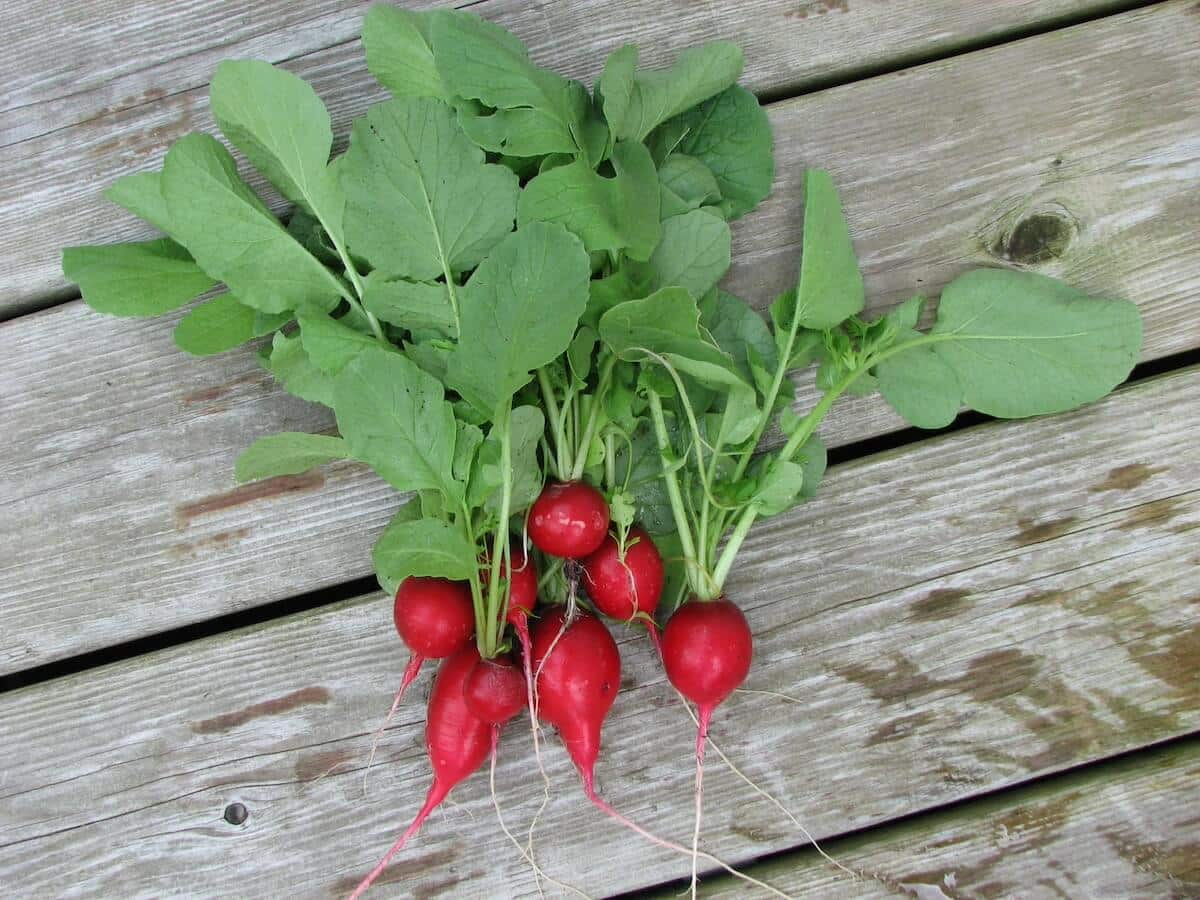
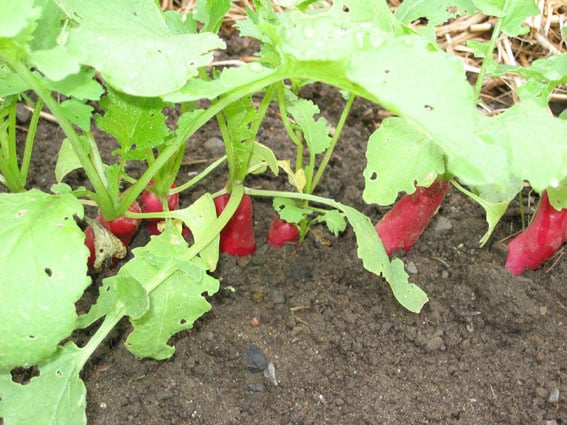
Radishes are a fresh vegetable typically grown for their roots, but their leaves are also edible. The roots of spring-grown radishes are small, but those of fall-grown radishes are larger. In hot, dry weather, radishes become fibrous and pungent.
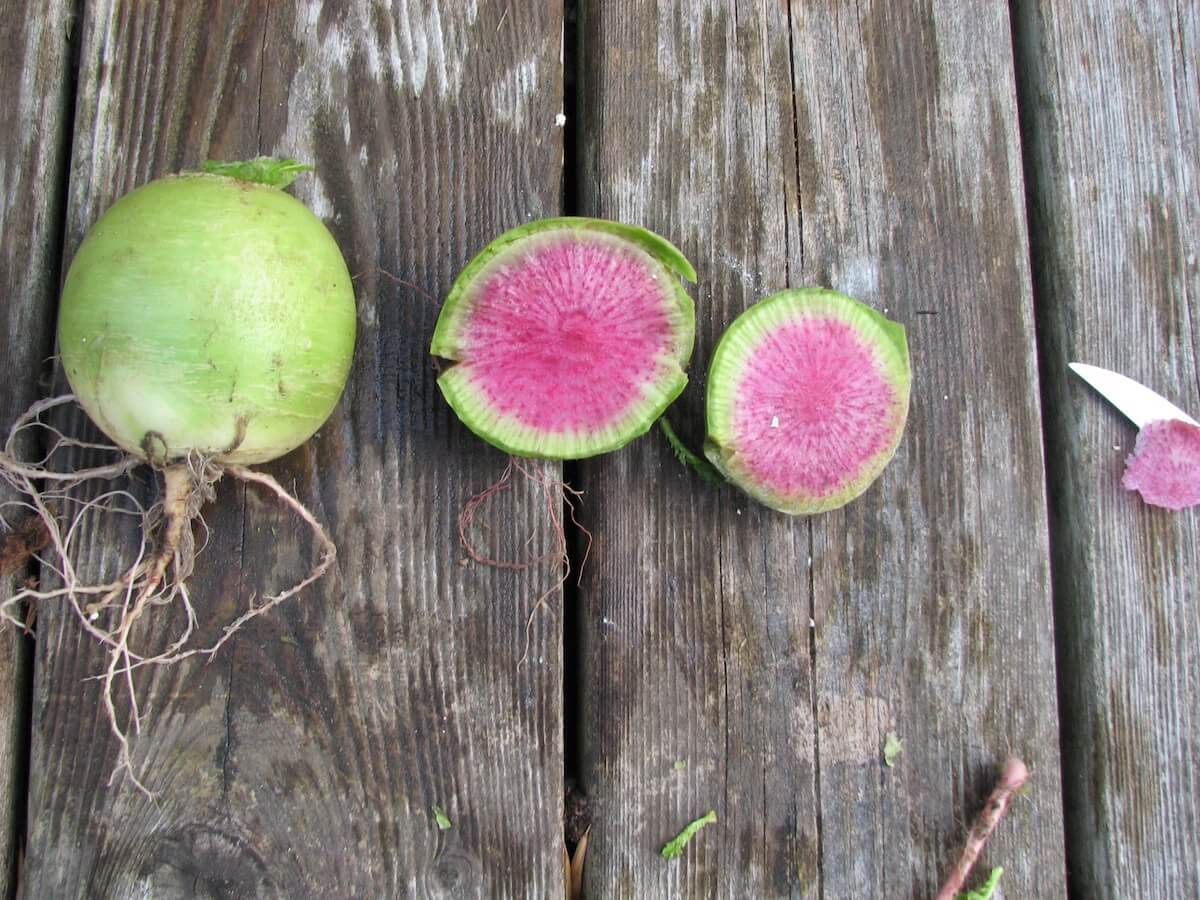
Common radishes are among the first vegetables harvested in the spring if you’ve taken care to sow seeds as soon as the soil was workable. They reach maturity 25 to 50 days after sowing. Winter radishes, such as Daikon and Red Meat radishes, are usually sown in August. They reach maturity 50 to 70 days after sowing and can tolerate temperatures as low as -3°C (27°F), but they must be harvested before heavy frosts set in.
In my next article, you’ll learn all about harvesting eggplant, beets, broccoli, cucumbers, summer squash, cauliflower, chili peppers, bell peppers, and tomatoes.
Until then, I wish you bountiful harvests.