
A “moss-like” ground cover that tolerates salt and compaction
I have a front yard landscape with no lawn—just perennials, trees, and shrubs. Does Irish moss tolerate road salt and soil compaction well? I’d like to grow it from seed.
Answer
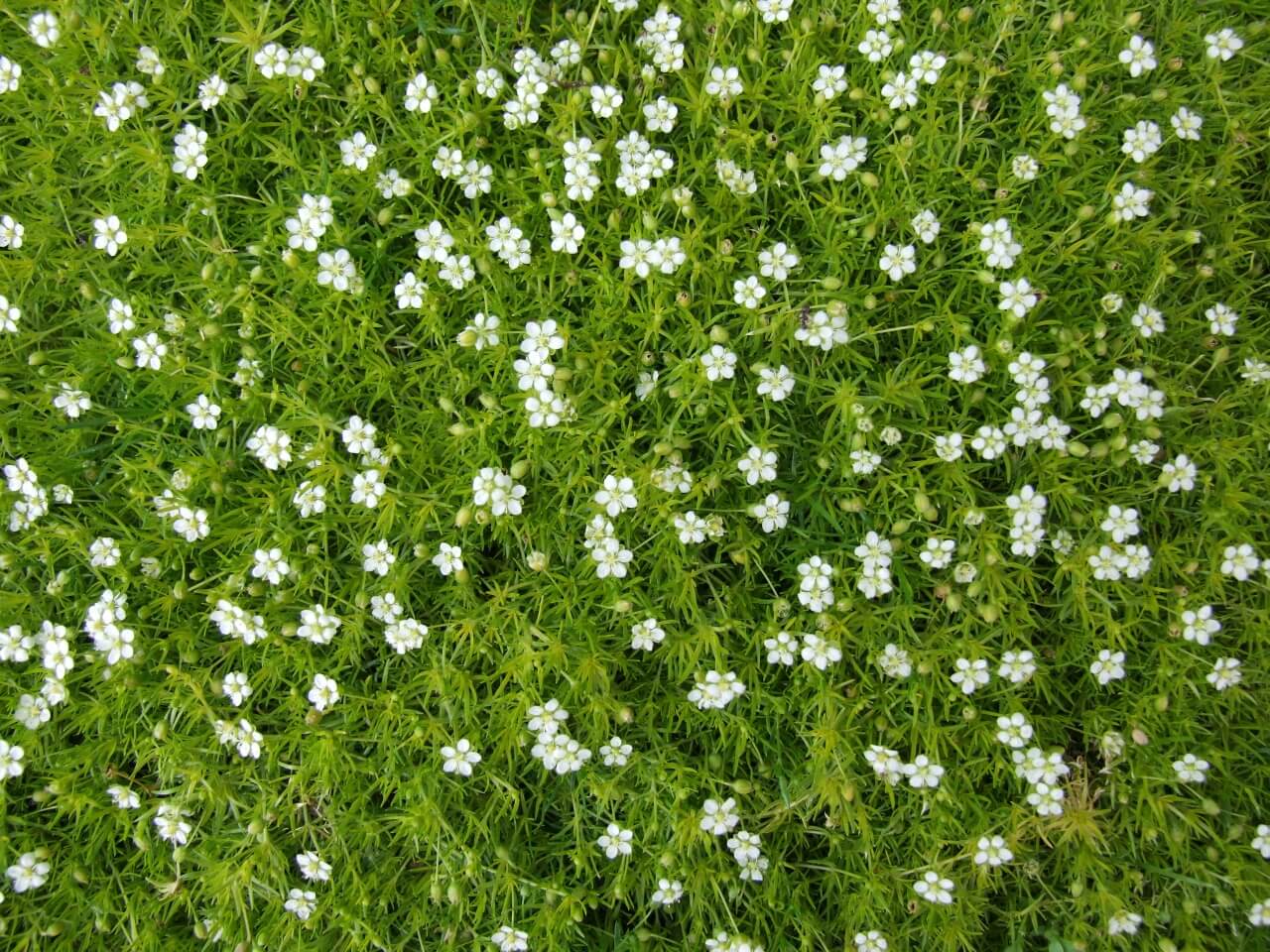
Irish moss, also known as Scotch moss or Irish moss (Sagina subulata), is a low-growing ground cover that resembles a true moss. However, it produces tiny white flowers in spring, clearly showing that it is not one, since true mosses are primitive plants that do not produce flowers.
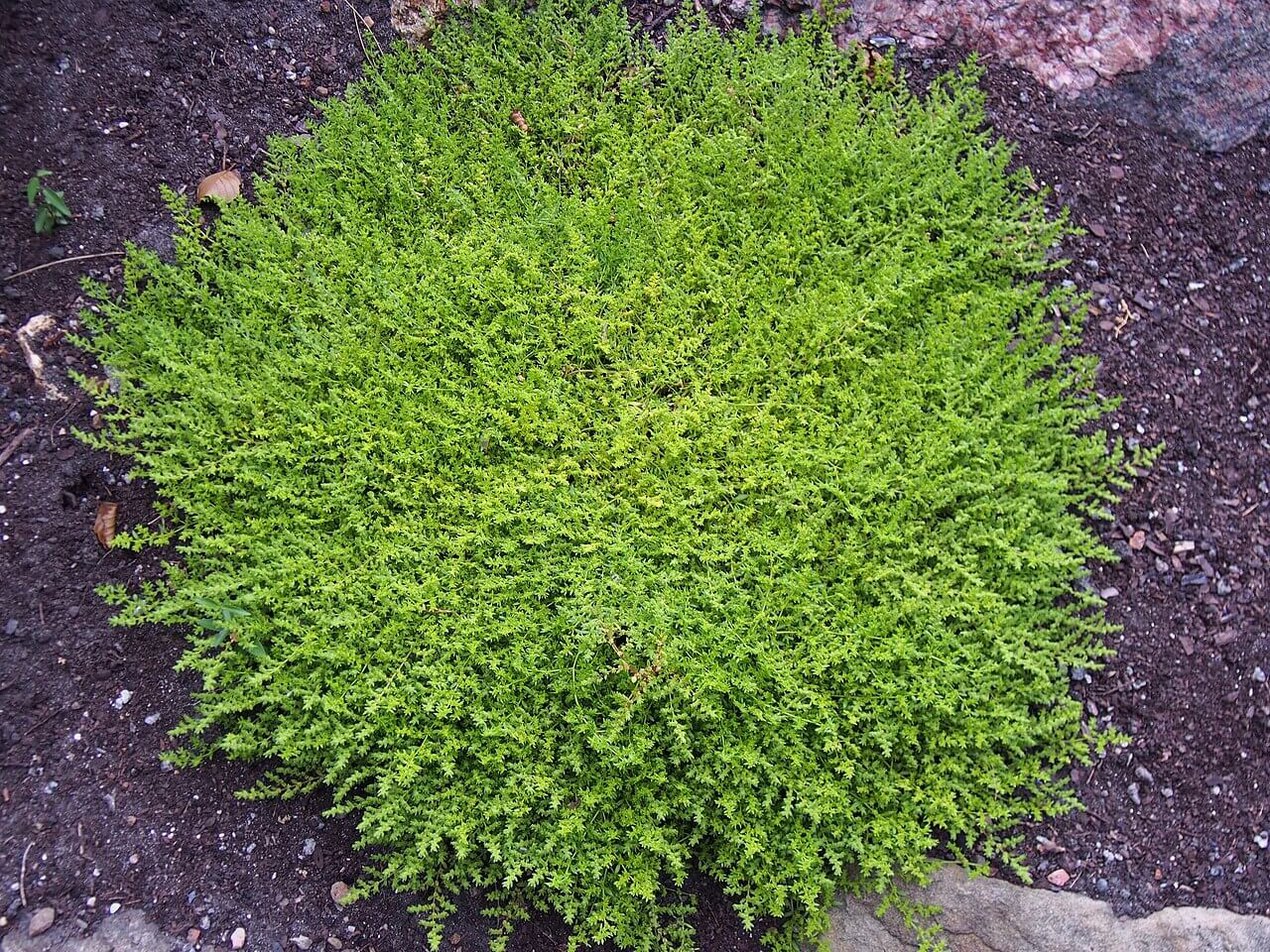
Unfortunately, while Irish moss can tolerate a little foot traffic, it is not very tolerant of true soil compaction or road salt. I would instead recommend rupturewort (Herniaria glabra), which forms an equally low-growing carpet, though it is flatter and less cushion-like. Its flowers are insignificant, but the foliage remains an attractive green throughout the summer and takes on a light bronze tint in winter. Rupturewort also forms a denser, more durable carpet than Irish moss and does not tend to die out in patches. Perfectly hardy to Canadian Zone 4 (USDA Zone 4), it is most commonly available from seed.
Soil that is too sandy
Last year I bought a house built on very sandy soil. As a result, all my plants are growing in sand. What can I do to help my plants thrive?
Answer
The problem with sand is that the soil is often very dry (unless the water table is close to the surface), because water drains quickly through the sand. Furthermore, sand is generally very nutrient-poor and, on top of that, does not retain the minerals that are added. As a result, fertilizer also washes through and ends up polluting lakes, rivers, and groundwater. As a result, plants lack both water and minerals.
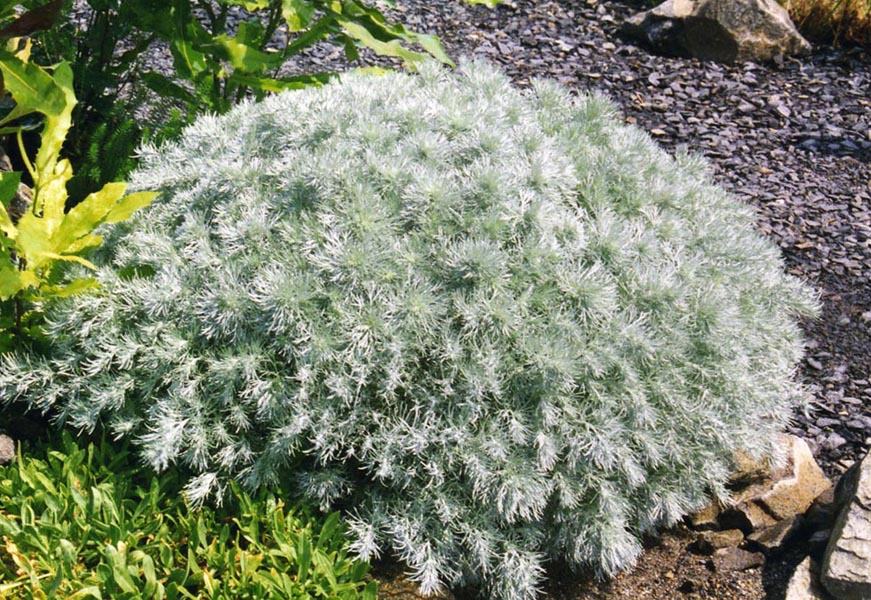
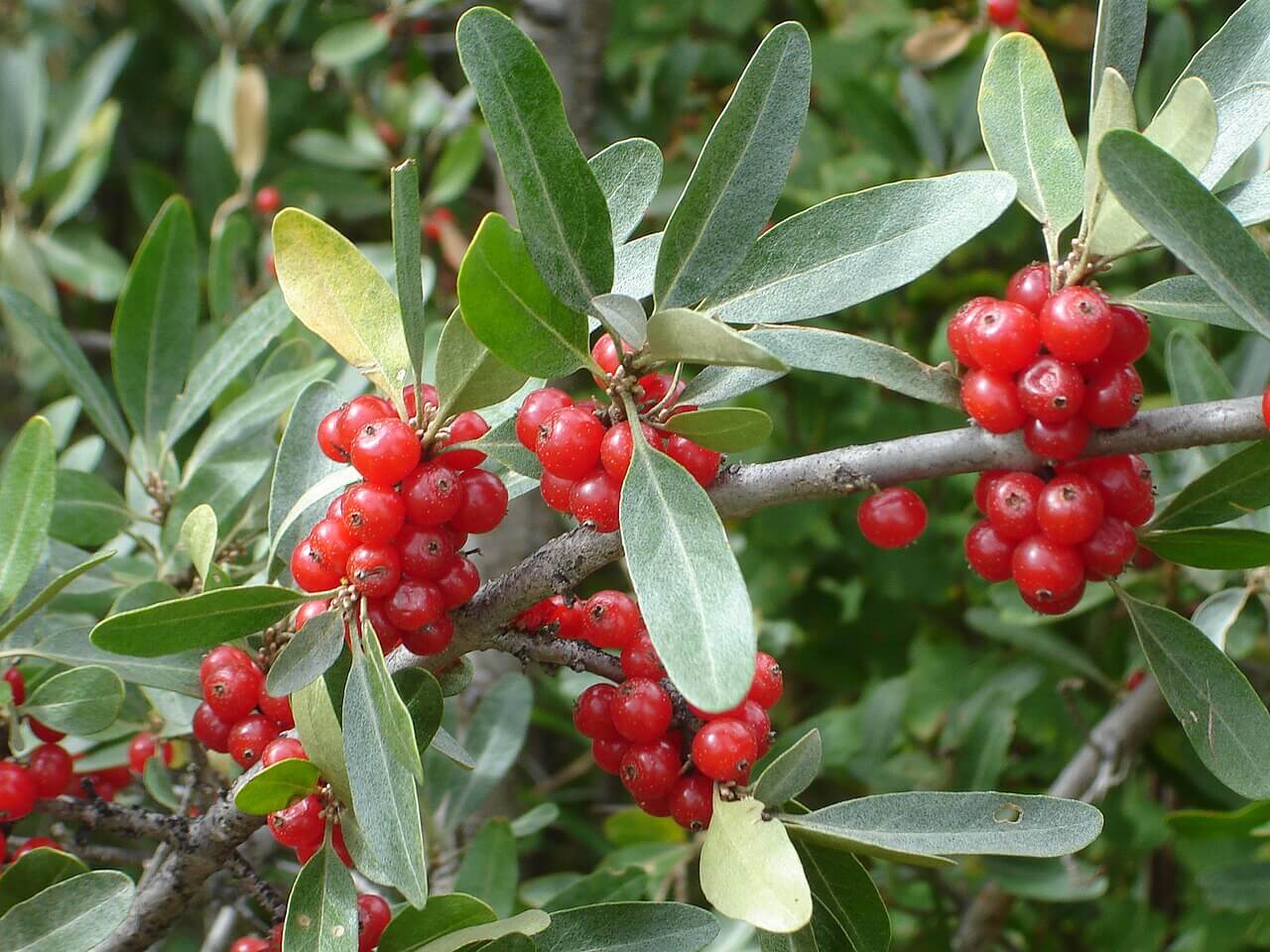
The most obvious solution is to grow plants that naturally tolerate dry, nutrient-poor soils. Mugworts (Artemisia spp.), sweetfern (Comptonia peregrina), junipers (Juniperus spp.), cinquefoils (Potentilla spp.), bearberry (Arctostaphylos uva-ursi), rugosa roses (Rosa rugosa and its hybrids), silver buffaloberry (Shepherdia argentea), fragrant sumac (Rhus aromatica), thymes (Thymus spp.), soapweed yucca (Yucca glauca), and virtually any plant with silvery foliage are all well adapted to sandy soils and require very few nutrients to thrive. Even these drought-tolerant plants, however, will need regular watering during their first year to become well established.
Other options
In addition, mulching your existing plants with a mineral-rich mulch—such as forest mulch (forest compost), shredded leaves, cocoa husks, etc.—will gradually increase the amount of organic matter in the soil as the materials decompose. Avoid strictly ornamental mulches like cedar mulch, which don’t contribute much back to the soil. The advantage of mineral-rich mulch, compared to mixing organic matter directly into the soil, is that mulch lasts longer and is easy to add more of, whereas organic matter added to sandy soil is quickly depleted and difficult to replace without digging everything up and starting from scratch.
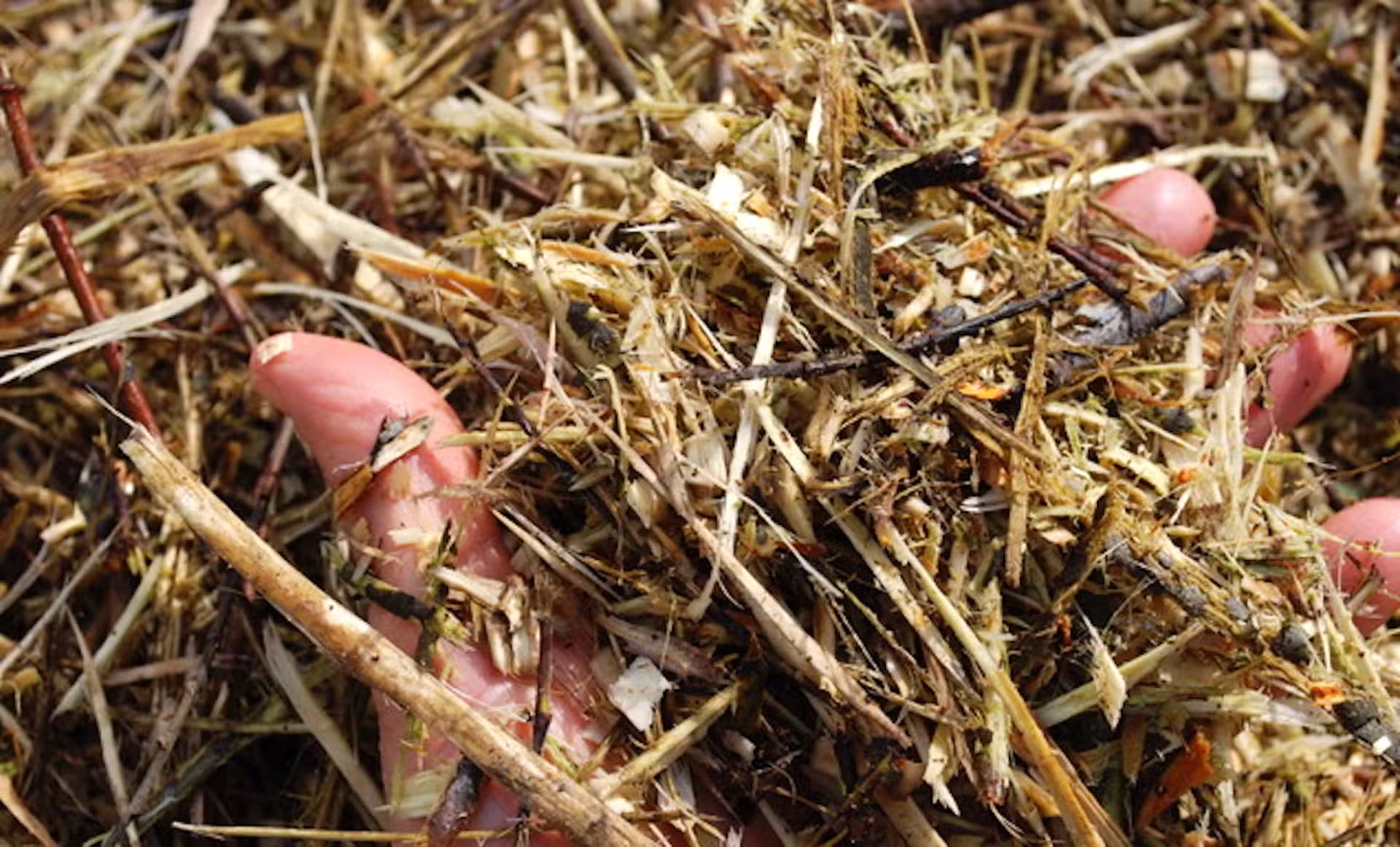
Finally, if you really love a lush green lawn and vibrant flower beds, you’ll never achieve them in sand. You need to create a new growing medium directly on top of the sand. To do this, add 30 cm of good soil (no black soil or other junk!) over the entire surface and plant in this new layer of soil. This way, you’ll create a naturally richer environment that’s better at retaining rainwater than sand alone. Maintain this new “topsoil layer” by mulching with the products mentioned above. Some of the world’s best soils consist of a sandy subsoil covered by a thick layer of topsoil rich in organic matter: your goal is to recreate such an environment.
0 comments on “Answers to Your Questions: Resistant Moss and Sandy Soil”