


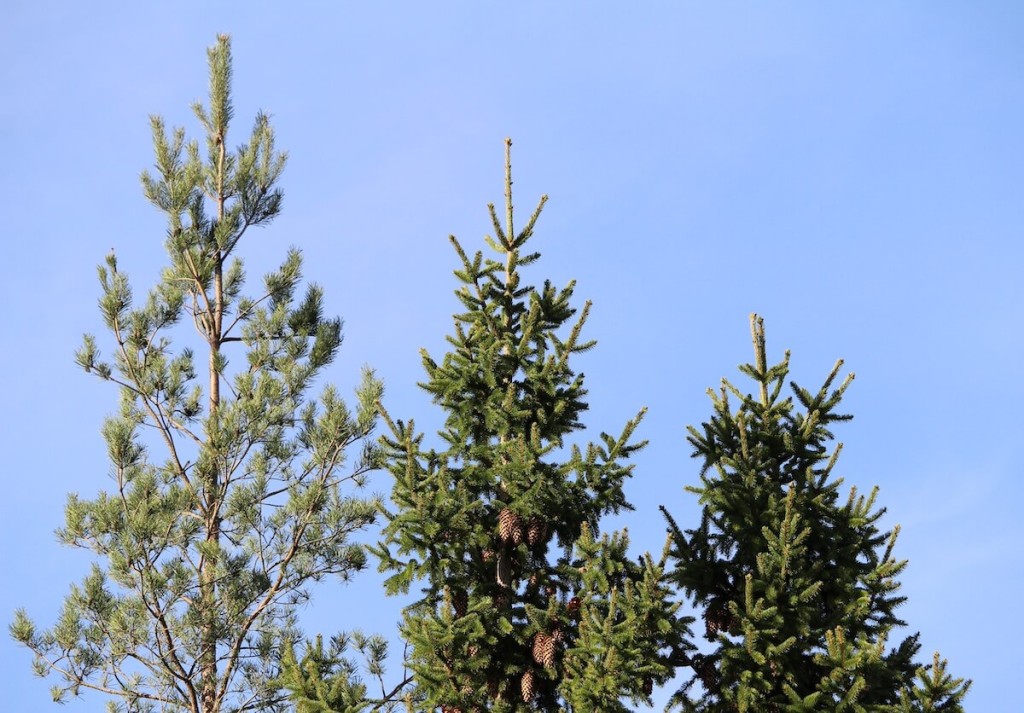
Every landscape design needs a certain structure—what is often referred to as the garden’s framework. This can be created with a fence, an arbor, or a pergola, but also with plants. And conifers reign supreme, because their evergreen foliage keeps them attractive year-round, in both summer and winter.
What is a conifer?
By definition, a conifer is a plant that produces cones—commonly called pine cones, although not all cones come from pines. These cones contain the seeds that will produce the next generation.
Some conifers produce large, highly visible cones. In fact, certain pine species can produce cones up to 24 inches (60 cm)long! These include pines, spruces, and firs. Others, such as arborvitae and hemlocks, bear much smaller, less conspicuous cones. Still others produce cones that look more like berries because their scales are fused together and often develop attractive colors. Junipers and yews are good examples of this type.
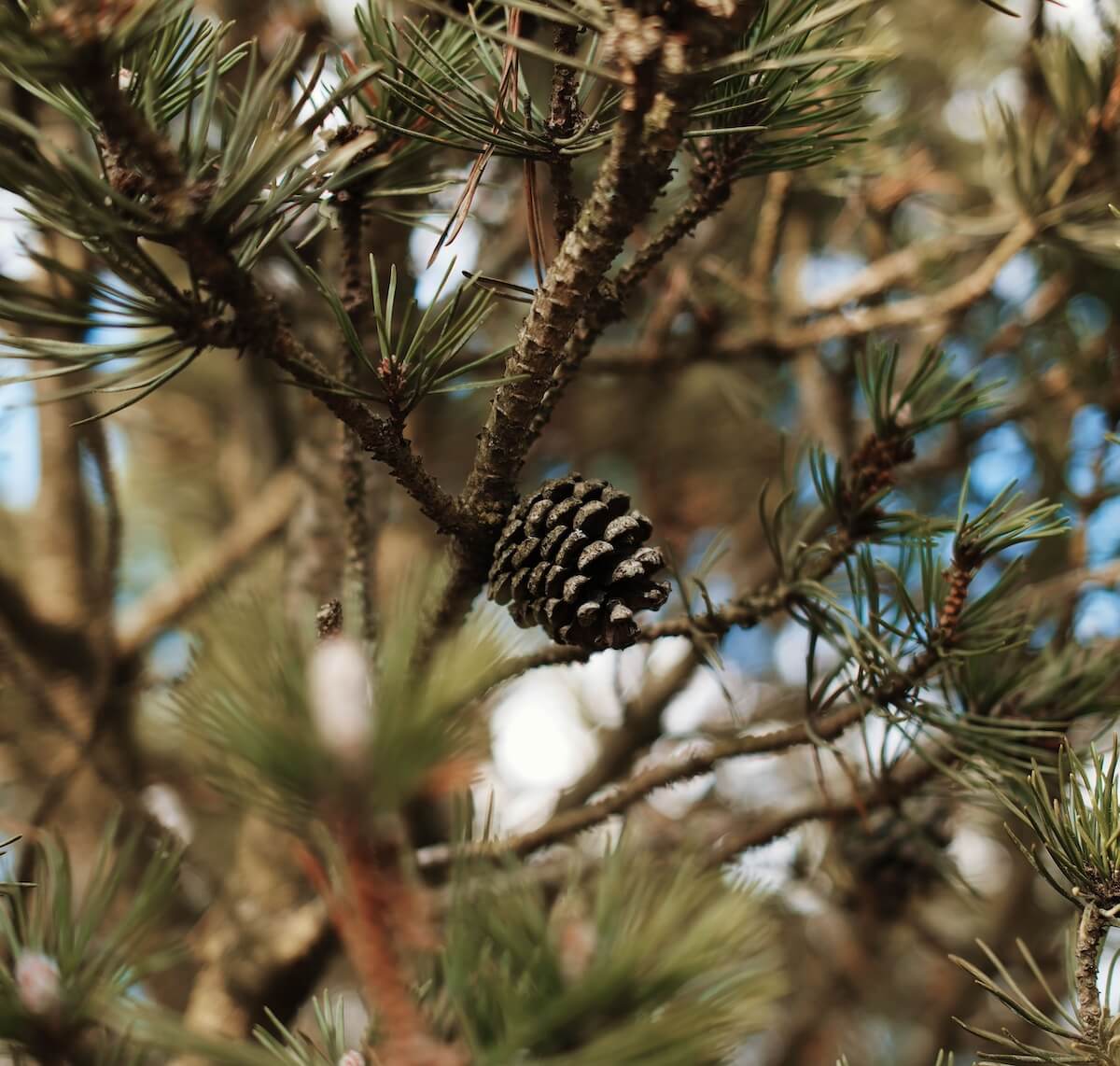
All are woody plants and grow into trees or shrubs. The vast majority are evergreen, but some lose their leaves in winter (larch trees, for example). In fact, all conifers shed their needles, since no leaf is permanent, but most shed their old needles (after 1, 2, or 3 years, depending on the species) gradually over the course of the summer, and the process is largely hidden by the young green needles.
Needles
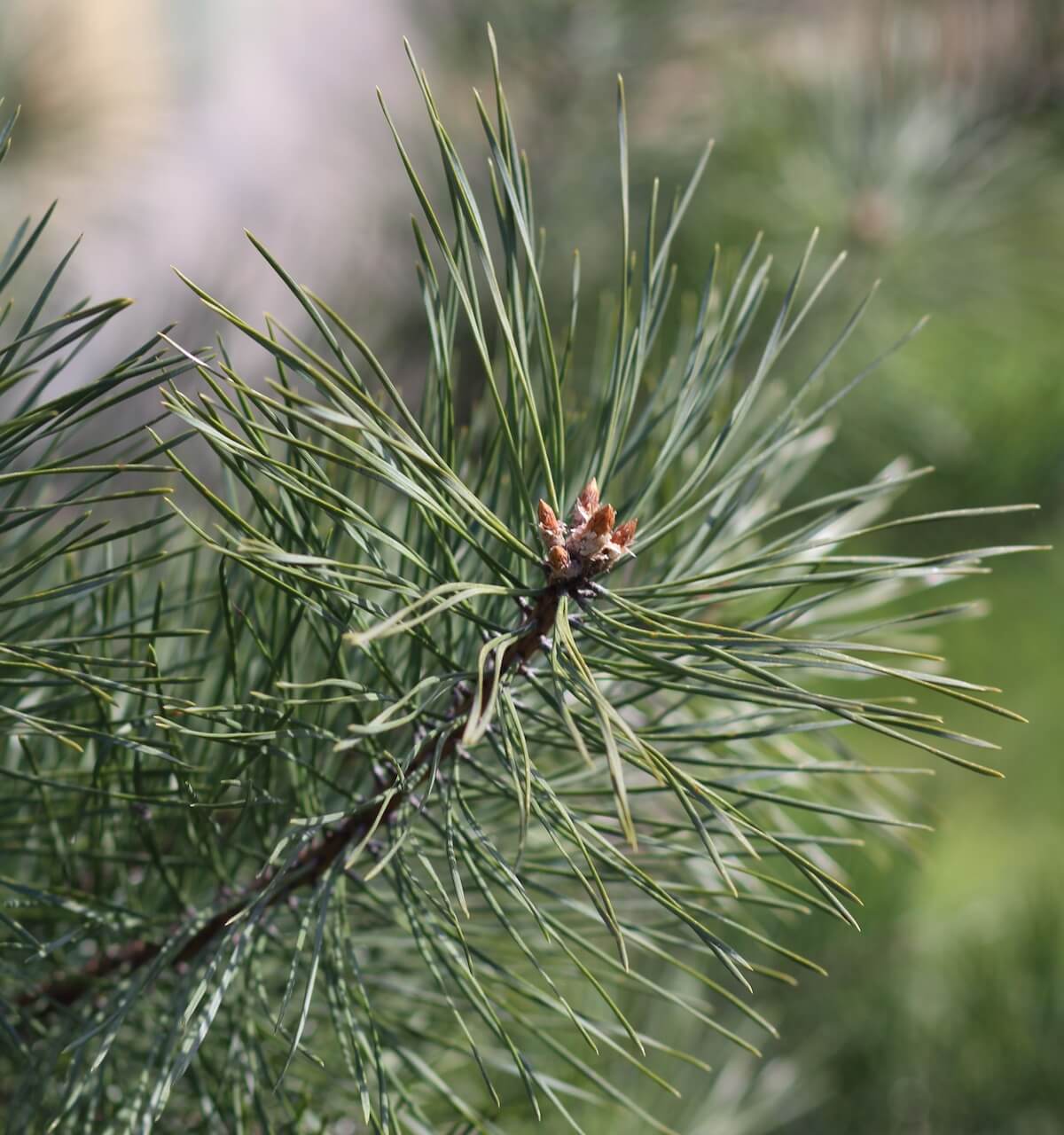
The leaves of conifers are almost always very narrow and needle-shaped, which is why they are usually called “needles.” The needles can be long (pines), medium-length (spruces, firs), or short (junipers, hemlocks). Sometimes they resemble scales more closely (thujas, certain junipers).
There are conifers of tropical and subtropical origin, but they are more commonly found in northern forests, particularly the boreal forest, where they form the dominant vegetation. Most are highly cold-hardy, so there is a wide variety for gardeners to choose from. Mutations are common among conifers: plants that are small in size or have needles in various shades of green, or even blue or lime yellow. Some have variegated (two-toned) needles: green and white or yellow and white.
Conifer cultivation
Conifers grow under almost any conditions, except in the far north, at the highest mountain peaks (beyond the tree line), and in water (there are indeed a few semi-aquatic conifers that grow with their roots submerged, but none grow underwater), but generally speaking, they prefer full sun or partial shade, as well as well-drained soil. There are a few conifers that tolerate shade, such as yews and hemlocks.
Most tolerate acidic soil perfectly well, but do not require acidic soil to thrive. There are also conifers that tolerate alkaline soil (certain junipers and yews), but again, they do not require such soil. Few conifers tolerate salt (the white spruce being one of the rare exceptions), so it is not wise to plant conifers too close to a street treated with deicing salts. Also, do not plant conifers where snow is blown or pushed by a snowblower.
Size
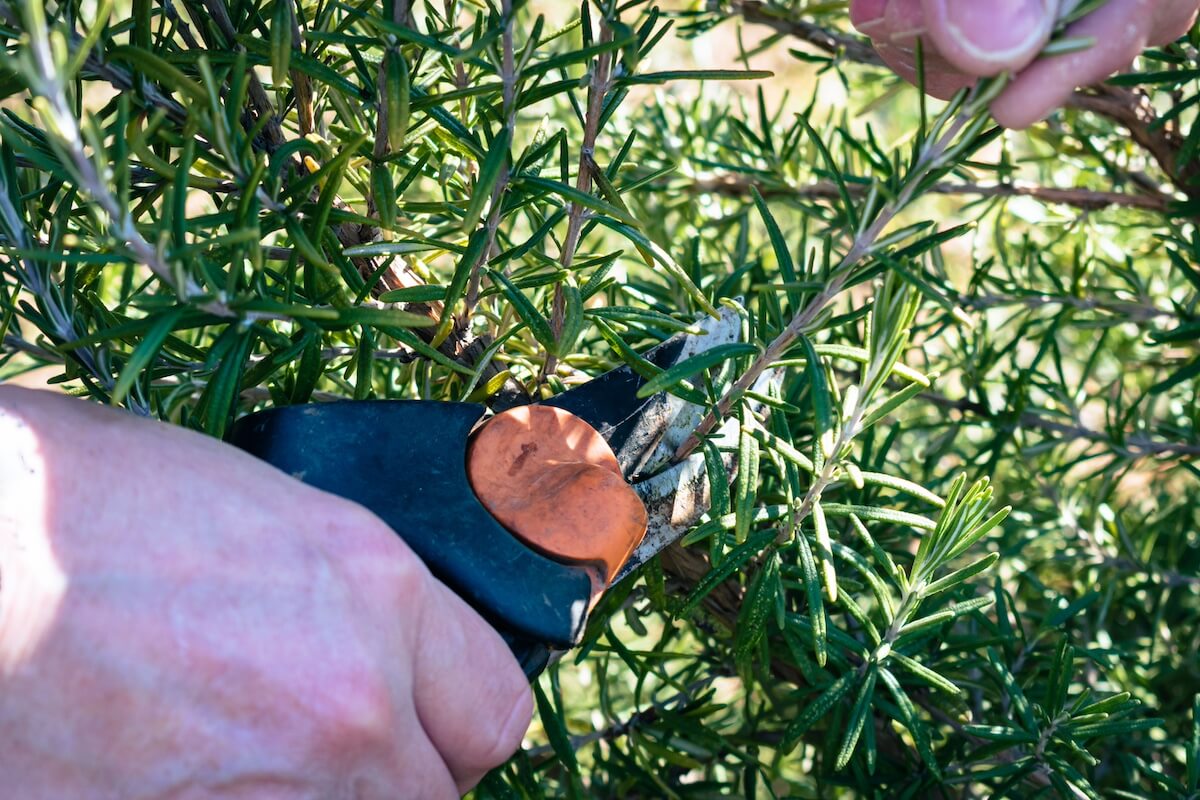
Pruning conifers can be a bit tricky because, unlike most broadleaf trees and shrubs, they do not regrow from old wood. So, if you prune all the way down to the brown part of the plant (where the needles have already fallen off), the plant will not regrow from that spot. Over-pruning can therefore lead to very unsightly gaps. That’s why it’s advisable to choose conifers for your property that are suited to the available space, which eliminates the need to prune them.
Yews and hemlocks, on the other hand, have dormant buds hidden within the old wood and can therefore recover very nicely even from severe pruning. These two species are therefore the only ones that make good hedges. Thuja (cedar) is even more commonly used as a hedge, but its inability to regenerate from old wood makes it a very poor choice for a hedge, and most people quickly come to regret planting it.
During the first year after planting a conifer, it’s wise to monitor watering carefully to prevent the root ball from drying out. A good layer of mulch can be helpful. It may also be helpful to protect the tree from cold winds during its first winter by setting up a temporary windbreak (such as a piece of geotextile or burlap stretched between two stakes) on the side facing the prevailing wind in late fall. Avoid wrapping conifers like mummies—this tends to cause the needles to burn. If the fall is dry, be sure to continue watering the conifers until the ground freezes; otherwise, their needles may dry out and “burn” during the winter.
Choosing the right one
The real secret to long-term success with conifers is choosing the right one for the space. Too many gardeners plant a large conifer only to discover years later that it has completely outgrown the yard. After all, a Colorado blue spruce(Picea pungens ‘Glauca’) can eventually reach 65 feet (20 m) tall and 26 feet (8 m) wide—large enough to dominate the average suburban lot.
For today’s smaller landscapes, dwarf conifers are often a much better choice. Just remember that “dwarf” is a relative term. Warning: Dwarf conifers, in particular, aren’t really that dwarf after all! Many so-called dwarf conifers can still grow to 20 feet (6 m) tall (upright forms) or spread 13 feet (4 m) or more (low-growing forms) over time.
As a result, many gardeners consider these plants to have a practical landscape life of about 20 years, after which they are replaced with something more appropriately sized. If one of your conifers has started to crowd the driveway or block a favorite window, it’s probably time to think about replacing it. Keep in mind that, with the exception of yews and hemlocks, most conifers do not respond well to severe pruning, so trying to cut back an overgrown specimen is rarely a successful solution.
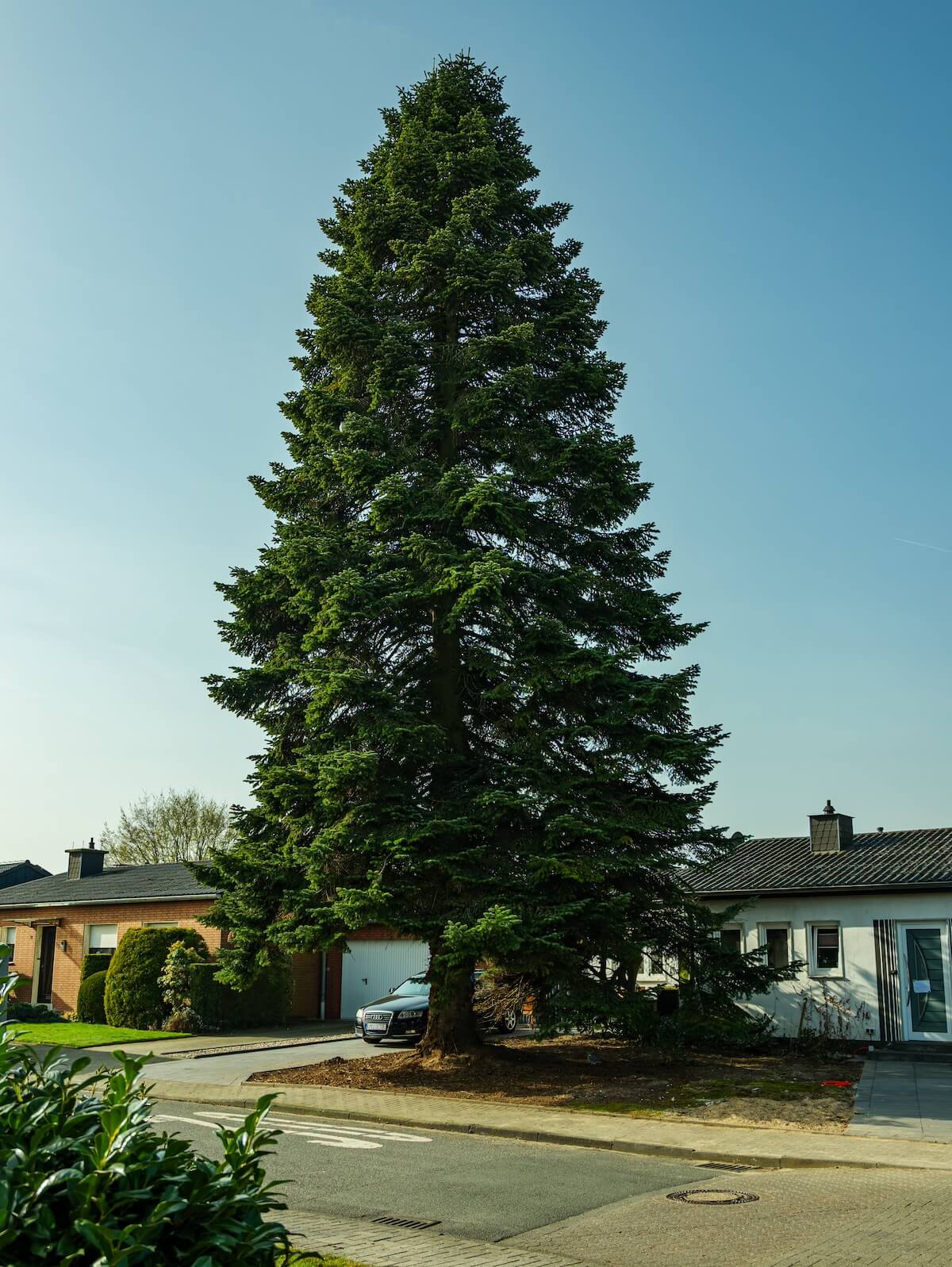
Conifers are most appreciated in winter, when their evergreen foliage brightens up the landscape. Plant them exactly where a beautiful winter appearance is important. And that’s why the custom of wrapping a conifer in burlap or geotextile in the winter is completely baffling: what’s the point of planting a plant that’s especially interesting for its winter appearance, only to hide it from view during the winter?
Even in a pot
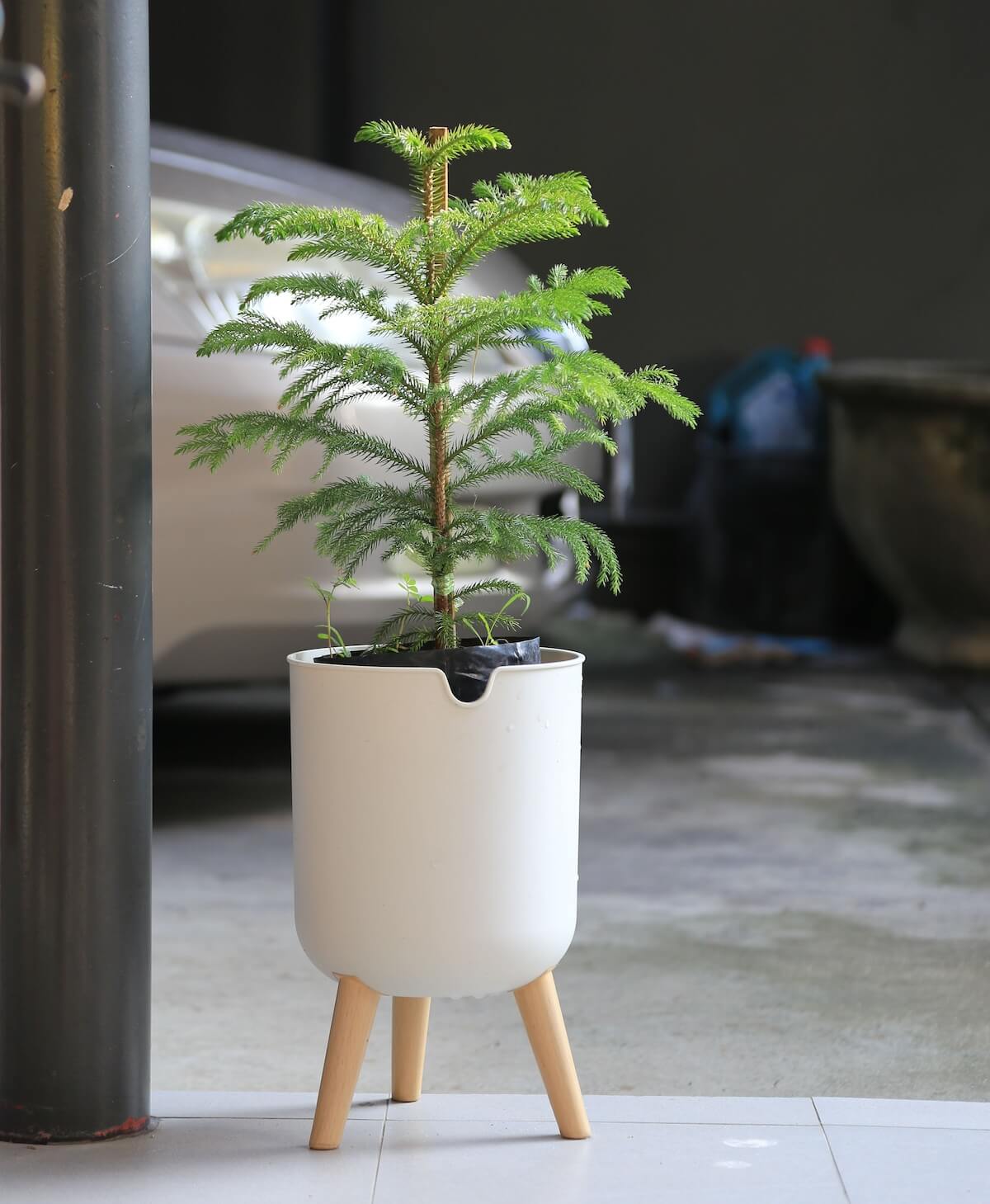
Dwarf conifers also make excellent candidates for container gardening on a patio, balcony, or rooftop. In fact, their winter appeal is unbeatable! But be sure to choose an extra-hardy cultivar (zone 3 or lower), since plants grown in containers are more susceptible to cold than the same plants grown in the ground.
Go ahead! Add a few conifers to your landscape, and you’ll see how much better it looks… no matter the season!