


Cucumber beetle
My vegetable garden is overrun with cucumber beetles that are eating my cucumber flowers. How can I get rid of them? Is it possible that I inadvertently invited them in by putting straw under my cucumber and bean plants?
Answer
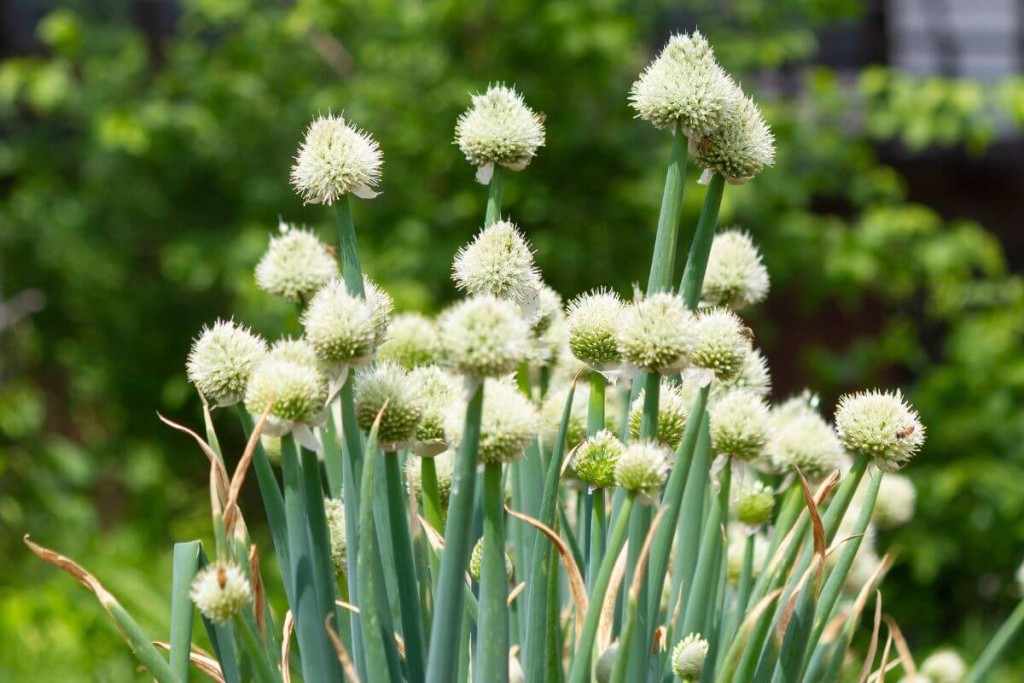
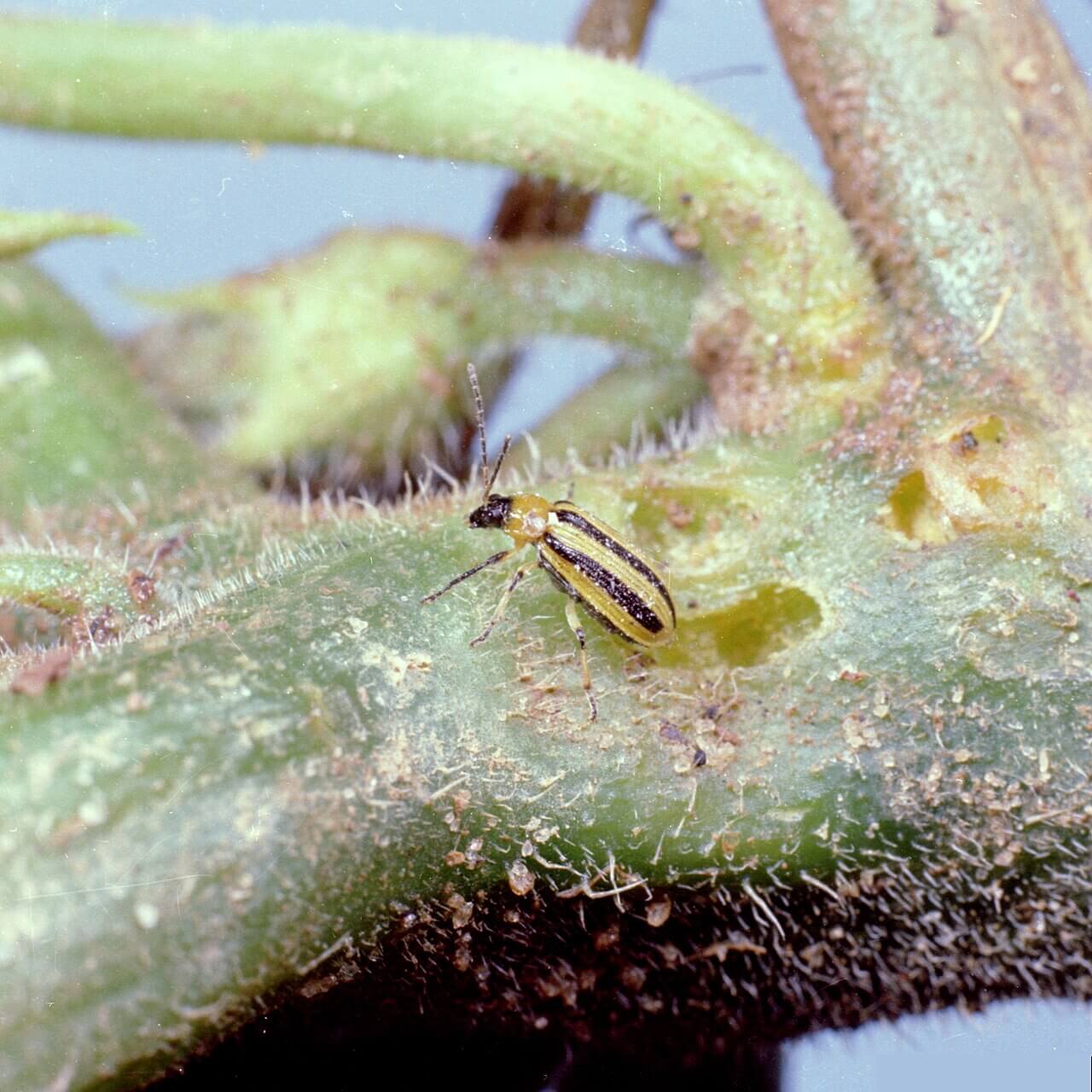
The striped cucumber beetle (Acalymma vittatum) is a small, elongated beetle with distinctive yellow and black stripes. The larvae feed mainly on the roots of cucurbits, but it is usually the adults that cause the greatest damage. They chew on the flowers, leaves, and sometimes the young fruits of cucumbers, as well as other cucurbits such as squash, melons, and pumpkins. They may also occasionally feed on beans and peas.
In a home vegetable garden, the most effective spot treatment is hand-picking. Simply knock the beetles into a bucket of soapy water. However, when beetle populations are very high, hand-picking alone is unlikely to provide satisfactory control. In that case, it is best to avoid growing cucurbits in the same location for one or more seasons. Crop rotation can help reduce local populations, although it will not prevent adult beetles from flying in from neighboring gardens.
The straw beneath your plants—or any other type of mulch—does not encourage cucumber beetles. On the contrary, mulch provides habitat for ground beetles (predatory beetles in the family Carabidae), which feed on cucumber beetle eggs and larvae, helping to keep their populations in check.
Tomato plants losing their leaves
For nearly 16 years, I’ve been growing tomatoes in a small vegetable garden. I add a little compost, and every year I rotate my crops. But for the past two or three years, many leaves have been falling to the ground, and entire clusters have been lost. Can you tell me what is causing this?
Answer
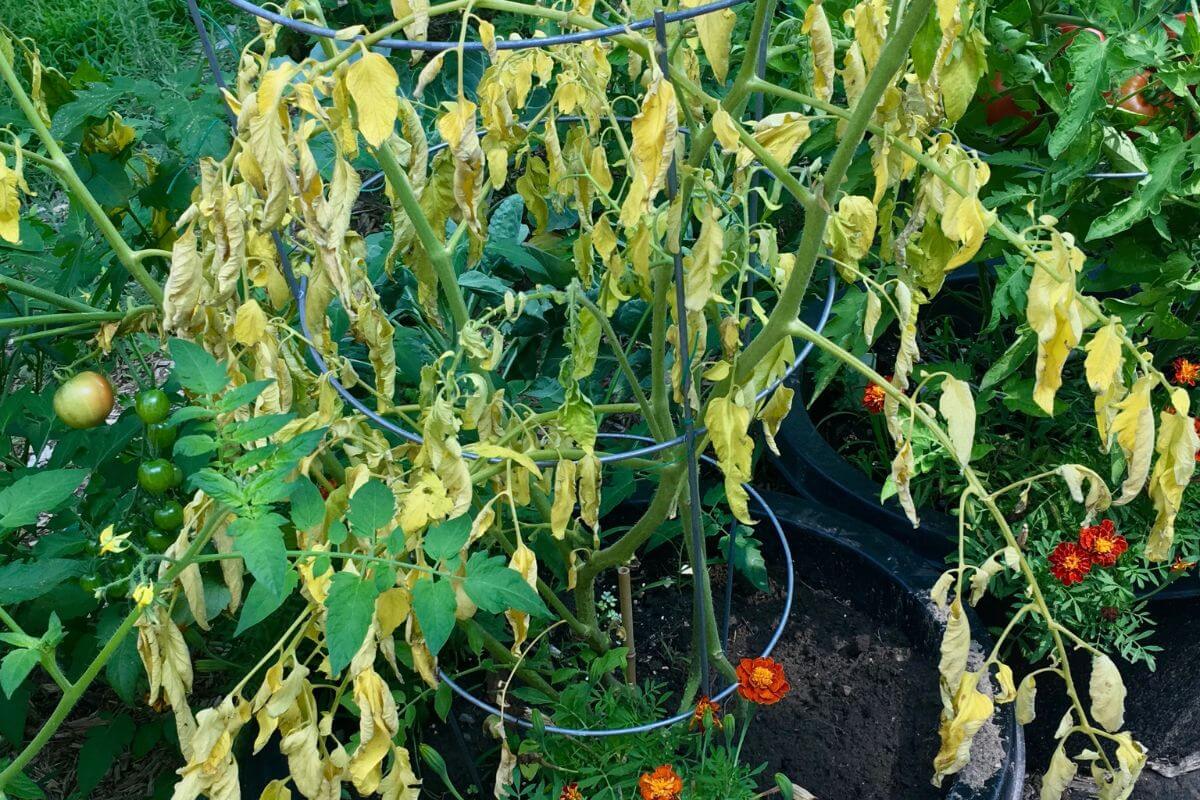
Your description of the symptoms is a little too vague to allow for a definite diagnosis. Do the leaves turn yellow before they fall, or do the symptoms begin with spots? If so, are the spots brown, or brown with yellow halos? Do the leaves actually fall to the ground, or do they simply dry up and remain attached to the plant? You also mention that the clusters are lost. Are the flowers dropping, or are the fruit clusters themselves wilting and collapsing? Even with a detailed description, accurately diagnosing tomato diseases can be challenging.
Unfortunately, there is little that can be done to cure an infected plant. The best approach is to remove diseased leaves regularly and avoid wetting the foliage when watering. For next year, I would suggest taking a break from growing tomatoes in that garden bed for a few years. I suspect that disease-causing pathogens have become well established in the soil despite your crop rotation.
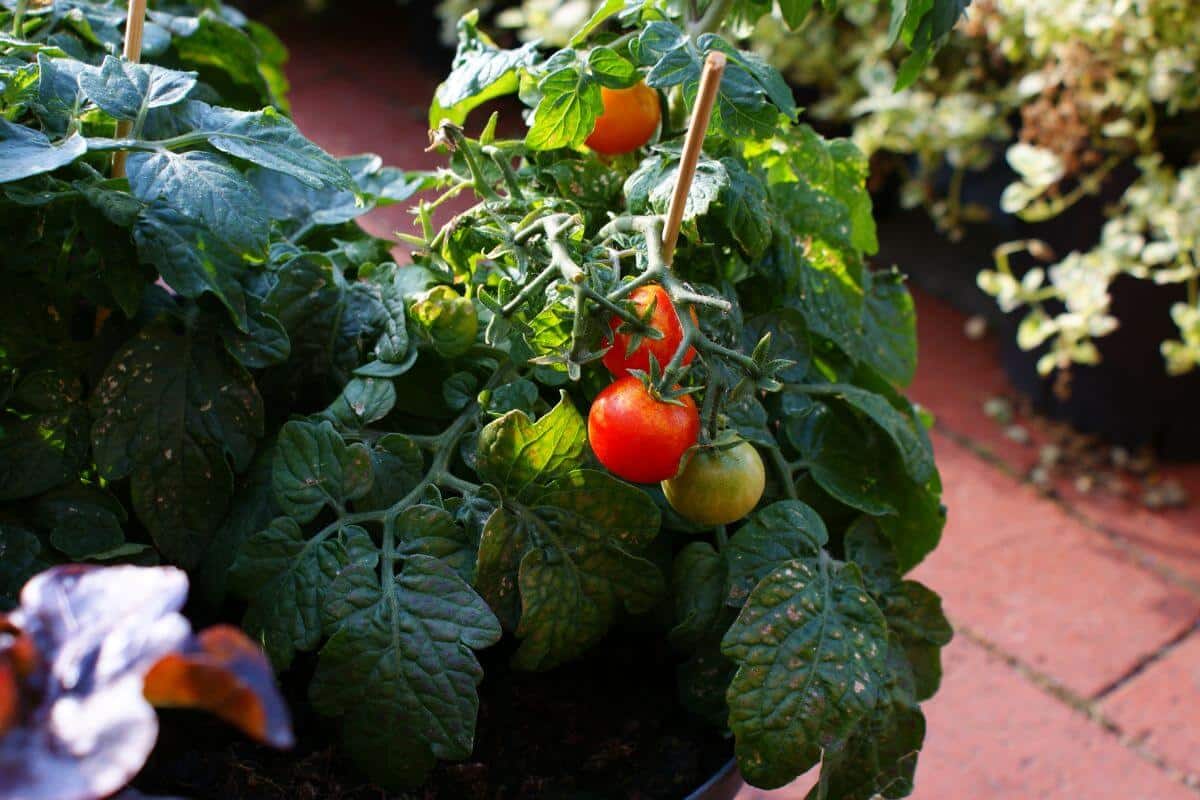
Instead, grow your tomatoes in containers on a patio, deck, or other paved area for a few years. When planting, incorporate mycorrhizal fungi into the potting mix. These beneficial fungi can promote root development and help plants better tolerate certain stresses. Also, choose tomato varieties that are known for their strong disease resistance. Finally, if possible, start your own plants from seed. Tomato transplants produced in large quantities under crowded greenhouse conditions are sometimes already carrying diseases by the time they reach the garden center.
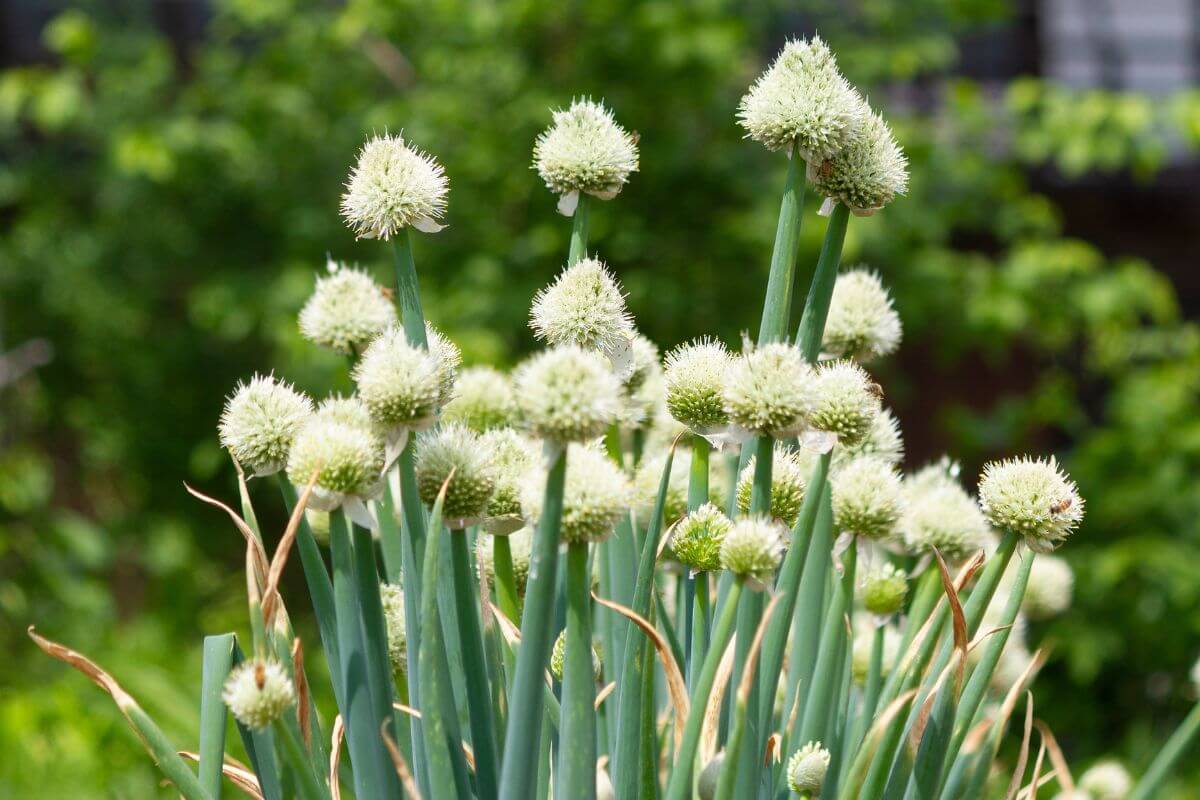
Can you eat onion and shallot flowers?
In my vegetable garden, the French shallots and a few onions are flowering. Are these stems and flower buds edible, just like those of garlic?
Answer
The flowers and flower stalks of nearly all members of the onion family (Alliaceae) are edible. This includes, of course, those of onions and shallots, but also chives, garlic chives, and even ornamental alliums (such as Allium giganteum), provided they have not been treated with pesticides. Their colorful flower heads also make a beautiful edible garnish for summer salads. Interestingly, intact flowers often have a mild, pleasant fragrance. It is only when you chop or bite into them that the cells rupture, releasing their characteristic onion flavor.
One culinary tip: unlike garlic scapes, which remain tender, the flower stalks of onions and shallots quickly become tough, hollow, and fibrous. Harvest them as soon as they emerge if you want to enjoy them at their best. Removing the flower stalk early also prevents the plant from diverting energy into seed production. Keep an eye on bulbs that have flowered—they are usually a little smaller and don’t store as well. It’s best to use them first in the fall.
Urban legend
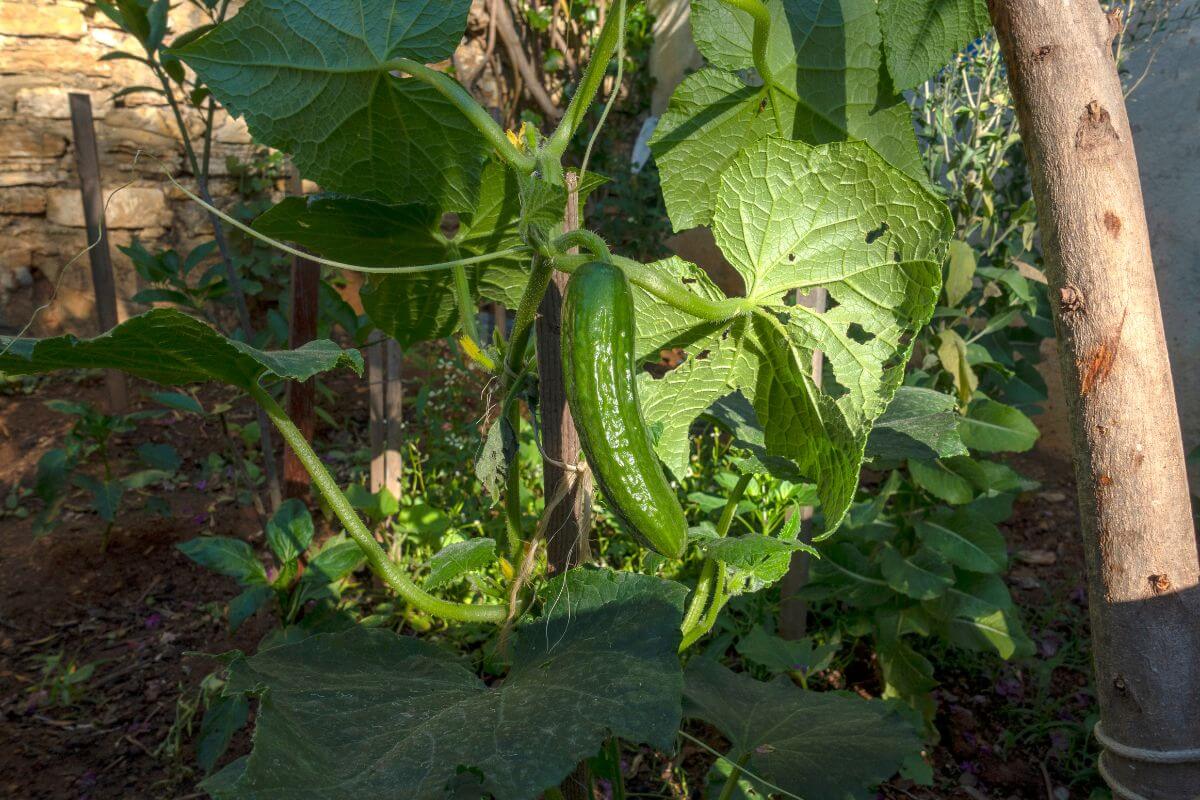
There seems to be an urban myth about Lebanese cucumbers. It’s said that you shouldn’t grow them alongside ordinary cucumbers. What do you think?
Answer
At first glance, the claim is false. You can certainly grow Lebanese cucumbers—those small, sweet, crisp cucumbers with thin skins—right alongside regular slicing cucumbers if your only goal is to enjoy fresh cucumbers all summer long.
However, this belief is rooted in a real phenomenon. Cross-pollination does not change the cucumbers you harvest this year. However, some modern Lebanese cucumber varieties are parthenocarpic, meaning they produce fruit without pollination. If these flowers are pollinated, the fruits may develop seeds, which can slightly reduce their eating quality.
The situation is different if you plan to save your own seed for next year. In that case, the two types should be kept separate. Seeds collected from cross-pollinated plants will produce hybrids, and when sown the following spring, they are likely to yield unpredictable fruits that resemble ordinary slicing cucumbers more than the delicious little Lebanese cucumbers you were hoping for.
Larry Hodgson published thousands of articles and 65 books over the course of his career, in both French and English. His son, Mathieu, has made it his mission to make his father’s work accessible to a new generation of gardeners. This article was originally published in Le Soleil.