


It’s already August, and the garden is slowly beginning to shift into a different rhythm. The days are getting shorter, even though summer is far from over. Heat waves and dry spells are still possible, but the nights can also get cooler.
Since spring, we’ve been following the tomatoes through every stage of their growth: first, by learning how to plant them properly in How to Plant Tomatoes in Containers Without Messing Up, and then by discovering how to care for them in How to Grow Tomatoes in Containers Without Becoming Their Slave. More recently, Don’t Panic: Solving Common Container Tomato Problems explained how to recognize the most common issues and distinguish real problems from the plant’s normal reactions.
We’ve now reached the final stage: fruit ripening and managing the end of the season. Although this series focuses on container-grown tomatoes, most of the following tips apply just as much to tomatoes grown in the ground.
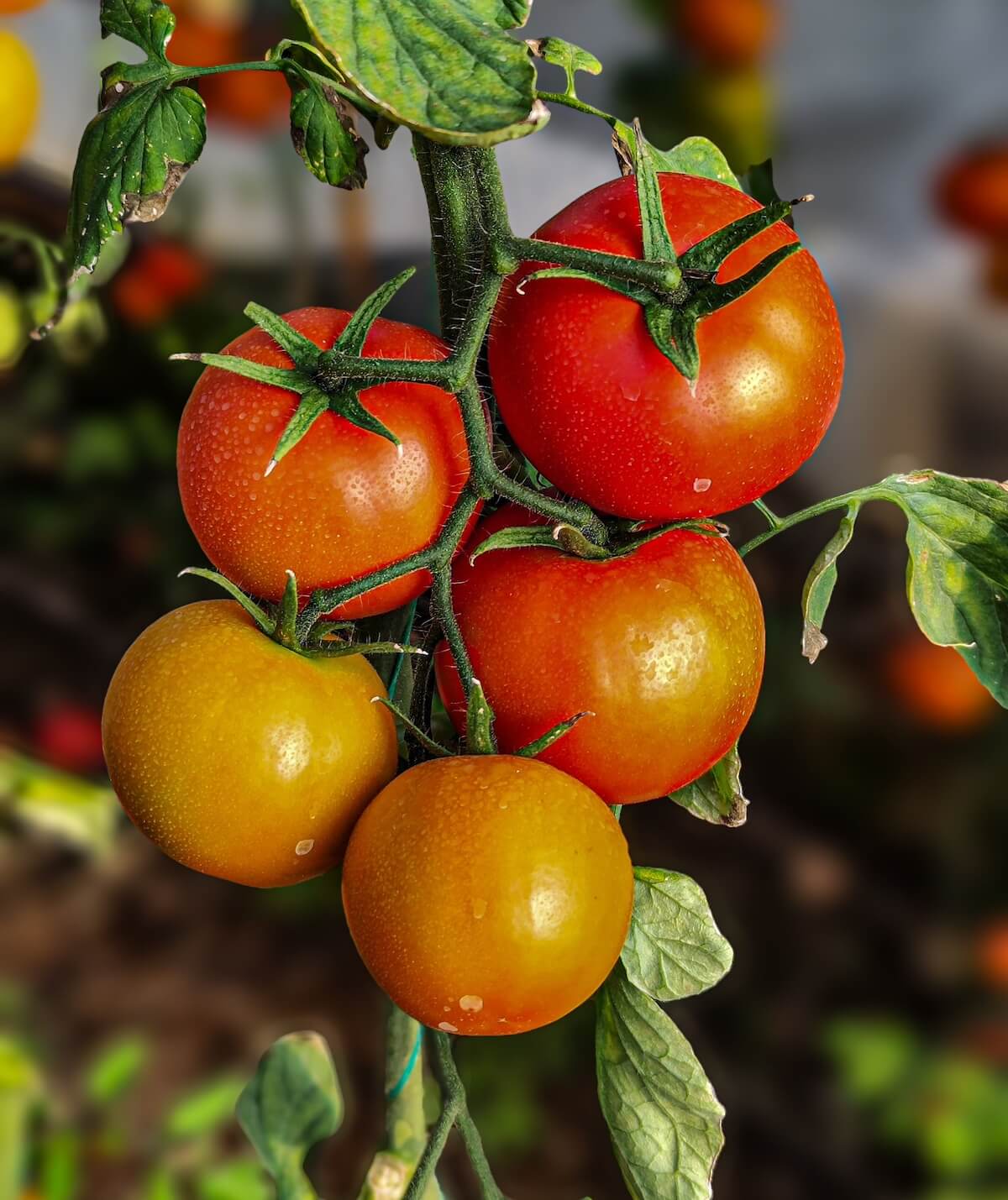
Depending on your region, the weather conditions in spring and early summer, and your planting date, your tomatoes aren’t all at the same stage. Some people are already harvesting enough to make bruschetta over and over again, while others are still looking at stubbornly green fruits, hoping they’ll finally turn red.
So the same question comes up every year: how can you make sure your tomatoes have time to ripen before the cold weather sets in?
The answer lies largely in the plant’s physiology and the influence of temperature. Although these factors are largely beyond our control, understanding how tomatoes ripen allows you to take the right steps to promote ripening and extend the harvest for as long as possible.
The end-of-summer slowdown
As nighttime temperatures begin to cool, tomato plants’ metabolism slows down. When nighttime temperatures drop below 10°C (50°F), growth is significantly reduced and fruit ripening becomes much slower. Cool nights also encourage dew formation, creating conditions favorable to fungal diseases such as late blight. Finally, shorter days mean fewer hours of sunlight for photosynthesis. Together, these factors gradually cause the plant to slow down, signaling the approaching end of the growing season.
Should you pinch off the tops of tomato plants?
It is often recommended to pinch off the main stems around mid-August, or about a month before the first frosts. The goal is to halt the plant’s growth so that it focuses its resources more on the fruit already present rather than on producing new stems, flowers, or tiny tomatoes that will never have time to ripen.
However, this practice is by no means essential. By removing the tops of the stems, you also remove leaves that are still fully functional. Even the leaves at the top of the plant continue to produce sugars through photosynthesis—sugars that are then used to ripen the fruit. Unless a plant has become much too large, retaining as much healthy foliage as possible is generally more beneficial.
A simpler approach is to pinch off new flower buds and flower clusters starting in mid-August. Since a flower usually takes 45 to 60 days to produce a ripe tomato, new flowers that appear at this time are very unlikely to bear fruit before the first frosts. You can also remove very small fruits—about the size of a pea—that won’t have time to grow larger.
This allows the plant to focus its resources more on the tomatoes that are already well-developed, while retaining all of its foliage to support their ripening.
The myth of heavy defoliation
If there’s one practice to avoid at the end of the season, it’s heavy defoliation. A persistent myth suggests that you should remove most of the leaves to expose the tomatoes to the sun and make them turn red more quickly. However, the coloring of tomatoes is primarily controlled by ethylene and temperature, not by the fruit’s direct exposure to sunlight.
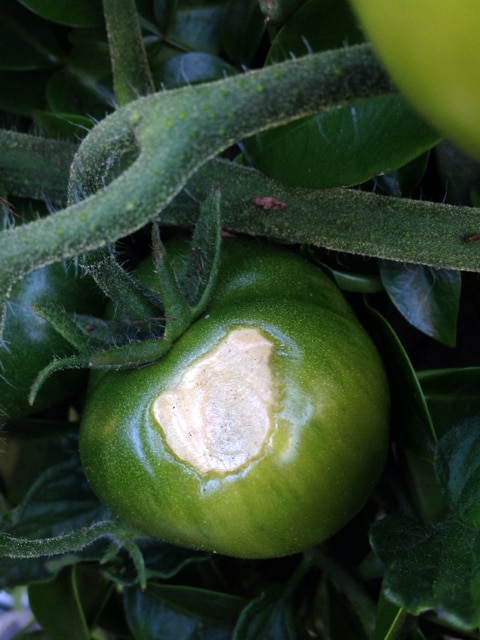
Deprived of their natural canopy, tomatoes become much more vulnerable to sunburn. The fruits may then develop large whitish or yellowish patches that later turn brown and become tough.
The leaves are the plant’s true solar panels. It is through them that the plant produces the sugars and other compounds necessary for fruit development and quality. Removing too many leaves reduces photosynthesis, depletes the plant’s energy reserves, and puts it under additional stress, particularly during hot, dry periods.
Instead, limit yourself to removing yellowed, wilted, or diseased leaves, as well as those touching the ground, to help prevent the spread of disease. The rest of the foliage is your tomatoes’ best ally until the end of the season.
The miracle of ripening
The tomato is a climacteric fruit, just like apples, bananas, pears, and avocados. Unlike non-climacteric fruits, such as strawberries and grapes, it can continue to ripen after harvest, provided it has reached a minimum stage of development known as physiological maturity, or the “green-ripe” stage.
When the fruit reaches its final size, it begins to produce ethylene, a gaseous plant hormone. This small amount of ethylene quickly triggers much greater production by the fruit itself and even by neighboring tomatoes. It’s a true biochemical domino effect.
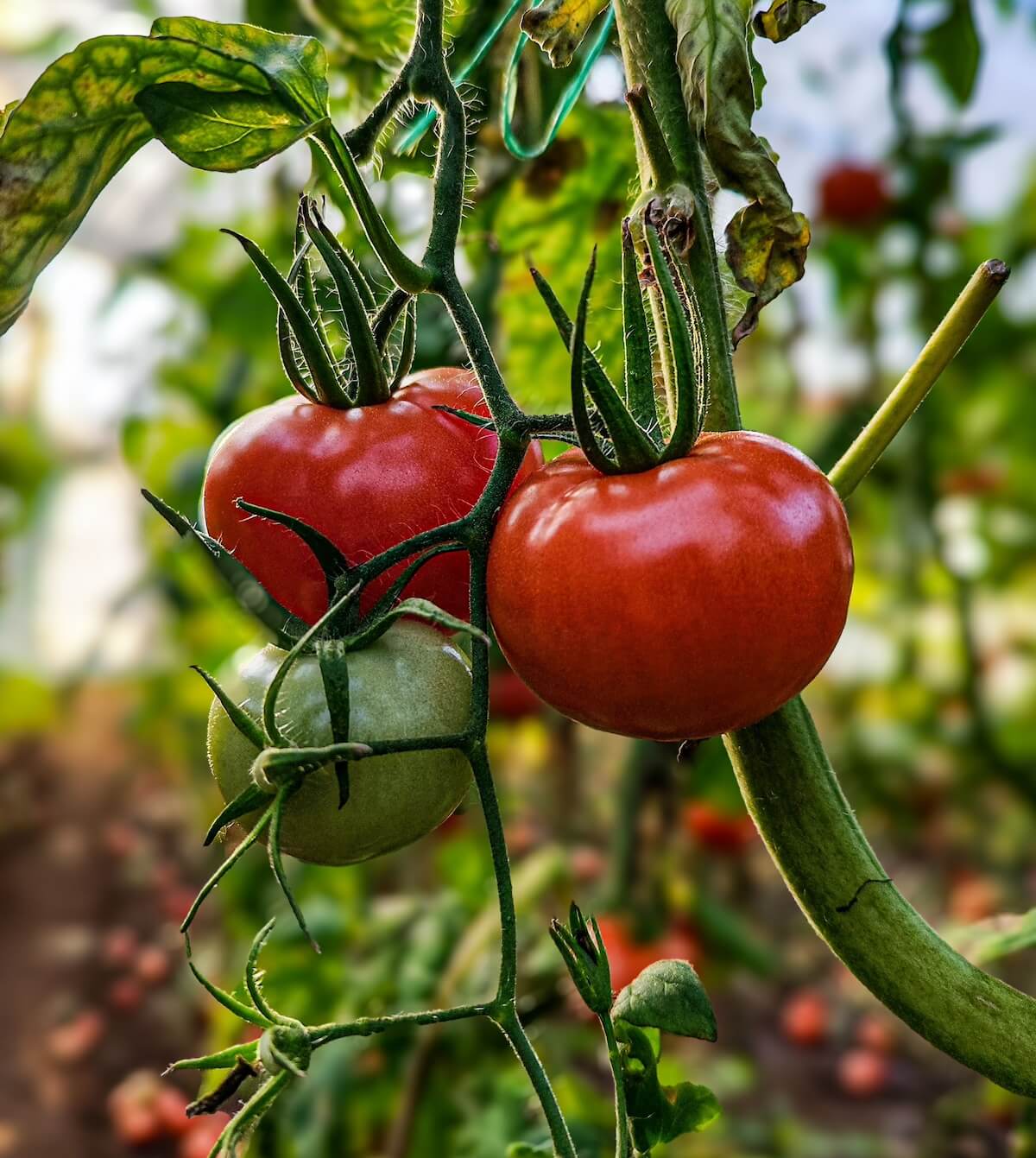
From this point on, the tomato undergoes a transformation. Chlorophyll gradually breaks down and the green pigment disappears. Lycopene, which is responsible for the red color, gradually accumulates in the tissues. Starch reserves are converted into sugars—mainly fructose and glucose—making the fruit sweeter. Acidity decreases slightly, which mellows the flavor. Finally, enzymes break down the pectins in the cell walls, giving the flesh its tender and juicy texture, while dozens of aromatic compounds develop to create the tomato’s characteristic aroma.
Lycopene and heat
Lycopene, the pigment responsible for a tomato’s red color, is particularly sensitive to temperature. Its production is most efficient between 20 and 25°C (68 and 77°F). When temperatures rise above about 30°C (86°F), lycopene production slows dramatically or may even stop temporarily. As a result, fruits may remain yellow, orange, or pale red even as they continue to ripen.
Conversely, temperatures below 10°C (50°F) considerably slow ethylene production and the ripening process. If exposure to cold temperatures continues for too long, flavor development can be compromised, and the tomatoes may never reach their full flavor potential.
Which green tomatoes can ripen?
Not all green tomatoes picked at the end of the season are created equal. To know which ones are worth harvesting, you need to distinguish between immature fruits and mature green fruits.
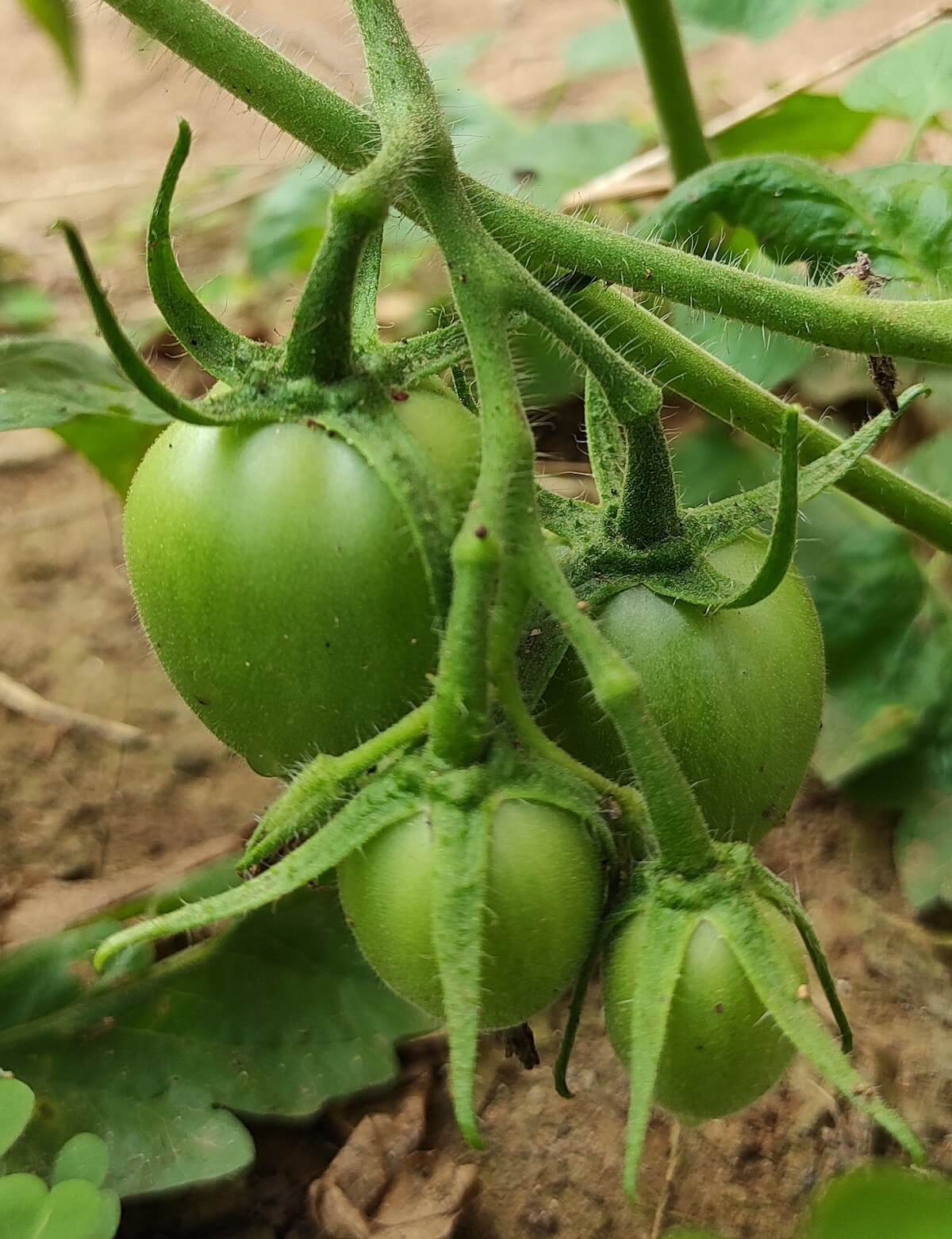
An immature tomato is still small, dark green, firm, and has not completed its development. Its ripening process has not yet begun. Even if harvested, it is unlikely to ripen properly. Instead, it is likely to remain hard, gradually wilt, or develop a pale color without ever acquiring the flavor of a ripe tomato.
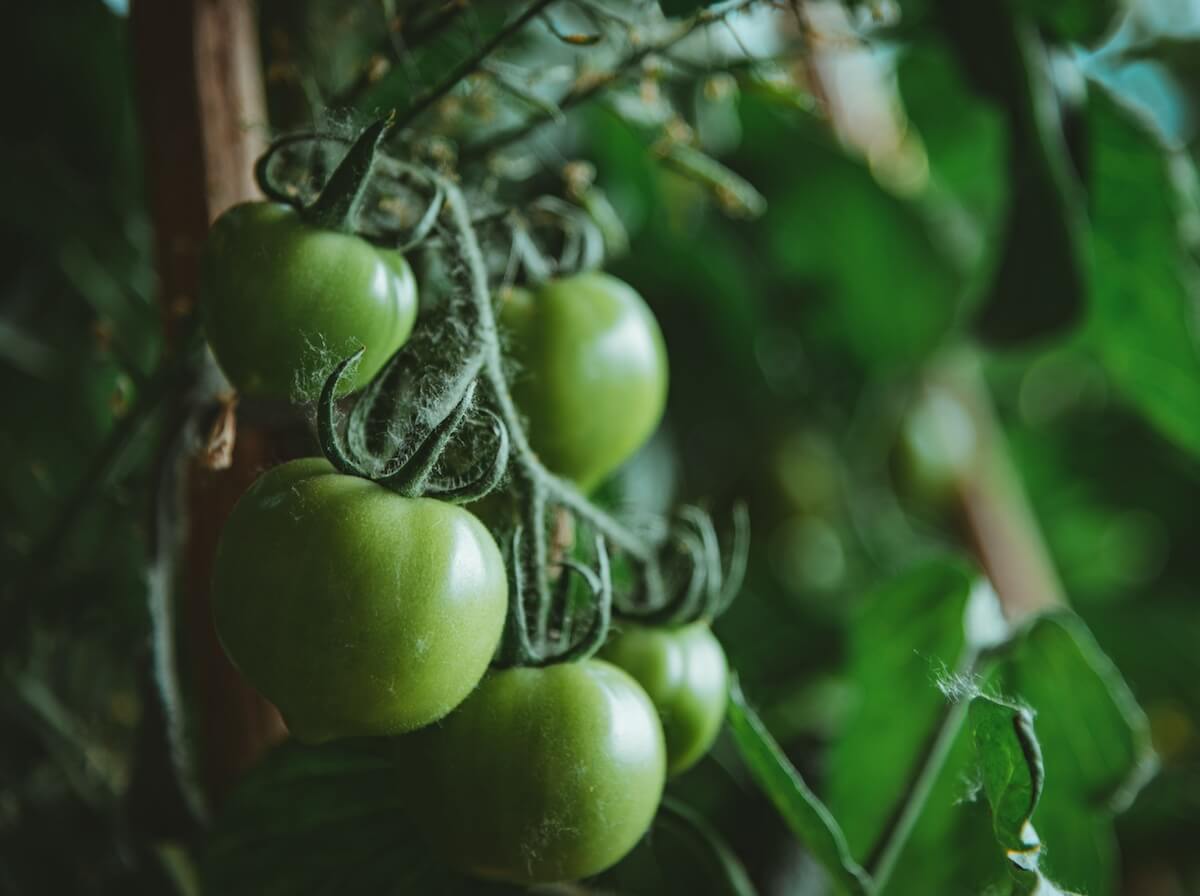
Conversely, a mature green tomato has reached its full size. Its color is generally paler—sometimes slightly whitish, translucent, or even tinged with yellow at the base of the fruit. Although it is still green, it already possesses all the physiological characteristics necessary to produce ethylene and continue ripening after harvest. These are the tomatoes worth picking before the first frosts.
How do you ripen tomatoes indoors?
If you need to harvest tomatoes that are still green as the first frosts approach, you can recreate the conditions necessary for them to ripen at home.
Place the ripe green tomatoes in a paper bag or a cardboard box. These containers trap some of the ethylene produced by the fruit while allowing for good air circulation, which reduces the risk of condensation and mold.
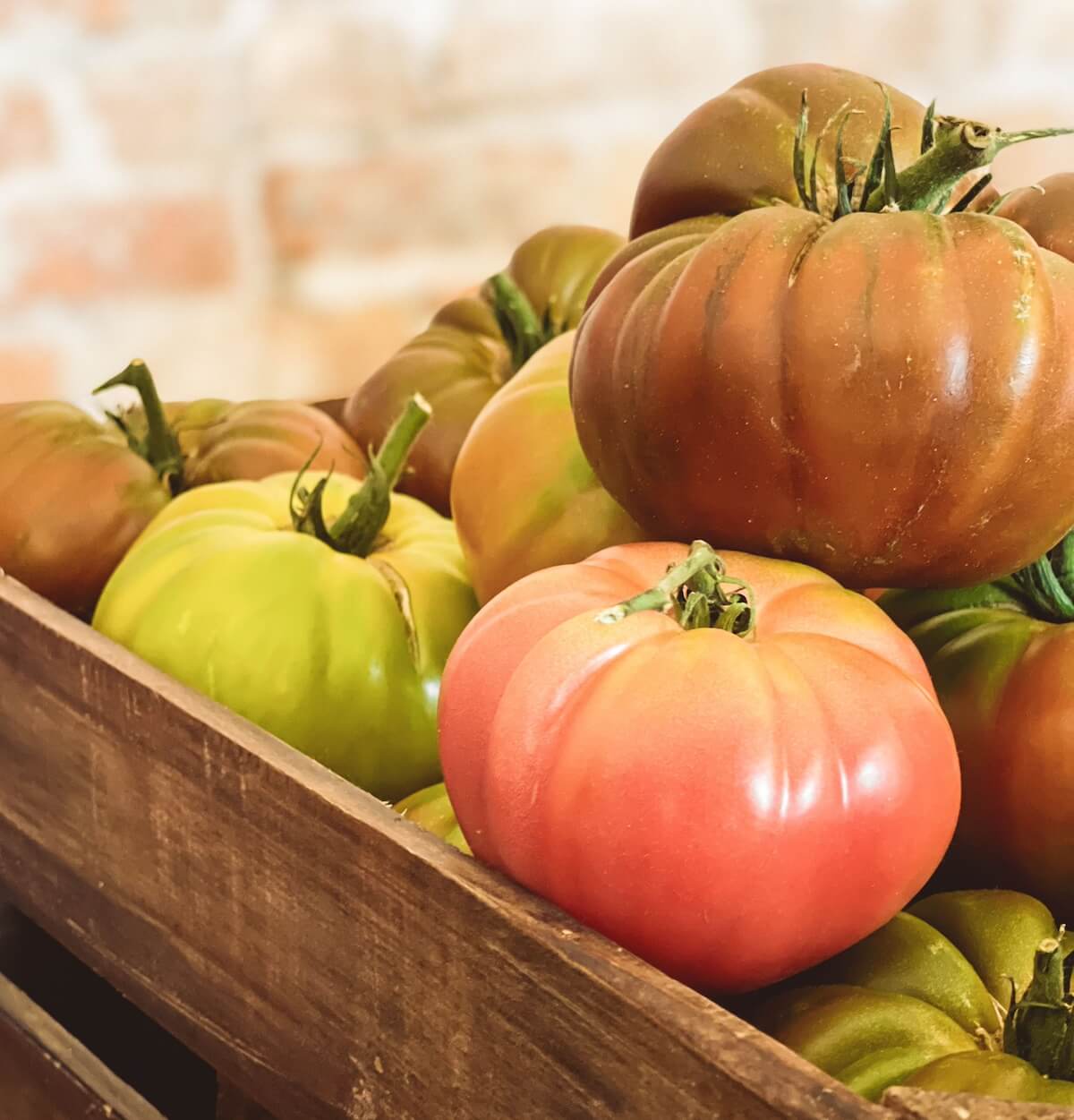
To speed up the process, add a ripe apple or banana. These fruits naturally release large amounts of ethylene, which helps stimulate tomato ripening.
Keep everything at a temperature of about 20 to 25°C (68 to 77°F), in a dry place away from direct sunlight. Check the fruit every few days, removing tomatoes as they ripen and discarding any that show signs of rot.
There’s no need to put tomatoes on a sunny windowsill. It’s not light that makes them ripen, but ethylene and favorable temperatures. Direct sunlight can actually cause the fruit to overheat and slow down its coloration.
Don’t head to the fridge!
Avoid putting tomatoes that are still ripening—or even freshly ripened tomatoes—in the refrigerator. Below about 10°C (50°F) (a refrigerator is typically set to around 4°C (39°F)), cold temperatures interfere with the processes responsible for flavor development. Even when the tomatoes are returned to room temperature, they rarely recover their full flavor.
Cold temperatures can also alter cell structure, giving the flesh a mealy texture. As for ripening, it slows dramatically or may even stop altogether while the fruit remains cold.
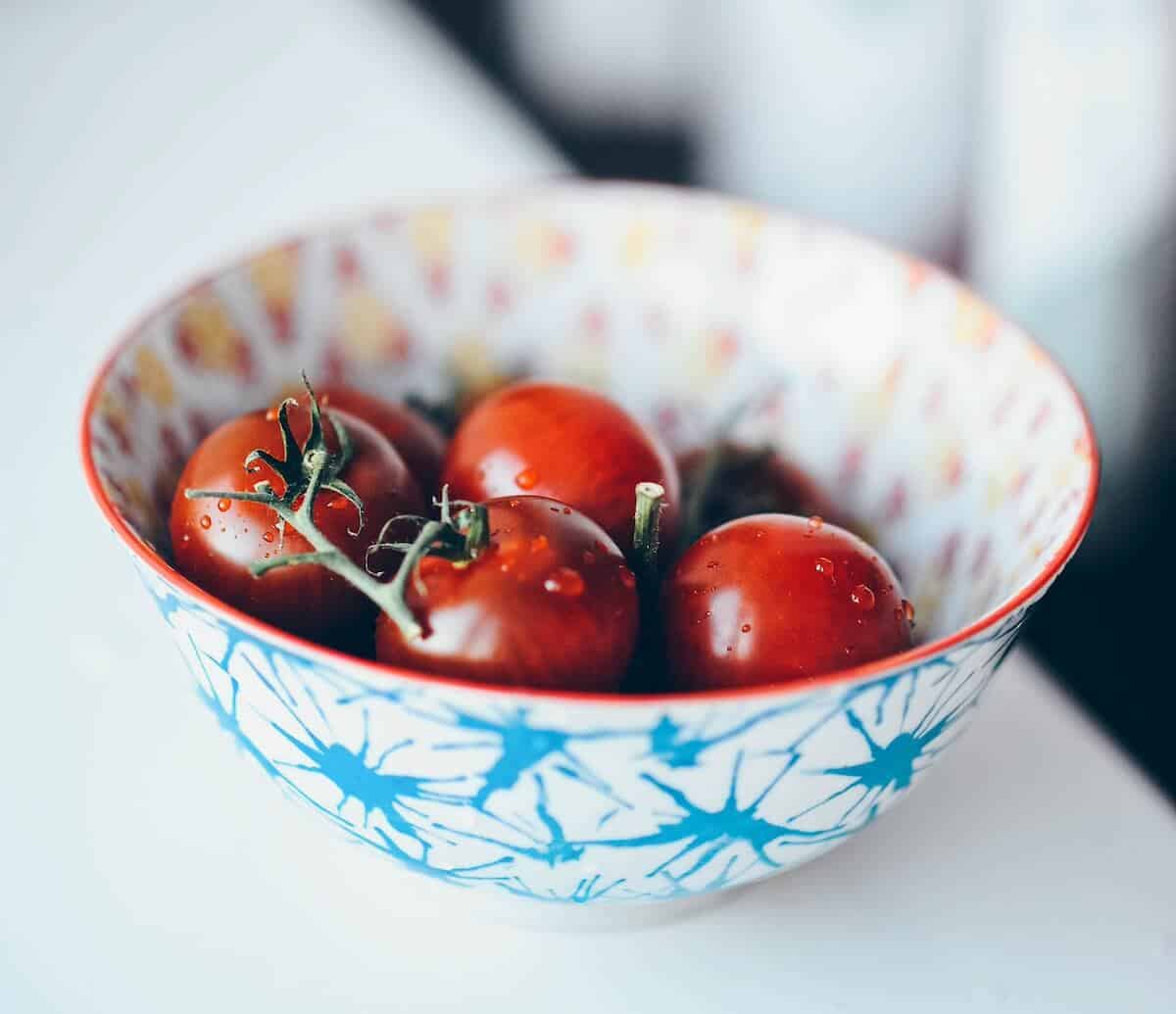
Unless the tomatoes are fully ripe and you simply want to keep them for an extra day or two, it’s best to store them at room temperature.
If you have a cool place that stays around 13 to 15°C (55 to 59°F), such as a basement or cellar, even better. Ripe tomatoes will generally keep longer there than at room temperature while retaining much more of their flavor than they would in the refrigerator. Green tomatoes, on the other hand, will ripen more slowly at these temperatures.
Tips for extending the growing season in your vegetable garden
Before putting your stakes away for the winter, keep in mind that you can often extend your harvest by a few weeks with just a few simple steps.
- If you’re growing your tomatoes in containers, bring them into a garage, shed, or any other sheltered area when particularly cold nights are forecast.
- For plants in the ground, protect them with a floating rowcover, winterizing fabric, or even an old blanket during cool nights. These covers can help maintain a few precious degrees of warmth and delay the first signs of cold damage.
- Once the fruits are well developed, you can slightly reduce watering, but be careful not to let the plants wilt. This mild stress can encourage the tomatoes to ripen rather than produce new shoots.
- Harvest the tomatoes as soon as they start to turn pink or take on an orange hue. They’ll finish ripening indoors while being protected from the elements, which also allows the plant to focus its resources on the fruits that are still green.
With a little luck—and good weather—these simple steps will let you enjoy fresh tomatoes for several more weeks.
What should you do with green tomatoes that will never ripen?
All is not lost for unripe tomatoes! As the first frost approaches, it’s time for the final harvest. Pick all the fruit still on the plants and set aside any diseased, cracked, or severely damaged tomatoes to discard or compost them far from the vegetable garden. Diseased fruits can harbor fungi, bacteria, or other pathogens that may survive in the plant debris and contaminate next year’s crops. Severely damaged tomatoes, on the other hand, often rot before they have time to ripen.
Next, sort the green tomatoes, separating the mature green ones—which can finish ripening indoors—from the immature green ones, which are unlikely to ever turn red.
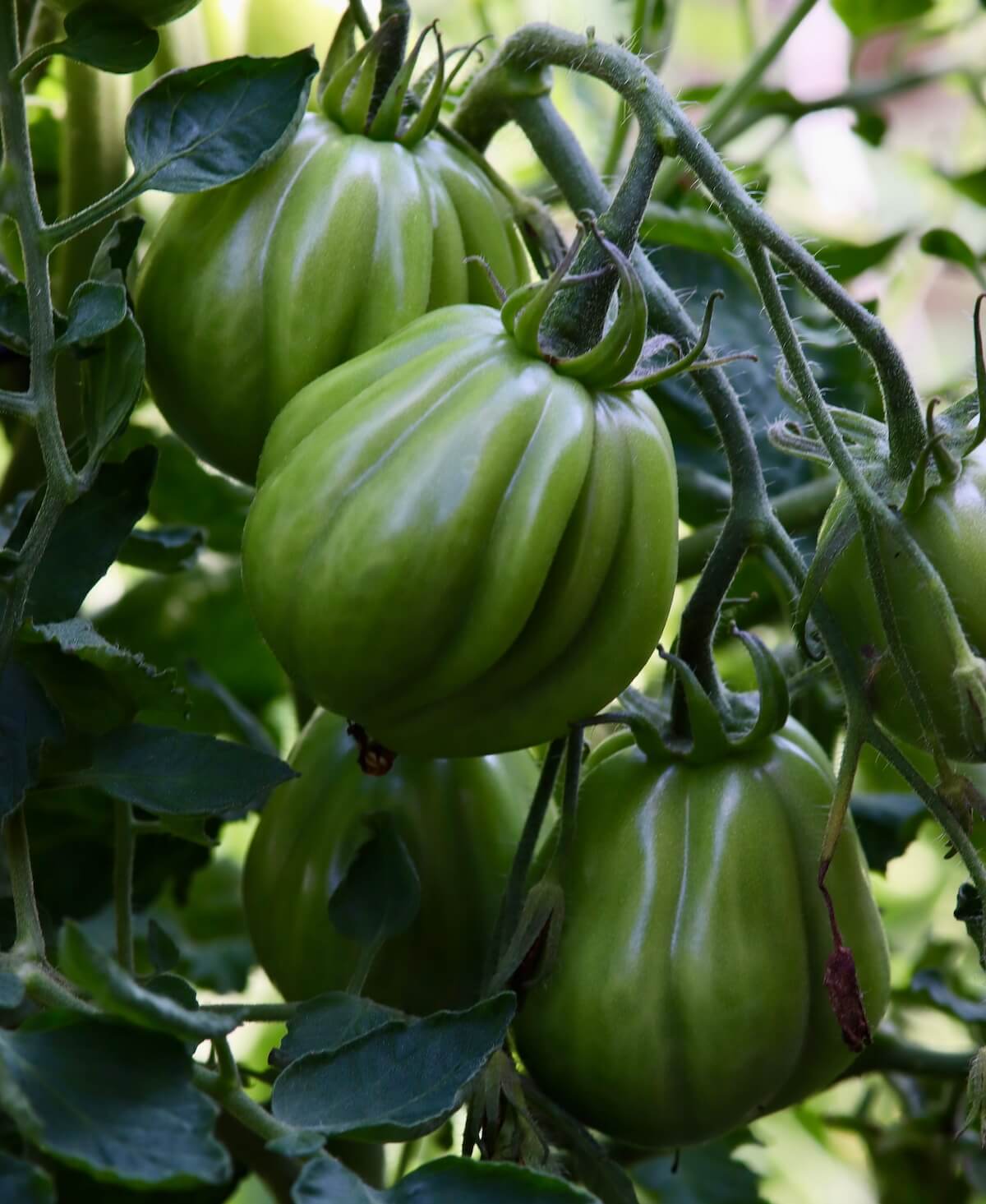
As for these small, unripe tomatoes, don’t throw them away! Their tartness and firm texture make them excellent ingredients in the kitchen. They’re perfect for making green ketchup, green tomato relish, marinades, or even green tomato chutney.
A wonderful adventure comes to an end… until next spring
What an adventure! Whether they grew in containers on a balcony or right in the garden, our tomatoes were sown indoors in the middle of winter, pampered for weeks, transplanted, and then tended to throughout the summer.
They survived heat waves, torrential rains, diseases, insects, and all the surprises the weather had in store for them. Today, they end up in our salads, sandwiches, and sauces—or straight into our mouths.
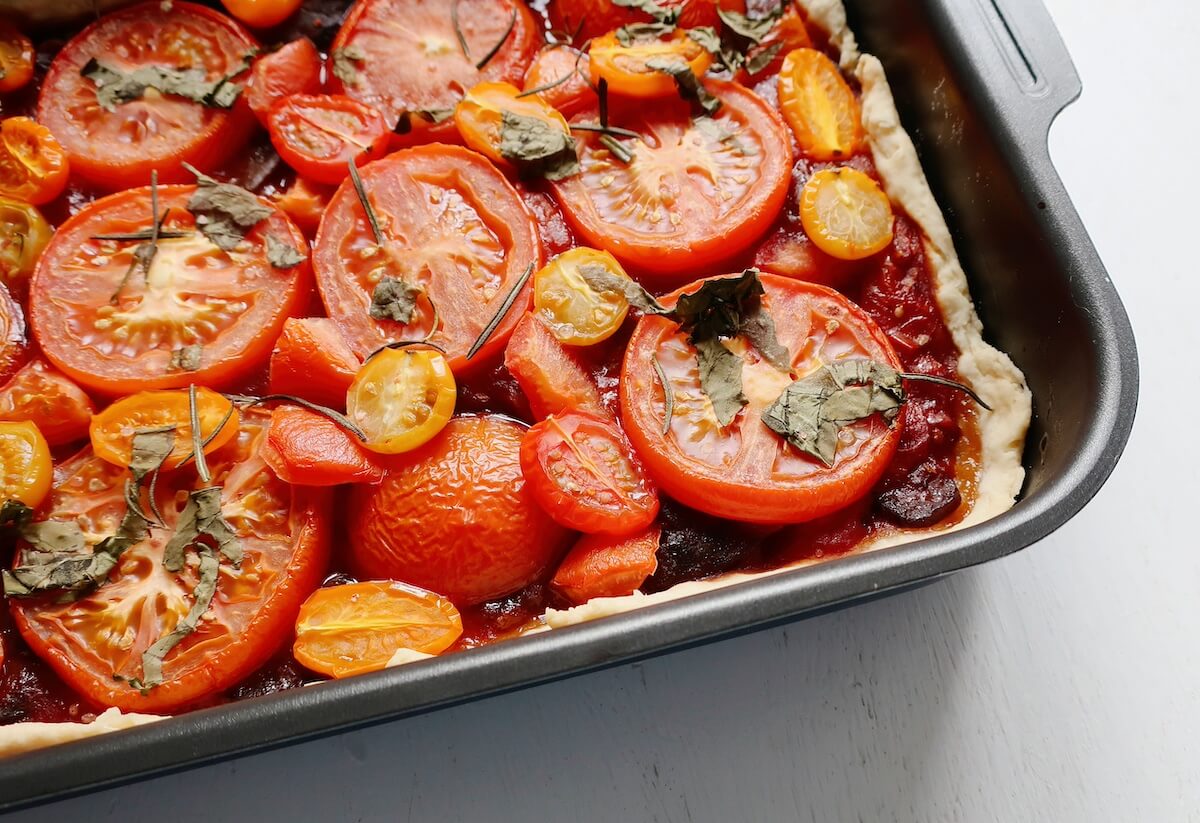
Was all that effort worth it? Judging by the enthusiasm of gardeners who start all over again every spring, the answer seems obvious.
After all, growing tomatoes isn’t complicated once you understand how they work. By knowing how they grow, ripen, and respond to weather conditions, it becomes easier to step in at the right time—and, above all, to let nature take care of the rest.