


Question
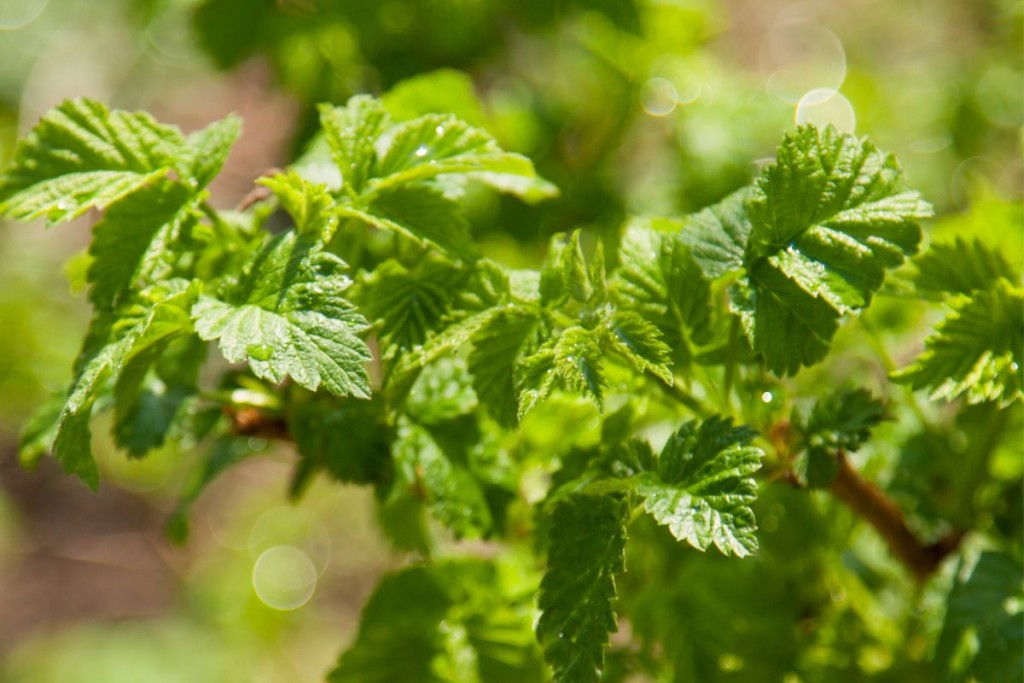
About 5 years ago, I moved my raspberry bushes from one end of the garden to another, and they don’t fruit. They flower well, but nothing ripens. Do you have an explanation?

Answer
Presumably, if your raspberry bushes are flowering well, growing conditions must be acceptable. So why don’t they bear fruit? We can’t blame the absence of pollinating insects, as raspberry plants can self-pollinate if necessary (although the fruit is puny and not very tasty). I think the problem is that your plants have become infected with viruses.
There are many viruses that infect raspberry plants. Often, a virus-infected plant looks quite normal, but is a little shorter and less vigorous than before. It may also have curled, yellowish or streaked leaves. Almost always, low-yielding plants turn out to be infested with not one, but several viruses. These viruses are carried by biting insects, then spread rapidly from plant to plant by root-to-root contact.

Once a colony is infested, there’s nothing to do but uproot it and start again with new plants placed elsewhere in the field, as the soil will also be contaminated. Always buy certified virus-free plants and avoid planting your raspberry bushes near brambles or wild raspberries, which almost always carry viruses.
Further Information
- Check soil pH: The ideal pH for raspberries is between 5.5 and 6.5. Soil that is too alkaline or too acidic can interfere with fruiting. Carry out a soil analysis and adjust the pH if necessary with amendments such as sulfur or lime.
- Weather conditions: Late frosts can damage flowers, preventing fruiting. Make sure raspberry bushes are protected from late spring frosts.
- Nutrients: A lack of certain nutrients, particularly potassium, can affect fruit production. Use a balanced, organic fertilizer or compost to ensure adequate nutrition.
- Watering: Raspberry bushes need regular watering, especially during flowering and fruiting. Soil that is too dry or too wet can affect fruit production. Maintain constant humidity without overwatering.
- Planting density: Raspberry plants planted too close together can suffer from poor air circulation, increasing the risk of disease and reducing fruit production. Space plants properly to ensure good aeration.
- Sun exposure: Raspberry bushes need full sun to produce abundant fruit. Make sure they get at least 6 to 8 hours of sun a day.
- Suitable pruning: Proper pruning is crucial. Prune raspberry bushes by removing old branches that have already produced fruit, and thin out new shoots to allow better air circulation and sunlight. Raspberries can produce fruit on second-year canes for summer-bearing varieties or on first-year canes for fall-bearing varieties.
Larry Hodgson published thousands of articles and 65 books over the course of his career, in both French and English. His son, Mathieu, has made it his mission to make his father’s writings accessible to the public. This text was originally published in Le Soleil newspaper in 2006.