
A “moss” resistant to salt and compaction
I have a garden in front of my house without a lawn (perennials, trees, and shrubs). Does heath pearlwort tolerate salt and compaction well? I would like to sow some seeds.

Answer
Heath pearlwort (Sagina subulata), also known as Scottish moss or Irish moss, is a small ground cover plant that resembles moss but produces tiny white flowers in the spring. This proves that it is not a moss, as true mosses are early plants and do not flower.
Sadly, while heath pearlwort tolerates being walked on to a certain extent, it is not very tolerant of actual compaction or salt. Instead, I suggest smooth rupturewort (Herniaria glabra), which forms an equally low but less domed carpet. It does not flower significantly, but its foliage is a beautiful green throughout the summer and slightly brownish in winter. It covers the ground better than sedum and does not tend to die in patches like sedum. Perfectly hardy (zone 4), hairy rockcress is mainly available as seed.

Sol trop sablonneux
Last year, I bought a house built on very sandy soil. All the plants are growing in sand. What can I do to give my plants more vitality?
Answer
The problem with sand is that the soil is often very dry (unless the water table is close to the surface), because water drains quickly through sand. In addition, sand is generally very poor and, moreover, does not retain the minerals that are added to it. Fertilizer also passes through and ends up polluting lakes, rivers, and groundwater. Plants therefore lack both water and minerals.

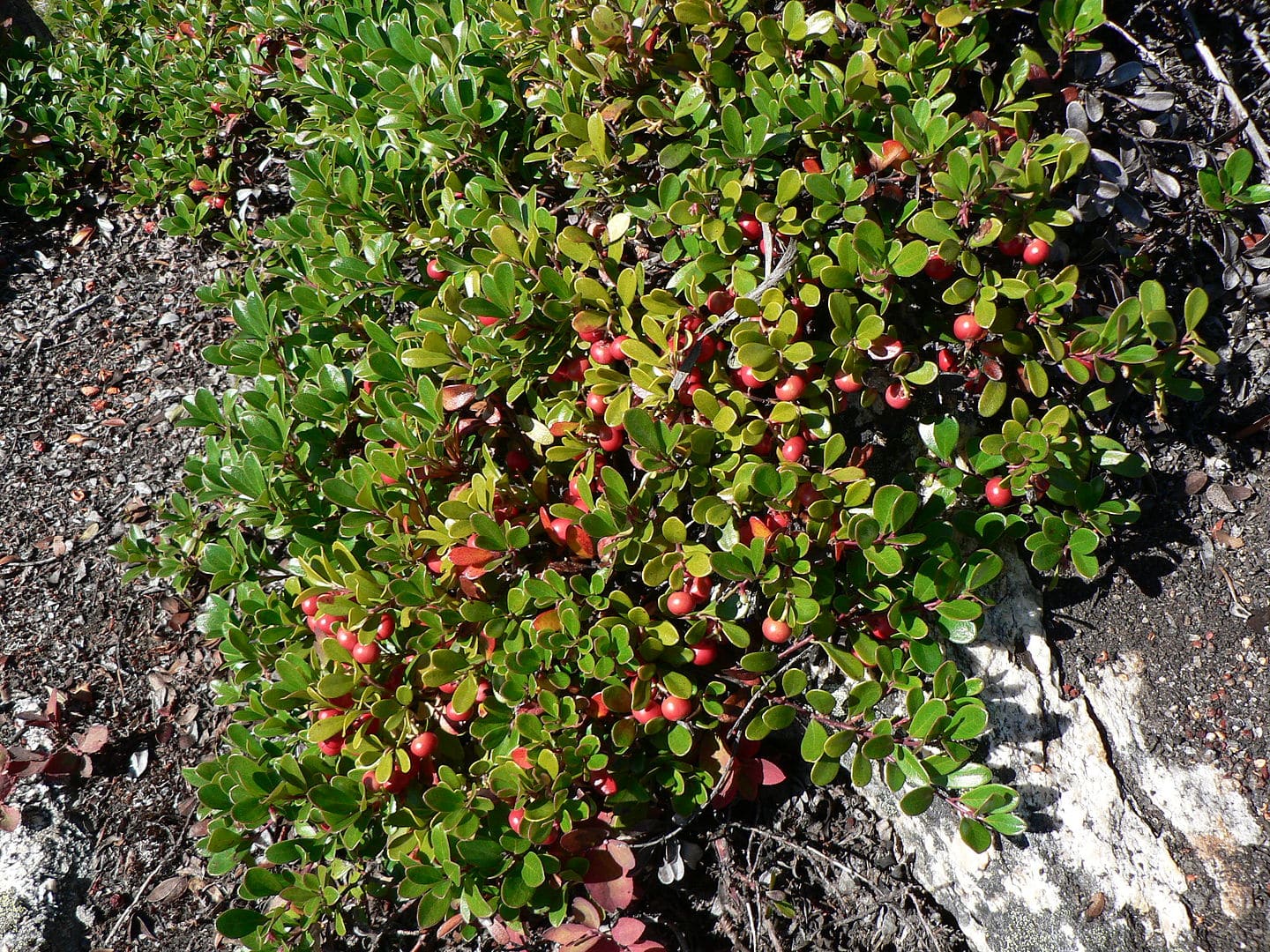
The most obvious solution is to plant plants that tolerate dry, poor soil! Mugwort (Artemisia spp.), sweetfern (Comptonia peregrina), junipers (Juniperus spp.), silverberry (Elaeagnus commutata), cinquefoil (Potentilla spp.), bearberry (Arctostaphylos uva-ursi), rugosa rose (Rosa rugosa and its hybrids), silver buffaloberry (Shepherdia argentea), fragrant sumac (Rhus aromatica), thyme (Thymus spp.), soapweed yucca (Yucca glauca) and any plant with silvery foliage will adapt well to sand and do not require a lot of minerals to grow well. However, even these drought-resistant plants will need watering during their first year to establish themselves properly.

A Good Layer of Mulch
Again, mulching your existing plants with mineral-rich mulch, such as forest mulch (forest compost), shredded leaves, ramial chipped wood (RCW), cocoa shells, etc., will gradually increase the amount of organic matter in the soil as it decomposes. Avoid purely ornamental mulches such as cedar mulch, which do not add much to the soil. The advantage of mineral-rich mulch over mixing organic matter directly into the soil is that mulch lasts longer and is easy to add more, whereas organic matter added to sandy soil is quickly depleted and difficult to replace without digging everything up and starting over.

Adding Organic Soil
Finally, if you really love lush green grass and flower beds, you will never get them in sand. You need to recreate a new environment directly on top of the sand. To do this, add 12 inches of good soil (no black soil or other junk!) over the entire surface and plant in this new layer of soil. This will create a naturally richer environment that is better able to retain rain than sand alone. Maintain this new “topsoil” by mulching with the products mentioned above. Some of the best soils in the world consist of sandy subsoil covered with a thick layer of topsoil rich in organic matter: your goal is to recreate such an environment.
Larry Hodgson has published thousands of articles and 65 books during his career, in both French and English. His son, Mathieu, has made it his mission to make his father’s writings accessible to the public. This text was originally published in Le Soleil.
I’ve been trying out this platform recently and honestly, I’m really impressed. The variety of games and smooth experience make it stand out compared to others I’ve used before. Definitely worth checking out https://glorycasinokr.kr/