
Unusual and beautiful, fritillaries shine by their originality. Between the crown imperial and the snake’s head fritillary, there’s a whole universe to discover!
Related to lilies (Lilium sp.), fritillaries (Fritillaria sp.) form a very varied group. The flowers form more or less open bells of variable size. The color of the flowers can vary from greenish-white to dark purple, through bright yellow, orange and red. But the great beauty of fritillaries also lies in the bicolored flowers, like the plum-colored flowers with yellow margins of Michailovsky’s fritillary (F. michailovskyi) or the variegated checkerboard-like flowers of the popular snake’s head (F. meleagris). The flowers can be single and solitary or grouped in clusters of more than twenty flowers. As for the foliage, it offers as many variations as the flowers.
Present in many countries spanning Europe and Asia, they are also found on the Pacific coast of the United States and in Alaska. There are approximately 168 different species, and only a handful of these are suitable for Canadian gardens. The others are made to be admired in their natural environment. Thus, it’s quite easy to find your way around when you’re interested in fritillaries that are suited for gardens.
The Two Popular Ones: The Small One And The Large One
Amidst the rainbow of tulip, hyacinth, crocus and daffodil bags in the garden center, it’s easy to spot two very distinct species. The first is the Crown Imperial (Fritillaria imperialis) and the other is the Snake’s head (F. meleagris). One is Hardy (the big one) and the other is Laurel (the small one).
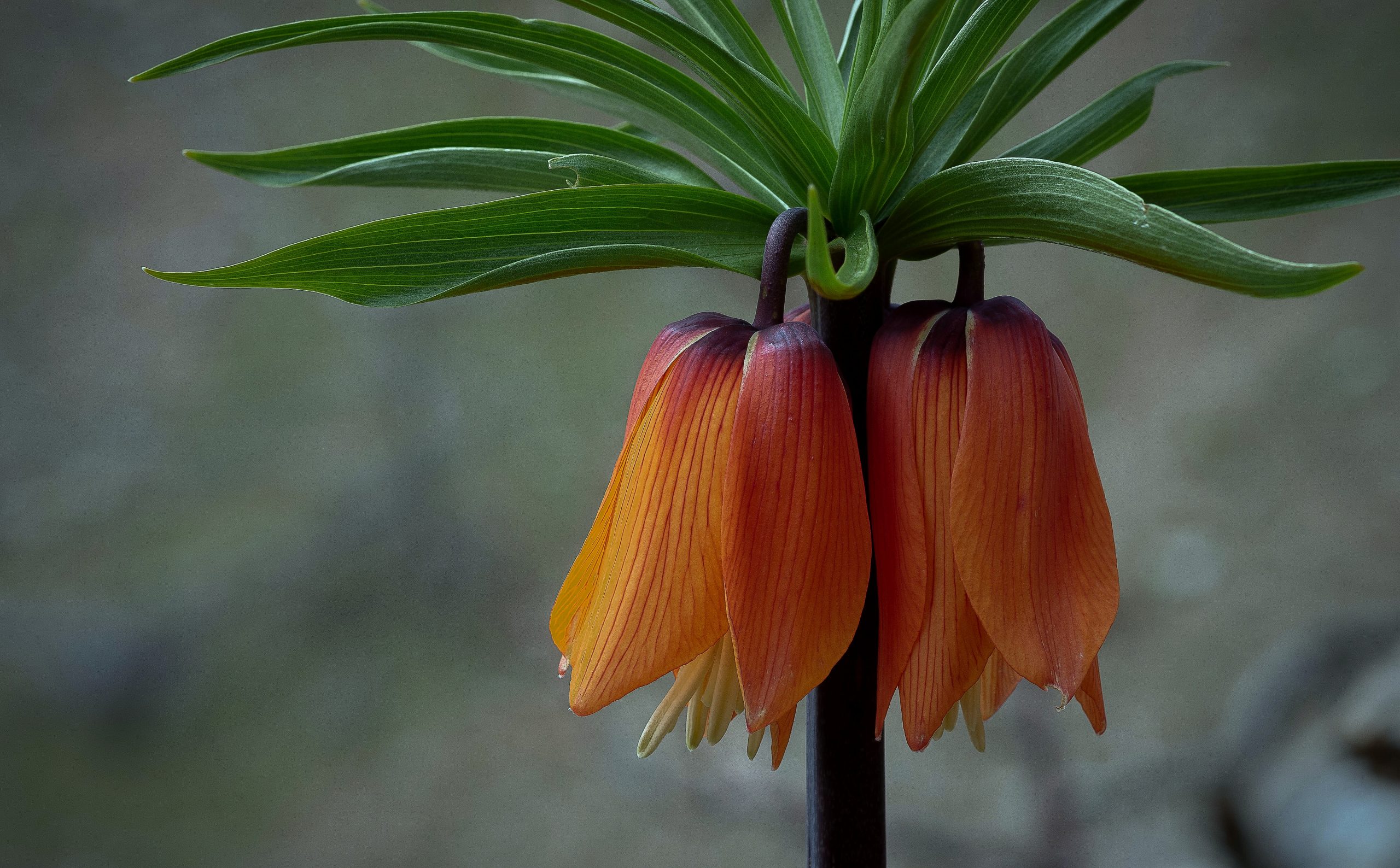
Crown imperial is one of the largest fritillaries. It can reach over a meter (40 inches) in height. It thrives in full sun and moist, loose soil. That said, the ideal location would be a spot that receives sun in spring to stimulate flowering, but is shaded the rest of the year to keep the soil cool. The bulb has a distinctive scent that is said to repel rodents. The crown imperial’s bloom is spectacular and unique. The pendulous flowers appear in spring at the end of a long flower stalk. The cluster of flowers is crowned by a rosette of leaves, hence its name. The most popular variety has orange flowers, but imperial fritillaries are occasionally found with yellow or red flowers.
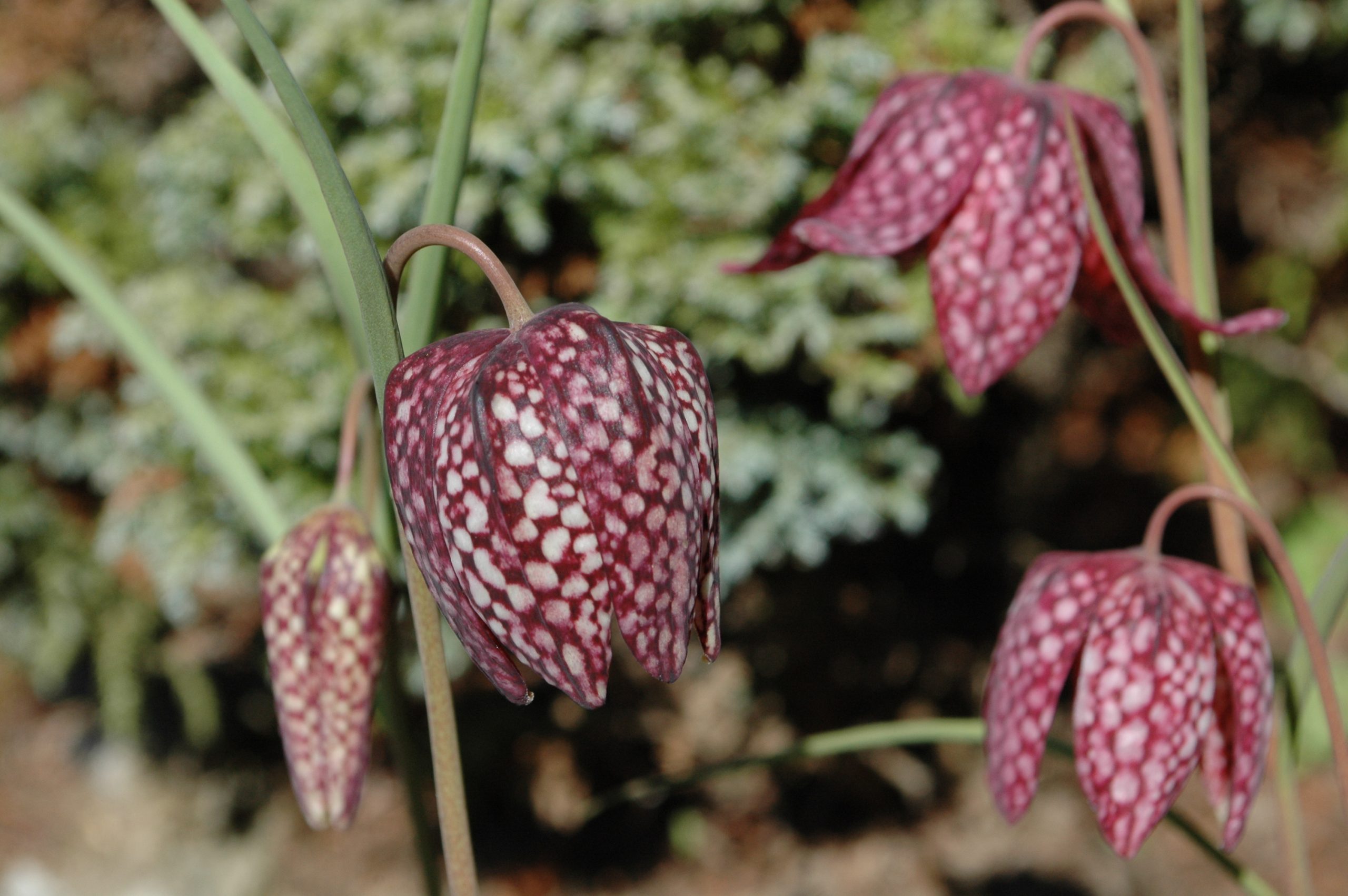
On the other side, we discover the snake’s head, no taller than 30 cm (12 inches), with its speckled flowers. In spring, each bulb produces one or two hanging flowers, purple-red in color and checkered, like a checkerboard. On very rare occasions, the flowers can be white. This fritillary prefers semi-shaded locations, as it likes it cool in summer.
Collectors’ Corner
You may occasionally be lucky enough to come across other interesting fritillaries for the garden, but they are rarer. You may have to resort to mail orders to obtain them.
Michailovsky’s fritillary (F. michailovskyi) grows to no more than 15 cm (6 inches) tall. The upturned bell-shaped flowers are purple, almost brown, with an egg-yellow border. This is a good fritillary that has a long life in my garden. It has returned faithfully in my garden for almost 10 years.
The Persian fritillary (F. persica) has an upright habit and grows to about 75 cm (30 inches) in height. It flowers as a long cluster of burgundy flowers.
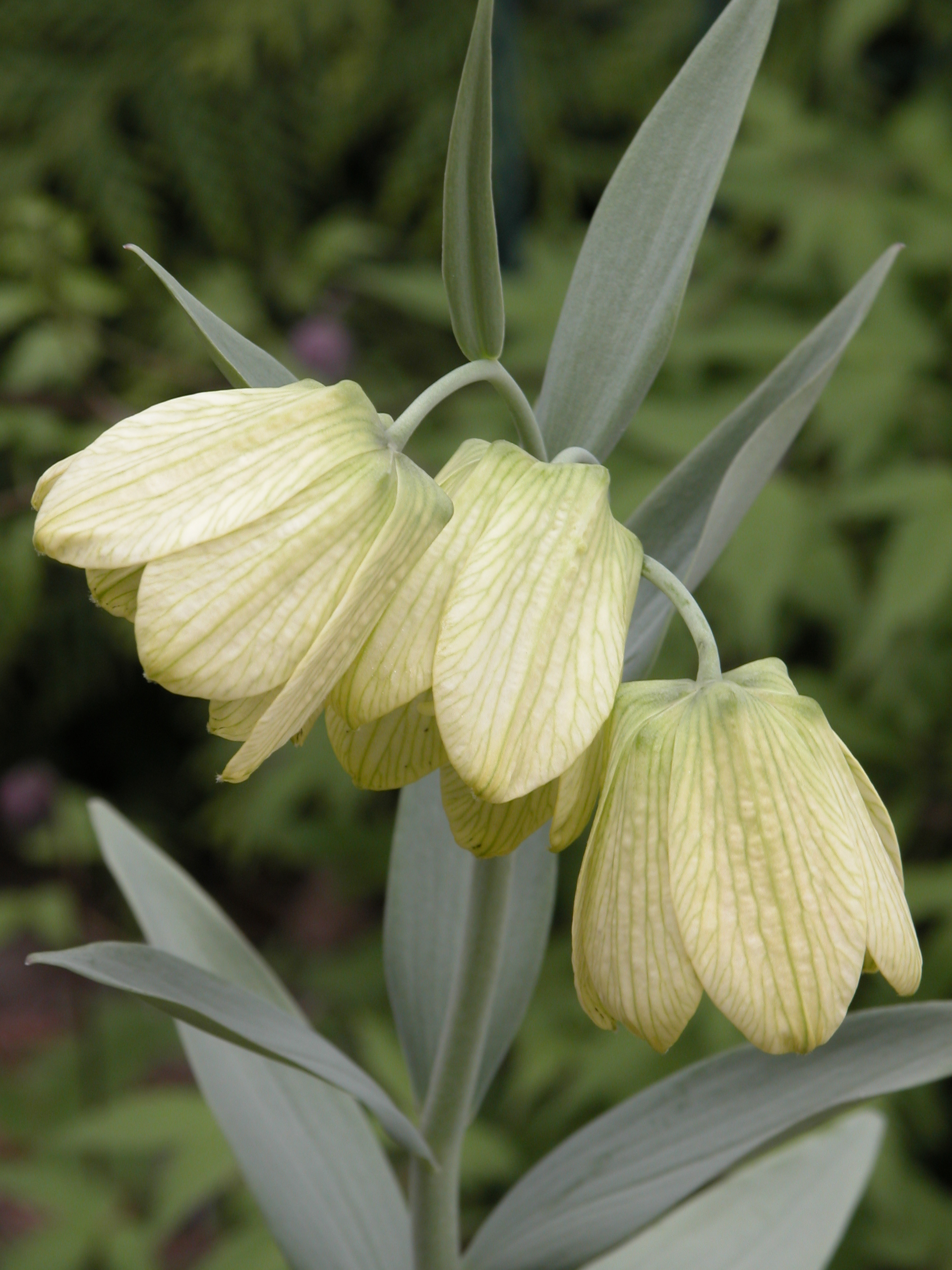
The pale-flowered fritillary (F. pallidiflora) is my favorite variety. In my garden it’s the most faithful variety, growing back every year for almost 25 years. Measuring between 30 and 45 cm in height, the foliage is a beautiful grayish-green. The flowers are a unique color; a mixture of white, cream and green.
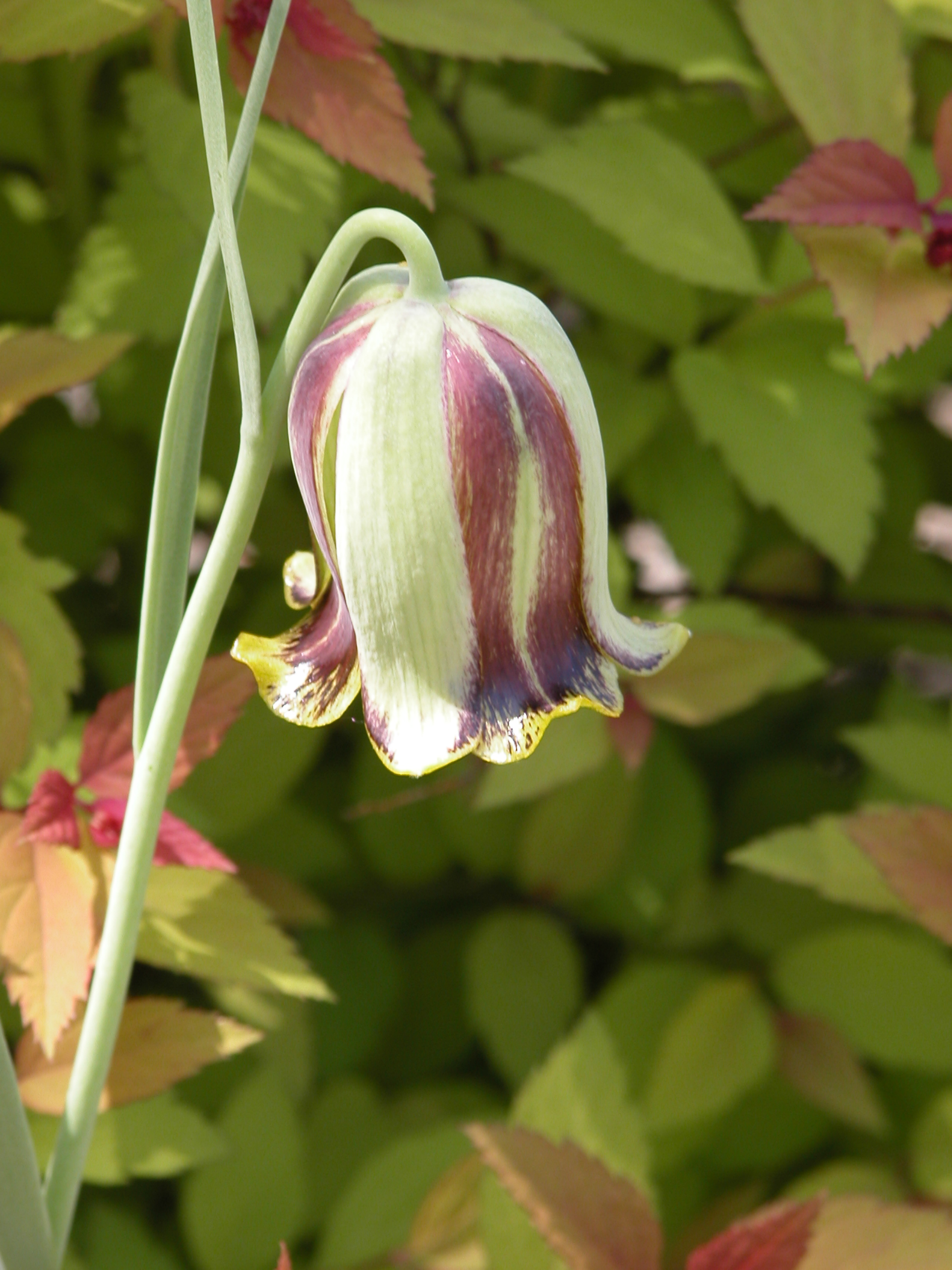
The pointed-petal fritillary (F. acmopetala) is a bit of a reverse version of Michailovsky’s fritillary, as the same colours are this time arranged in vertical lines along the petals.
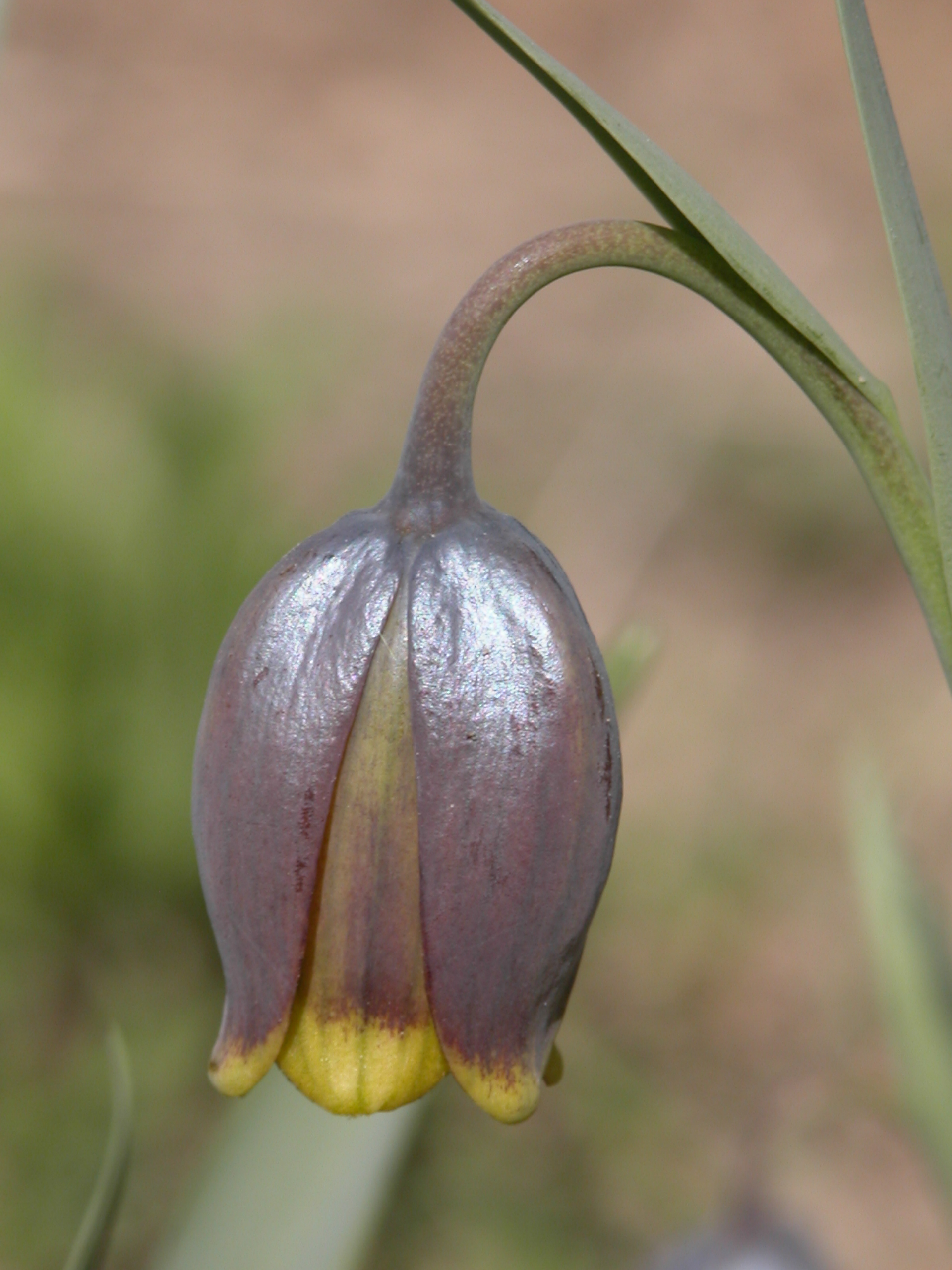
With a name as curious as its flower, the fox’s grape (F. uva-vulpis) is quite similar toMichailovsky’s fritillary in the size and in color of the flowers.
Why Are There So Few Fritillaries in Northern Gardens?
The reason is quite simple: fritillaries are known for being difficult to grow and short-lived. For example, our two most popular fritillaries are hardy to zone 5, and if the soil isn’t rich and loose, crown imperials won’t thrive.
Also, the bulbs are quickly damaged. To obtain fresh bulbs, you must buy them as soon as the first bulbs arrive in stores and plant them immediately. Left in the open air, fritillary bulbs dry out fast and lose their vitality.
The Secrets of Planting
Fritillaries prefer well-drained and light soil. Planting depth varies between 10 and 20 cm (4-8 inches), depending on the size of the bulbs. It is also recommended to tilt the bulb slightly to allow water to flow between the bulb scales. As mentioned, drainage is essential, and fritillary bulbs are often lost to rot and overwatering.
In spring, when the foliage begins to emerge from the soil, apply a dose of granular fertilizer to stimulate foliage development. The more beautiful the foliage, the more spectacular the blooms will be. After flowering, the foliage dies naturally and the plant goes dormant until next spring.
Fritillaries aren’t the perfect plant to create large flowerbeds of 100 or more bulbs! They are small curiosities that should be placed in well seen spots among other plants in the garden. Their unique color is sure to pique your interest.
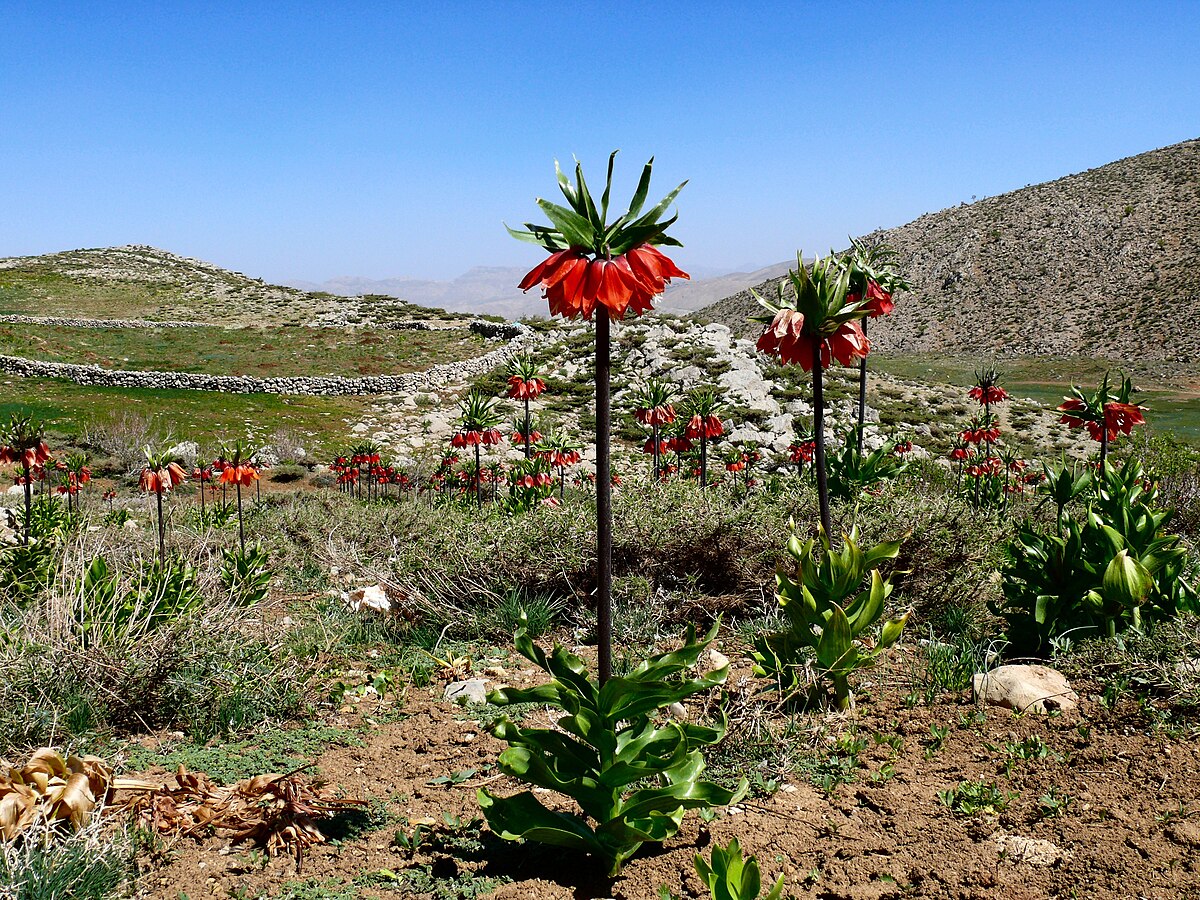
That last photo speaks abundantly as to why fritillaries are sometimes hard to grow in regular garden soil. It’s all about drainage. In southern Alberta we can grow many fritillary species if planted on a slope or in a rock garden. Both the giant and the snakeshead do very well for me in zone 3B in these conditions.