


Yeah… it’s me again. Your garden.
Hey… things are pretty busy at your place! I can hear you getting banging around in the house with your seed trays. And your grow lights that turn on at 6 a.m… I’d almost need sunglasses.
I know what you’re thinking: “Well, it’s March, it’s spring, the snow will melt, we’ll be able to garden, yay!”
Whoa, calm down!
I just spent the whole month of February celebrating. Seed exchanges here, seed festivals there!
I’m still half frozen!
And now you show up with your shovel! Give me at least a couple of weeks after the snow melts so you don’t compact everything with your big boots!
And as if that weren’t enough, even nature is starting to make noise! The compost is starting to swarm, roots are moving, sap is rising, the birds are starting to sing… the only thing missing is a bear, for crying out loud!
Everyone is getting busy again while I’m still trying to sleep it off in peace!
Look, I’m really glad you’re starting to get ready for me—keep it up… but could you speak a little more quietly?
We’ll talk again when there’s no more snow. Not before!
Seedlings

- Finalize your indoor sowing plan: March marks the real start of the sowing season. Adjust your plan according to the space you have available, your lighting, your outdoor planting dates… and the seeds you bought on impulse at a seed festival! You can do this on graph paper, in a spreadsheet on your computer, or even using an online platform.
- Organize your seeds: Before buying seeds at your local seed swap, sort through the ones you already have and find a way to organize them, such as in a seed binder.
- Test the germination of your old seeds: Before sowing, do a simple test on damp paper towels to check if the seeds are still viable. In a few days, you will know if you can use them or if it is better to buy new ones.
- Prepare your sowing materials: Before you start sowing indoors, gather everything you need: seeds, containers, trays, domes, labels, watering can, and, most importantly, good potting soil for seedlings. Many of these items can be found around the house.
- Clean your pots and containers: Wash and disinfect your pots to prevent disease when you plant your next seeds.
First sowing and maintenance
- Give your seeds cold treatment: some perennials, trees, shrubs, and even annuals only germinate well after a period of cold exposure. January and February are the ideal time to start stratification in the refrigerator or outdoors, to obtain beautiful seedlings ready for transplanting in the spring.
- Sow plants that like an early start: The indoor sowing season begins slowly in March. Be careful: many gardeners start too early, resulting in tall, spindly plants. The goal is to have young, vigorous plants for accelerated growth outdoors. Here are some seeds to sow in early March and mid-March.
- Transplant first seedlings: Very early seedlings sown in February will often need to be transplanted into larger pots.
- Begin gentle fertilization of seedlings: As soon as the first true leaves appear, fertilize lightly with a very diluted fertilizer.
- Adjust seedling lighting: As the days get longer, check the height of the lamps and provide 14 to 16 hours of light per day.
- Water the seedlings regularly, checking the soil every 2 to 3 days.
- A quarter turn for your seedlings: Turn the trays a quarter turn each time you water them, or at least once a week, to prevent the plants from leaning toward the light.
Ornamental garden
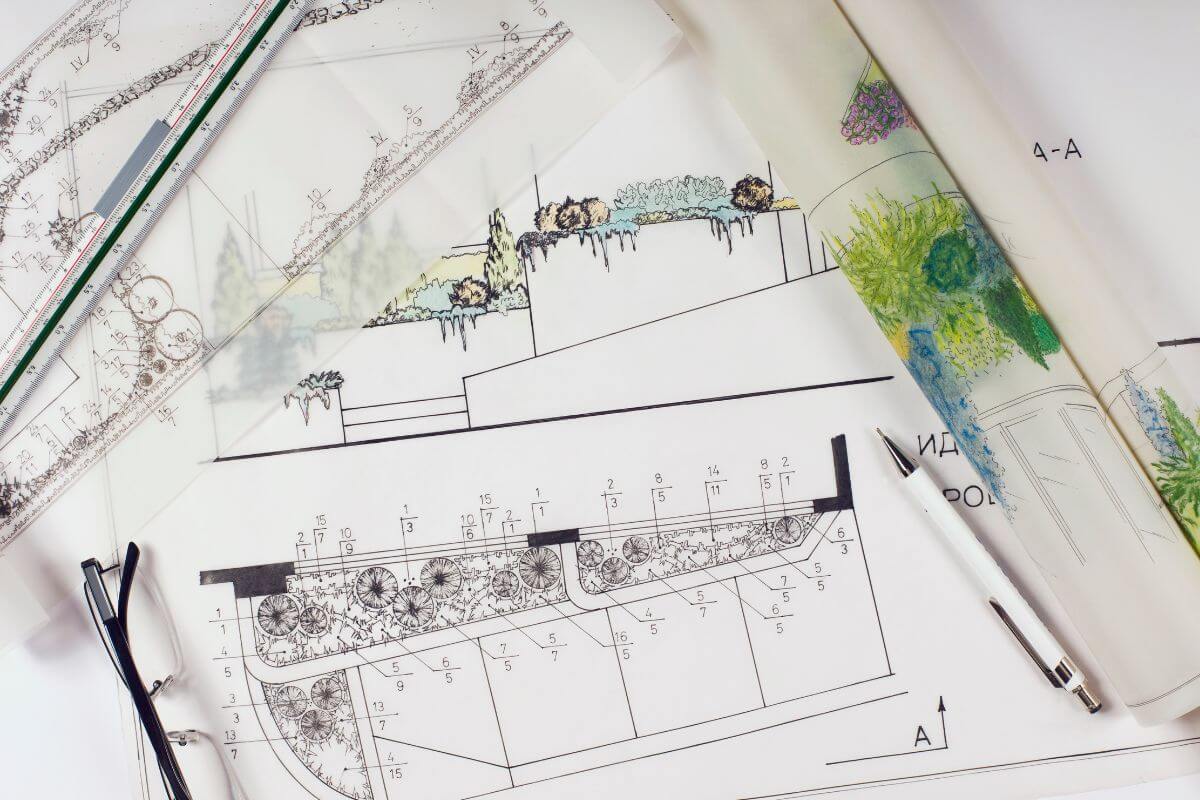
- Reflection and planning: Take advantage of the quiet month of January to analyze your garden and think about improvements you could make. Go back and look at your garden notes and photos to see what worked well—and what didn’t—dream up new plantings, then write down your ideas or sketch out plans for your flower beds and landscaping for next season.
- Prepare a plan of your garden: Sketch plans by hand.
- Plan your purchases of perennials, shrubs, and trees: March is the ideal time to prepare your lists before the spring rush.
- Buy your summer bulbs: Summer bulbs, such as tuberous begonias, cannas, calla lilies, dahlias, gladioli, etc., may arrive in garden centers in February. Rooted cuttings of annuals are also available, to be repotted at home.
- Take cuttings from annual plants: At the beginning of fall, you may have brought in cuttings from annuals such as pelargoniums, begonias, impatiens, and coleus to keep them safe during the winter. The goal is simple: to keep them alive so you can replant them in the spring. At the end of February, you can start taking cuttings and propagating these young rooted plants.
Branches and bulbs
- Force branches for an early spring: Can’t wait for spring to arrive? Did you know that you can “force” branches from spring-flowering trees and shrubs to bloom early indoors? This technique works for all trees and shrubs that bloom in spring, such as willows, forsythias, serviceberries, magnolias, ornamental almonds, and fruit trees. They can be forced as soon as their buds begin to swell. They also bloom very quickly when forced, often within a week.
- Prune your trees… in snowshoes: the best time to prune most trees is early spring, before budburst, to promote faster healing. In winter, with abundant snow, access to medium-sized trees for pruning is easier with snowshoes. In April, access is more limited once the snow has melted.
- Start summer bulbs indoors: Dahlias, cannas, and tuberous begonias can be potted up to get a head start on the season.
- Make a sketch of where your bulbs are planted: Spring-flowering bulbs are only available in stores starting in September. They are therefore planted in the fall. But how can you remember where your existing bulbs are so you don’t plant them in the same place? Simple, just make a plan of their location when they are in bloom in the spring. Or, even easier, take pictures!
Plantes d’intérieur
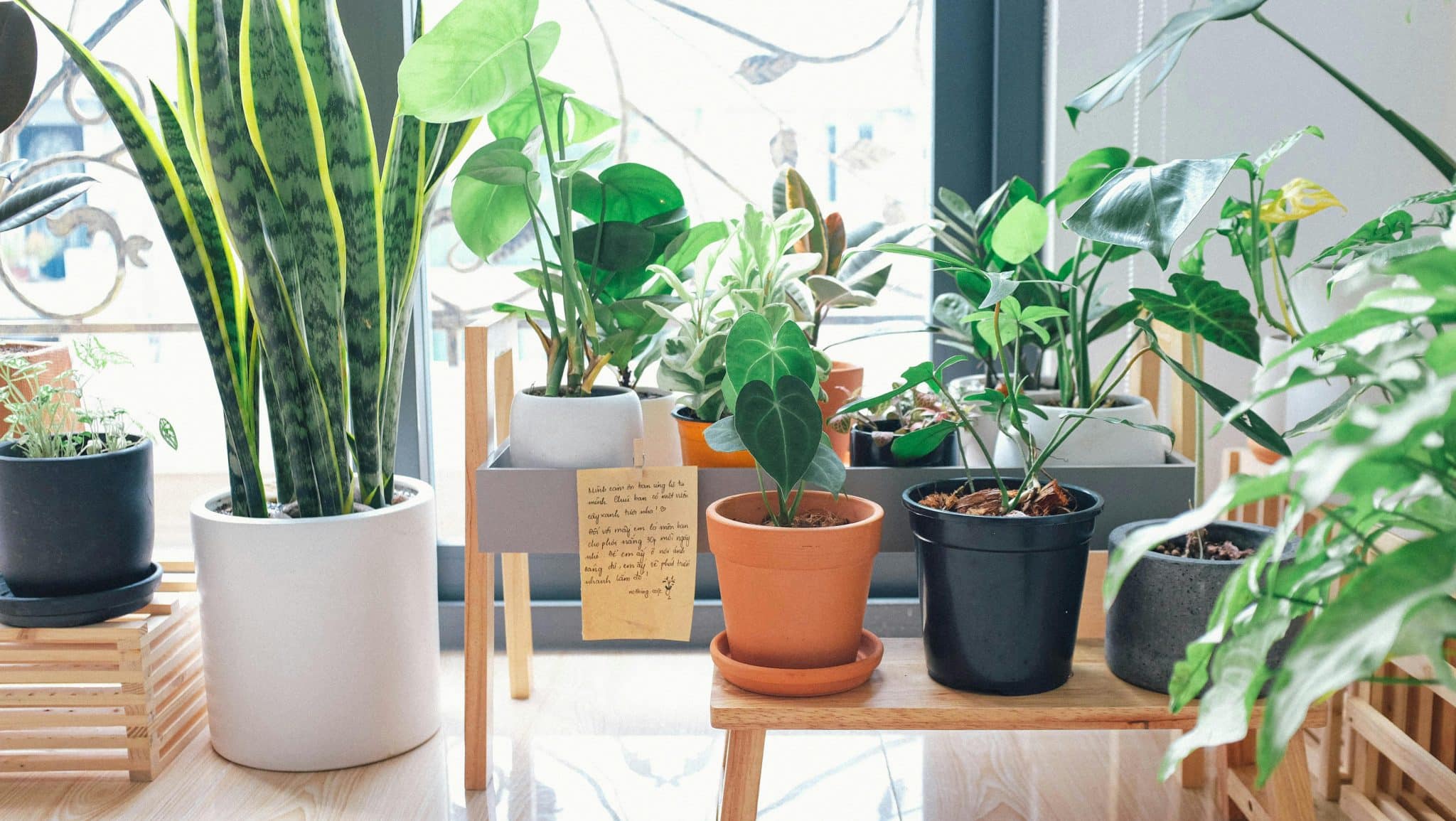
- Repotting your houseplants: Repotting houseplants is essential to encourage their growth. Repotting is generally carried out in spring, but can also be done in summer or early autumn. Most plants benefit from one repotting a year, while young, fast-growing plants may need two a year. Mature plants that are not very active in their growth, such as indoor trees or cacti, can remain in the same pot for 4 to 7 years.
- A spa day for houseplants: As the days lengthen and our plants slowly emerge from their winter rest, it’s the perfect time to give them some well-deserved pampering. A few simple gestures can revitalize them and thank them for their beautiful presence throughout the year.
- Gradually increase watering: As the days get longer, growth resumes. Your plants will generally start drinking more water again.
- Take cuttings from your houseplants: as winter draws to a close, under the influence of the increasingly long days, the growth of our houseplants begins, or else it will begin very soon. The best time to take cuttings is usually between mid-February and the end of August.
- Resume fertilization of houseplants: in temperate regions, fertilization of houseplants ceases in October as light diminishes and growth slows. In late February and March, with longer days, growth picks up again, signaling the time to resume fertilization. Gardeners using grow lights can fertilize all year round if their plants are actively growing.
Size, insects, humidity, and light
- Prune your hibiscus: if you’ve had a Chinese hibiscus (Hibiscus rosa-sinensis) in your home since early winter, it’s time to give it a good trim. Pruning it in late February or March will stimulate it to produce more flowers over the summer, while keeping its often exuberant growth under control.
- Keep an eye out for insect infestations in your houseplants: some houseplant pests have calmed down during the short-day period by going into diapause, but as the days lengthen at the end of January, they become active again and start reproducing abundantly from the beginning of March.
- Increase atmospheric humidity: place a humidifier near plants sensitive to dry conditions caused by indoor heating. But don’t overdo it! This can cause condensation.
- Clean your windows: By keeping your windows clean, you allow more light to enter the room, promoting plant growth. Be sure to clean both sides of the windows for maximum transparency.
Compost
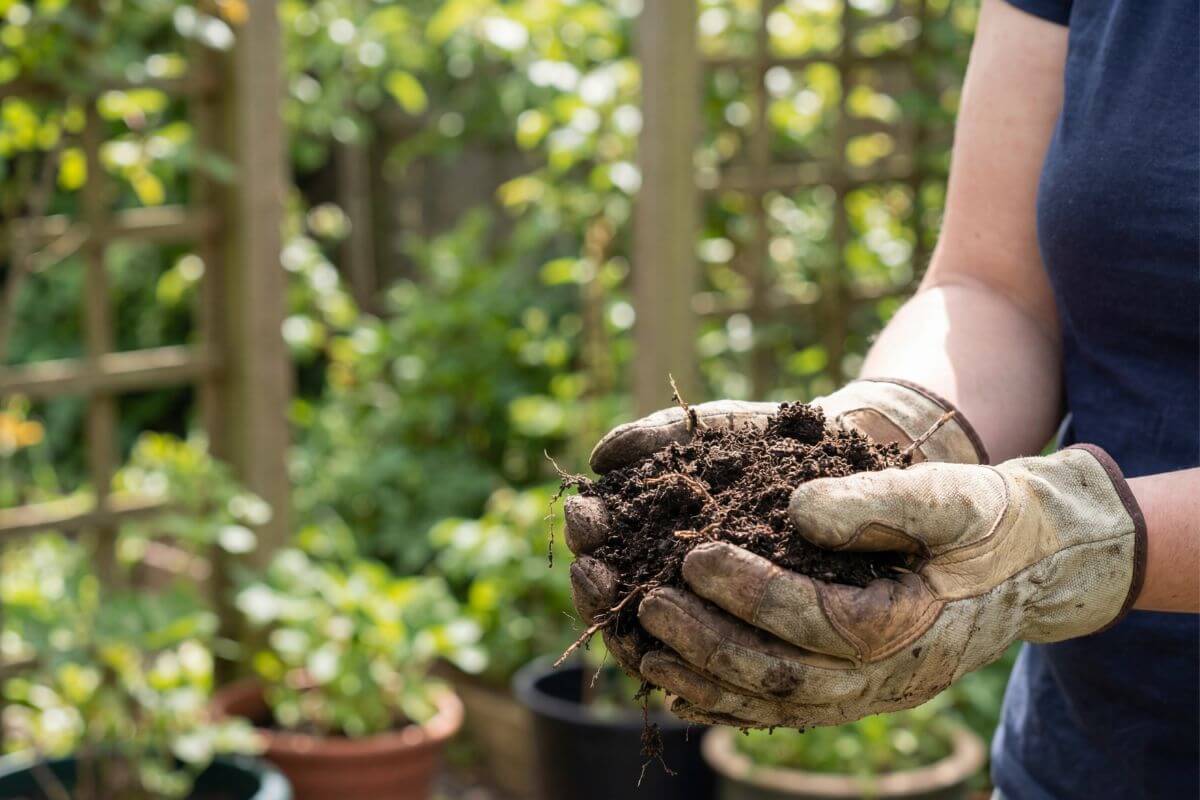
- Gradually resume adding waste to the compost: With the warmer weather, the compost will slowly start to become active again. Continue to cover kitchen scraps well with brown materials.
- Stir the compost if conditions allow: On mild days, a light stirring will help to restart microbial activity.
- Start an indoor compost: Try vermicomposting to produce homemade compost during the winter.
Wildlife
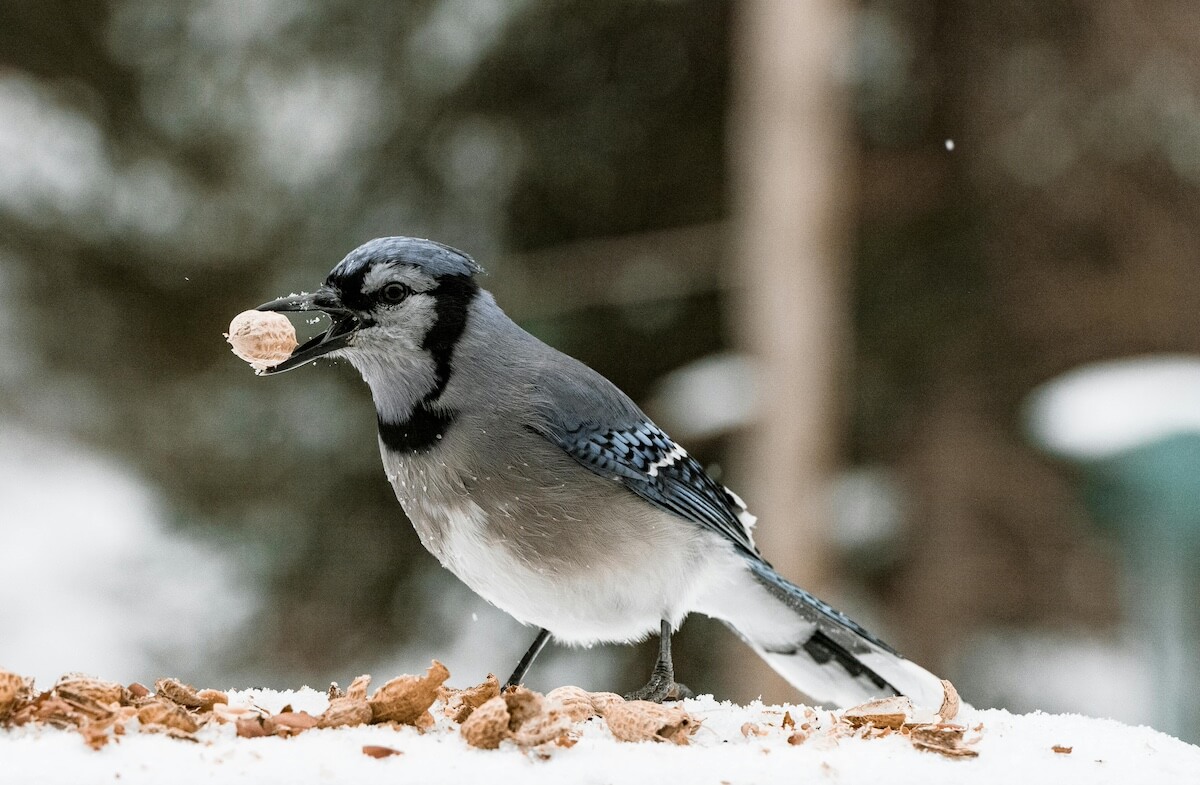
- Clean and disinfect birdhouses, or add new ones: A quick check of birdhouses once a year is all it takes! The ideal time? A good cleaning and a few repairs at the end of winter or early spring. It’s also a good time to add new ones before the birds settle in.
- Keep feeding the birds: as long as the snow still covers the ground and natural food is limited, it’s a good idea to provide them with sunflower seeds, suet (if it’s still cold) and dried fruit for the frugivores.
- Install a water point: if temperatures rise above freezing, a shallow bird bath can be useful. Be sure to change the water regularly to prevent it from freezing, or use a heated bath.
Autre
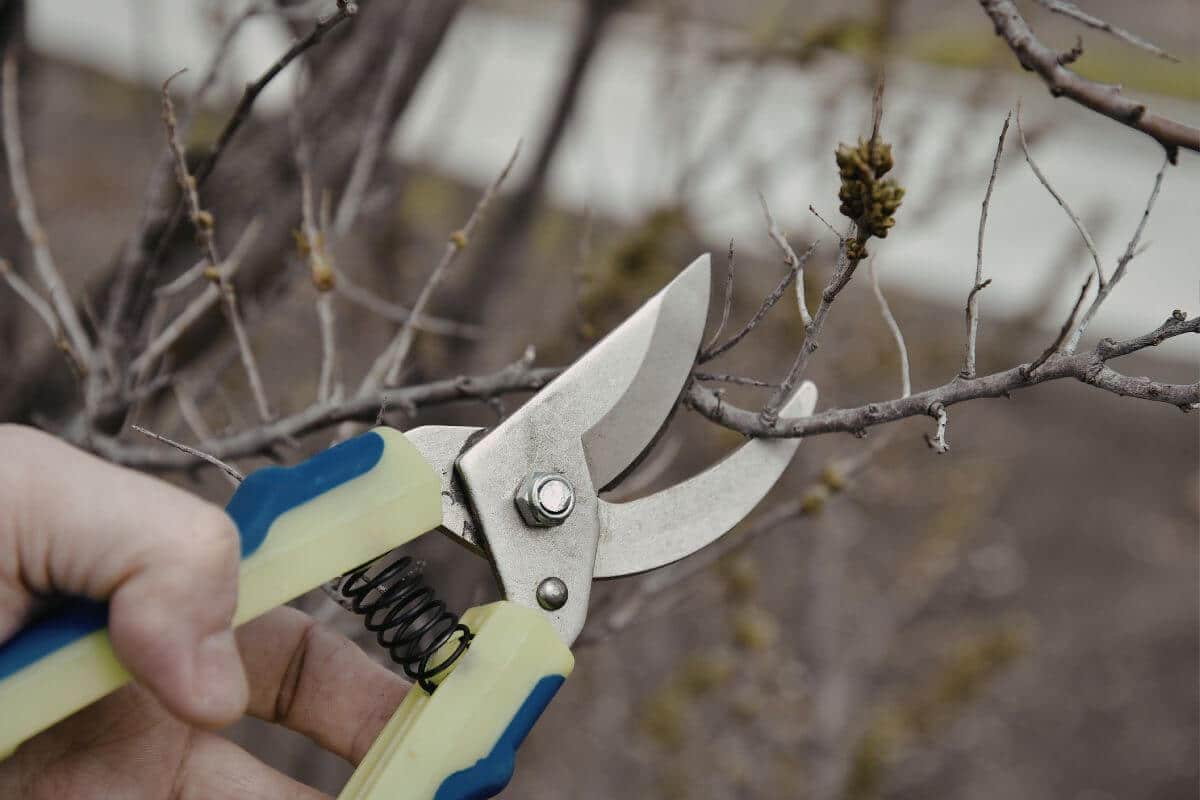
- Clean and prepare your tools: if you haven’t already done so, clean, sharpen and prepare your gardening tools so they’re ready for the season ahead.
- Check your stored bulbs and tubers: inspect stored bulbs (such as dahlias or gladioli) and tubers for signs of rot or desiccation.
Horticultural Days
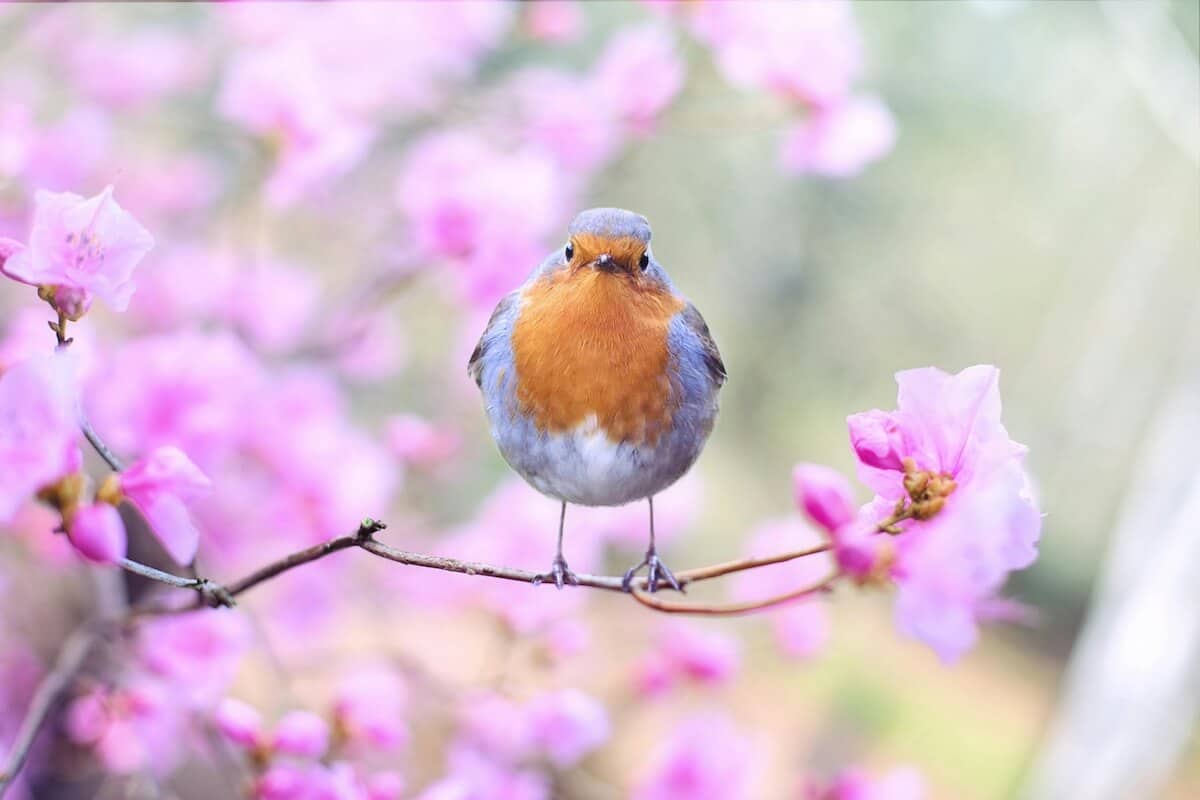
- March 3 – World Wildlife Day: A great opportunity to think about biodiversity in the garden and the wildlife that finds refuge there.
- March 20 – Spring Equinox: The official return of spring in the Northern Hemisphere. Days become longer than nights!
- March 21 – International Day of Forests: A day to celebrate trees, forests, and all the ecological services they provide.
- March 22 – World Water Day: A reminder of the importance of this precious resource for our gardens and ecosystems.
Are there any other gardening tasks that you do in March that I have forgotten? Let us know in the comments!