
The media has long trumpeted that this “new plant” was the solution to obesity and weight control. Stevia-based products (powders, tablets, liquids, etc.) flooded the market. It was said to be 200 to 300 times sweeter than sugar, while providing virtually no calories. And, of course, it was presented as entirely natural.
In hindsight, the picture is a little more nuanced. Stevia is indeed very sweet and virtually calorie-free, but it is not a miracle solution for weight control. Rather, it is a sugar substitute that can help reduce calorie intake, provided that overall diet is also adjusted.
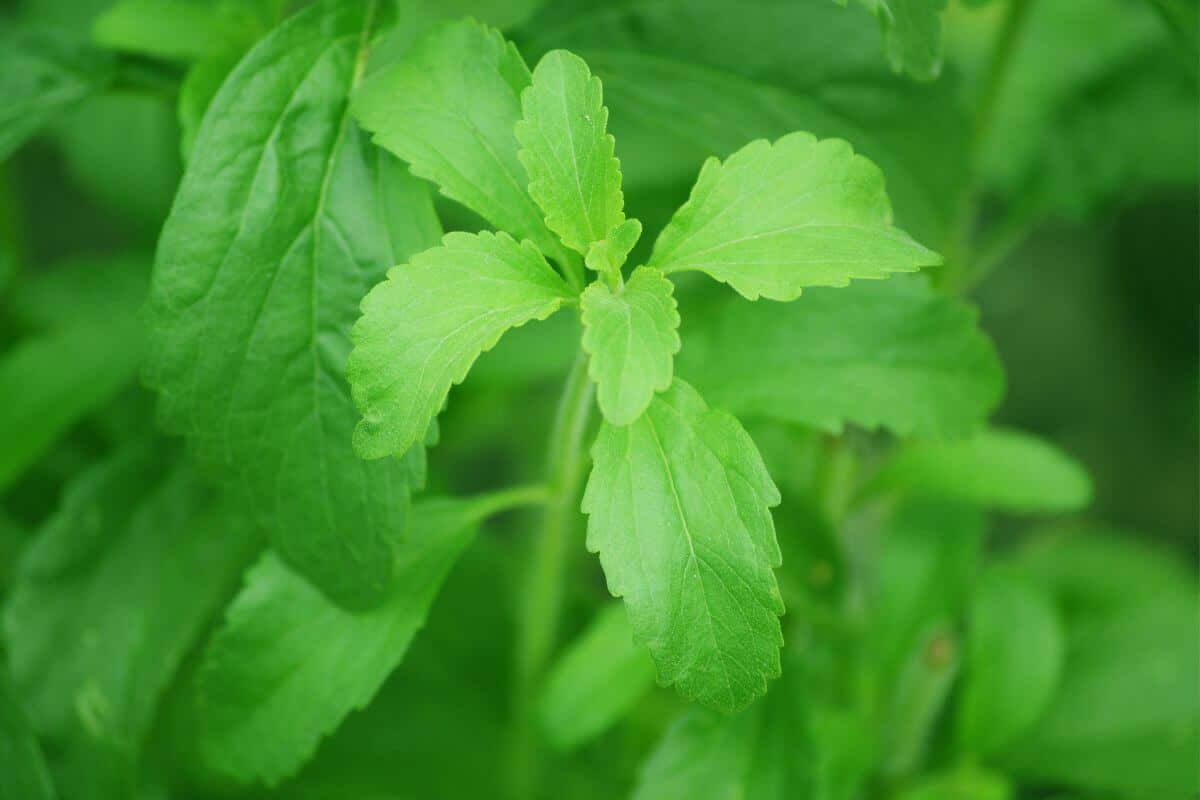
But stevia is certainly not new. The indigenous peoples of Paraguay have been using this plant (Stevia rebaudiana) for thousands of years, and it has been known to botanists for over 300 years. It can also be easily grown at home, making it not only an effective sweetener, but also a very economical one.
A less pleasant aftertaste
What has long hindered the use of stevia in the Western world is its taste. Granted, stevia is very, very sweet, but it often leaves an aftertaste of licorice or anise. It’s not very strong, nor is it particularly unpleasant, but it is still noticeable, and enough to delay its adoption by the general public. My two expert witnesses, my granddaughters Marie-Laurence and Émilie, judged it “not good.”
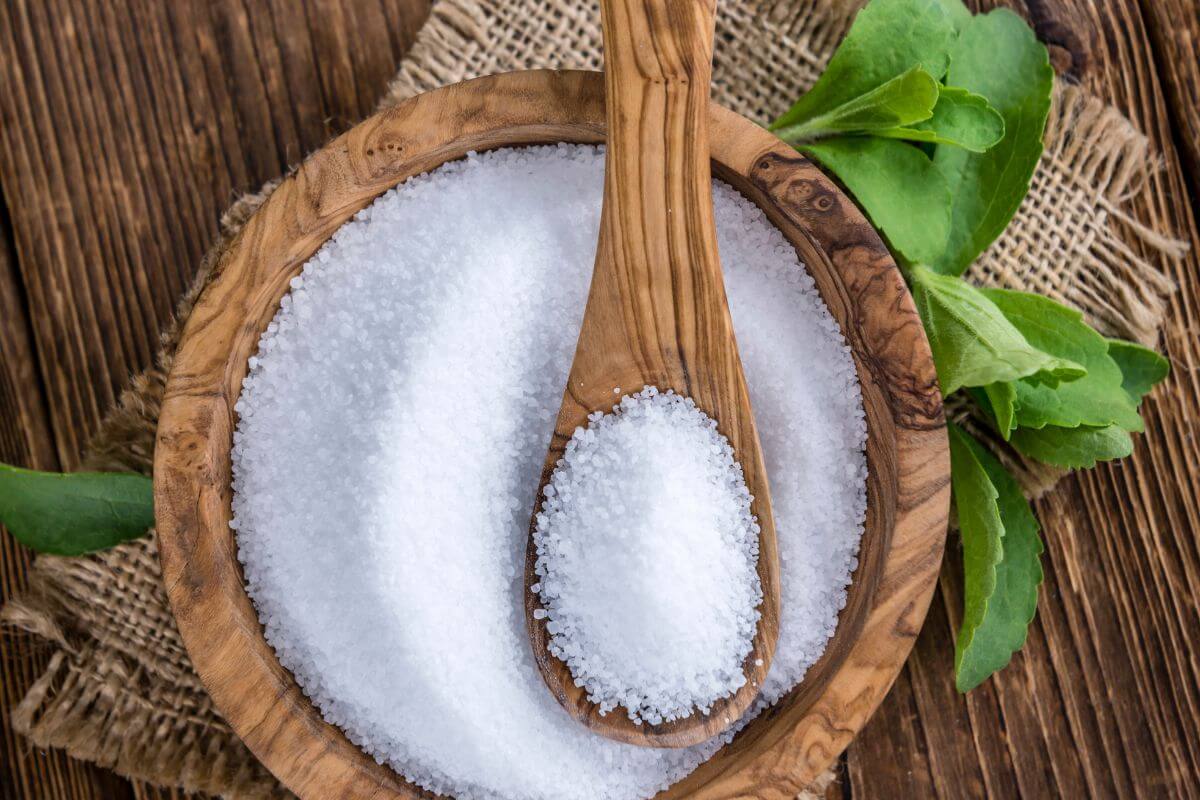
In recent years, plant breeding has produced strains with a milder taste and less pronounced aftertaste. Some have enjoyed commercial success at one time or another, and others are now available in different forms. Even though the taste has improved, stevia remains an acquired flavor: it doesn’t taste exactly like sugar, nor does it seek to imitate it perfectly.
Gowring stevia
Stevia is not at all difficult to grow. It can be grown in pots or in the ground. It is best to start with seedlings, because although seeds are available, their germination is often unreliable.
The soil needs to be fairly rich and evenly moist. Place the plant in full sun or partial shade, waiting until all risk of frost has passed before acclimating it to outdoor conditions. Fertilize with a slow-release organic fertilizer, but avoid fertilizers that are too rich in nitrogen (the first number), which can affect the flavor of the leaves. Pinch the tips of the stems every three or four weeks to encourage denser branching.
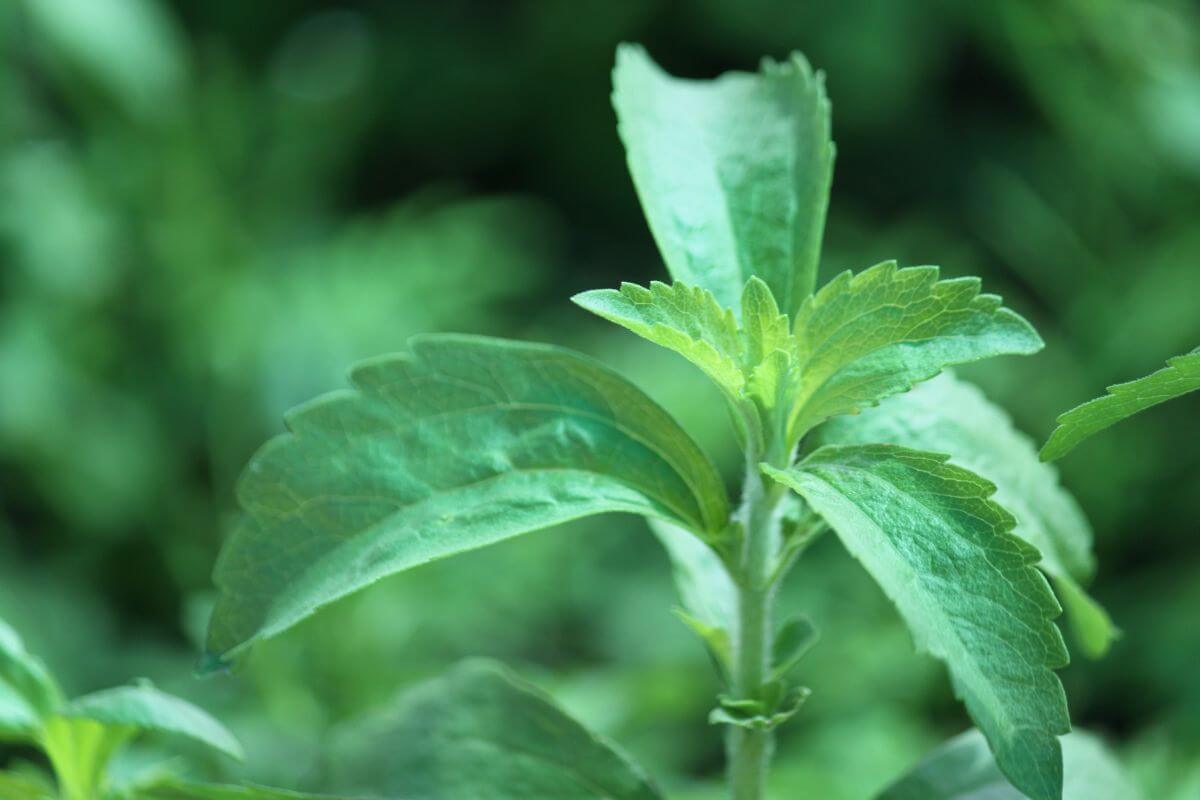
Stevia is hardy in zone 8 (USDA zones 9-11). In other words, it does not survive the winter in the ground. However, you can bring plants or cuttings indoors in the fall and grow them on a sunny windowsill or under artificial lighting. You can then take them back outside the following summer, as stevia likes to spend the summer outdoors.
Harvest
Leaves are usually harvested as needed for immediate use, and this can be done in any season for plants grown indoors, but they can also be harvested and dried for later consumption. To do this, cut the stems and hang them upside down in a dry, warm, well-ventilated place. When the leaves are dry, remove them, grind them into powder, and store them in an airtight glass jar.
Cooking with stevia
Here, I must admit my limitations: I am not a chef and I don’t have any specific recipes to offer. I therefore encourage you to experiment or consult recipes, bearing in mind that usually only one leaf or a pinch of stevia powder is needed to sweeten a serving, as stevia is extremely sweet.
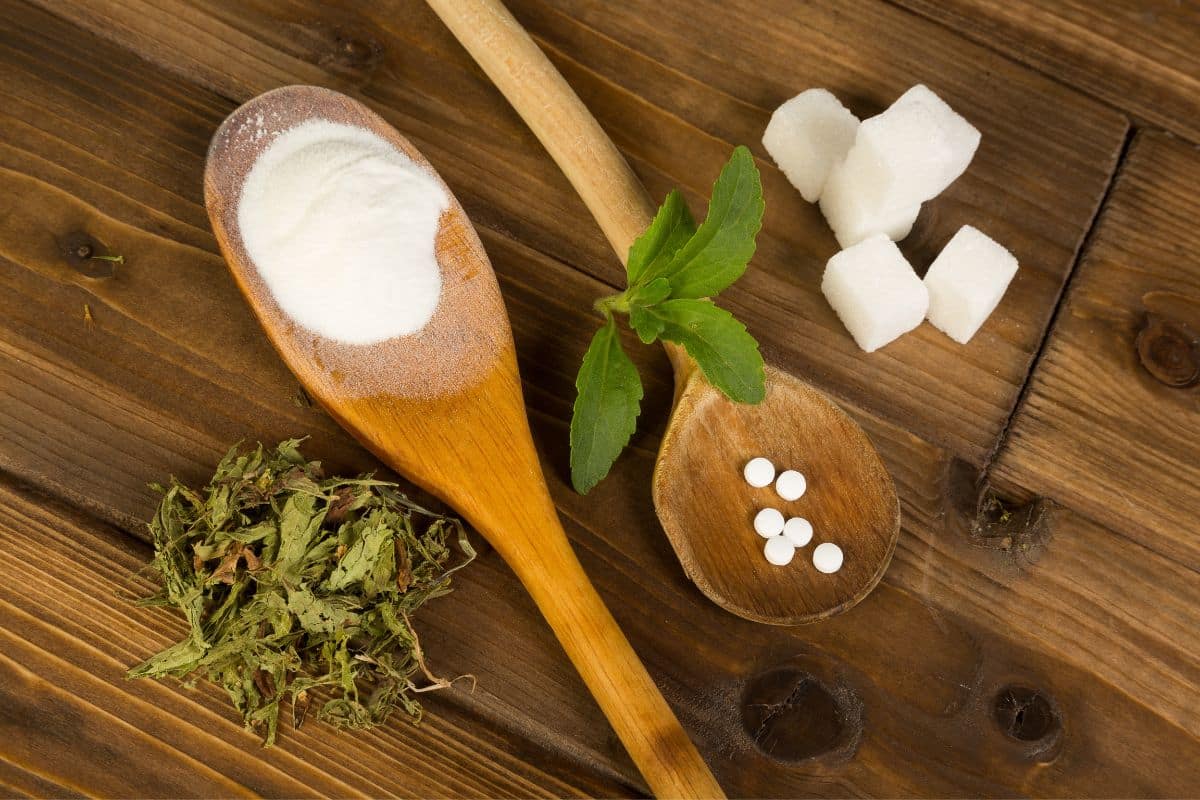
It is also important to note that stevia does not replace sugar in all its functions: it does not add volume or caramelize, which limits its use in traditional baking.
Good luck with this plant… and enjoy your sweets in moderation!
Update 2026 – This text has been revised and updated by Mathieu Hodgson to ensure its accuracy and relevance in light of current knowledge.
Men buni bir necha marta sinab ko‘rdim va hozirgacha hammasi yaxshi ishladi. Pul kiritish tez, pul chiqarishda hech qanday muammo bo‘lmadi. Sayt ishlatish uchun oson, va agar kimdir qaramoqchi bo‘lsa, mana havola: https://coldbet-uz.com/registration/
. Umuman olganda, hech qanday muammo yuz bermadi va ishonchli ko‘rinadi.
I often see the name Reddy Anna mentioned in online discussions. It’s interesting how quickly Reddy Anna is becoming a recognizable topic among users searching for new information.
My main objection to trying it is all the hype. Such fads tend to be unfounded. I suppose that I will try to grow it eventually.