

Every year, new buzzwords pop up everywhere! They’re sprinkled into conversations, they flood social media, and they’re the subject of paid workshops and seminars! A few years ago, it was urban agriculture; before that, it was sustainable development. These days, the trendy words are definitely “biodiversity” (which I’ve already discussed here) and “resilience”.
However, resilience isn’t a new gardening technique or a new way to grow plants. It is a broad concept that applies to many fields, not just gardening. I like the definition from the Office québécois de la langue française:
«Resilience is the ability of a system, habitat, population or species to return to normal functioning and development after experiencing a significant disturbance.»
And these days, we’re experiencing more and more significant environmental disruption! We’re seeing prolonged periods of drought, increasingly intense heatwaves, extreme rainfall causing flooding and violent winds tearing rooftops off houses. In the face of these climate hazards, we must react—or rather, adapt, as resilience suggests.
Resistance is futile
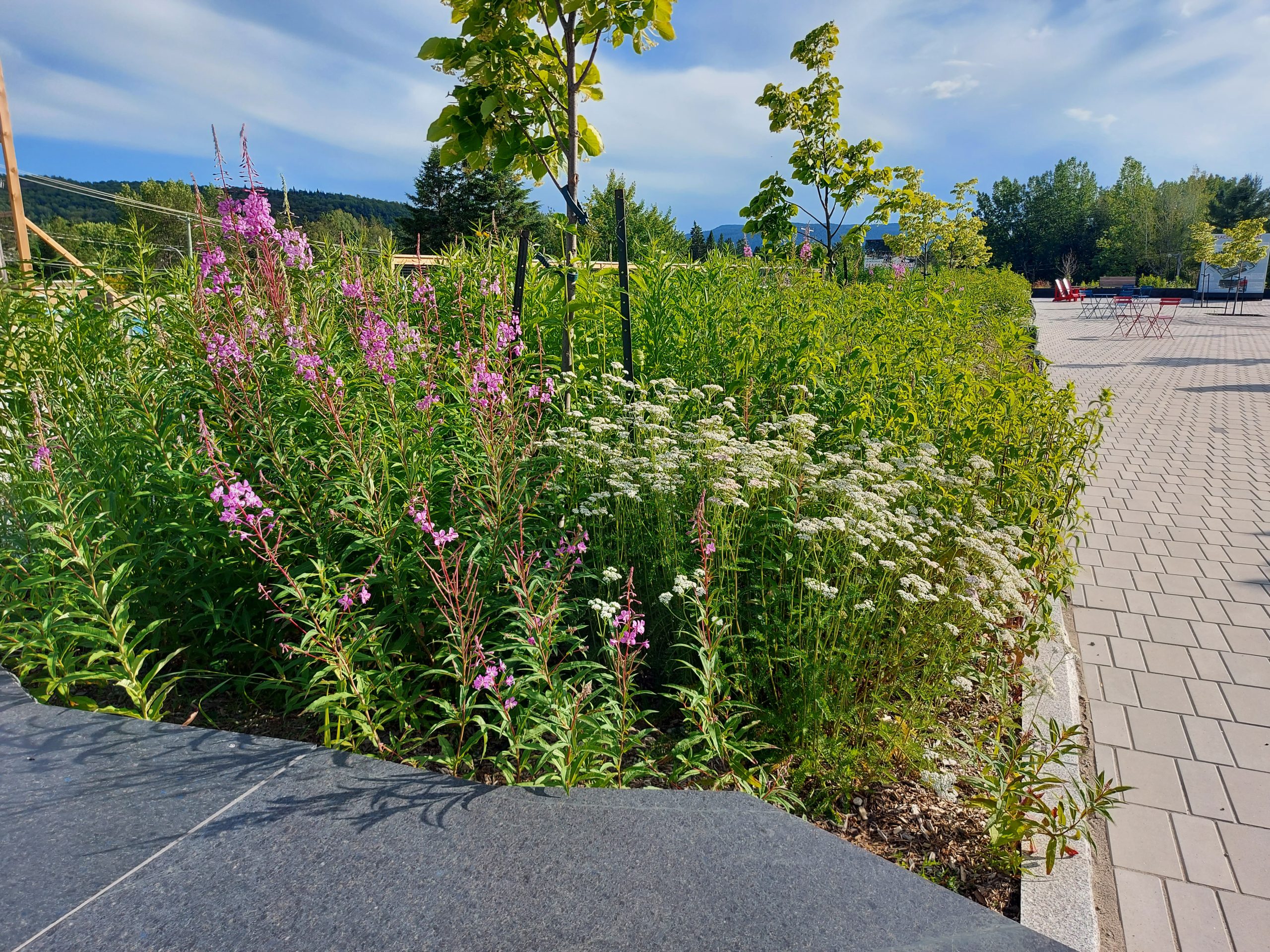
Many definitions of ecological resilience refer to the capacity to withstand climate change. While resisting a disturbance is commendable, I propose a form of horticultural resilience that focuses more on adaptation than resistance. Instead of fighting against drought, rain, heat and wind, why not embrace these new realities?
The right plant in the right place…once again!
You’ve heard this phrase countless times! It’s been ringing in our ears for centuries for good reason—it’s true! If you’ve always planted the right plants in the right places, your garden is already well on its way to becoming resilient! Creating a resilient garden means growing plants that can tolerate temporary flooding in ponds that collect excess water, as well as plants that can withstand heat and drought in sunny spots.
Therefore, making your garden resilient means going back to basics and studying your soil, drainage, the path of the sun and the direction of the wind. It means observing the existing plants to detect signs of weakness. Then, it means introducing new plants that are perfectly adapted to the existing conditions.
Observe…and replace
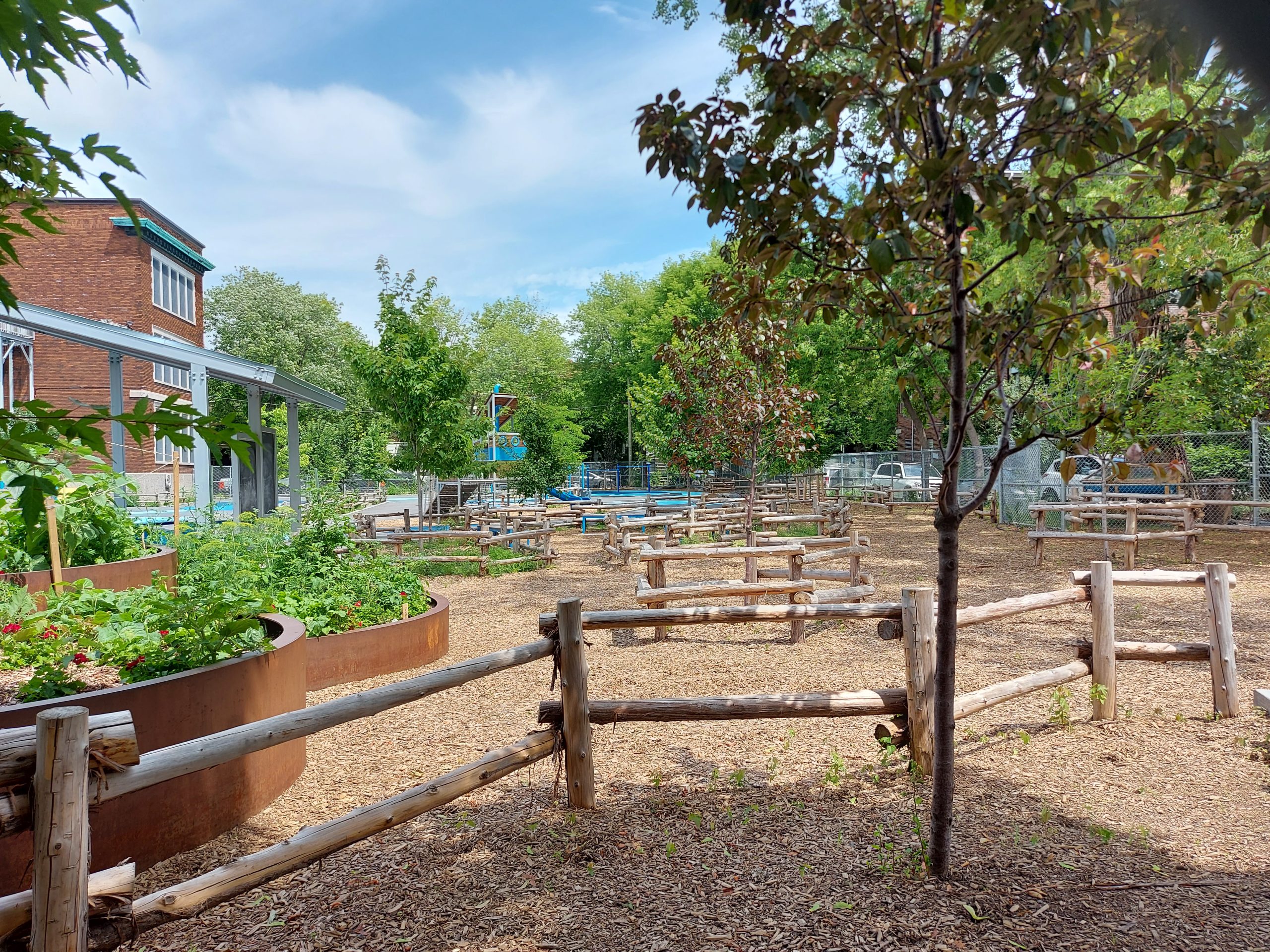
It’s quite possible that some perennials or shrubs, so beautiful and thriving twenty years ago, are beginning to show signs of stress or exhaustion. The flowerbed that used to need watering once a week now requires two or three waterings. Resilience brings with it a new way of thinking and a fresh approach to garden design.
Opt for more diversity
No one can predict the future. However, when studying resilience in the garden, it is important to think long-term. Plants take years to develop. The climatic conditions of today will likely be different in 20 or 30 years’ time. To help us, we have climate change scenarios—studies that attempt to predict what the future climate will be like.
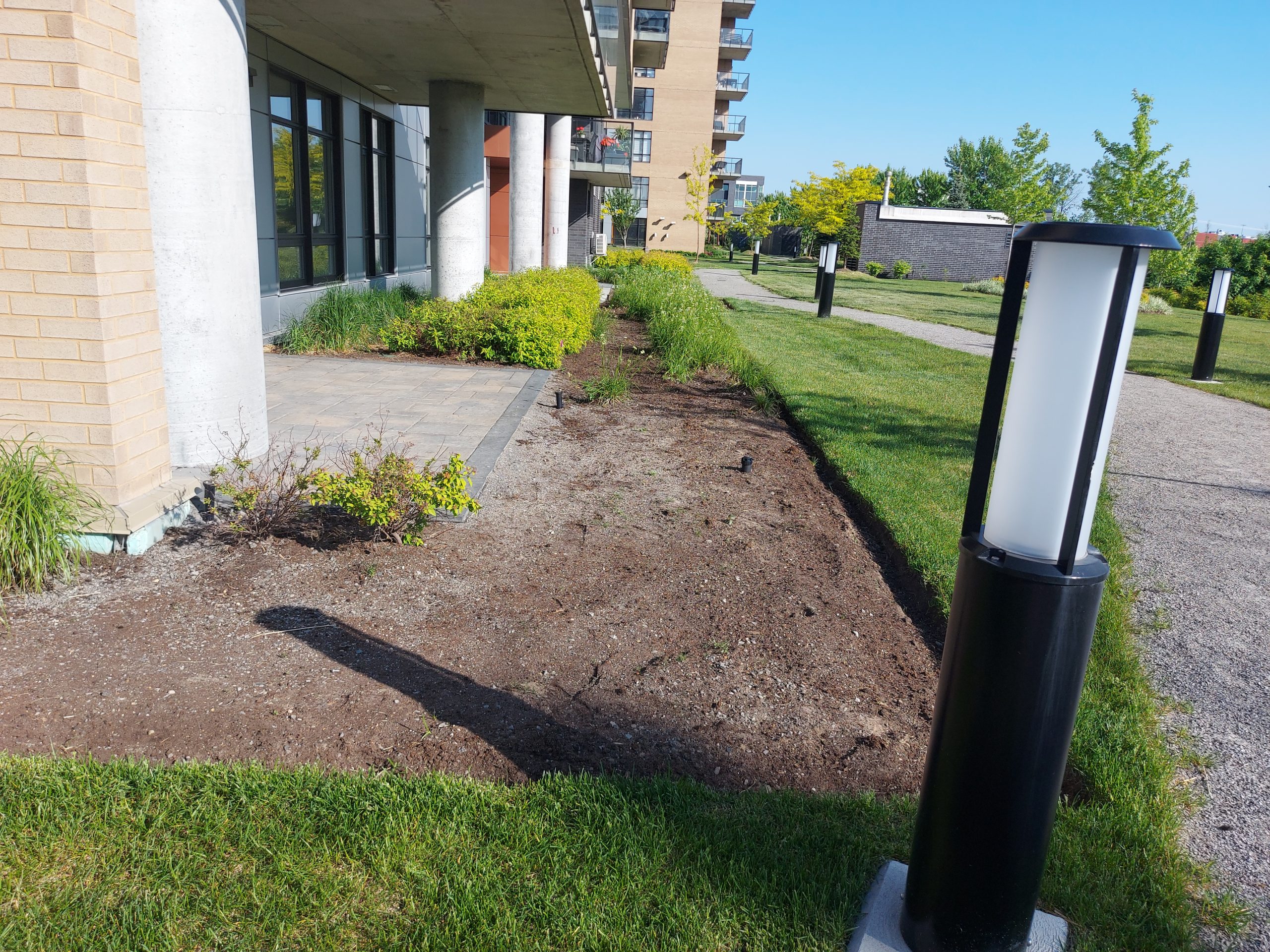
Since this is somewhat of a guessing game, it’s best to focus on biodiversity. The greater the variety of species you plant, the greater the chance that some will survive in extreme conditions. Monoculture is the great enemy of resilience.
Take notes
During particularly hot and dry summers, our garden reveals which plants won’t survive the test of time. When it rains heavily, the path of the watercourse shows us where we need to improve water retention and where we need to facilitate runoff. In short, every climatic disaster teaches us about our garden’s resilience. If everything survives unscathed, then resilience has been achieved. Otherwise, we need to identify the problematic plants and areas to help them adapt better.
Take an interest in irrigation and water management
Water is among the most scientifically recognised challenges in Quebec. In the coming years, it is not expected to rain more or less than it does now. In fact, it will rain more intensely and in shorter bursts. There will be very heavy downpours followed by long periods without rain. This leads us to two considerations. Firstly, drinking water reserves are likely to experience periods of scarcity. In the garden, this will result in longer and stricter watering restrictions. Therefore, our plants must be able to survive these long periods without water. Similarly, developing ways to capture this water for future use is also a good idea. Rain barrels and underground reservoirs could meet our needs in the event of an extreme drought.

Take an interest in mulch
Similarly, finding ways to retain soil moisture is a resilient approach. Applying organic mulch will soon become second nature. As well as reducing the need for watering, the mulch will contribute to soil microbial life and provide minerals that plants can absorb as it decomposes.
So, resilience is a bit like preparing for a zombie apocalypse! You plan for the worst and try to be fully prepared before sunset… Grab your trowels!