
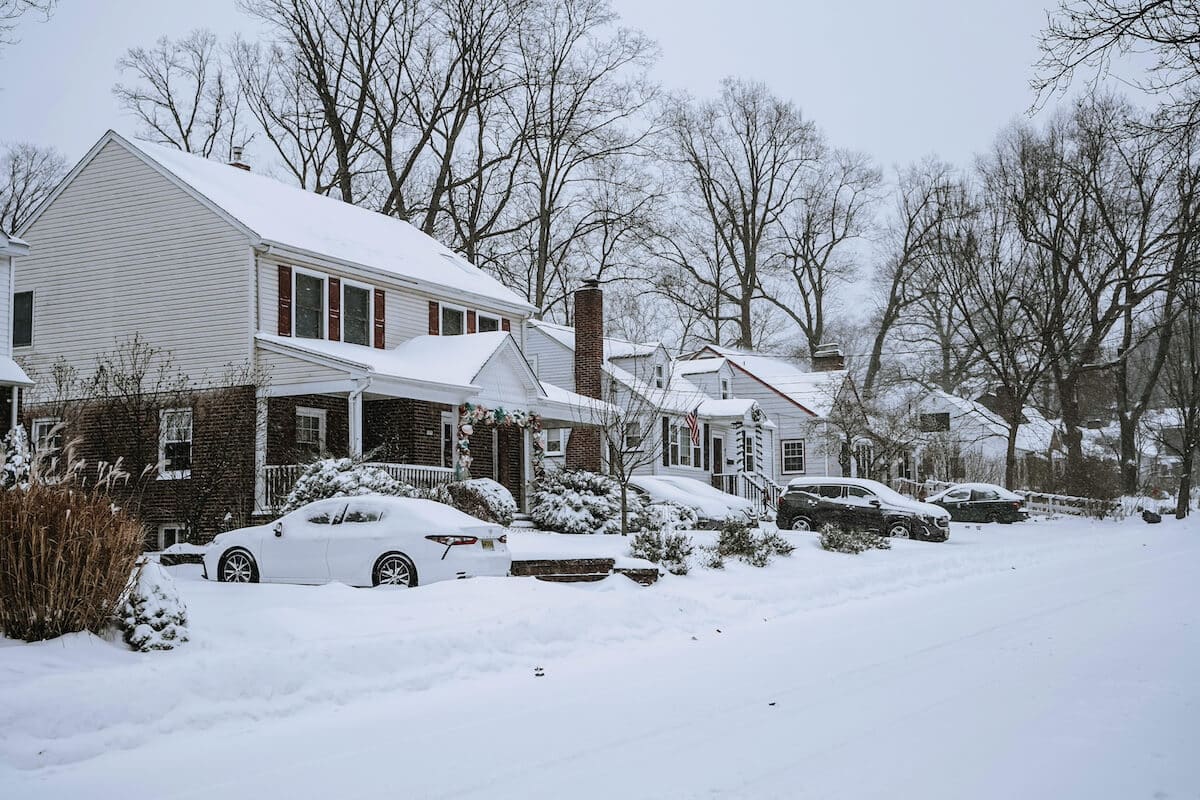
With heavy snowfall and an impressive accumulation of that cold, white stuff blanketing our yards, many gardeners are no doubt wondering how this will affect the upcoming gardening season.
Snow: good for gardens
First, keep in mind that early snow that lingers for a long time is very beneficial for gardens. When it finally melts away, your plants are usually in perfect health. The only potential victims are certain trees and conifers whose lower branches get trapped in the frozen snow. As the snow melts, it can pull them downward, causing them to snap or tear. To free them, forget the shovel: shoveling will only make things worse. Instead, walk around the branches to break up the crust. That way, when the snow settles, they’ll free themselves.
Although this abundance of snow is, on the whole, beneficial for our plants, it takes time to melt. During very snowy winters, it’s not uncommon for gardens to remain snow-covered until May, and for patches of snow to persist into June in shaded areas. This lingering snow can delay the start of the growing season. However, plants have a remarkable ability to adapt: when they start later, they often grow more vigorously and quickly make up for lost time. By early summer, the difference compared to a year with less snow is generally imperceptible.
Moister, longer
Another consequence is that the soil remains moist for longer. This water reserve, accumulated during the winter, is generally beneficial, except in poorly drained soils. It often helps plants survive the dry spells of early summer.
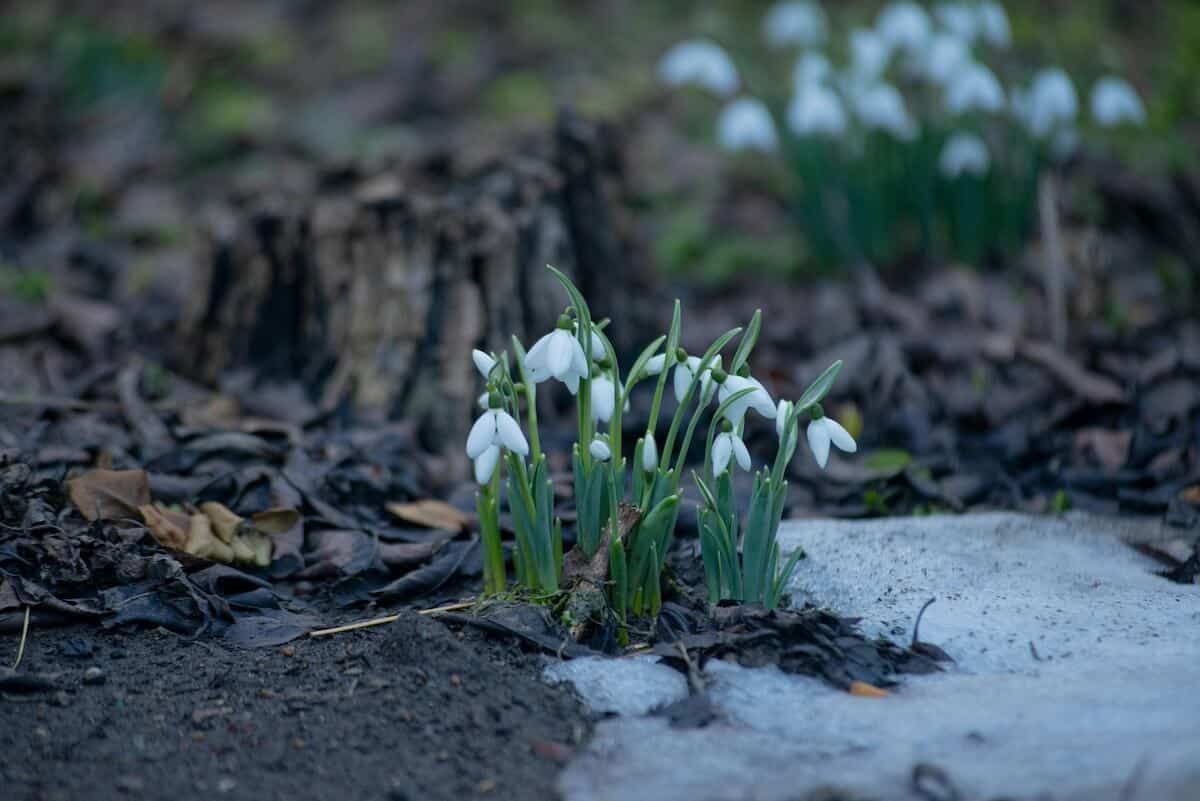
Of course, the planting dates for annuals and vegetables may be delayed during late springs. But this depends largely on the conditions each year. Generally speaking, the climate is becoming more variable, with springs that are sometimes longer, cooler, or wetter, followed by autumns that stretch out further. Thus, even if the season starts more slowly in some years, it often extends later into the fall, more than making up for this delay.
Hold the shovelling
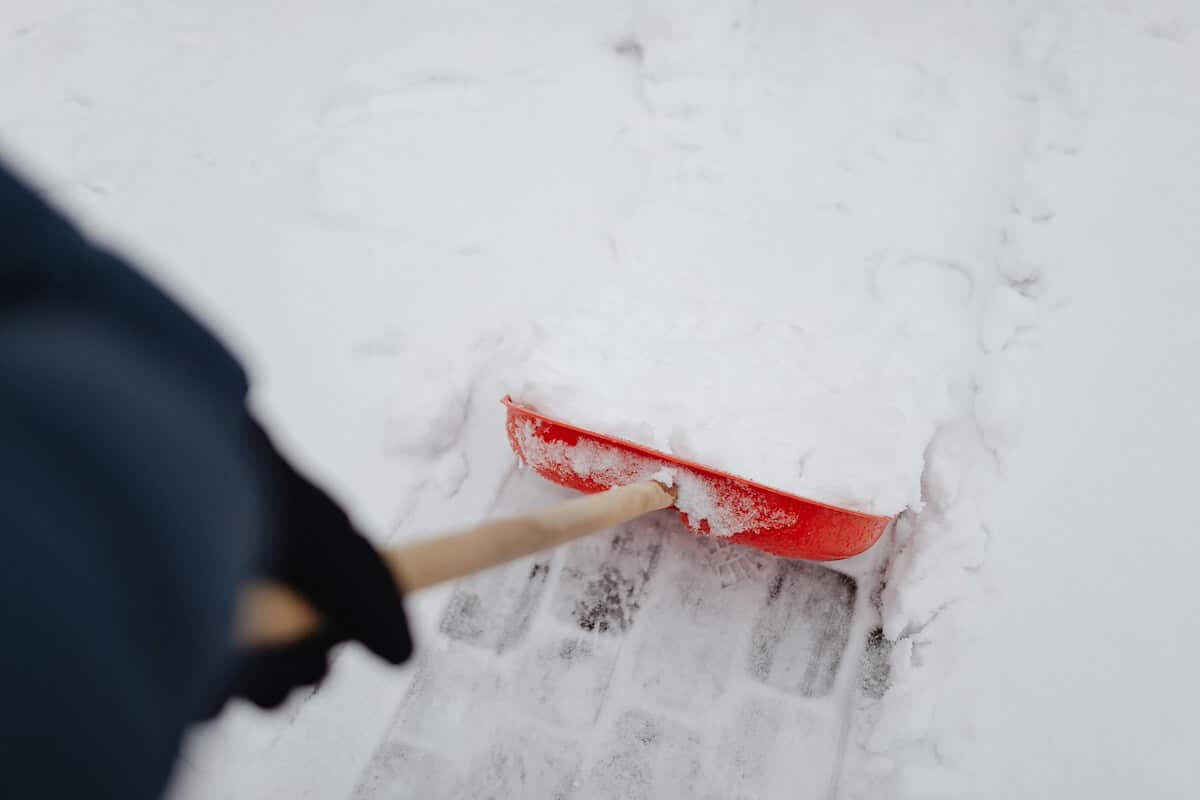
There’s only one real nuisance associated with heavy snowfall: neighbors who shovel their snow into the street to clear their cherished lawns, making life difficult for passersby. However, removing snow from the lawn is pointless and can even harm its winter protection. Furthermore, in most municipalities, dumping snow in the street is prohibited. The best way to get rid of snow on the lawn is… simply to let it melt.
Have a great spring!
Larry Hodgson has published thousands of articles and 65 books throughout his career, in both French and English. His son, Mathieu, has made it his mission to make his father’s writings accessible to the public. This article was originally published in the newspaper Le Soleil on April 5, 2008.
Really enjoyed this snowy garden scene — it’s amazing how snow can completely transform a landscape and also act like a natural protective blanket for plants. There’s something peaceful about that quiet winter stillness. Crazy Cattle 3D — this post makes even winter look like part of the garden’s hidden rhythm and charm.