
After writing 2026 Horticultural Winners in which I discussed, among other things, the Andropogon ‘Blackhawks’ with its dramatic purple hues, I delved into the list of past winners of the Perennial Plant of the Year® (PPOY) award.
Awarded by industry professionals, this distinction recognizes a perennial for its consistency, longevity, and low maintenance requirements, often after several years of observation. And it has been doing so since 1990.
But what has become of those former winners?
While some are still widely available in nurseries, others have been supplanted by new varieties that are hardier, more floriferous, or better suited to today’s conditions.
I therefore examined each of these perennials to determine which ones still deserve a place in our gardens.
Each plan was evaluated based on several criteria: its adaptability, self-sufficiency, maintenance requirements, disease resistance, longevity, ability to fill space, behavior, and tolerance for less-than-ideal conditions. The goal was to identify plants that are reliable, durable, and low-maintenance.
Here are 15 past favorites that have proven to be just as exceptional as ever, enduring the years—even decades—without losing their appeal.
1. Russian sage – 1995

Botanical name: Salvia yangii (syn. Perovskia atriplicifolia)
Dimensions: 60 to 120 cm (24 to 47 in) × 60 to 90 cm (24 to 35 in)
Exposure: full sun
Soil: any well-drained soil, including dry, poor, or stony soil
Flowering: July to September (October)
Hardiness zone: 3
This subshrub, with its light and airy habit, forms a clump of upright, silvery stems adorned with finely cut leaves that are fragrant when crushed. In summer, it is covered with a multitude of small lavender-blue flowers arranged in airy panicles. Named Perennial Plant of the Year in 1995, it remains an excellent choice today thanks to its high tolerance for drought, disease resistance, and low maintenance requirements. It thrives even better in poor soil than in rich soil, making it an ideal choice for sustainable landscaping.
2. ‘Karl Foerster’ Feather Reed Grass – 2001
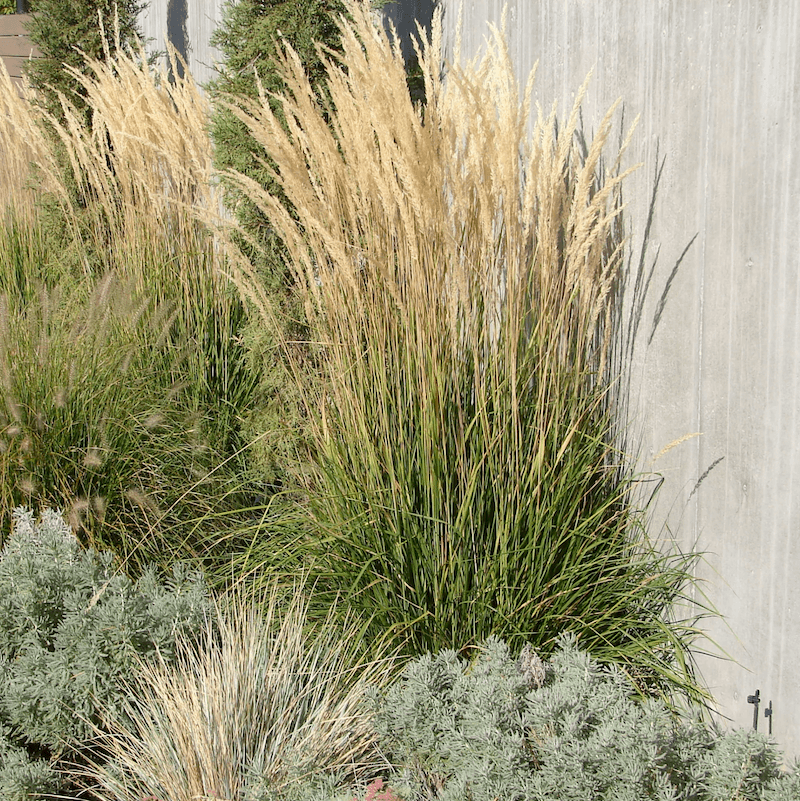
Botanical name: Calamagrostis × acutiflora ‘Karl Foerster’
Dimensions: 120 to 170 cm (47 to 67 in) × 50 to 75 cm (20 to 30 in)
Exposure: sun to partial shade
Soil: any well-drained soil; tolerates clay and some moisture
Flowering: early summer to winter (persistent spikes)
Hardiness zone: 3
This grass first forms a dense clump of arching leaves, then transforms into perfectly upright columns when its spikes appear. Its exceptional upright habit adds structure to landscapes year-round, including in winter. Undemanding, durable, and rarely prone to disease, it requires only a trim in the spring. Unlike many award-winning older perennials, it has not been dethroned: it remains a reliable choice for creating texture, movement, and interest year-round with minimal maintenance.
3. Hellebore – 2005
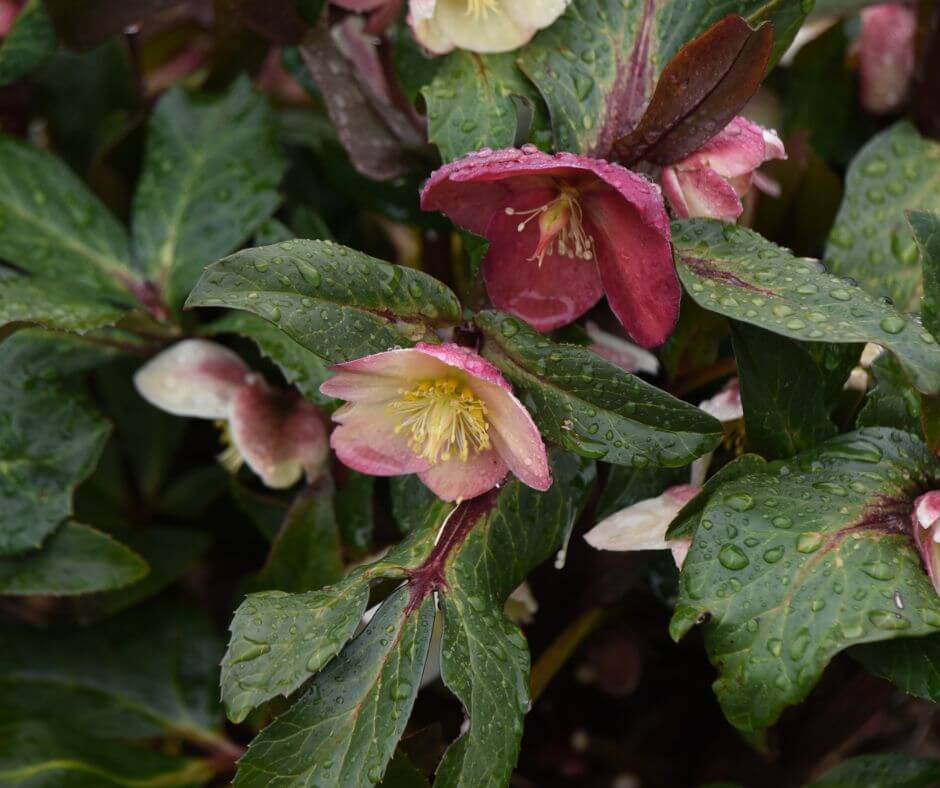
Botanical name: Helleborus × hybridus (et autres hybrides)
Dimensions: 15 to 60 cm (6 to 24 in) × 30 to 60 cm (12 to 24 in)
Exposure: partial shade to shade (ideally with spring sun)
Soil: any well-drained soil rich in organic matter; tolerates drought once established
Flowering: March to June
Hardiness zone: 3
An exceptional shade-loving perennial, the hellebore offers very early and long-lasting blooms, sometimes as soon as the snow melts. Its lobed foliage, often evergreen, provides interest almost year-round. Unlike many prized perennials, it improves with age: very long-lived, hardy, and undemanding once established, it even tolerates dry shade. Its main challenge is planting, as it prefers not to be moved. Once well-established, it becomes a reliable, durable plant perfectly suited to low-maintenance gardens.
4. ‘Walker’s Low’ Nepeta – 2007
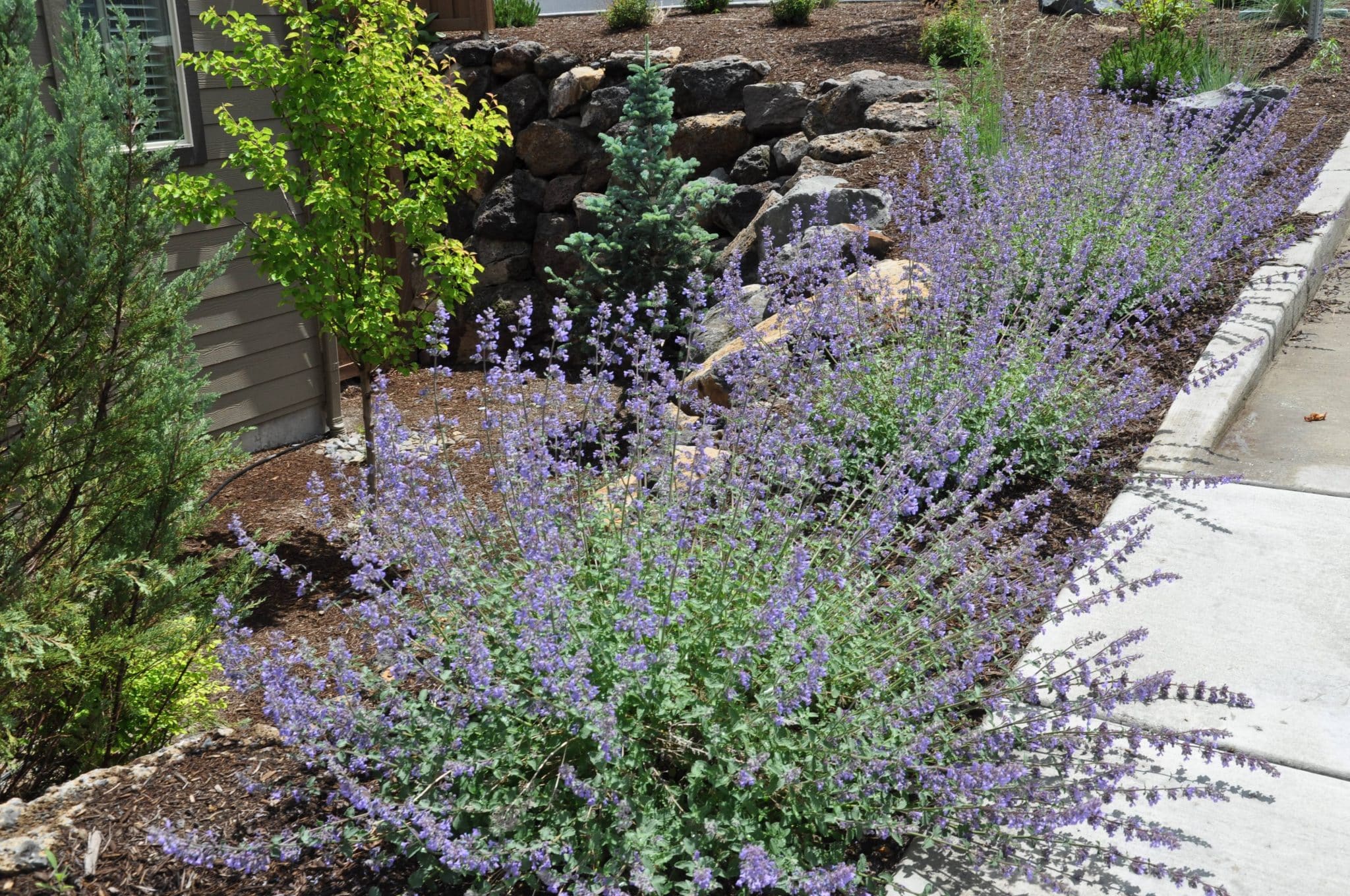
Botanical name: Nepeta × faassenii ‘Walker’s Low’
Dimensions: 60–90 cm (24–35 in) × 75–110 cm (30–43 in)
Sun exposure: full sun to partial shade
Soil: any well-drained soil; tolerates poor soil and drought
Flowering: June to September (October)
Hardiness zone: 3
Extremely reliable, Nepeta ‘Walker’s Low’ forms a broad, supple clump covered with blue-violet flowers for much of the summer. Its aromatic gray-green foliage is highly resistant to pests and harsh conditions. Undemanding, it tolerates drought, poor soil, and occasional missed waterings. Pruning after the first bloom can encourage a second flush, especially if the plant wilts after heavy rain, but this pruning is not essential. It is a safe, long-lasting, and high-performing choice for low-maintenance gardens.
5. ‘Rozanne’ Geranium– 2008
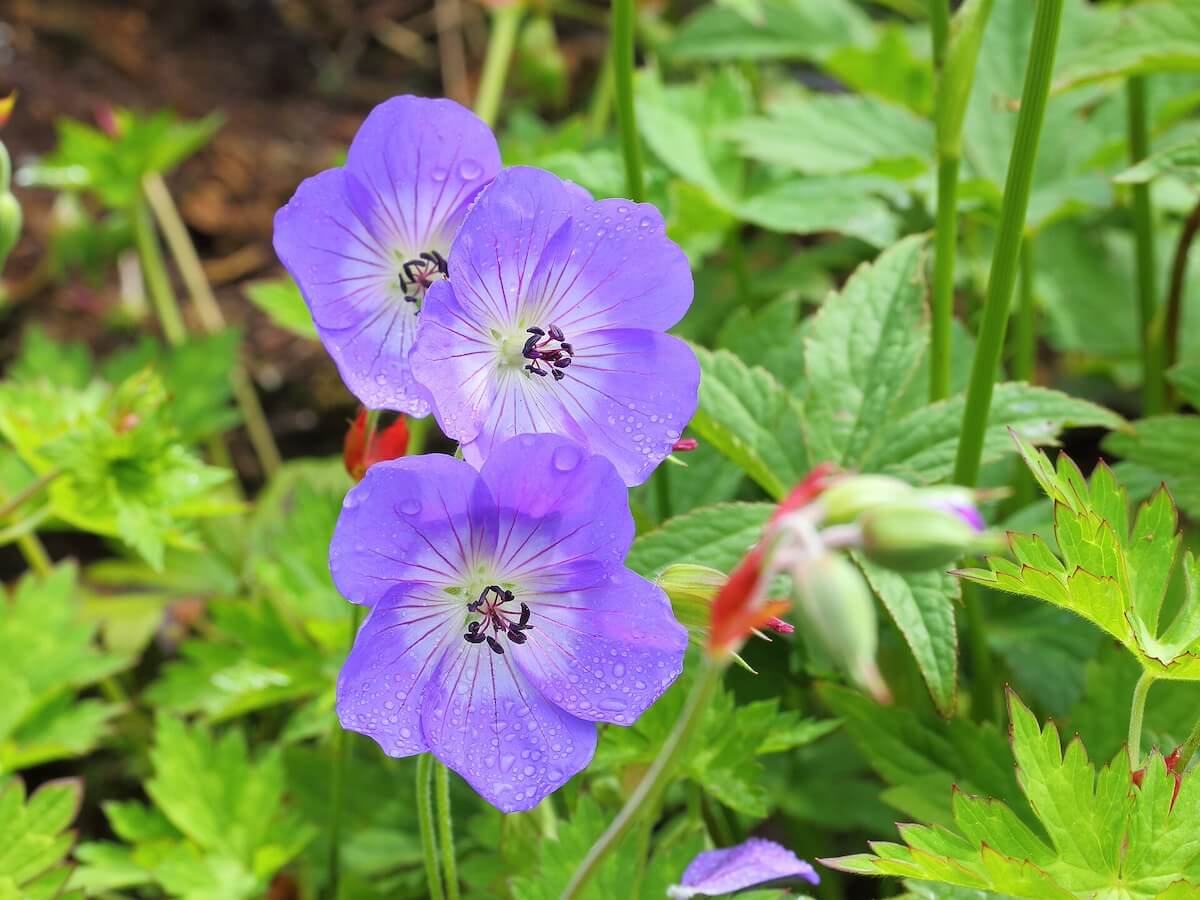
Botanical name: Geranium ‘Rozanne’
Dimensions: 50 cm (20 in) × 60 cm (24 in)
Exposure: sun to partial shade
Soil: any well-drained soil; tolerates average soil and mild drought
Flowering: early summer to fall
Hardiness zone: 3
This perennial geranium is distinguished by its exceptionally long flowering season, covering the plant with large blue-mauve flowers almost all summer long until the first frosts. Thanks to its supple, spreading habit, it makes an excellent groundcover or companion plant. Undemanding, it adapts to a wide variety of conditions and is highly disease-resistant. Unlike older cultivars, it performs consistently without special care, though flowering may be reduced during prolonged summer droughts. Still as relevant today, it remains a reliable choice for sustainable, low-maintenance landscaping.
6. Wild indigo – 2010
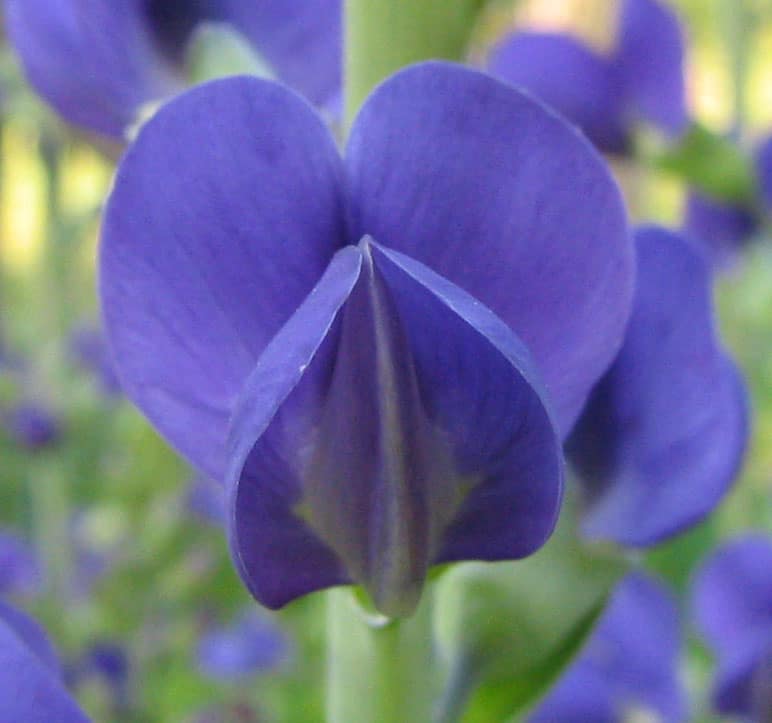
Botanical name: Baptisia australis
Dimensions: 90–150 cm (35–59 in) × 90–150 cm (35–59 in)
Sun exposure: full sun to partial shade
Soil: well-drained; tolerates poor soil
Flowering: early summer
Hardiness zone: 2
Over time, this native perennial forms a dense, shrub-like clump, providing lasting structure to the garden. Its blue-green foliage and blue-violet flower spikes are followed by decorative seed pods that extend the plant’s seasonal appeal. Highly hardy and undemanding, it tolerates drought once established and requires almost no maintenance. Growth is slow at first, but over the years it becomes an imposing and stable plant, capable of remaining in place for decades.
7. Variegated Solomon’s Seal – 2013
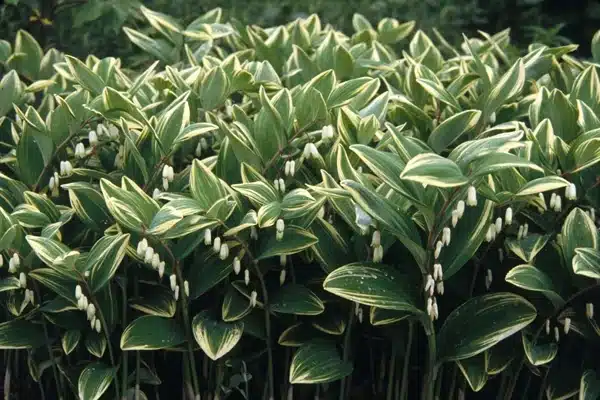
Botanical name: Polygonatum odoratum ‘Variegatum’
Dimensions: 50–70 cm (20–28 in) × 60 cm (24 in)
Exposure: partial shade to shade
Soil: cool, well-drained
Flowering: late spring
Hardiness zone: 3
This shade-loving perennial produces elegant, arching stems bearing green foliage edged with creamy white, creating a luminous yet subtle effect. Its small, white, slightly fragrant bell-shaped flowers hang from the stems in spring. Very hardy and easy to grow, it spreads slowly via rhizomes to form beautiful, stable clumps. It requires little maintenance and tolerates drought once well-established, though it prefers cool soil. Perfect for woodlands and natural-style gardens, it is a sure bet for adding structure to shaded areas.
8. ‘Northwind’ Switch Grass – 2014
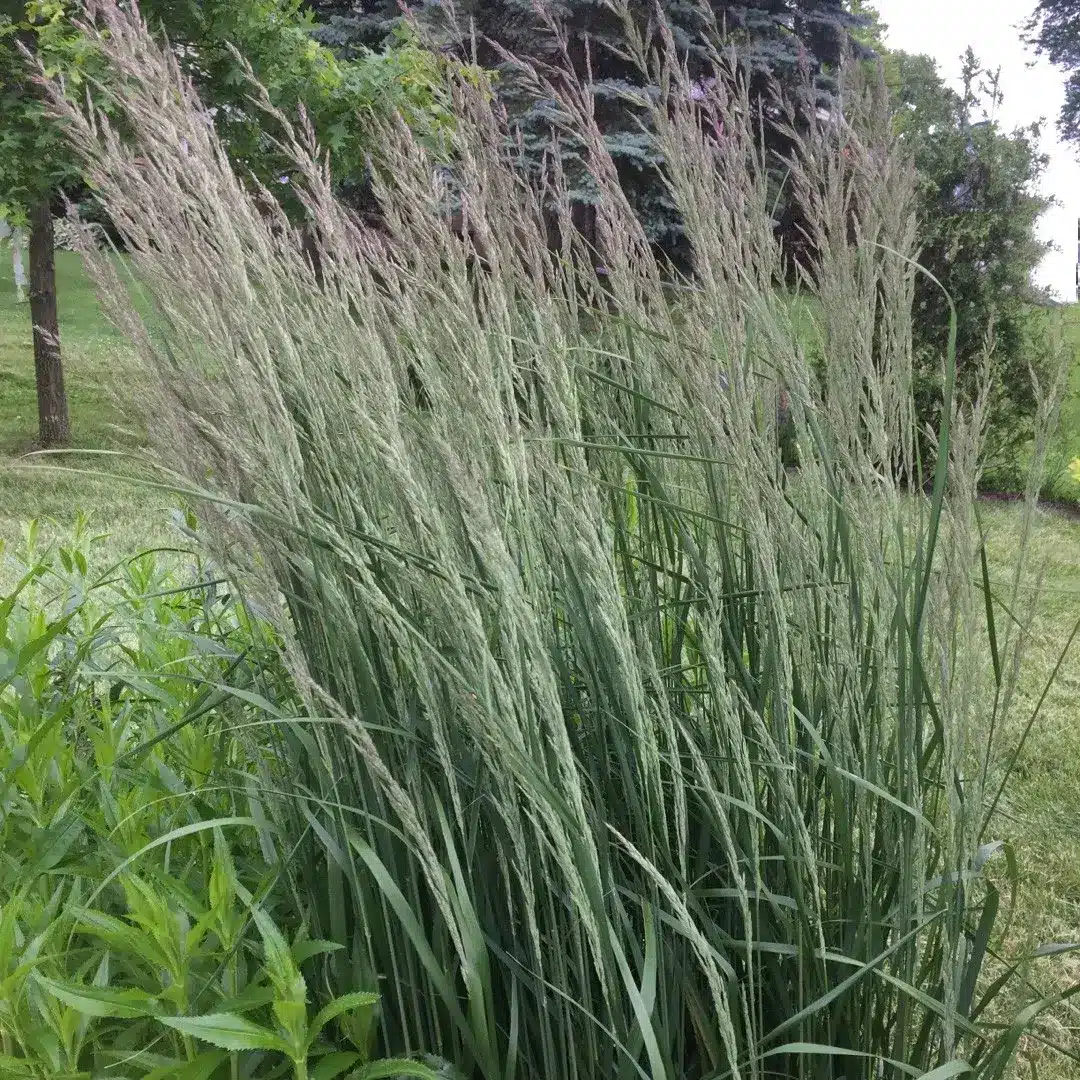
Botanical name: Panicum virgatum ‘Northwind’
Dimensions: 120–150 cm (47–59 in) × 60–90 cm (24–35 in)
Exposure: full sun (tolerates partial shade)
Soil: all soil types
Flowering: late summer to fall
Hardiness zone: 3
This native grass forms a dense, upright clump, providing strong, stable structure to the garden. Its blue-green foliage takes on golden hues in the fall, then persists through winter as decorative golden stems. Unlike many other grasses, it maintains an upright habit without drooping. Extremely resilient, it tolerates both dry and moist soils and requires very little maintenance. A simple trim in the spring is all that’s needed. Durable, robust, and reliable, it is an excellent choice for modern landscapes and low-maintenance gardens.
9. ‘Biokovo’ Geranium – 2015

Botanical name: Geranium x cantabrigiense ‘Biokovo’
Dimensions: 20–30 cm (8–12 in) × 100 cm (39 in) and larger
Exposure: full sun to partial shade
Soil: well-drained; tolerates average soils
Flowering: late spring to early summer
Hardiness zone: 3
This geranium forms a dense, long-lasting groundcover, ideal for minimizing maintenance and weeding. Its white flowers with a hint of pink appear early in the season, followed by aromatic foliage that remains attractive all summer and takes on beautiful hues in the fall. Very easy to grow, it tolerates drought once established and adapts to a wide range of conditions. Note! Although undemanding and hardy, it spreads slowly to form a stable carpet without becoming invasive. Ideal for borders, rock gardens, or mass plantings, it offers an effective and attractive solution for low-maintenance landscaping.
10. Butterfly Milkweed – 2017
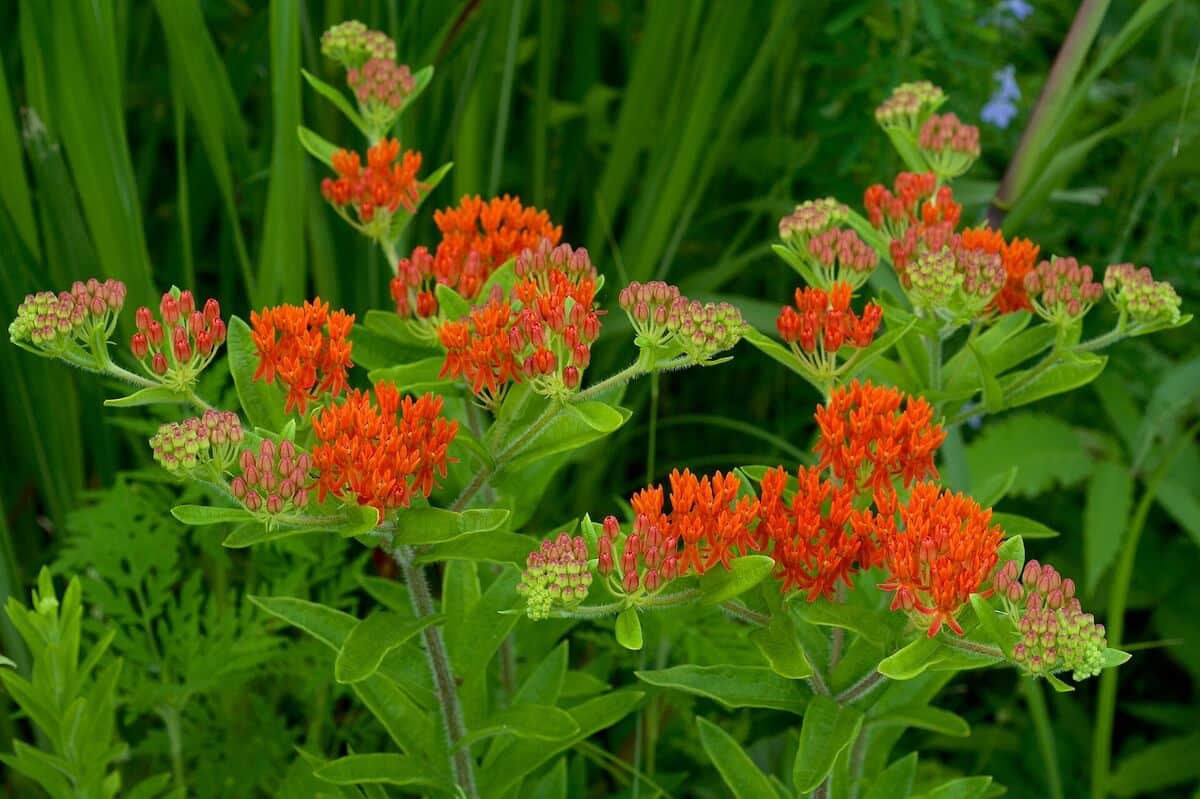
Botanical name: Asclepias tuberosa
Dimensions: 60–90 cm (24–35 in) × 60 cm (24 in)
Exposure: full sun
Soil: well-drained; tolerates poor and dry soils
Flowering: early to mid-summer
Hardiness zone: 4
A native perennial, it stands out for its bright orange flowers that attract a wide variety of pollinators. It plays a particularly important role for the monarch butterfly, whose caterpillars feed exclusively on plants of the Asclepias genus. It thrives in poor, dry soil but does not tolerate poor drainage; heavy, clay soils are often fatal to it. Its deep taproot gives it great resilience but makes transplanting difficult. Undemanding and hardy, it requires virtually no maintenance. Ideal for ecological gardens, wildflower meadows, or sunny locations, it is an excellent choice for reducing watering needs while promoting biodiversity.
11. ‘Millennium’ Ornamental Onion– 2018
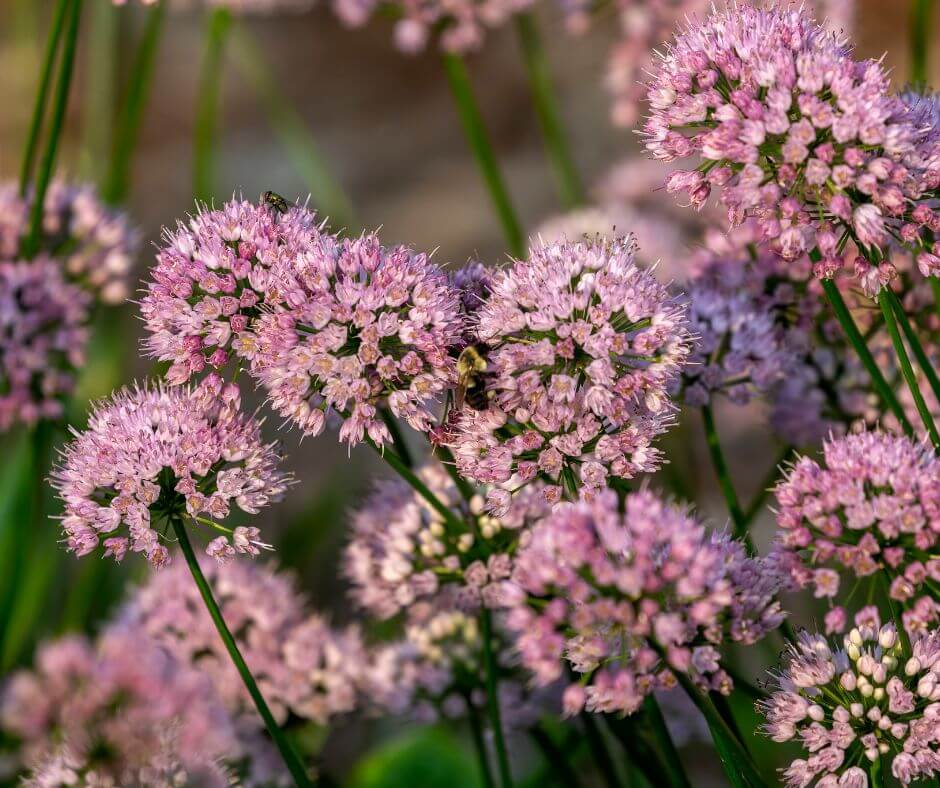
Botanical name: Allium ‘Millenium’
Dimensions: 40–50 cm (16–20 in) × 30–45 cm (12–18 in)
Sun exposure: full sun
Soil: well-drained; tolerates poor soil and drought
Flowering: July to August
Hardiness zone: 4
This is an ornamental inion that forms a dense clump of slender, dark green, glossy leaves that remain attractive throughout the season. In summer, sturdy stems bear spherical, pinkish-purple flowers that last for several weeks. Unlike many alliums, its foliage does not deteriorate over the course of the season. Very easy to grow, it tolerates drought well once established and requires little maintenance. Stable and non-invasive, it is resistant to pests and attracts many pollinators. Although very hardy, ‘Millennium’ garlic has one weakness: it does not tolerate heavy, waterlogged soils, especially during Canadian winters. It remains, however, a reliable choice for sustainable landscaping.
12. ‘Hummelo’ Betony – 2019

Botanical name: Stachys monieri ‘Hummelo’
Dimensions: 45–60 cm x 45–60 cm
Sun exposure: full sun to partial shade
Soil: well-drained; tolerates ordinary, dry, or cool soils
Flowering: late spring to summer
Hardiness zone: 3
Forming a dense clump of slightly crinkled green foliage, this perennial remains attractive throughout the season. In early summer, sturdy flower stalks bear dense, rose-purple spikes that stand out for their excellent form. Unlike many similar perennials, it does not droop and reblooms without intervention. Very easy to grow, it adapts to a wide variety of conditions and requires little maintenance. It spreads slowly to form stable clumps without becoming invasive. This variety owes its worldwide fame to the renowned Dutch landscape architect Piet Oudolf, who named it in honor of his hometown, Hummelo.
13. ‘Sun King’ Japanese spikenard – 2020

Botanical name Aralia cordata ‘Sun King’
Dimensions: 100–200 cm (39–79 in) × 100 cm (39 in)
Sun exposure: partial shade to shade (tolerates light sun)
Soil: cool, well-drained; tolerates average soils
Flowering: June to July
Hardiness zone: 3
A large-growing perennial, this plant is distinguished by its bright lime-yellow foliage, which is particularly striking in full sun or partial shade. It forms a dense, spreading clump supported by decorative reddish stems. In summer, small whitish flowers appear, followed by dark, inconspicuous fruits. Easy to grow, it requires little maintenance but needs cool soil to maintain its vigor. To minimize effort, provide a good layer of organic mulch at the base. This will help retain the moisture it so desperately needs and save you from having to use a hose. Stable and not overly invasive, it makes an excellent focal point in shaded areas. Still widely used today, it is one of the few shade-loving plants that offers the most color.
14. ‘American Gold Rush’ Black-Eyed Susan – 2023
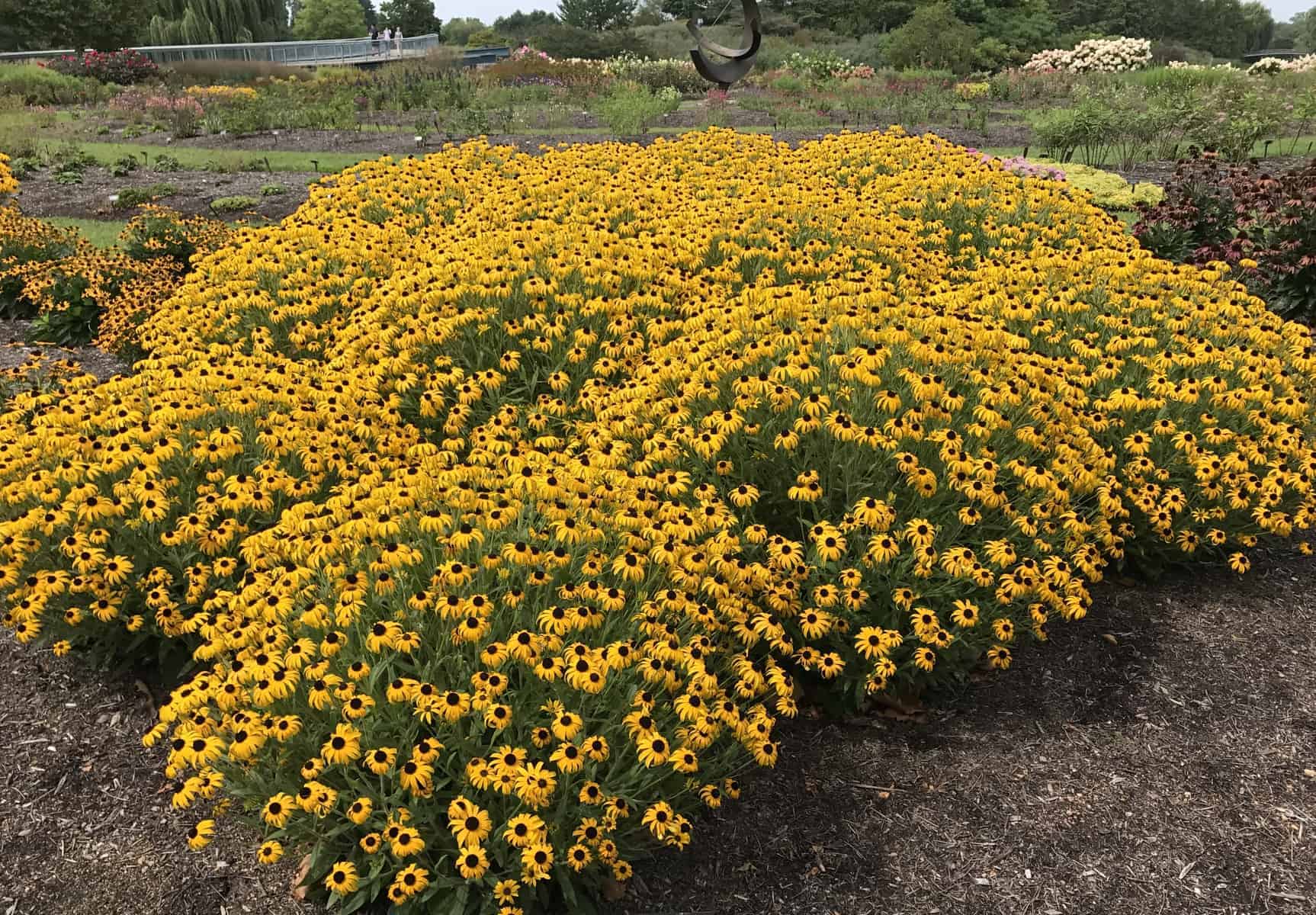
Botanical name: Rudbeckia ‘American Gold Rush’
Dimensions: 55–70 cm (22–28 in) × 80–100 cm (31–39 in)
Exposure: full sun to partial shade
Soil: well-drained, tolerates average soils
Flowering: July through fall
Hardiness zone: 4
Its dense, compact clumps are covered with an abundance of golden-yellow flowers with dark centers, often marked with a reddish halo. Its long and sustained blooming brightens the garden from midsummer until the first frosts. Its slightly downy foliage gives it excellent disease resistance, particularly against leaf spot, which affects many rudbeckias. Easy to grow, it tolerates heat and drought well once established, but it tends to self-seed slightly. Still as reliable today, it is a welcome replacement for older, more susceptible varieties.
15. Mountain mint – 2025
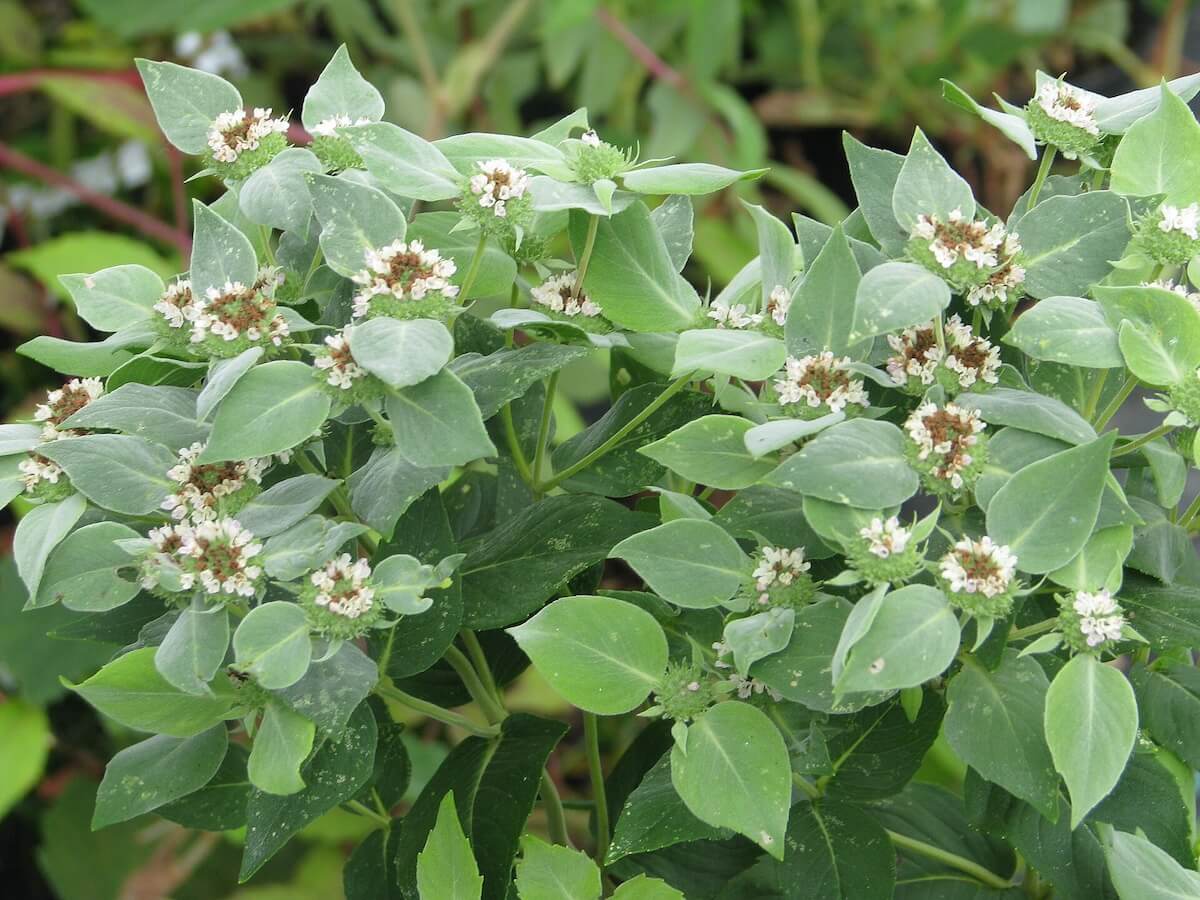
Botanical name: Pycnanthemum muticum
Dimensions: 60–100 cm x variable
Exposure: full sun to partial shade
Soil: cool to moist, well-drained, tolerates clay
Flowering: July to September
Hardiness zone: 3
Native to North America, this perennial forms a dense mass of upright stems with aromatic foliage. Its small, pale flowers are surrounded by silvery bracts that create a very distinctive frosted effect throughout the summer. It is extremely attractive to pollinators and plays an important role in ecological gardens. Easy to grow and not prone to disease, it requires little maintenance. However, it can spread vigorously via rhizomes, especially in cool soils, making it better suited for naturalistic plantings. It is an excellent choice for promoting biodiversity.
0 comments on “15 Award-Winning Perennials That Have Stood the Test of Time”