
You’ve spent weeks pampering your seedlings. Perfect lighting, careful watering, and carefully monitored temperatures. And then, you transplant your little tomato plants into their final pots—or worse, directly into the ground (but not just yet, okay!)—and the next morning, instead of looking happy and grateful, they give you the fright of your life.
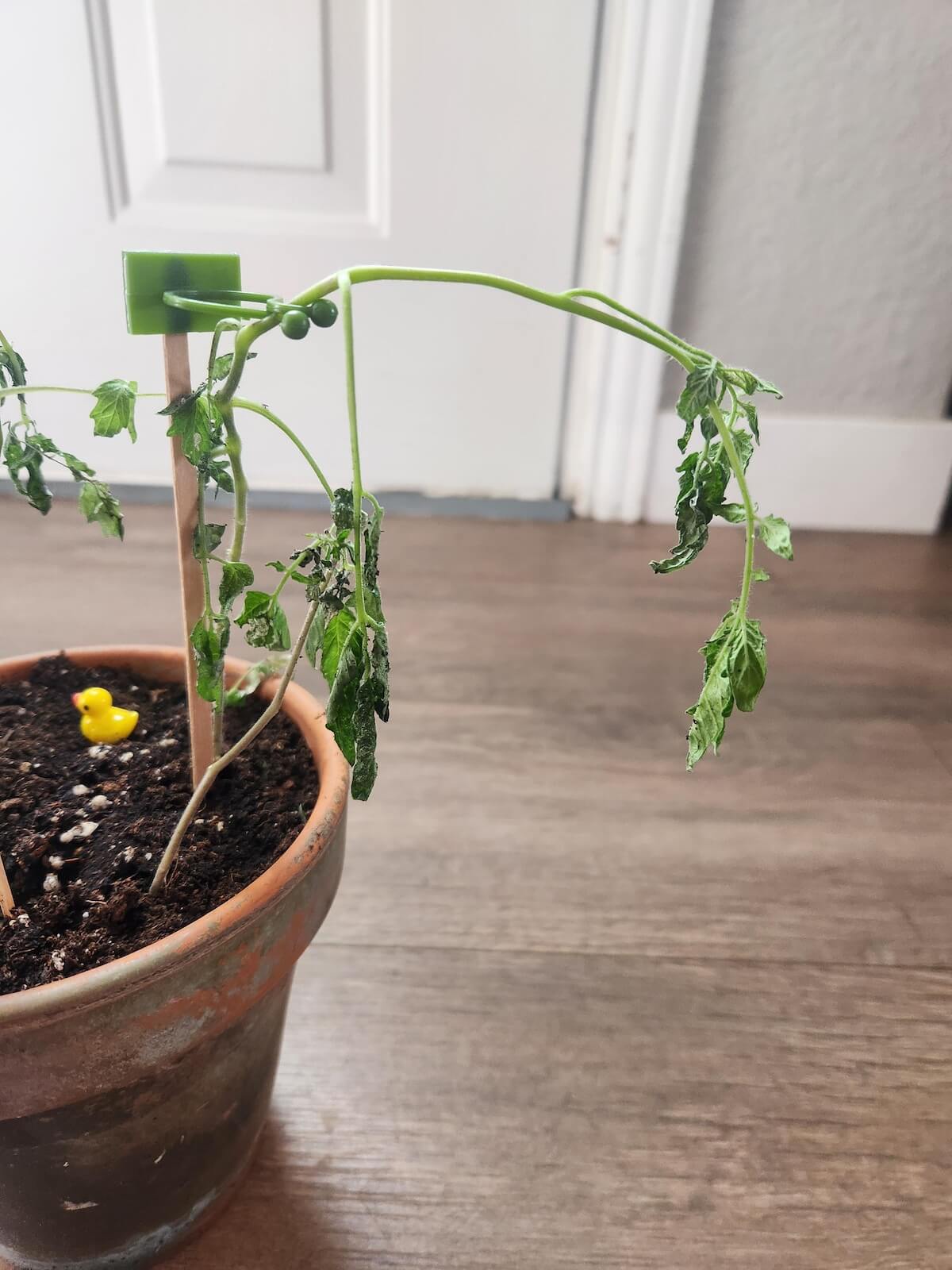
Welcome to the world of transplant shock! That wonderful moment when your plant makes it painfully clear that it really doesn’t appreciate being moved.
Good news: it’s usually nothing to worry about. Bad news: it’s inevitable. So, you might as well understand what’s really going on, right?
The real culprit: absorbent fibers
When we think of roots, we often picture those large, sturdy, branched structures that anchor the plant in the soil. But the absorption of water and nutrients is primarily the job of root hairs—tiny, microscopic extensions found along the entire length of the roots. A single plant can have thousands of them. Their role? To dramatically increase the surface area in contact with the soil to capture as much water as possible.
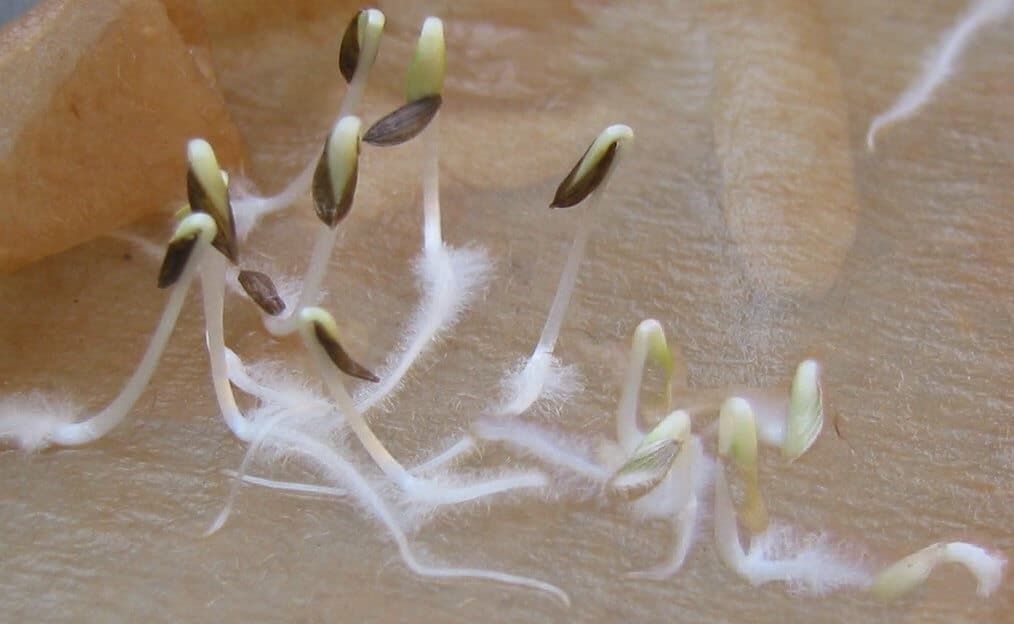
People often wonder when a seed isn’t planted deep enough: is that white fuzz mold? No! Those are the hairs of the first root!
And these little hairs are extremely fragile. During transplanting, even the most delicate in the world, a good portion of them are inevitably broken. For a young tomato plant removed from its small cell, the damage is less catastrophic, but very real.
The result? The plant suddenly finds itself with a greatly reduced ability to absorb water. Except that its leaves continue to transpire water as if nothing were wrong. It is this imbalance—too many leaves for too few functional roots—that causes the characteristic wilting. It’s not that your plant lacks water in the soil. It’s that it temporarily no longer has the means to access it.
And at this point, a gardener sowing seeds for the first time usually panics! They add more light, water more, and end up really harming their plants. The experienced gardener, on the other hand, pulls out their violin and handkerchiefs and plays along, pitying the poor dramatic diva… But without lifting a finger to help!
A move that’s stressful in every way
It’s not just the roots that suffer. The plant also has to adapt—often all at once—to a whole host of new conditions. Your seedlings go from being small plants under LED lights to medium-sized plants near the sunroom. And in a few weeks (hopefully!), from medium-sized indoor plants to large outdoor plants. These changes in location—often linked to repotting—bring with them: different light, varying temperatures, wind (something they’ve never experienced!), different humidity, new soil composition… In short, the plant must literally recalibrate its entire functioning all at once.
To top it all off, some of the mycorrhizal fungi—those beneficial fungi that live in symbiosis with the roots and help them absorb nutrients—don’t survive transplanting either. Your plant has to start from scratch to rebuild these precious underground partnerships.
That’s a lot to handle all at once. No wonder it’s acting like a diva.
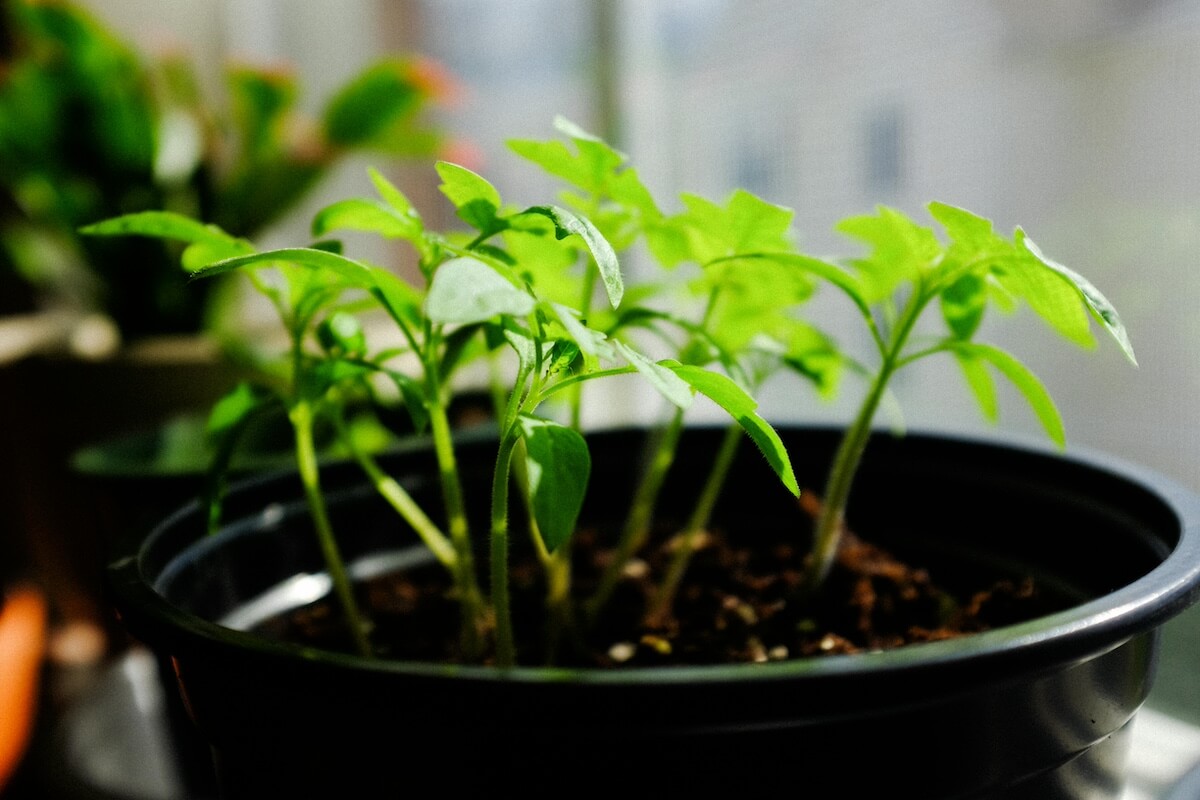
But your tomatoes will be just fine. I promise.
Here’s the good news: the plants we choose to start indoors in Quebec—tomatoes, bell peppers, chili peppers, eggplants, and celery—are precisely the types that tolerate transplanting well. They have fibrous, resilient root systems that quickly regenerate their absorbent root hairs once they’re in favorable soil. That’s one of the reasons we start them indoors in the first place: they handle being moved well.
The plant that wilted the day after transplanting? It will usually recover within a few days, sometimes a few hours if conditions are good. Growth may then seem to stall for a week or two: this is the plant investing all its energy into rebuilding its root system rather than above-ground growth. This is normal and even desirable.
The first new leaves that appear after this pause? That’s the sign that the crisis is over. The plant has regenerated its absorbent hairs, reestablished its relationship with its fungal partners, and is ready to take off for good.

A few simple steps to help (without going overboard)
Even though this shock is inevitable, there are a few small things that make a real difference. First, water your plant thoroughly in its pot a few hours before transplanting it. A well-hydrated plant handles the stress of transplanting better than one that was already thirsty, and since the roots will be softer, they’re less likely to break. Next, if possible, transplant in the evening (or on a cloudy day when placing them outside) rather than in the midday sun—this gives your plant a full night to begin recovering before facing the intense light from your LEDs or your south-facing window.
Handle the root ball as little as possible. It is precisely because the absorbent hairs are so fragile that seedling trays have revolutionized seedling cultivation: each plant has its own space and can be removed without disturbing its roots. The less you break up the soil around the roots, the less you damage these precious hairs.
And finally, water thoroughly after transplanting. Not to drown the plant—the roots also need oxygen—but to ensure good contact between the roots and their new soil. It is this contact that allows the absorbent hairs to regenerate quickly.
Transplant shock: temporary… or not?
Transplant shock is a bit like the first day on a new job. Everything is different; you haven’t found your bearings yet, and you’re not operating at full capacity. But for the vast majority of our seedlings, it passes quickly. In a week, your tomato plant will have forgiven you.
However, there are some plants for which this shock isn’t temporary—it can even be fatal! These are plants for which moving, even the most careful move in the world, is a trial of a completely different nature. It’s not exactly transplant shock that’s the problem—it’s more their underlying biology that makes transplanting risky. I’ll be back next week with their story!
Spikes and obstacles appear continuously in space waves, requiring extremely high reflexes.
Really enjoyed this post because transplant shock gets overlooked so often, especially by beginners who think a droopy tomato means instant failure.
One thing that also seems to help tomatoes is transplanting later in the day or on a cloudy evening to reduce stress from direct sun during the first 24 hours.
Really helpful explanation of transplant shock especially the part about root hairs, water uptake, mycorrhizal fungi, soil contact, and recovery growth. Many beginner gardeners mistake wilting tomato seedlings for a watering issue, when it’s often just a normal root-system reset after repotting or moving plants outdoors. The reminder to transplant in the evening, reduce root disturbance, and monitor new leaf growth is practical advice that can save an entire vegetable garden season.
I also like how this article turns a stressful gardening moment into something understandable and manageable. Clear educational content like this performs well because readers search for terms such as tomato plant drooping after transplant, seedling shock, raised bed planting tips, container gardening tomatoes, pepper transplant recovery, and seasonal gardening solutions. In the same way, applications like magis tv costa rica grow through helpful topic-focused content that solves user questions quickly and naturally. Great post for anyone building healthier tomatoes, peppers, eggplants, and a more productive home garden.