
I’ll admit it: I’m not only a lazy gardener, but also a cheap one. So nothing shocks me more than buying the same plant twice under two different names. After all, it’s illegal to sell fish while claiming it’s chicken. Why, then, can a nursery owner get away with selling plants under false names?
Linnaeus’ binomial system
Linnaeus’s binomial system was specifically designed to put an end to the confusion caused by plant naming. The same plant should bear the same name everywhere in the world. Thus, the common lilac is called Syringa vulgaris in Quebec, but also in China and Hungary. Bravo, Linnaeus!
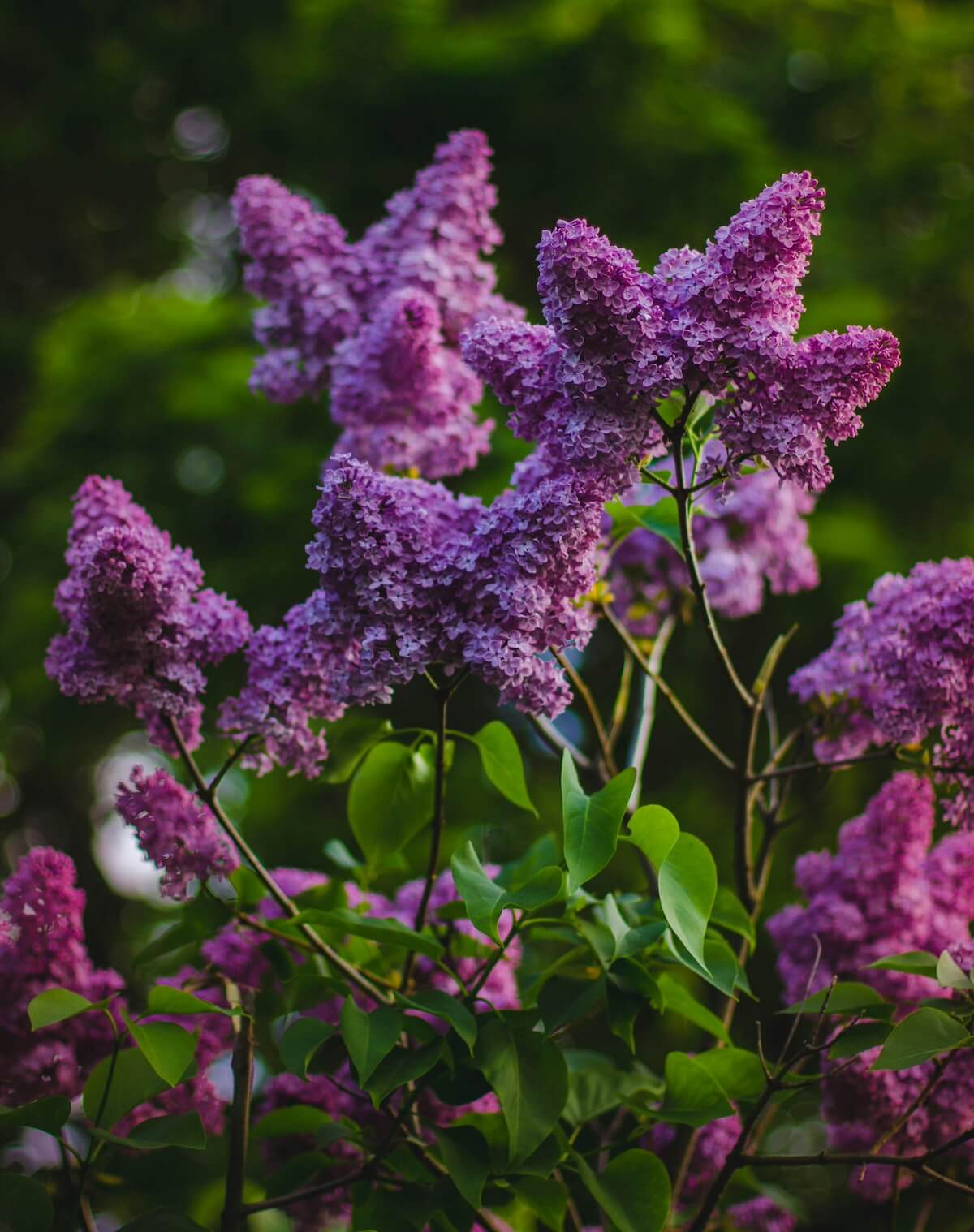
Since Linnaeus’s time, however, hybridization has been discovered. Instead of having only two varieties of Syringa vulgaris—the normal form with lilac flowers (S. vulgaris) and a white-flowered variety (S. vulgaris alba)—there are now more than 1,000 known cultivars. Botanists therefore came up with the idea of adding a cultivar name (= cultivated variety) to the botanical name, which should always be written in single quotation marks and in the same way in every country around the globe. Examples include S. vulgaris ‘Sensation’ and S. vulgaris ‘Krasavitsa Moskvy’. Up to this point, consumers are fairly well protected. There is little risk of confusion!
Cultivars, translations, trademarks, and registered trademarks
However, some nursery growers were unhappy with this international standardization. Since selling plants was more important to them than giving plants their proper names, they decided to ignore international conventions and “translate” foreign names—or even invent completely different ones. How many consumers have unknowingly been fooled into buying a lilac called S. vulgaris ‘Krasavitsa Moskvy’ under the name “Beauty of Moscow” or “Beauté de Moscou”? Believe it or not, I have even seen identical plants carrying all three names in the very same nursery!
Not content with misleading us through altered cultivar names, these merchants found yet another strategy. More and more often, plant names are now followed by the superscript ™ or ®, the first meaning trademark and the second “registered trademark.” These are not cultivar names, but additional names owned by a seller. Indeed, it is now possible to take almost any plant and market it under whatever name you choose. All it takes is filling out a form and paying a small fee to register the new name—and that’s it!
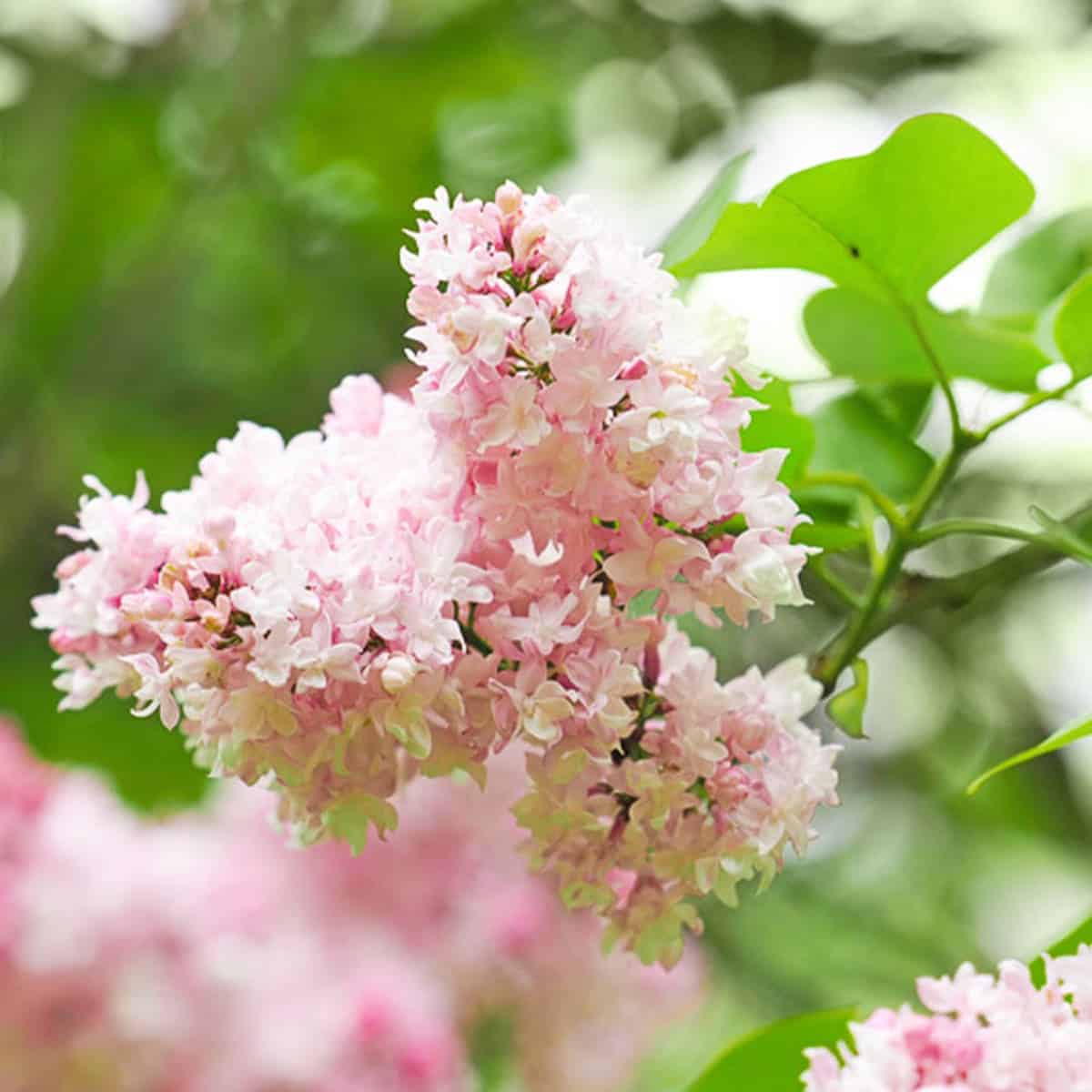
This practice was originally created for an entirely legitimate reason: to protect the rights of plant breeders. You see, a cultivar name automatically fell into the public domain. If someone created an extraordinary new plant and introduced it to the market using only its cultivar name—say Lilium ‘Canadian Beauty’—a neighbor could legally propagate and sell the very same plant under the same name. In that case, the breeder’s hybridizing efforts received no financial reward whatsoever.
Patents and Exclusivity
With the system of plant breeder’s patents, however, a hybridizer can secure exclusive rights to a name for 20 years. Only after that period does the plant fall into the public domain. Twenty years of exclusivity is enough to make hybridizing financially worthwhile, and as a result, you will increasingly see plants carrying two names (since every hybrid must also have a legitimate cultivar name).
Thus, if you purchase a winterberry holly (Ilex verticillata) Berry Nice®, you should also find its true cultivar name on the label: ‘Spriber’. In other words, I. verticillata Berry Nice® and I. verticillata ‘Spriber’ are one and the same plant. Already confused? It’s not over yet!
Trademark infringement
The drawback of a plant patent is that it expires after 20 years. During those 20 years, any nursery selling the plant must pay royalties to the hybridizer or the company that owns the rights. After that, the income stops. So a new trick was devised: the trademark, identified by ™. Anyone can reserve a trademark for a plant—even if they are not the original breeder—as long as the plant is no longer protected by a patent.
In many nurseries, old cultivars that are no longer patented and have therefore entered the public domain are being repackaged under trademarked names and marketed as exciting new introductions. In another nursery, the very same plant may be sold under the store’s own trademark. Thus, Buddleia davidii ‘Monum’ is sold under the name Nanho Purple™ by some growers and Petite Plum™ by others. Yet it is exactly the same plant!
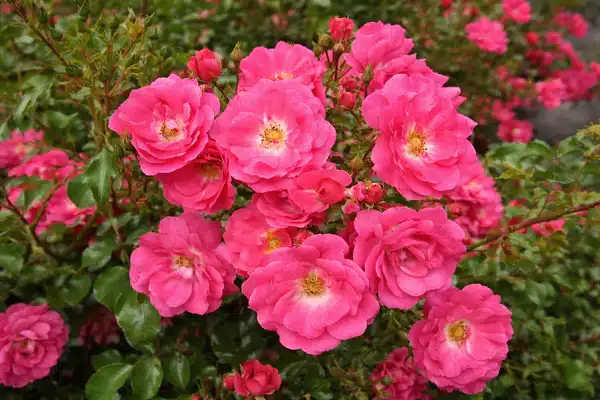
Sometimes the confusion is taken so far that the very same plant is sold under four or five different names. Did you know, for example, that all the roses in the Flower Carpet series are marketed under multiple names? The cultivar ‘Noatraum’ is sold under the names Pink Flower Carpet®, Emera®, Flower Carpet®, and Pavement®. In the end, it is the consumer who pays the price by unknowingly buying the same plant two, three, or even four times under different names.
The solution?
There is a solution to all of this, however. Legally, sellers of patented and trademarked plants are required to indicate the true name—the cultivar name—on the sales label. Unfortunately, few actually do. So, if you see a plant bearing the ® or ™ symbol and no cultivar name is provided, complain about it… and refuse to buy it. If we all did this, dishonest sellers would quickly realize that their trickery no longer works and would be forced to ensure that the cultivar name is clearly visible. Then you could purchase plants without fear of being misled.
“No cultivar name? I’m not buying it!”—that should be the motto of 21st-century gardeners.
Larry Hodgson has published thousands of articles and 65 books throughout his career, in both French and English. His son, Mathieu, has made it his mission to make his father’s writings accessible to the public. This article was originally published in Fleurs, plantes, jardins in May 2002.
What a thought-provoking post! Breaking down the “tower of babel” in horticulture is definitely a fresh perspective. After spending long hours planning my own garden plots, I find it so refreshing to switch gears. If you’re looking for a different kind of outdoor thrill, I’ve been enjoying Snow Rider 3D—it’s a great way to clear my mind after a busy day in the soil!
This is such a frustrating issue for gardeners! It’s so easy to accidentally buy the same plant twice when nurseries use different names. I appreciate you shedding light on this horticultural confusion, it feels like a real cheat or repeat situation for consumers.
Nice article. For anyone into AI video, Omni Video has been a game changer for my workflow.
If we just purchase straight species natives we’d have no problems with this issue, and so much better for the environment. However, i do hear and respect what you’re saying. Thanks for letting us know.
Oh, this is one of my pet peeves! and SO many plants lack their species name, and go straight from genus name to cultivar name!