
Mock orange
Can you recommend a species of Philadelphus that is well-suited to our climate?
Answer
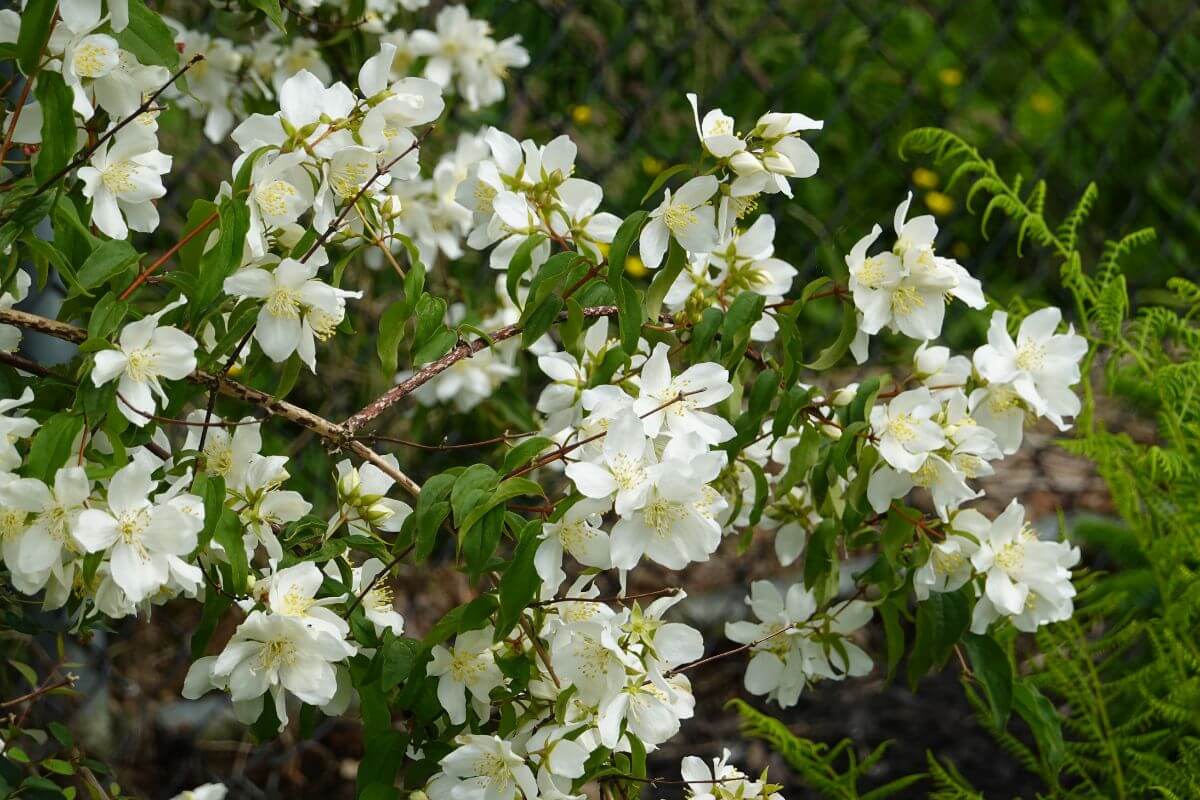
Try the Lewis mock orange (Philadelphus lewisii) or one of its cultivars, such as ‘Blizzard’. This species, native to Alberta, is perfectly hardy here and flowers abundantly every year, whereas the “classic” mock oranges (P. coronarius and its hybrids, including P. × virginalis), which originate from southern Europe, survive in our climate but do not manage to bloom reliably every year. The flower buds of European mock oranges often freeze above the snow line, which explains the lack of blooms even though the shrub itself survives.
Rhododendrons and the ups and downs of Spring
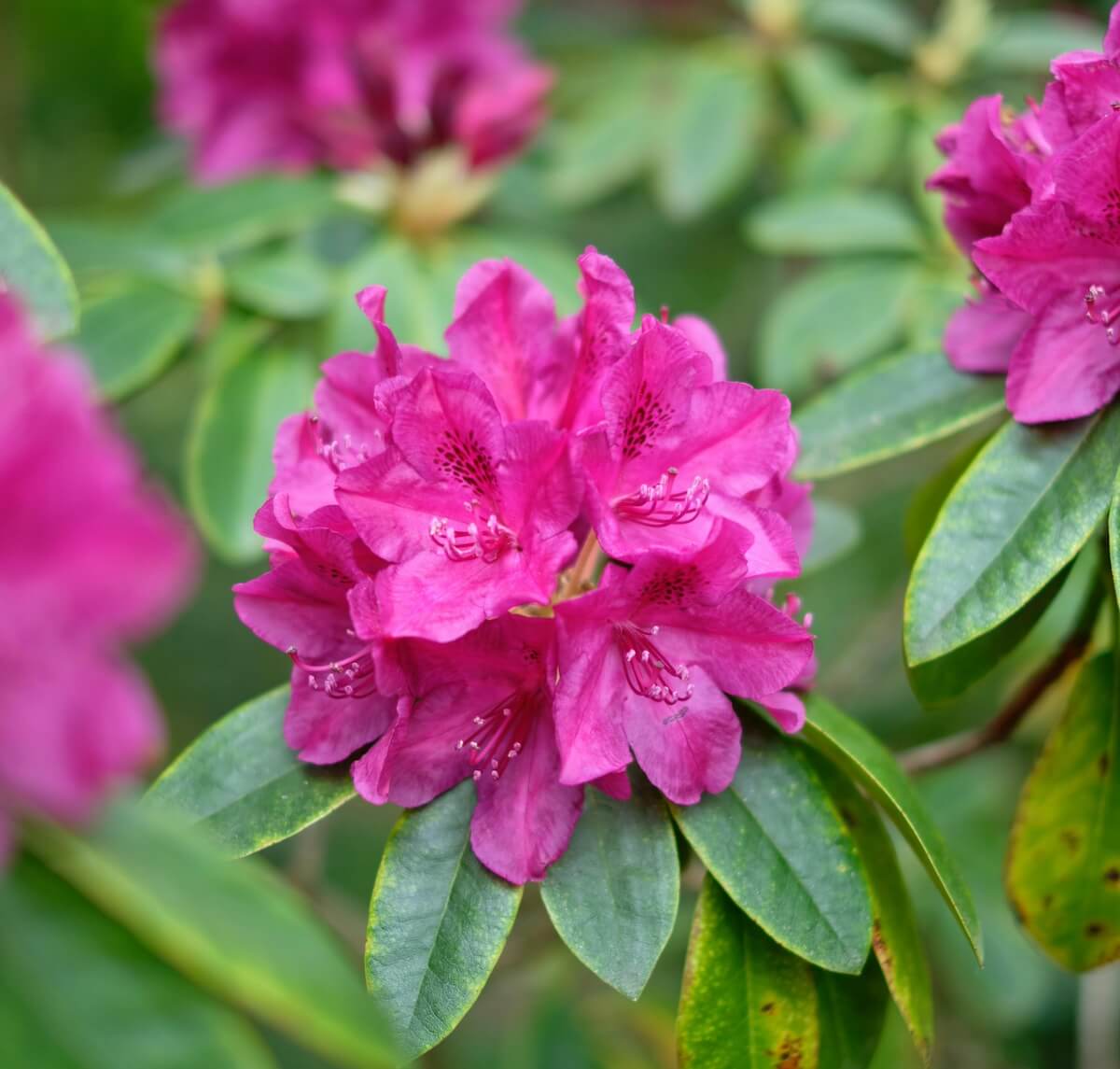
I have a beautiful rhododendron that I protected over the winter and recently brought out of dormancy. However, we’ve had frost and even snow since then. Should I cover it again?
Answer
Don’t cover it under any circumstances! “Winter covers” often do more harm than good if left on for too long! Remember that the purpose of winter protection isn’t to shield plants from the cold (unfortunately, that’s impossible), but to reduce the drying effect of harsh winter winds. Since there’s no longer a risk of temperatures dropping to -35°C (-31°F), your plant no longer needs protection.
A chestnut tree with a sad look
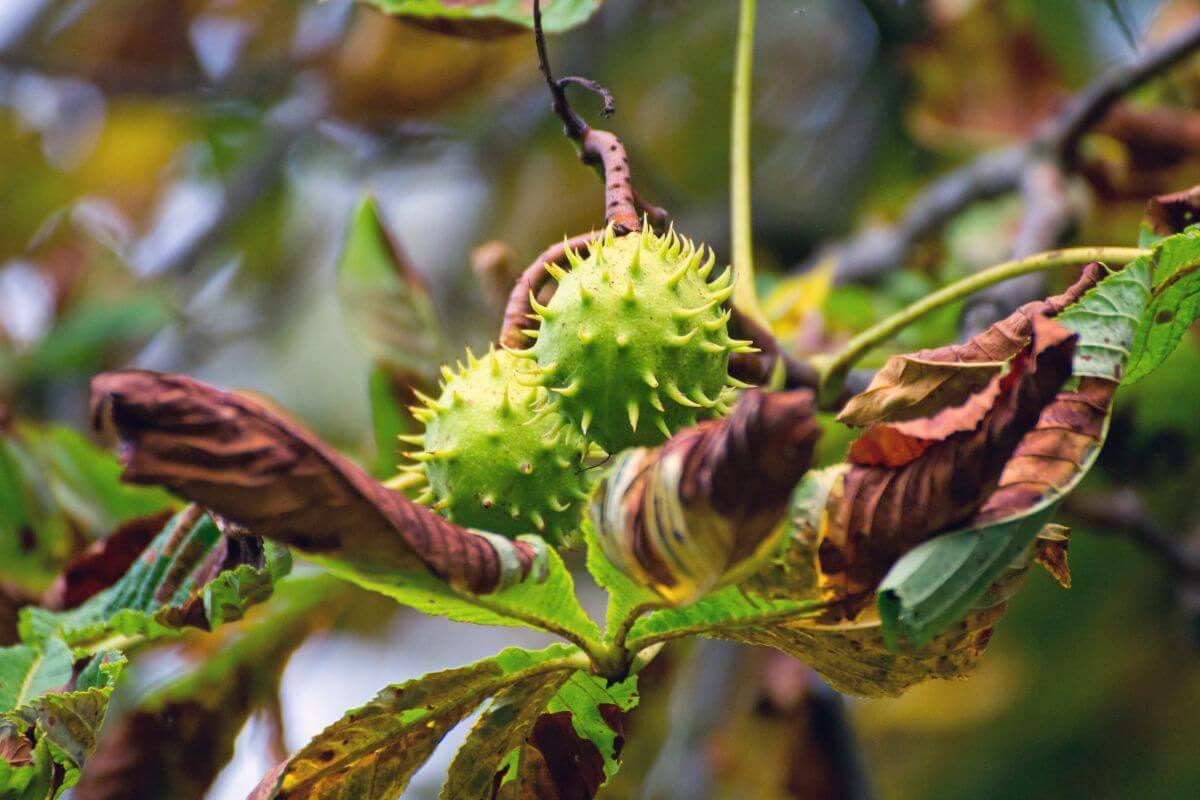
I have a chestnut tree that produces beautiful buds and leaves in early summer… but then things go wrong: it doesn’t bloom, and little by little the leaves turn yellow, develop rust-colored spots, and curl up. I give it compost, mulch, and plenty of water. How can I turn it into a magnificent tree like the one I had about twenty years ago, in zone 4b?
Answer
The horse chestnut (Aesculus hippocastanum) is not especially recommended for our region because of its limited hardiness (Canadian zone 5b / USDA zone 6). (Some authors rate it as hardy to zone 4b / USDA zone 5, but in my opinion, that’s a bit generous.) Yes, it survives in our climate, but it is often damaged during winter, or its flower buds freeze, preventing it from blooming.
In addition, because our climate causes significant stress, it becomes highly susceptible to various diseases, including leaf blotch and powdery mildew, which disfigure the foliage in summer. You are right to mulch it, because keeping the soil evenly moist helps reduce disease problems. However, your comment that it “receives a lot of water” worries me a little, because I’m concerned you may be overwatering it. In our climate, watering is rarely necessary except for vegetable gardens and plants grown in containers. Too much water can cause just as much stress (and the diseases that follow) as too little. With a good mulch, supplemental watering should only rarely be needed.
That said, I’m not surprised you’ve had some success with this tree. Certain horse chestnuts do seem to establish well in the region and can even bloom abundantly. The problem is that horse chestnuts sold in nurseries usually come from elsewhere (especially Oregon) and are not truly adapted to Canadian climate. I suggest collecting a few chestnuts from a tree that grows well locally and shows no signs of disease. By planting those seeds, you will have a much better chance of obtaining a healthy, floriferous tree that is sufficiently cold hardy for our region, namely Canadian zone 4b / USDA zone 5.
Thank you for this insightful post! It’s so reassuring to learn about plants that thrive in my climate. I’ve often struggled with figuring out what to plant, but now I feel more confident exploring native species. Last year, I added some local wildflowers and they were a hit! space waves