


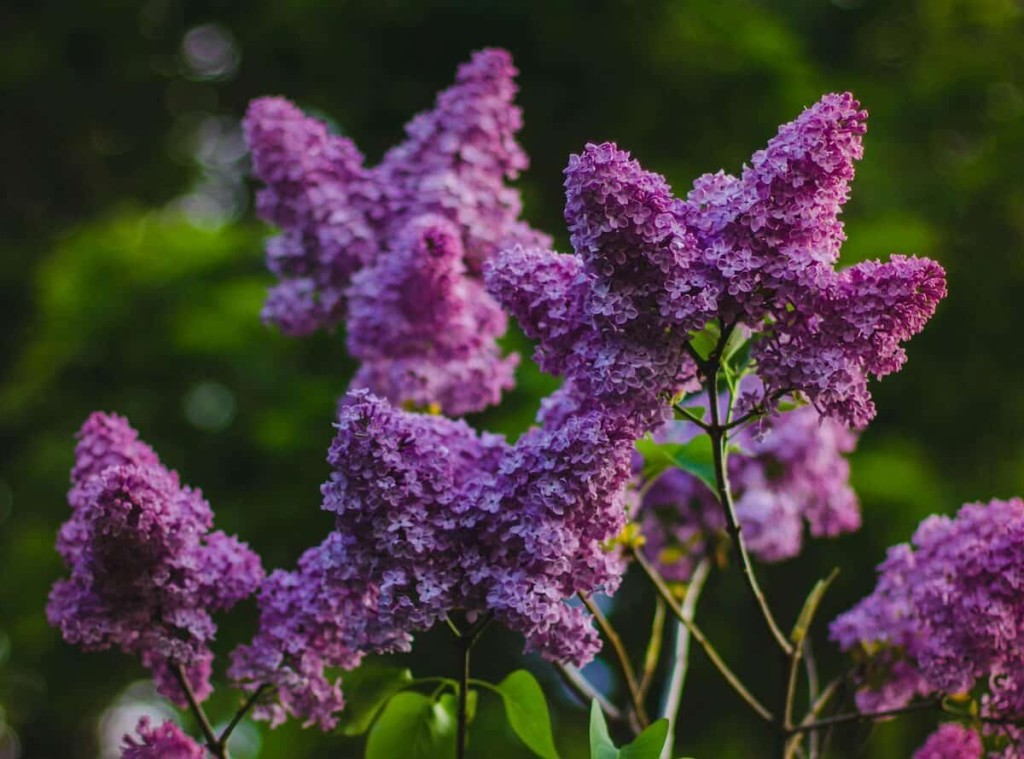
Depending on where you live, lilacs may still be in bloom, ended their flowering season, or, in cooler regions, just beginning their fragrant display. In any case, keep in mind that the best time to prune lilacs—and many other spring-flowering shrubs—is in the weeks following their bloom. Grab your pruning shears… at least, if your lilacs really need it! Since it’s lilac season, it’s also the perfect time to learn more about these shrubs that fill our springs with fragrance.
Prune lilacs immediately after they bloom.
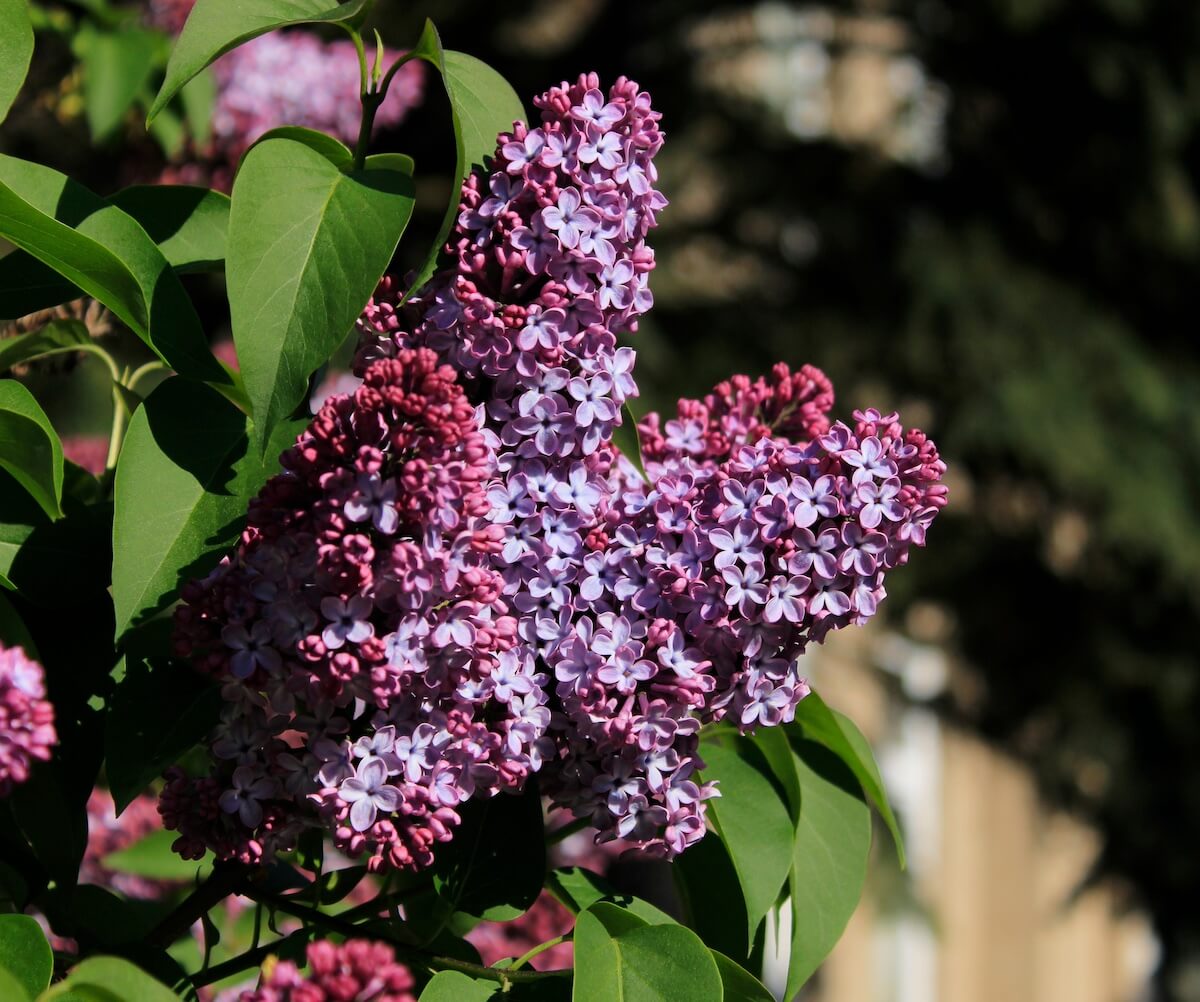
To ensure beautiful blooms year after year, it is best to prune lilacs in the weeks following the end of their blooming period. Starting in the summer, the shrub begins to form the flower buds that will produce the following spring’s blooms. Pruning later in the season may therefore remove some of these future buds and reduce the following year’s bloom. In addition, late pruning can stimulate the growth of new shoots that won’t have time to harden off properly before winter. The few weeks following flowering are therefore the best time to perform more extensive pruning.
For more information: Can I Prune a Lilac in August? by Larry Hodgson.
To keep your lilac young and blooming, prune its oldest branch close to the ground every year
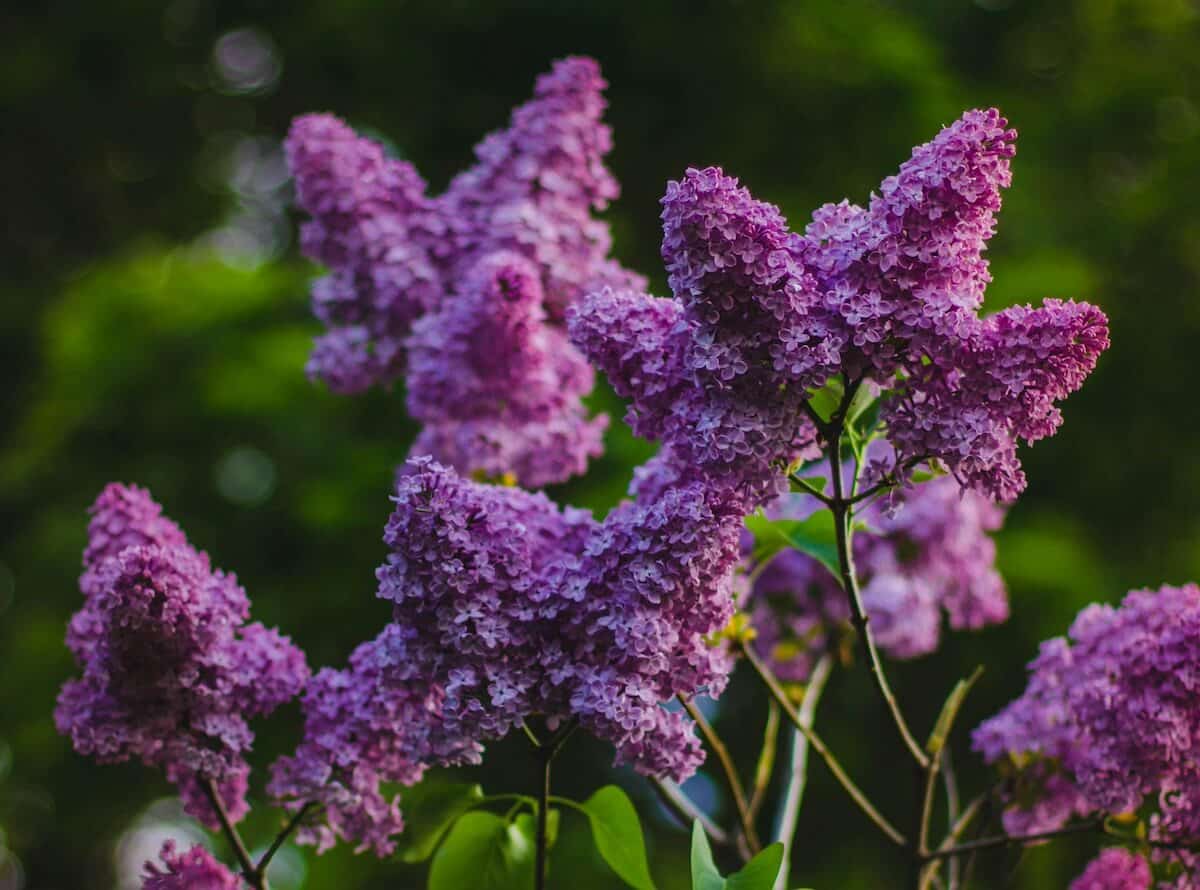
To keep a common lilac (Syringa vulgaris) young and floriferous, simply remove its oldest branch—usually also the tallest one—each year by cutting it back to ground level or as close to the ground as possible. As they age, these old branches often bloom less profusely, may even stop blooming altogether in some years, and cast shade on the younger branches, thereby reducing the overall flowering of the shrub. By removing an old branch within a few weeks after flowering, you stimulate the growth of new, vigorous shoots from the base.
These new branches will generally begin to bloom after three to five years, most often around their fourth year, but this gradual renewal helps maintain abundant flowering without having to severely prune the shrub. Repeated year after year, this simple procedure keeps the lilac bush denser, more balanced, and more floriferous, and keeps its fragrant flowers at an accessible height rather than at the top of a bush that can reach 6 to 7 meters in height.
For more information: Prune one branch per yearKeep Your Lilac Young: Remove Its Oldest Branch Each Year by Larry Hodgson.
To rejuvenate an old lilac bush, gradually remove the oldest stems rather than cutting everything down at once
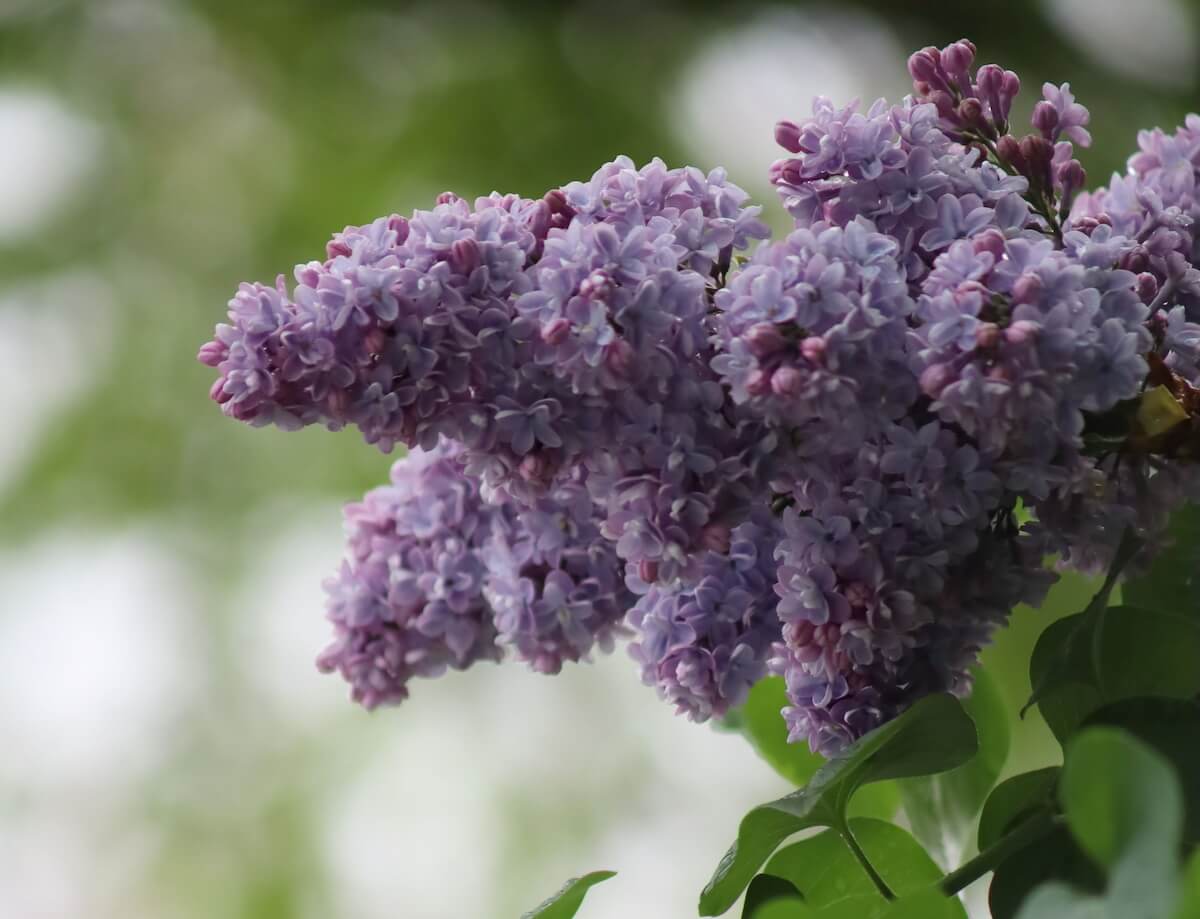
As a lilac ages, its trunks grow thicker and thicker, the flowers grow higher up, and the shrub gradually loses its appeal. To restore its youthful appearance, it is best to proceed gradually by removing one or more of the oldest trunks each year about 10 cm from the ground, rather than cutting back the entire plant all at once. This method preserves some flowering while encouraging the growth of vigorous young shoots that will take over. After removing the old trunks, keep the best-positioned young stems and remove excess suckers to promote a balanced structure. Done immediately after flowering, this gradual rejuvenation allows the lilac to regain a more balanced shape, more accessible blooms, and a youthful appearance within a few years.
For more information: How to Rejuvenate an Old Lilac? by Julie Boudreau.
Do not prune a freshly transplanted lilac
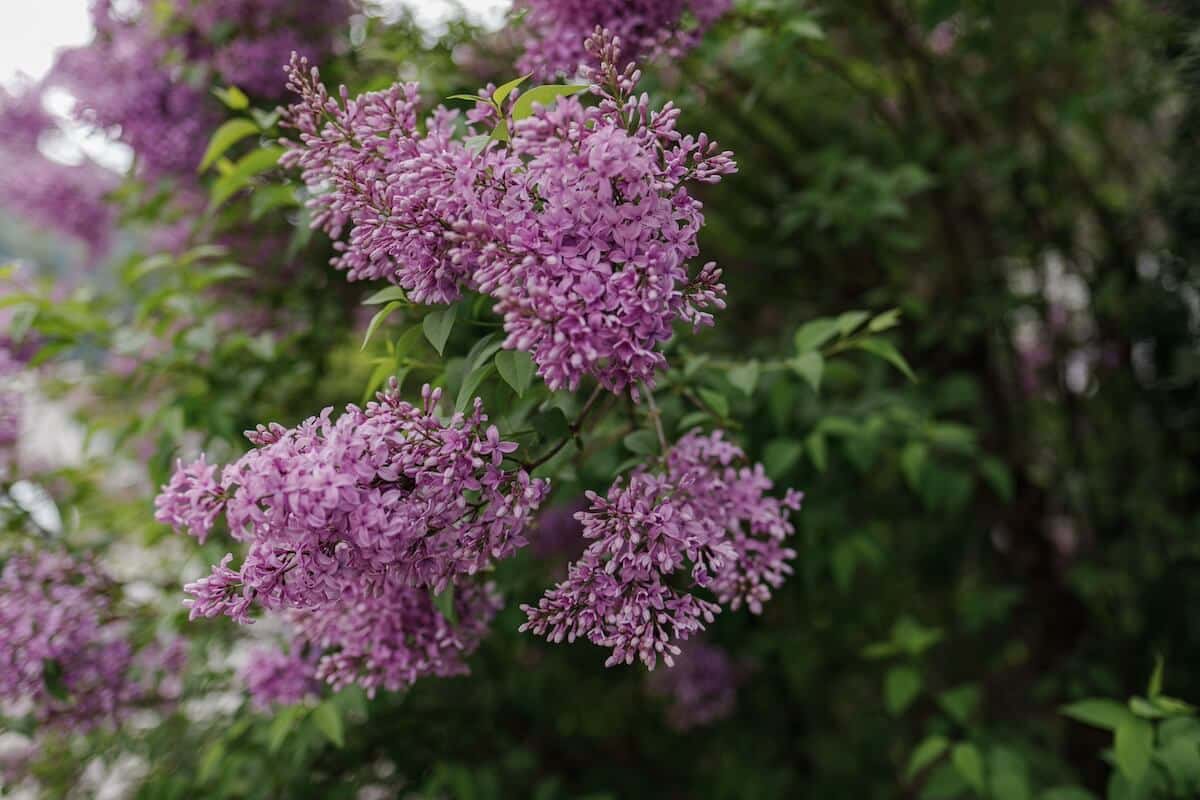
During the first year after transplanting, pruning is generally not necessary, except for the removal of dead or damaged branches. Renewal pruning, which involves removing old branches, as well as rejuvenation pruning reserved for older plants, is only beneficial for lilacs that have been well-established for several years. Even the removal of spent flowers, often done out of habit, is unnecessary for stimulating future blooming. In most cases, the best approach is therefore simply to let the transplanted lilac grow and give it time to settle in.
For more information: No Need to Prune Freshly Transplanted Lilacs, by Larry Hodgson.
There’s no need to remove wilted lilac blossoms to improve flowering the following year
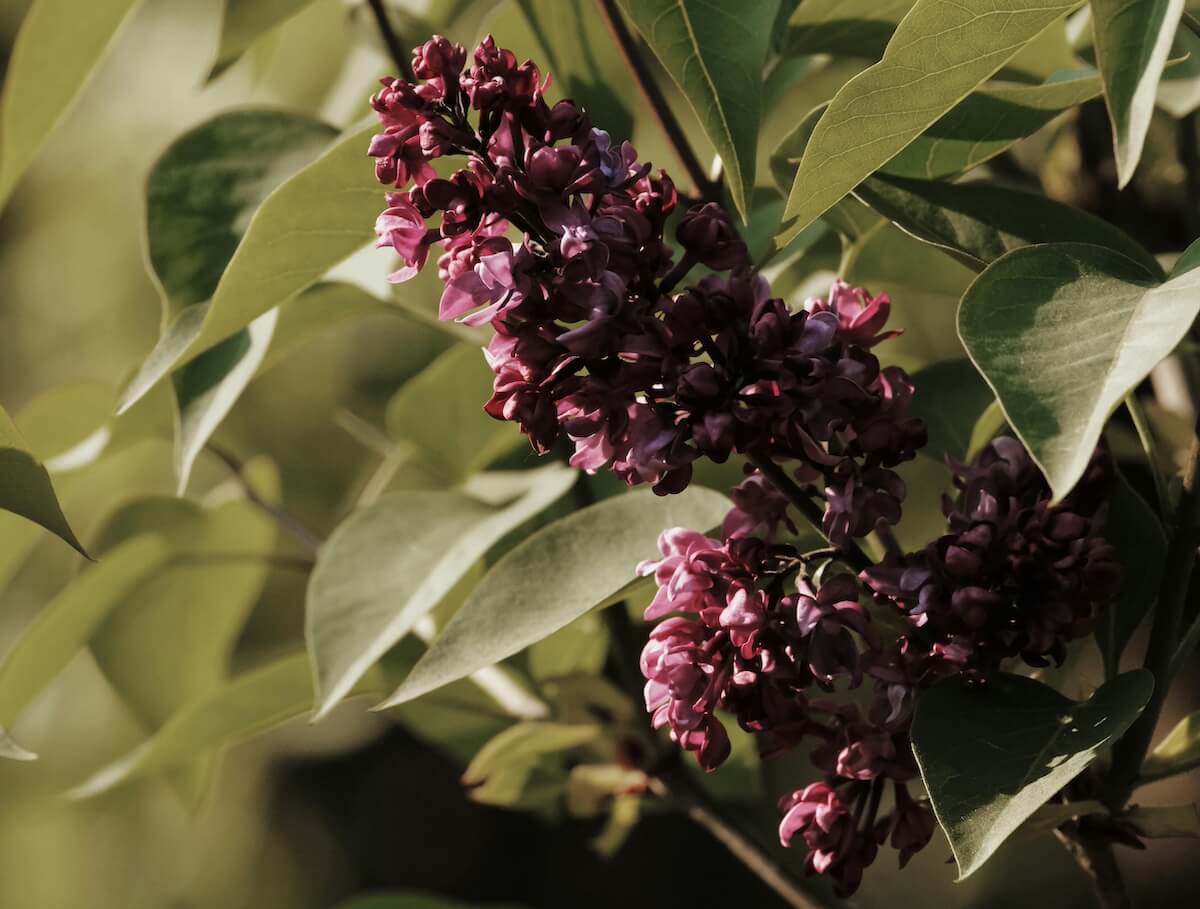
Contrary to popular belief, removing spent flowers from a common lilac does not increase flowering the following year. Although seed production requires energy from the plant, this effect is particularly significant in annuals, which must produce seeds to ensure their survival. Common lilacs, like most long-lived shrubs, have sufficient reserves to ensure their annual flowering and do not depend on a single reproductive season. Furthermore, most cultivars naturally tend to alternate between years of heavy and light flowering. Thus, removing spent flowers generally does not result in more flowers the following year. If the presence of seed pods bothers you, you can remove them for aesthetic reasons, but this practice does not provide any significant benefit to flowering.
For more information: Garden Myth: Deadheading Lilacs Improves Bloom, by Larry Hodgson.
The white substance on lilac leaves is generally harmless and does not require any treatment

Powdery mildew, also known as oidium, often appears on the leaves of common lilacs, the species most frequently affected by this disease. Although unsightly, this fungus is generally harmless to the shrub. Since it occurs mainly at the end of the season, when the lilac has already built up the reserves needed for growth and flowering the following year, it affects neither its health nor its future flowering. This disease mainly affects aging leaves and is more a sign of senescence than a serious problem. In most cases, therefore, there is no need to treat or spray against powdery mildew. It is better simply to provide the lilac with good growing conditions, including full sun, good air circulation, and well-drained soil.
For more information: Powdery Mildew on Lilacs, by Larry Hodgson.
Lilac flowers can be used in cooking

Although their flavor is much more subtle than their scent, lilac flowers can be used to flavor various dishes. They are particularly well-suited for syrups, herbal teas, flavored sugars, and other recipes where their delicate aroma can be extracted through infusion. For best results, it is best to harvest fully open flowers and remove the stems before use, as the stems have a much more pronounced grassy taste than the flowers themselves. Lilacs generally produce abundant blooms, allowing you to harvest a small amount without harming the tree or the insects that visit it.
For more information: In Mother Nature’s Garden: Lilacs by Audrey Martel.
Lilacs are among the easiest shrubs to grow in our climate. With a few well-chosen steps—and much less pruning than people often think!—they can bloom profusely for decades. All that’s left for you to do is enjoy their intoxicating fragrance, because lilac season always goes by too quickly.