
In late April, I sow my lettuce and spinach with the usual springtime enthusiasm. You know that feeling—that little thrill of summer as you press the seeds into the half-frozen soil? By late May, I’m still waiting. No beautiful, tender leaves ready to harvest: just a few tiny cotyledons, barely three or four millimeters wide, looking at me with a pitiful expression. I would have been tempted to comfort them, but I think it’s me who needs comforting… Well, yes: my lettuce went to seed a few years ago, and now it’s giving me the cold shoulder!
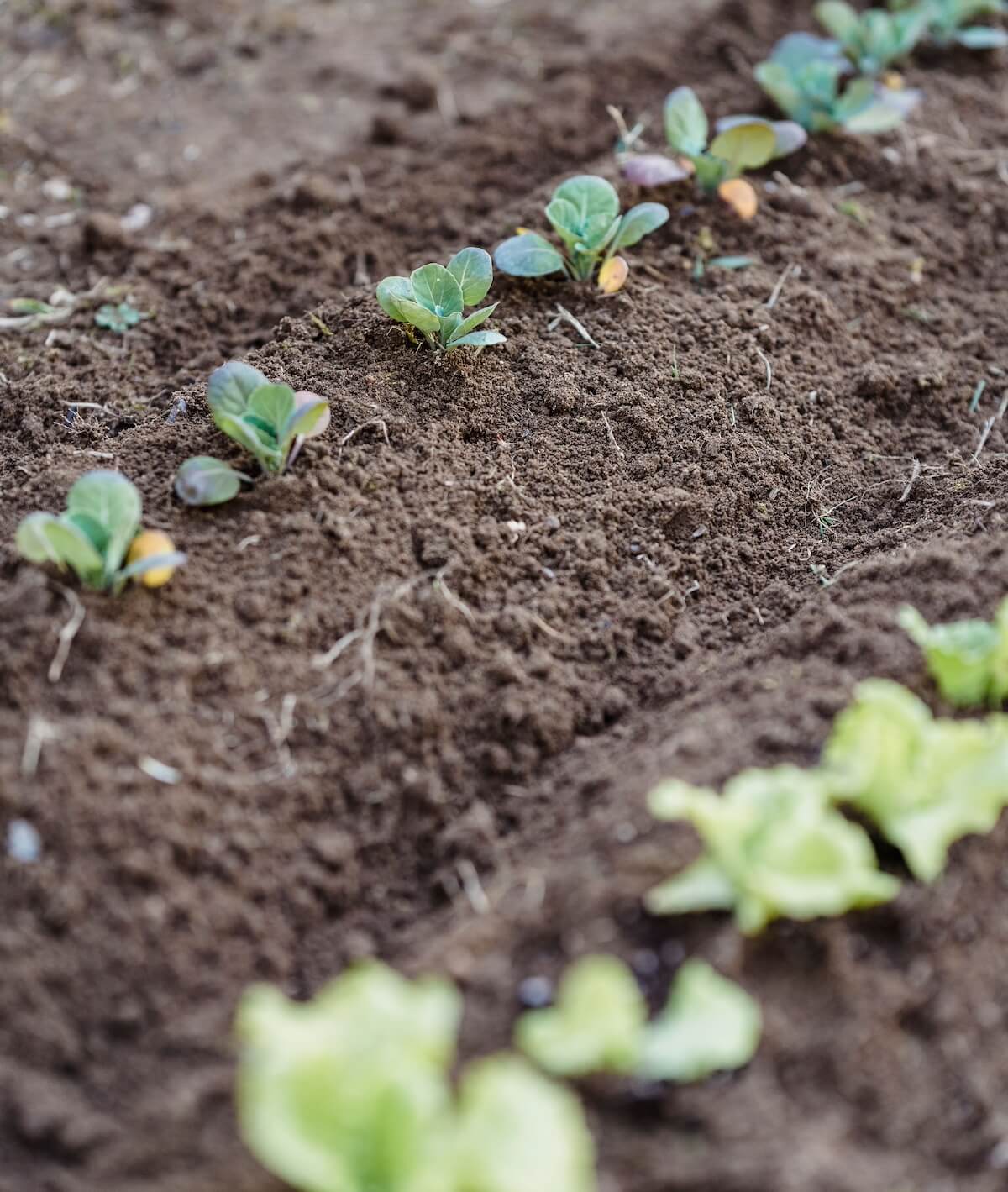
Yet my planters have everything going for them: plenty of sunlight, rich soil that I’ve been cultivating for years, and good moisture levels. So why is the growth as slow as a bureaucrat on a Friday afternoon?
Hunger hidden amid abundance
Every fall, I let my fallen leaves, stems, and plant debris decompose in my compost bins. That’s the philosophy of natural gardening: letting organic matter do its job, mimicking what the forest does, and recycling nutrients. And it works! My autumn generosity delights the soil microorganisms, which work hard all winter and into spring to break down all that lovely carbon.
Except that to do this decomposition work, these little workers need nitrogen. And when the material to be decomposed is rich in carbon but poor in nitrogen (like dry leaves and woody stems), the microbes go looking for what they’re missing elsewhere. That “elsewhere” is the soil around them. The same soil where my lettuces are trying to find what they need to grow. Microorganisms are better competitors than plants when it comes to capturing available nitrogen, and when there’s not much of it, you can guess who loses… Well, yes, it’s me, with my fork hovering over an empty bowl! (I’m still eating, don’t worry, but not salad!)
But wait—that doesn’t mean you should stop mulching or leaving crop residues on the ground!
It’s just that these residues aren’t enough on their own to produce squash and parsnips year after year! Microbes aren’t ruthless thieves—they’re your friends. Nitrogen isn’t lost; it’s temporarily locked up and then returned to the system later. But here’s the thing…
I made a mistake… I haven’t added anything to this bed other than last fall’s dead plant matter since… Well… I really messed that one up! For several years in a row! So there probably isn’t much nitrogen left in my soil… oops!
Anyway, I suspect my young leafy greens are lacking nitrogen. It’s just a hypothesis, I admit: a cool spring slows down both lettuce growth and microbial activity. But it’s already well into June, you know! In a continuously cultivated vegetable garden, every vegetable harvested removes some of the nutrients from the soil, and without replenishment—or a fallow year—even good, living soil eventually becomes depleted.
So, what do I do with my seedlings that are desperately lacking nitrogen? What little boost can I give them to get started while the balance is being restored? So here I am, looking for a quick, natural, and if possible, free source of nitrogen. (Because without lettuce to eat, I have to spend my paycheck at the grocery store!)
The quest for fast, free Nitrogen
My first instinct is to try to find a solution using what I already have on hand. Because if I buy fertilizer every time my soil is out of balance, I feel like I’m just going in circles instead of building something. The forest, on the other hand, doesn’t order fertilizer deliveries.
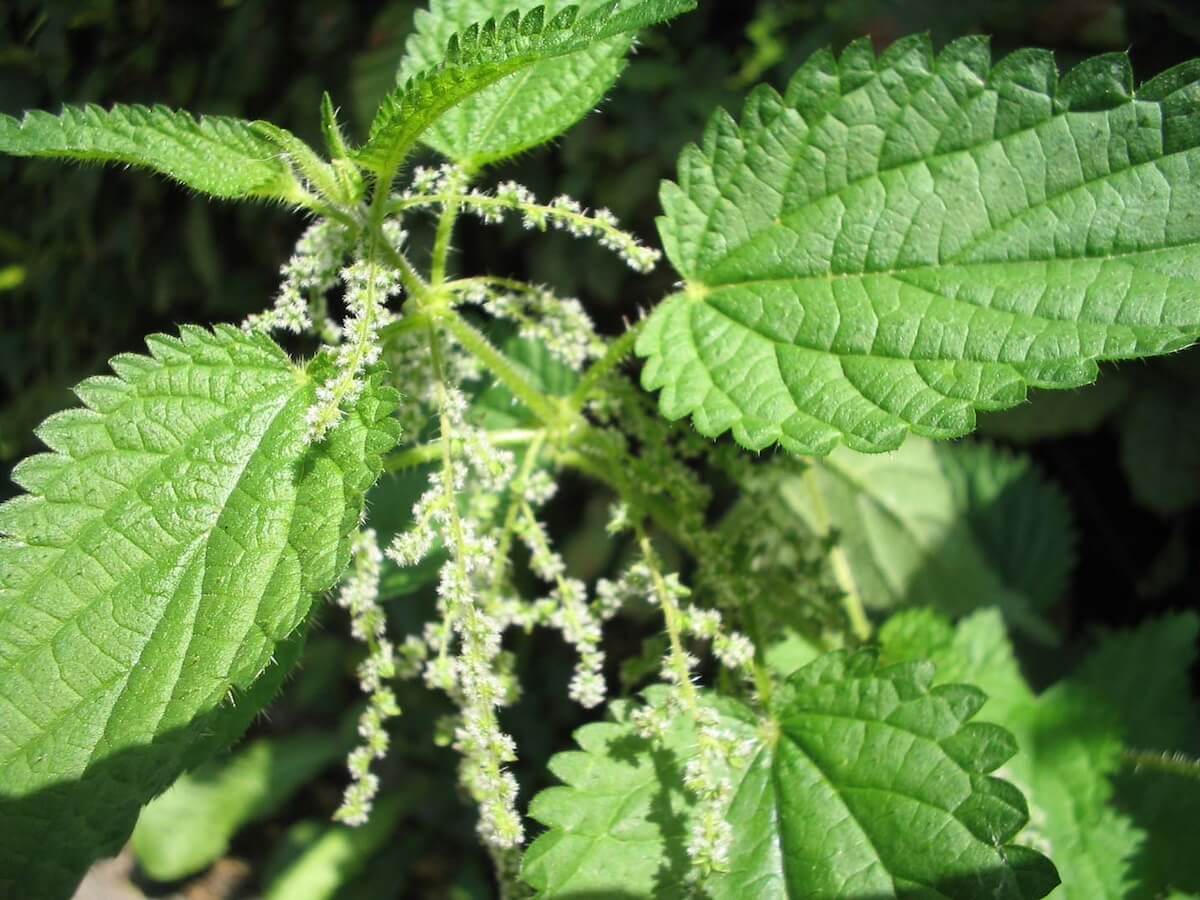
My first lead: nettle tea. The classic. The one everyone talks about in gardening circles, the one often touted as the miracle solution to give your plants a boost. Edith Smeesters actually wrote about it in a great article. But since I’m a biologist and my instinct pushes me to verify the claims behind miracle products, I want to take a closer look at the numbers.
What science really says about nettle manure
The stinging nettle (Urtica dioica) is indeed a plant remarkably rich in nitrogen in its fresh tissues. So far, that reputation is well deserved. Where things get complicated is when you calculate what’s actually left in the liquid after fermentation.
Researchers have measured the composition of nettle manure under controlled conditions. The result: approximately 0.06% nitrogen in the liquid. To give you a concrete idea: are you familiar with the famous NPK code on fertilizers? This trio of numbers represents the percentages of nitrogen, phosphorus, and potassium. A 20-20-20 fertilizer, for example, contains 20% nitrogen. For nettle manure, that first number wouldn’t be 20, or even 5: it would be 0.06. It’s a real contribution, but frankly a modest one.
That’s not all. Part of this nitrogen is in organic form, bound to proteins and amino acids. It still needs to be broken down by soil microbes to become available to plants, which takes time. But my lettuces need nitrogen now, not in three weeks.
Does that mean we should throw the nettle manure in the trash? Absolutely not, and that’s where it gets interesting. Research suggests that its real benefits go beyond simple nitrogen nutrition. It is exceptionally rich in iron, potassium, and calcium, and contains amino acids and molecules that appear to stimulate plants’ natural defenses. Trials show preventive effects against certain fungi and a repellent effect against some insect pests. It’s a reliable and useful product, but its strength isn’t in providing a massive, rapid boost of nitrogen. It’s more of a general fortifier for regular maintenance than an emergency fix. For my struggling lettuces, I need something else.
The unexpected solution
As I continued my research, I came across a natural product that’s free, available in unlimited quantities in any home, and has a truly impressive nitrogen content… human urine!
I can hear you snickering. I laughed too. (And so did Larry, when he covered this topic in a previous article!) But then I looked at the data.
Urine contains mainly urea, which is rapidly converted into ammonium in the soil by microbial enzymes. Its NPK ratio is estimated at approximately 11-1-2: that is, 11% nitrogen, which is directly available and quickly assimilated.
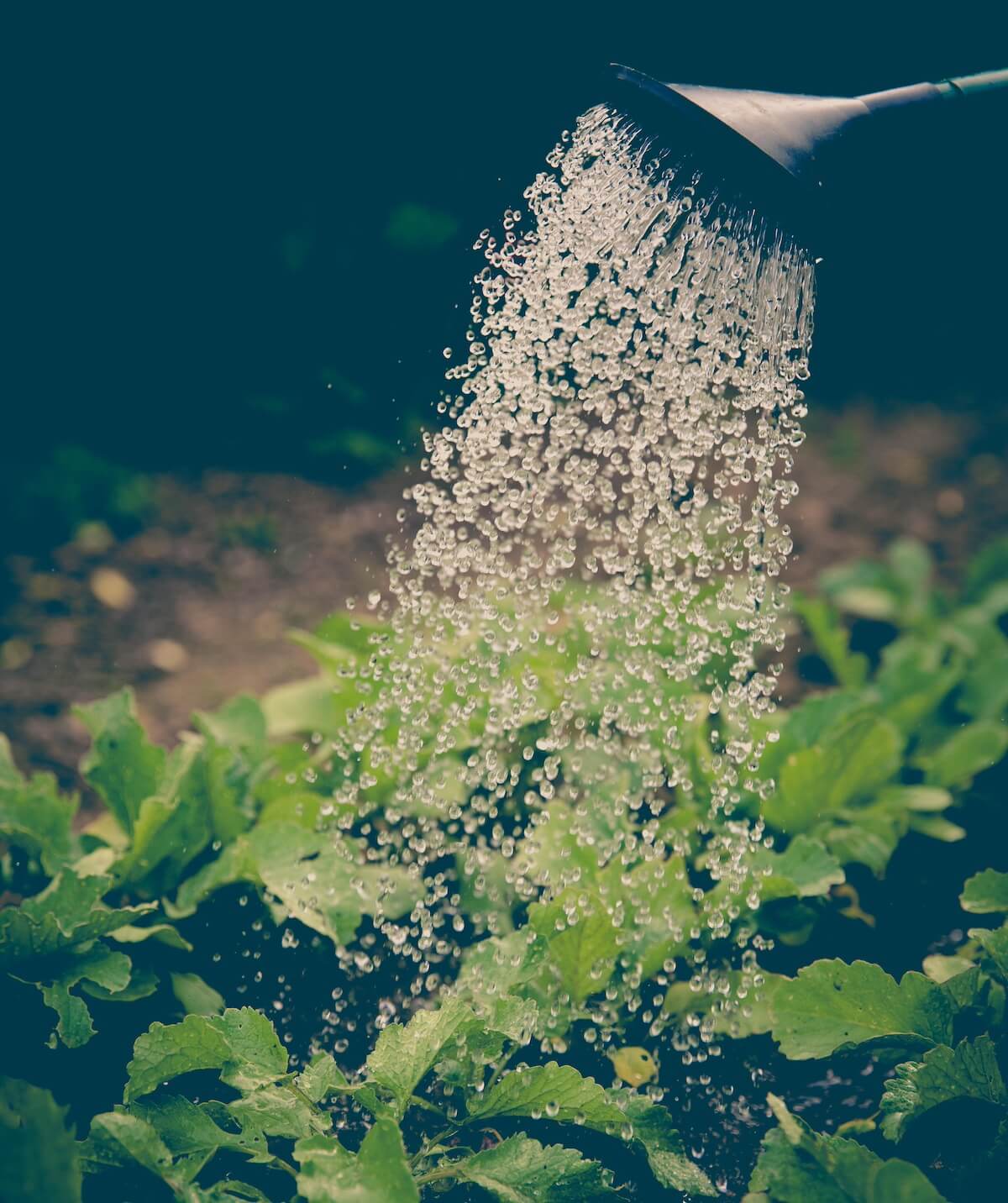
This isn’t just a fad among eccentric gardeners: serious scientific studies have been conducted on the subject. One of them showed that cabbages fertilized with diluted urine yielded results comparable to those fertilized with conventional fertilizers. The instructions are simple: mix one part urine with 10 to 20 parts water, and pour the mixture onto the soil (never on the leaves). Avoid this method if you take medication regularly, due to potential pharmaceutical residues.
The conclusion
That evening, I told my partner about my discovery. He’s a biologist too, so when faced with scientific evidence, we have no choice but to bow to science! Here’s a jug, honey—if you want some lettuce, help yourself!
My lettuces got their first nitrogen-rich watering a few days ago. It’s already late in the season—hard to say if I’ll get to eat the leaves before they bolt—but hey, fingers crossed! I’ll keep you posted soon.
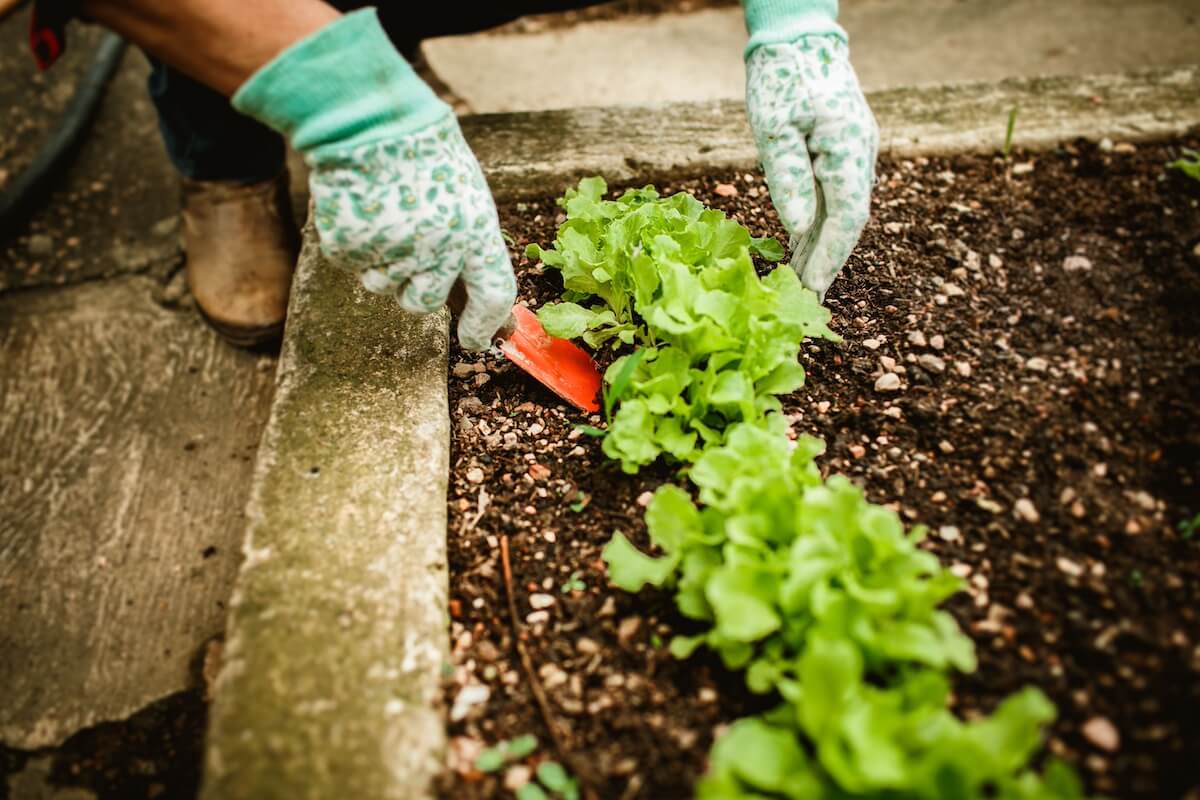
What about you? Have you ever tried making your own natural fertilizers? I’m curious to know how far you’ve gone with it!
Love this! Years ago, I heard a gardening talk show host question his guest saying ” So, do you still go wee wee on your roses?” Ever since that, My husband keeps providing me with jug fulls of urine, daily, which I don’t dilute, I just throw directly on the soil around the roses and they love it. Now, I will expand that, to diluting and putting around all my plants. Thank you, for giving me this comprehensive explanation of it!